Caves and Castles

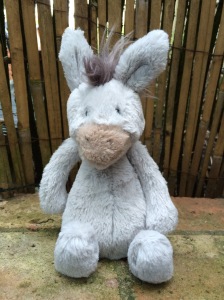
The Périgord is a region of France DonQui has never visited before. He is excited to have a few days free to explore.

The scenery is stunning with rocky outcrops, deep ravines and deciduous forest interspersed with farmland. The villages are incredibly pretty with buildings all made from the sandy limestone that is characteristic of this region. Hiking and cycling trails are ubiquitous and plenty of places offer canoe trips on the Dordogne river.

DonQui’s first port of call is the beautiful town of Sarlat which is quite close to where he is staying. 

Built around a 9th century Benedictine abby, the old city is one of the best preserved in France with much of the architecture (albeit restored) dating to the 14th century.

DonQui’s host at his gîte recommends lunch at the hamlet of Montfort. It turns out to be very good advice both for the location and food.

The gourmet speciality of this region (vegans look away now) is foie gras. The terrine de foie gras is utterly delicious.

DonQui is also quite taken by the Rocamadour goat’s cheese served with a little honey. He will be going to Rocamadour shortly and resolves to pick some up to bring home with him. 

After lunch he takes a short walk along the Dordogne ravine to work off a calorie or two. 
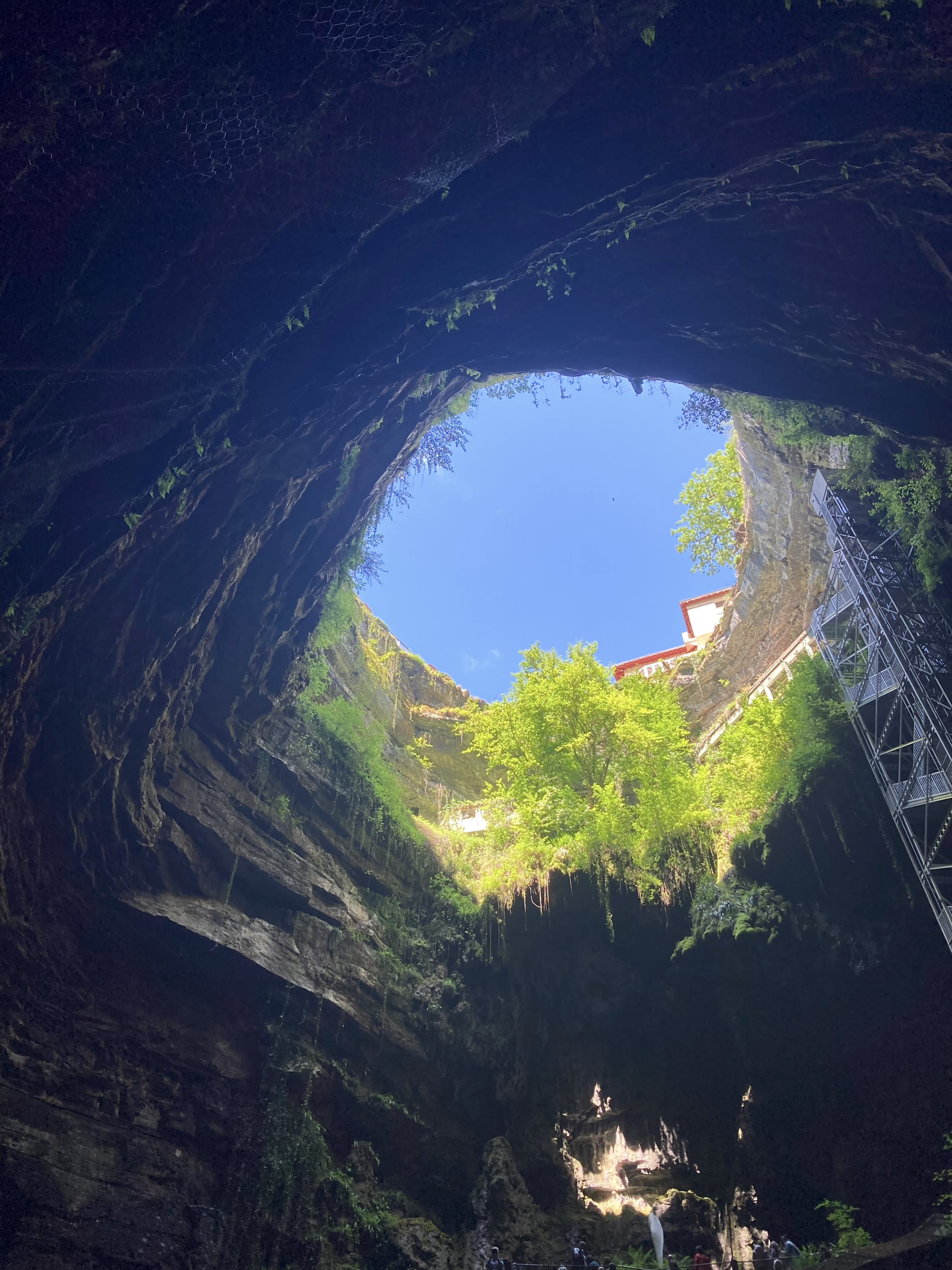
On Duchess’s advice (she visited this area years ago), DonQui heads out to the Gouffre de Padirac the following day. This is an immense chasm over 100m deep with long caves and an underground river. The drop from the surface to the caves below is straight down. Fortunately there are now lifts in place so DonQui is not obliged to recall his abseiling lessons from long ago.

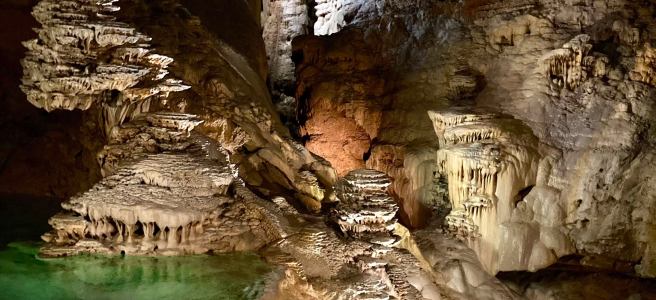
Words fail DonQui as he tries to describe the grandeur, atmosphere and incredible geological wonders that he encounters. So the photos will have to serve. 

Eventually the footpath winding its way through the cavern comes to an end. DonQui’s journey then continues in a small boat along the underground river. 

DonQui is quite certain that this underground lake is the very place where the hobbit Bilbo Baggins encountered Gollum after discovering the ring and escaping the goblins.

Then it is on to Rocamadour. Tightly hugging a steep gorge, Rocamadour is on three levels — chateau at the top, religious sanctuary in the middle and small town at the bottom. Fortunately, once again, there are lifts. The small medieval town lies along a single road on the lower level by the river. Being impossible to defend, the inhabitants had to take sanctuary on the upper levels when attack was threatened. This happened several times in the middle ages, invariably when threatened by marauding English armies.
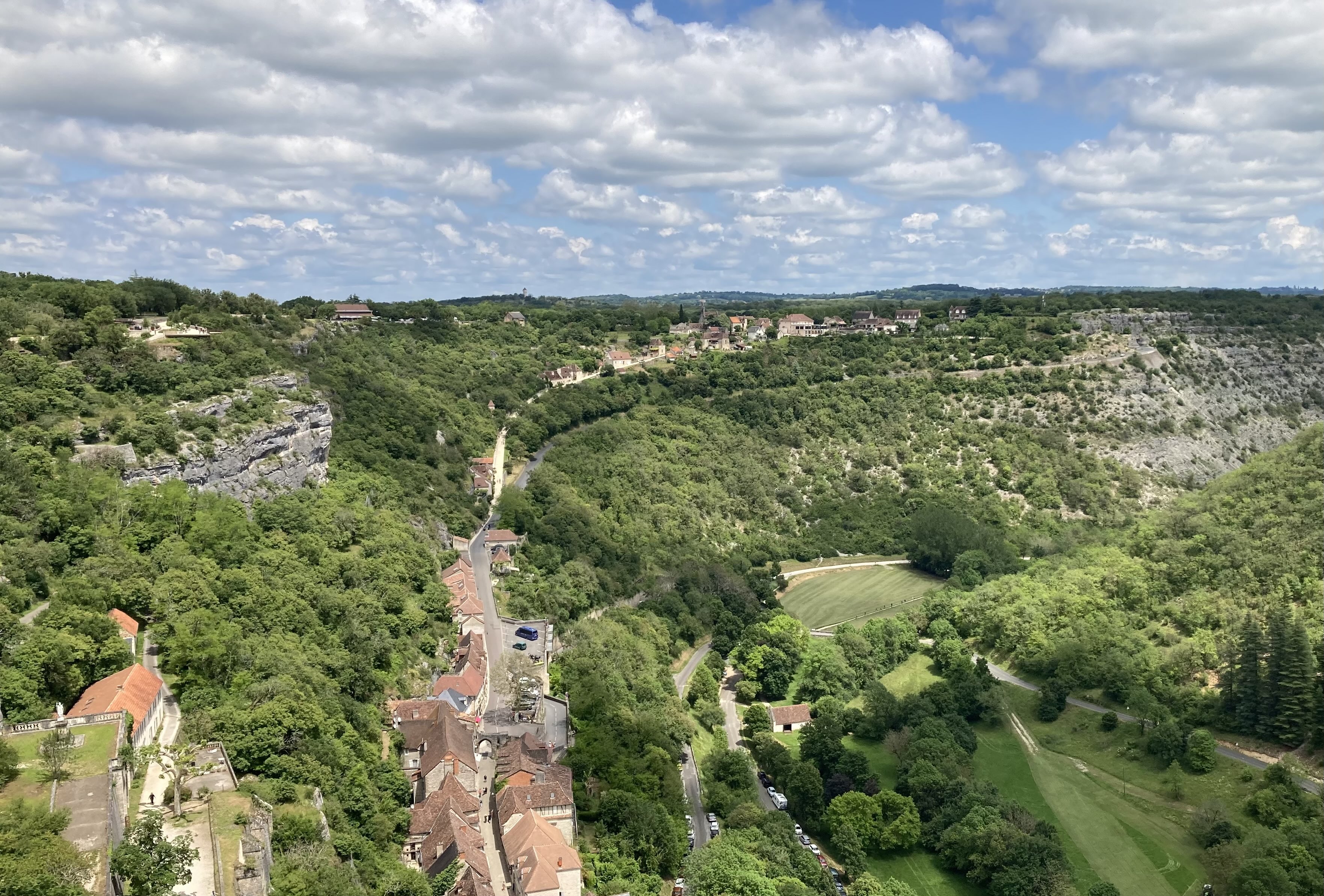
The view from the top is stunning. Although the battlements can be walked around, the chateau itself is private.
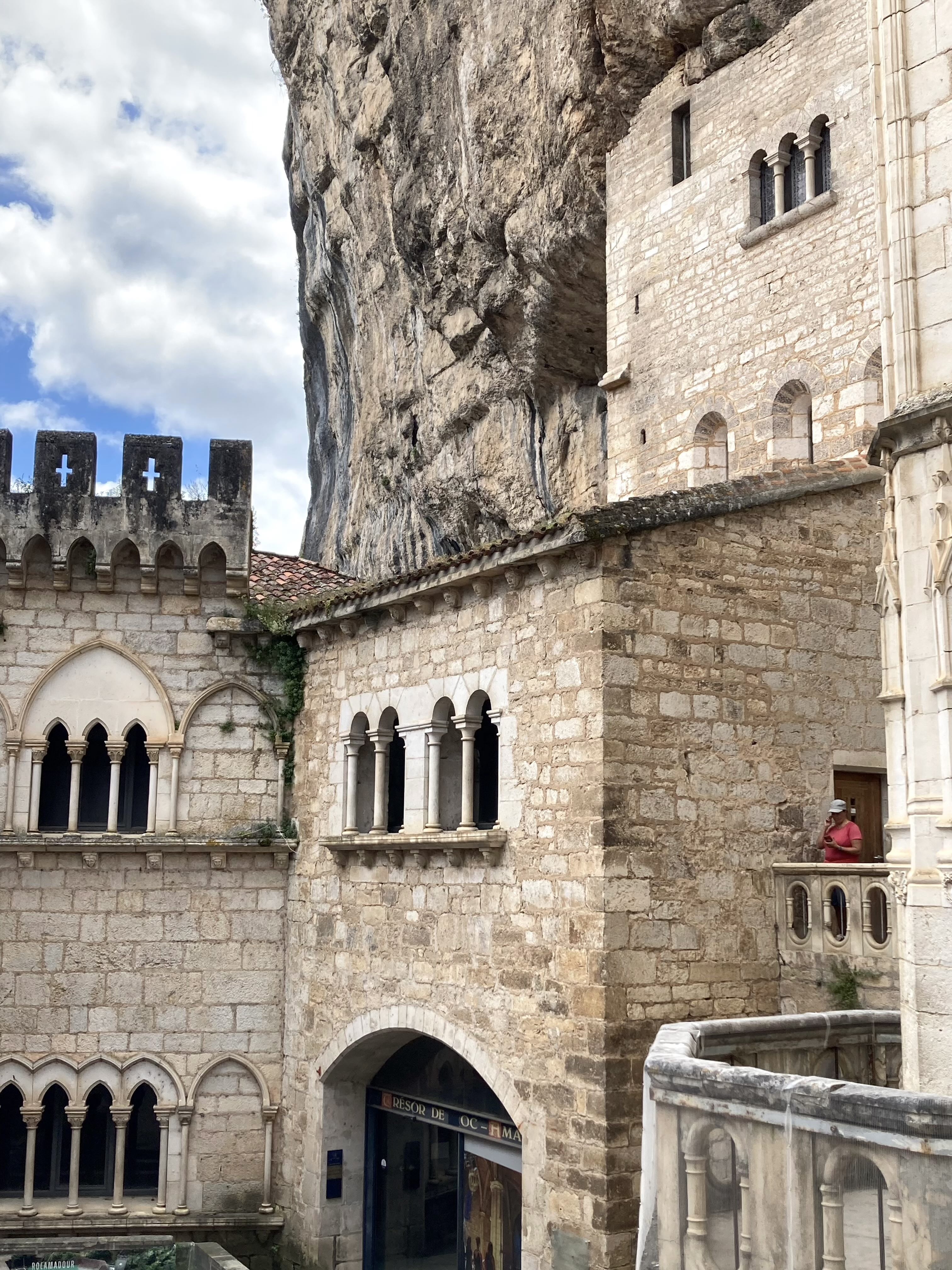
The Sanctuary of the Blessed Virgin on the middle level has been a pilgrimage site since the 12th century. The first miracle attributed to the Virgin Mary here was recorded in 1148, many more are alleged to have taken place since. Most of the current buildings date to the 15th century when much of Rocamadour was rebuilt.

The much venerated wooden statue of the Black Madonna is believed to have been carved in the 12th century.

DonQui heads back to Sarlat for his final supper in this delightful region. He choses the unpretentious Bistrot de Sarlat hoping for some typical French bistro food.
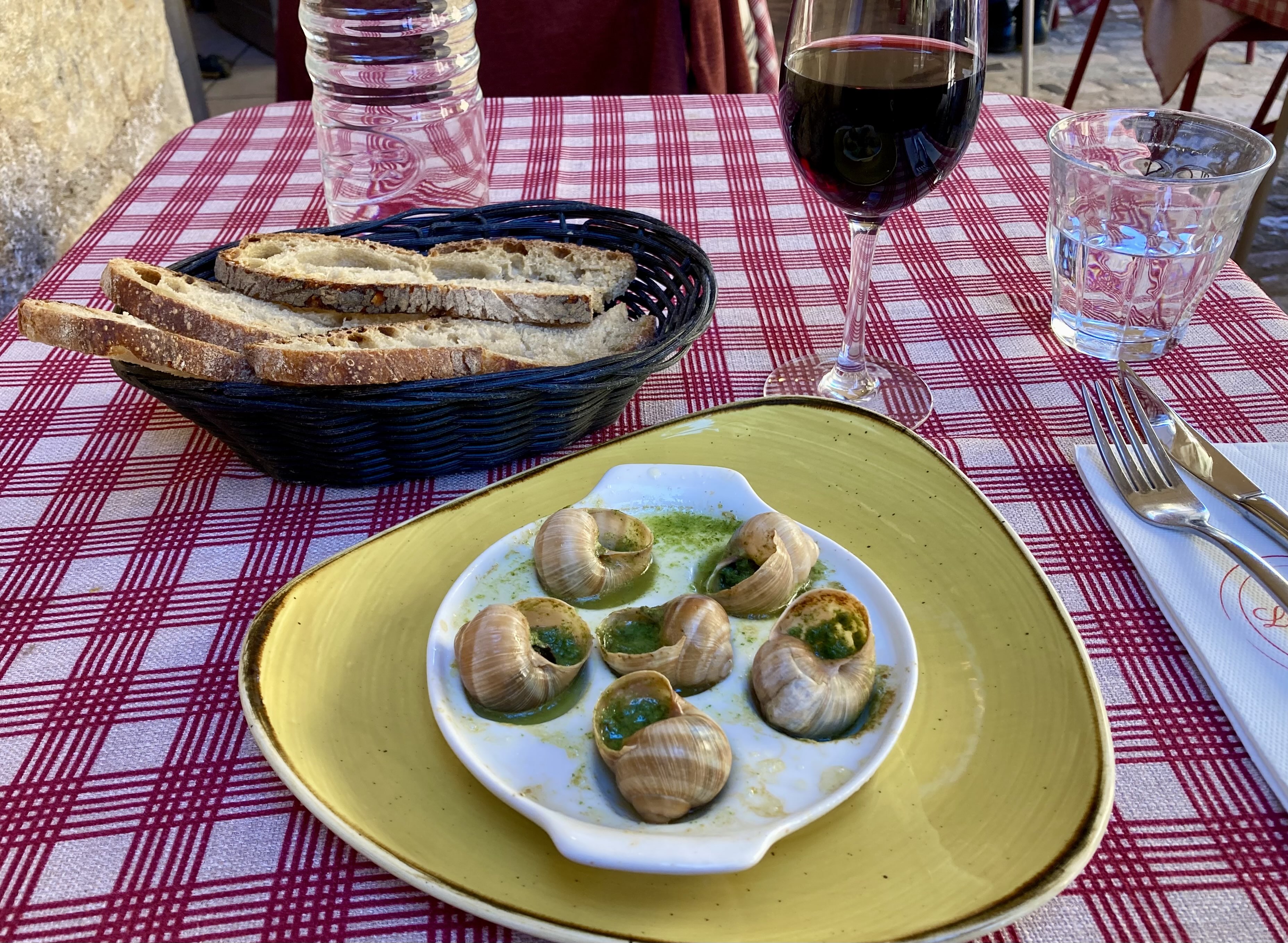
And that is exactly what he gets.

Sea, Sun and Saints

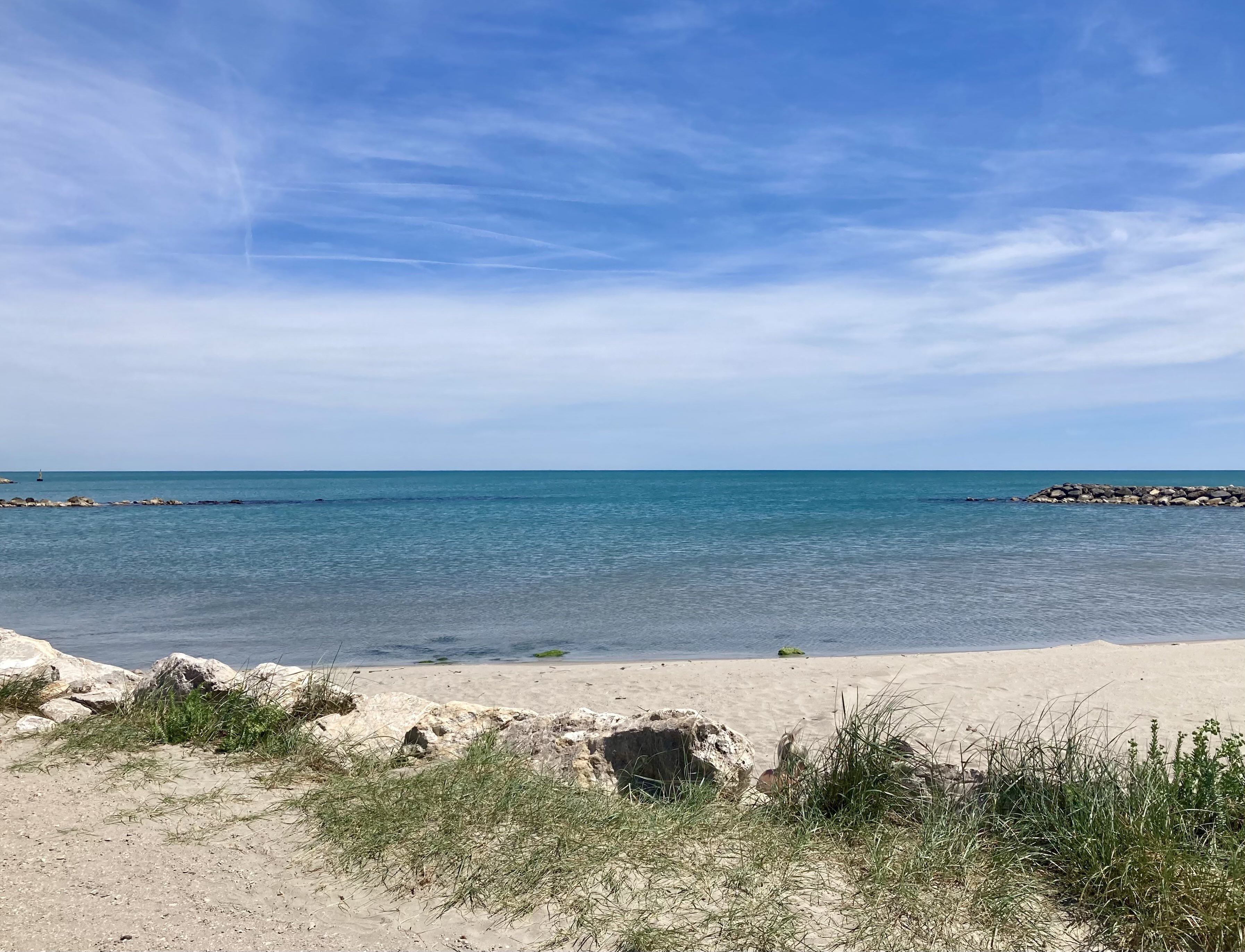
DonQui has timed his arrival on the Med at the end of May to hopefully coincide with the sort of weather conducive to lazing around on a beach but without it being overrun with other sun seekers.

His destination is Les-Saintes-Maries-de-la-Mer with its 36kms of sand beaches at the mouth of the Rhône. It is only about a ½ hour drive from Arles.

It is a fairly laid back place and nothing like as expensive or as up itself as the Côte d’Azur further east. 

Les-Saintes-Maries-de-la-Mer gets its name from the three saintly Marys (Magdalene, Clopas and Salome) who were present at Jesus’ crucifixion. In AD 46 the three Marys escaped Roman persecution in Palestine by boat, coming ashore at the village of Ra which is today (you guessed it) Saintes-Maries-de-la-Mer.  Fortunately for them there were no patrols attempting to stop small boats carrying unwanted asylum seekers.

The ‘discovery’ of the relics of Mary Clopas and Mary Salome in the 15th century ‘verified’ the story and kicked off a lucrative pilgrimage which still continues today. The fate of Mary Magdalene is shrouded in legend and remains a favourite theme for thriller writers and holy grail hunters.  

DonQui admires the impressive 9th century fortified church which houses the relics of two of the saintly Marys. 

This is a serious fortification, complete with a well to sustain the 9th-10th century inhabitants when they sought sanctuary from Viking or Saracen raiders.

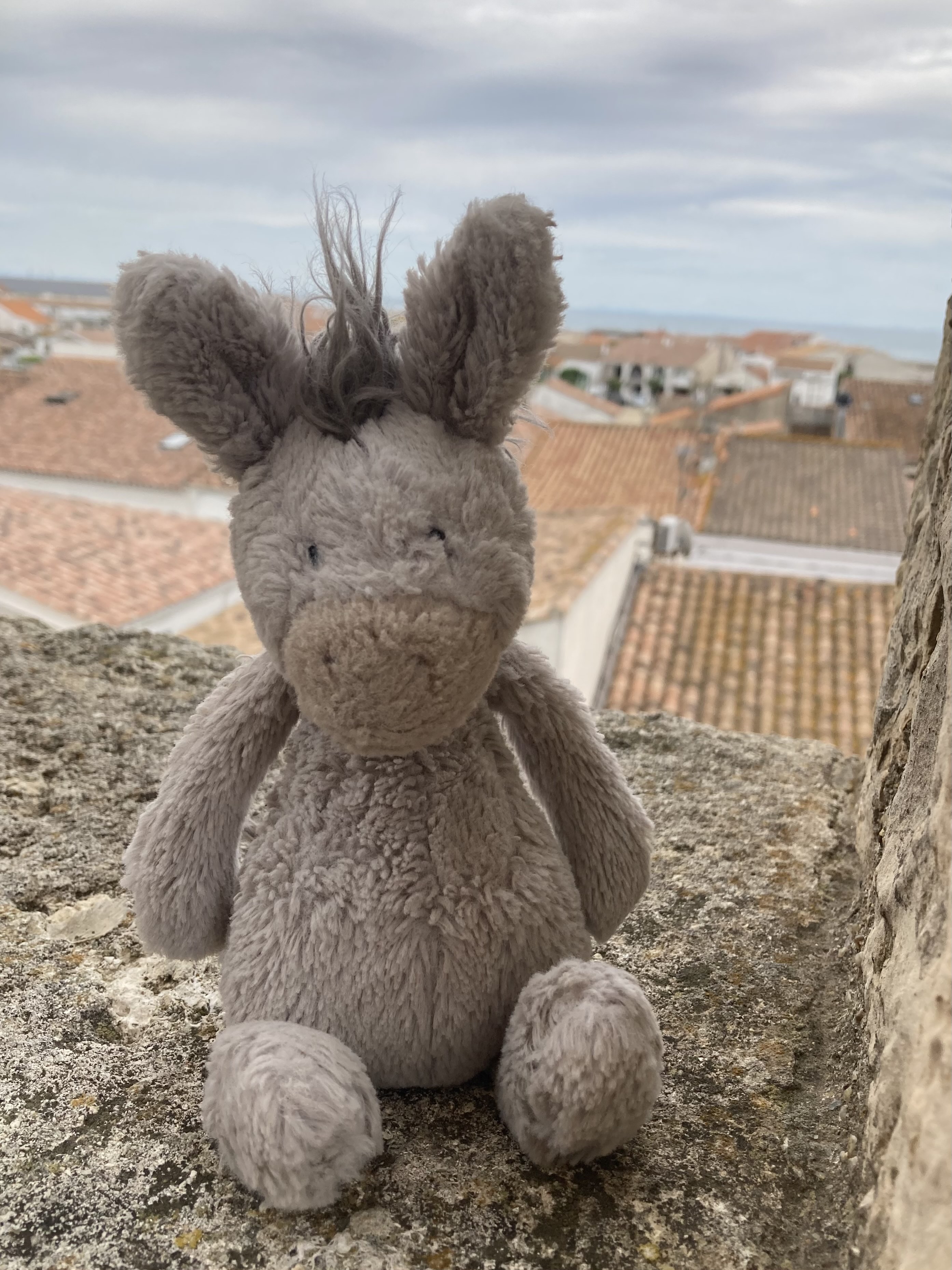
The view from the battlements provides good early warning of any malicious sea raiders. Perhaps DonQui is not the most alert of look-outs but then he has reliable intelligence that no Viking raiders are expected any time soon. 

With forecasts of windy days ahead, DonQui decides to embark now on a boat tour along the coast and up the Petit Rhône into the heart of the more than 340,000 acres of marshland that constitutes the Camargue. 

Along the way he sees a wide variety of birdlife including a couple of flamingoes flying overhead. Then (no doubt carefully timed with his boat’s progress) a gardian (Camargue cowboy if you like) rides up to the shore herding some of the animals in his charge. 

The Camargue is famous for its free-ranging black bulls and white horses. The former are bred for non-fatal bull fighting but also end up the dining table. DonQui can attest to the deliciousness of their meat. 

The horses are primarily work horses but, unlike their Veronese cousins, do not end on the dining table. The colts are born dark and only acquire the famous white coat when they get older.

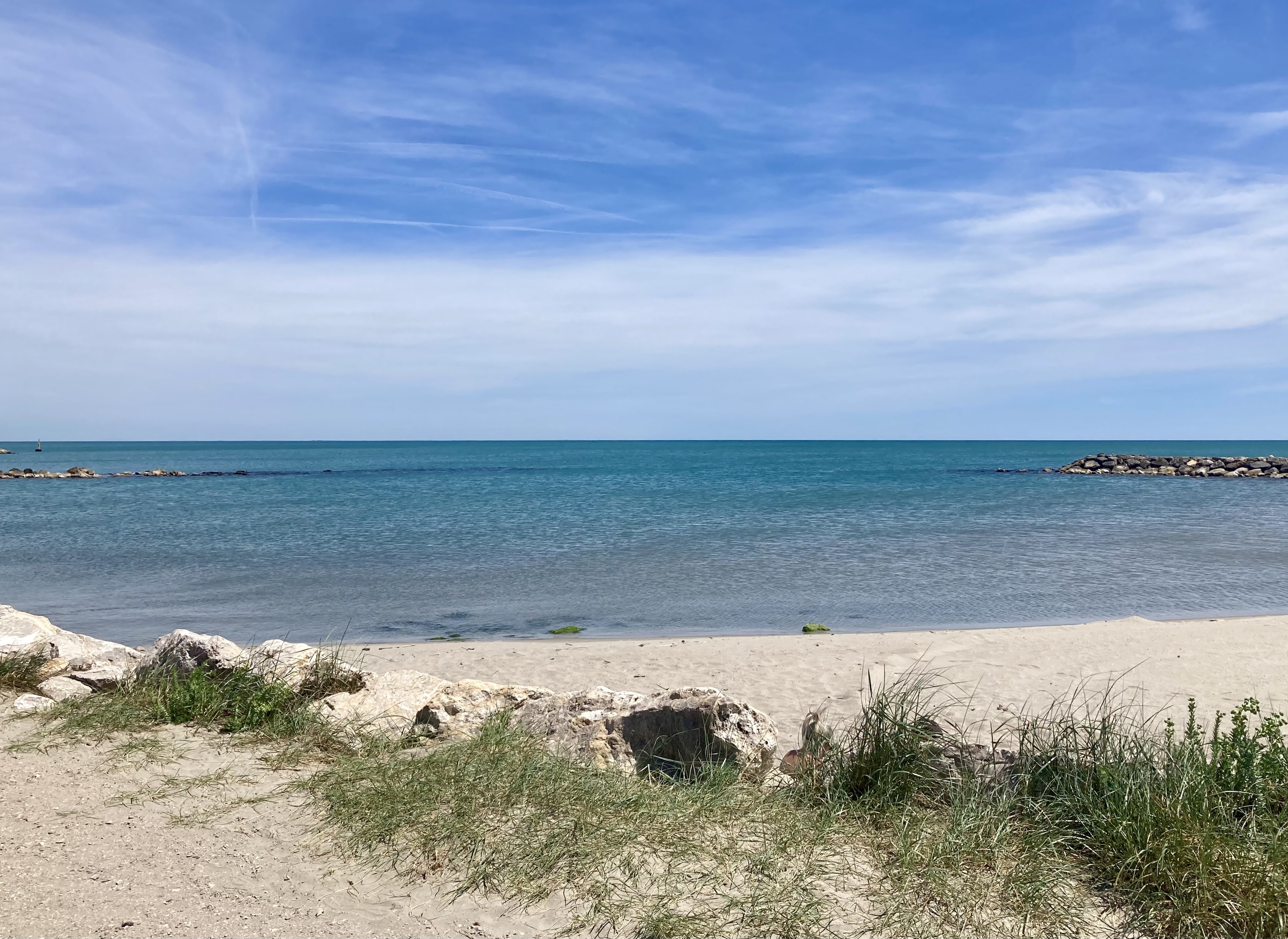
After the boat trip DonQui spends a lazy few days at Saintes-Maries-de-la-Mer. With day time temperatures pleasantly in the mid 20s and few other tourists to spoil his view, he very much enjoys his time by the beach.  The water is a little on the cold side still — not North Sea cold — but cool enough for DonQui to limit his bathing to simply getting his hooves wet.

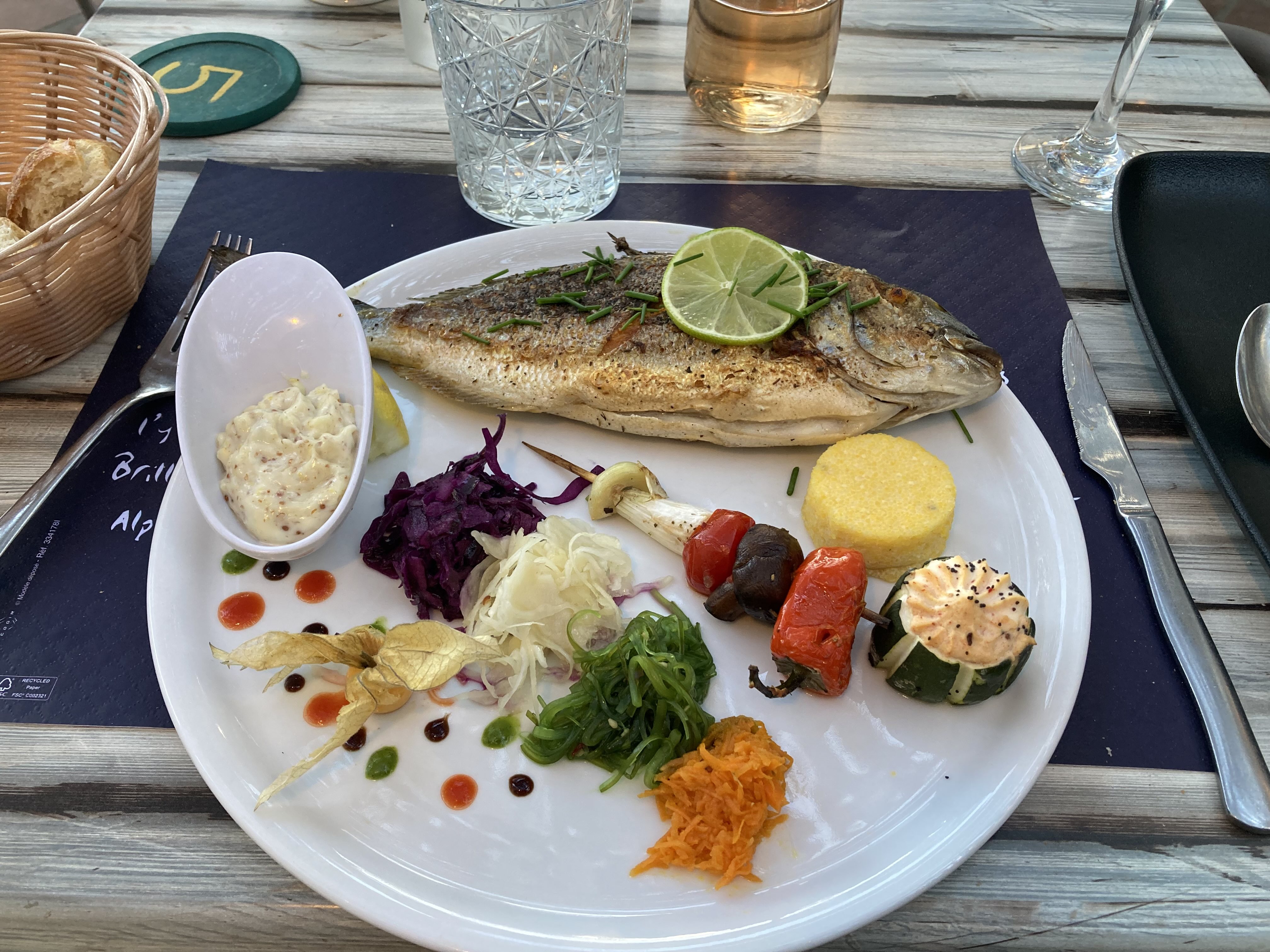
Having previously tasted Camargue bull (gardiane de taureau) in Arles , he feasts on local seafood whilst at the coast. 

DonQui’s favourite dish by far consists of tellines cooked in a creamy garlic and parsley sauce. These are tiny clams (apparently wedge clams in English) raked up from the first 10 cm of sand at the water’s edge. A speciality of this region of Provence, they are not easily available elsewhere due to the labour-intensive harvesting. He likes them so much that he samples them at several restaurants on succeeding days.

He is also quite taken with poutargue. This is the same dried, cured fish roe he had in a pasta in Genoa where it is called bottarga. At the excellent Restaurant Les Launes the friendly waitress explains to DonQui that here it is eaten as a starter on thin slices of bread with butter and a squeeze of lemon. The taste is not dissimilar to a strong hard cheese with only a hint of fish. DonQui is very glad he got the opportunity to sample it.

Sojourn in Arles

DonQui has stayed in Arles before and loved the city. So he is going to revisit for a couple of days before heading to the Mediterranean coast.

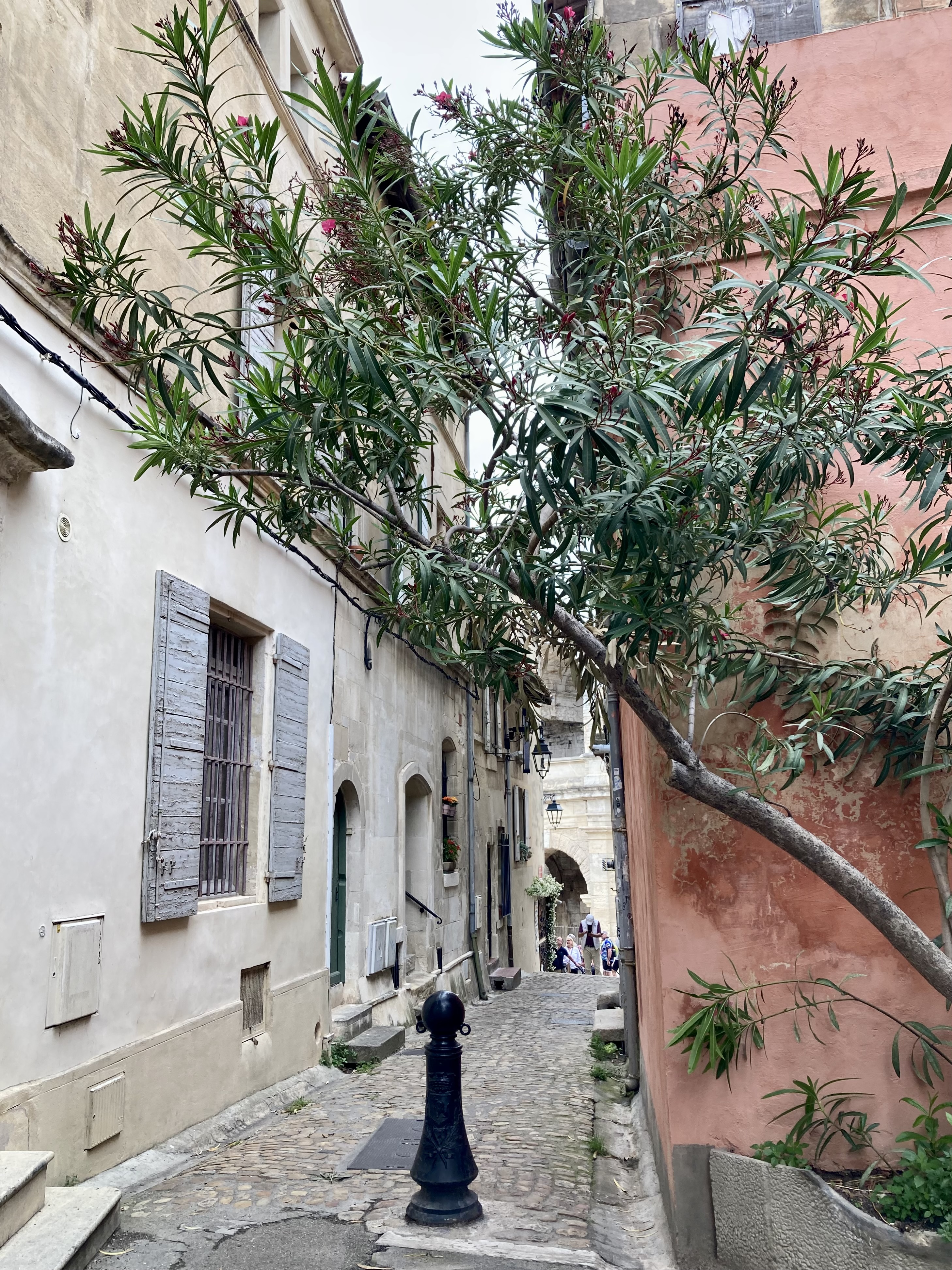
He loves simply wandering around the streets without any particular plan just to see what is around the next corner.

And Arles is an eminently walkable city. At this time of year (May) it is not overrun with tourists apart from a few small gaggles temporarily let off their cruise ships for good behaviour.

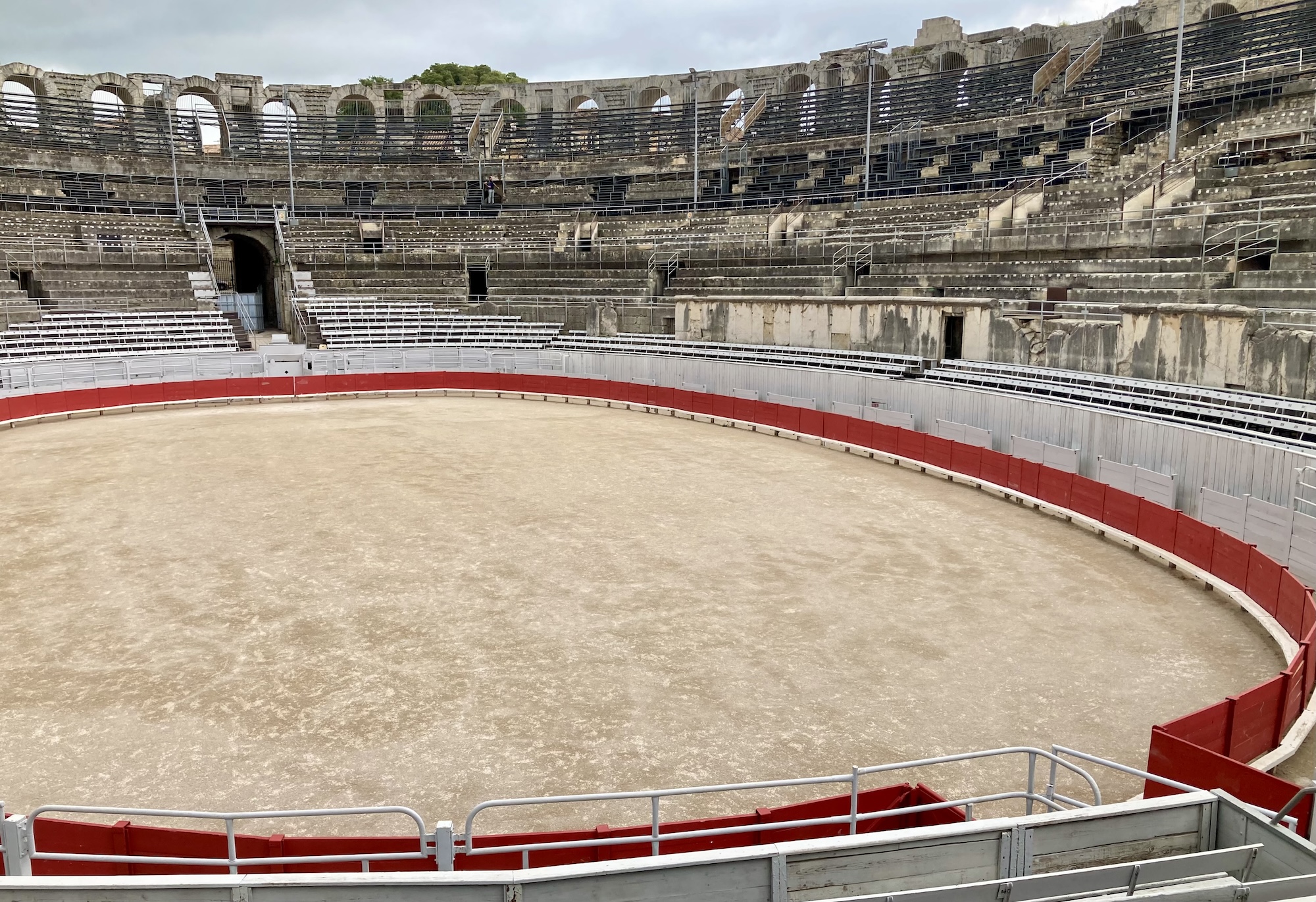
An important Gallo-Roman town and capital of Roman Gaul in the 5th C AD, there is plenty of good Roman stuff for DonQui to enjoy. The Roman arena served as walls of the city in the middle ages with most of the town (much reduced after the Roman era) being crammed inside it.

The arena was cleared and partially restored in the early 20th century and now once again functions as a place of entertainment — although without  gladiatorial combat as far as DonQui can ascertain.

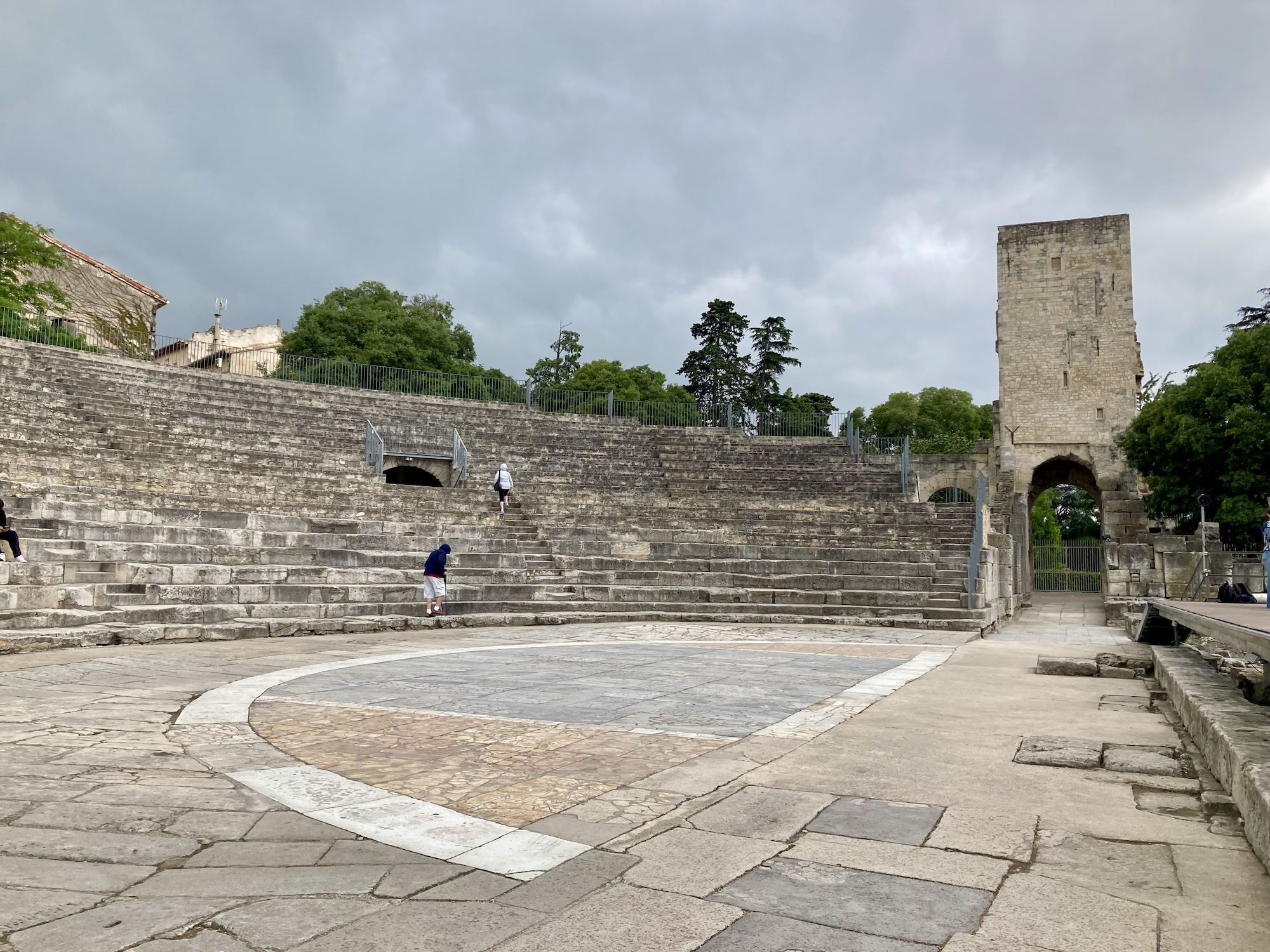
The well-preserved Roman amphitheatre is also still in use for plays and concerts.

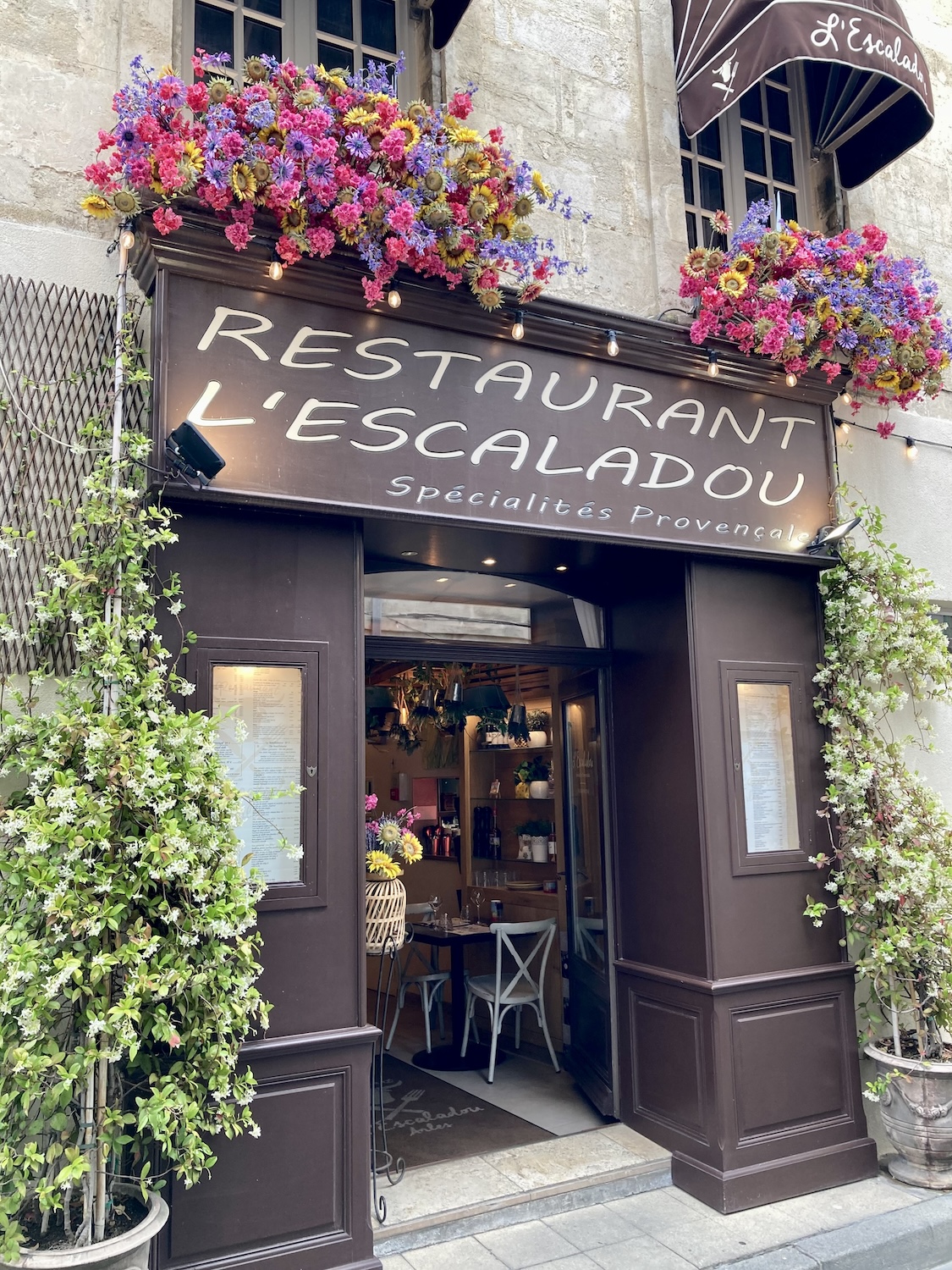
After a good trot around the place, DonQui pauses for a little sustenance at the delightful Restaurant Escaladou, just around the corner from the Roman arena.

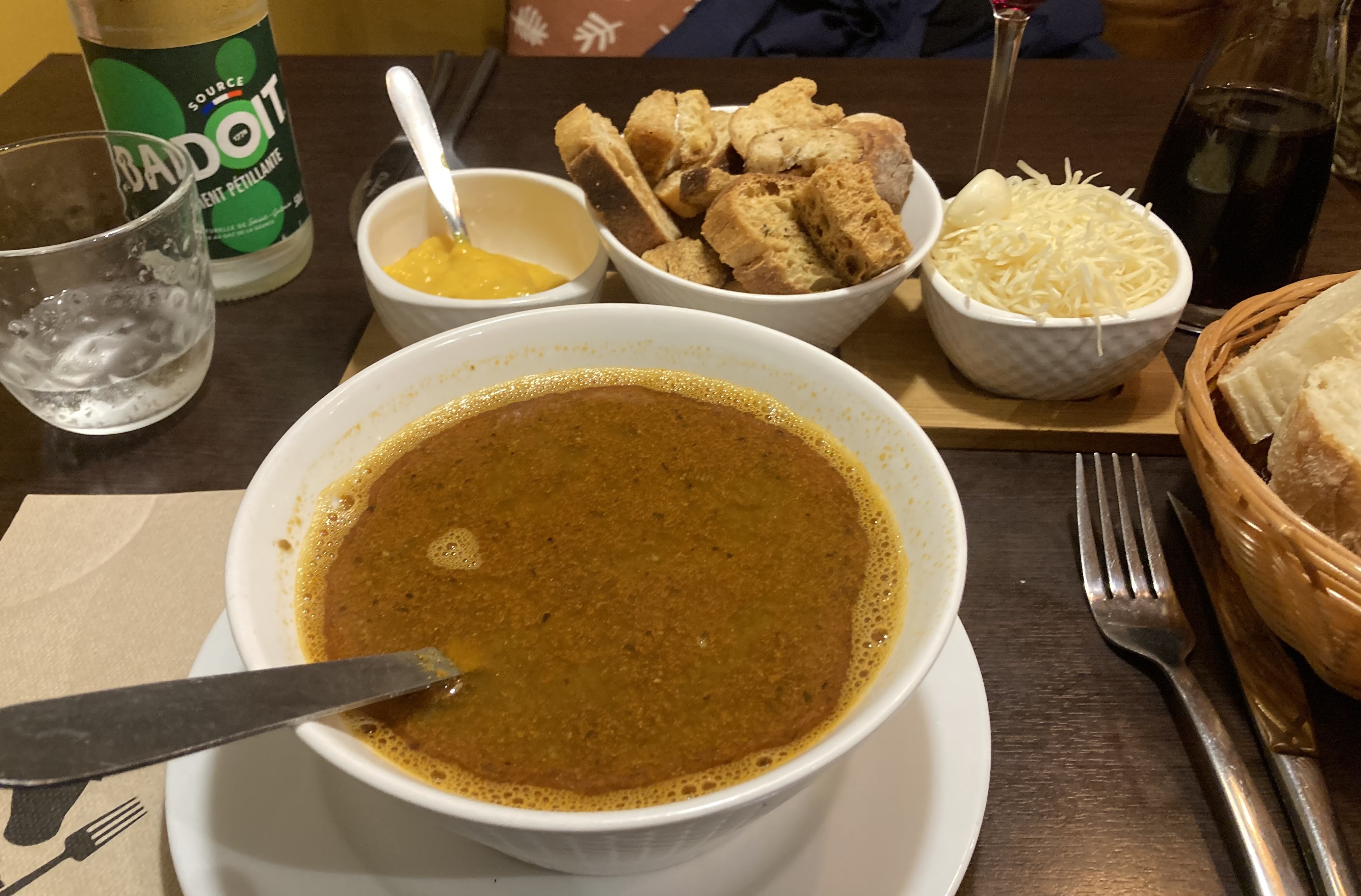
When abroad DonQui likes to sample local dishes rather than something he might have at home. In this case his meal starts with this delicious Provençal fish soup complete with croutons, cheese and rouille (a sort of aioli made with egg yolks). It is followed by a traditional stew of Camargue wild bull (gardiane de taureau)— well, partially wild as although roaming freely through the salt marshes of the Camargue the herds are looked after by humans. The slow-cooked meat is lean, tender and flavoursome.

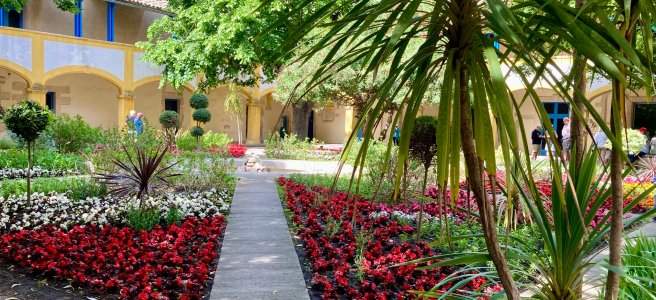
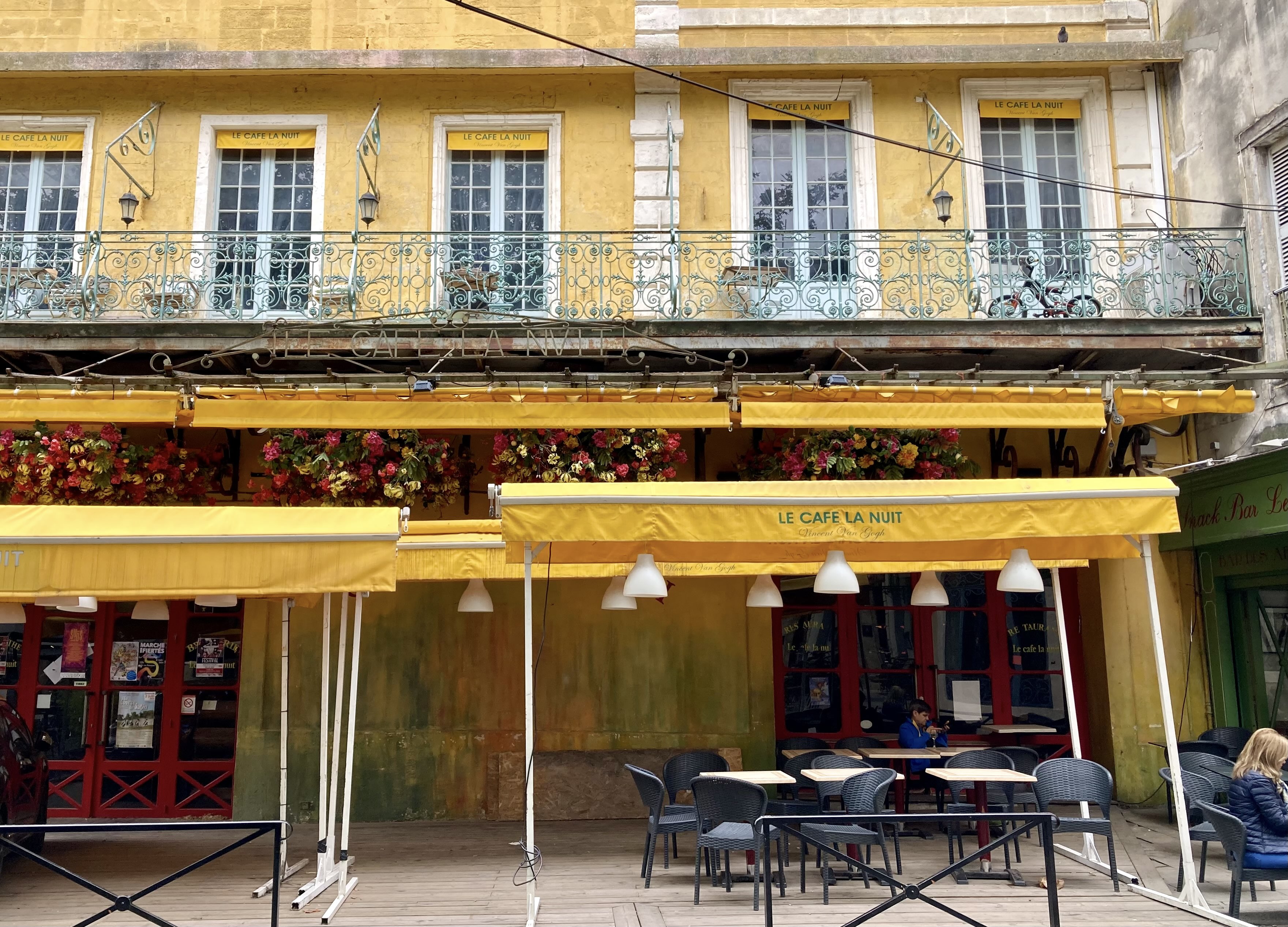
Arles was immortalised by Vincent Van Gogh who stayed here to paint some of his most famous works (1888–1889). 

There are couple of places that have been maintained more or less as they were when he painted them.

With the weather warming up to a pleasant 27º DonQui now heads to the sea to cool off and relax for a few days.

From Italy to France

DonQui could quite happily have spent another day in Verona but he must be on his way to the south of France.

It is a long journey first through the flat fields of Lombardy and then into the Ligurian alps. He decides to break his trip with an overnight stay in Genoa.

Genoa is perhaps not the most exciting of cities but it is pleasant enough for a quick visit and it is about half way along his journey. DonQui spends an enjoyable afternoon trotting around the streets before stopping for an aperitivo to watch the evening passeggiata

Then he has his last meal in Italy which includes a delightfully flavoursome tortelli with sea bass, clams and bottarga (cured, dried fish roe). The bottarga adds a taste not dissimilar from parmesan cheese.

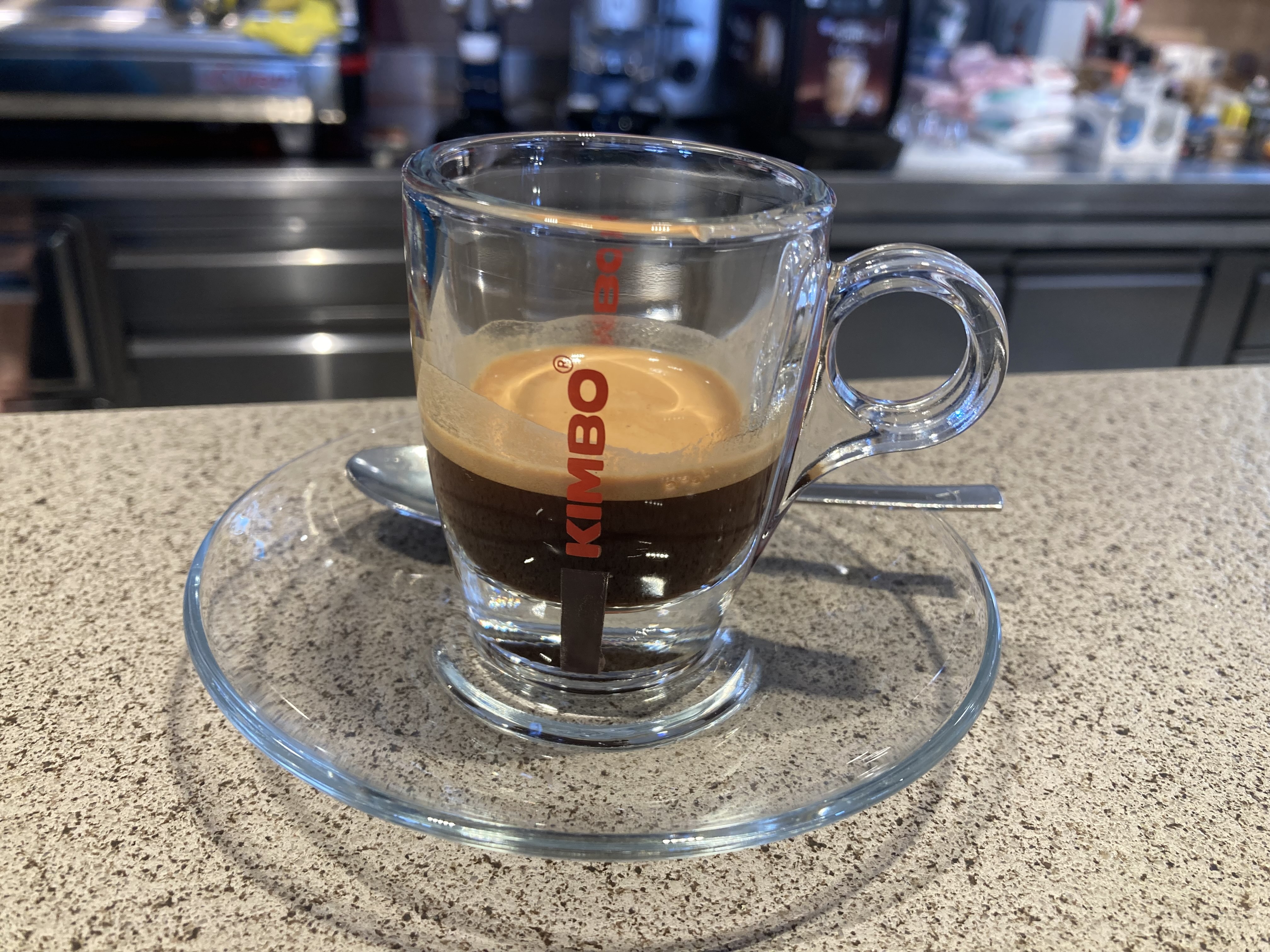
His car fuelled with petrol and his body fuelled with super concentrated Italian coffee, DonQui continues his journey the following morning. His route takes him along the coastal road that winds its way through the Ligurian alps and then the French alpes maritimes

Reaching Monaco at around lunch time he makes a brief pit stop.

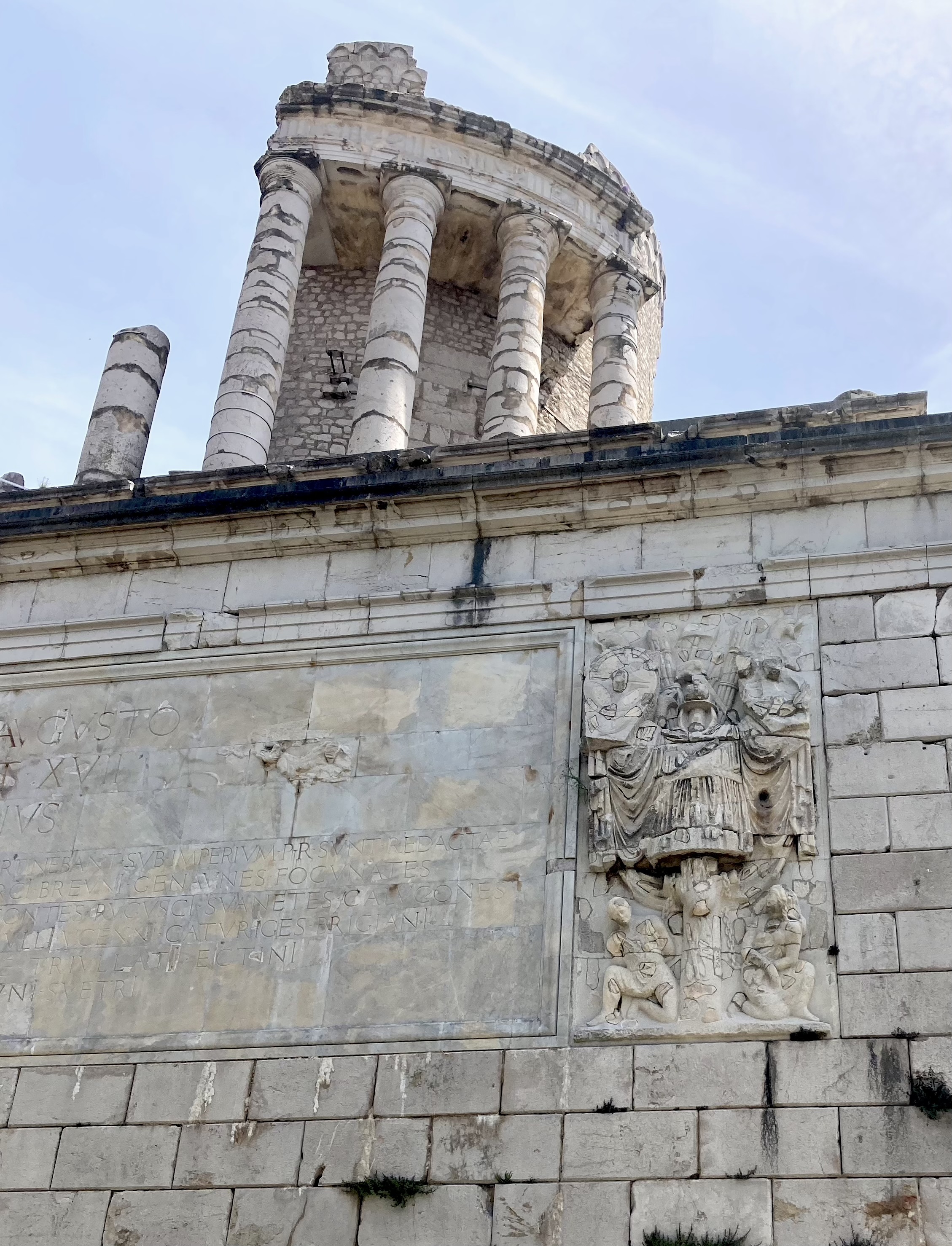
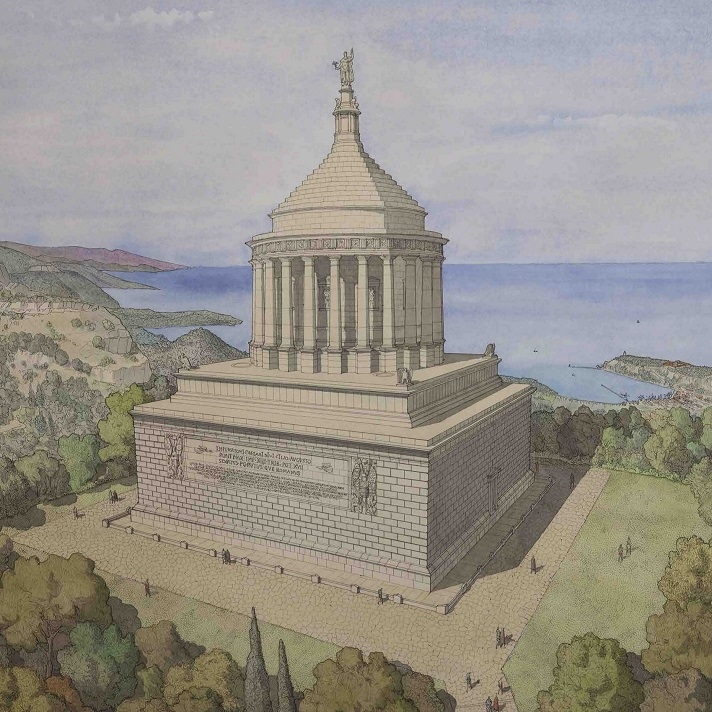
Then he heads up the small winding road to La Turbie to visit the massive ‘Augustus Trophy’ (Tropaeum Alpium). Dominating the landscape for miles around, this monument was built between AD 14 and 27 to commemorate the subjugation of the last Gallic alpine tribes by the Romans.

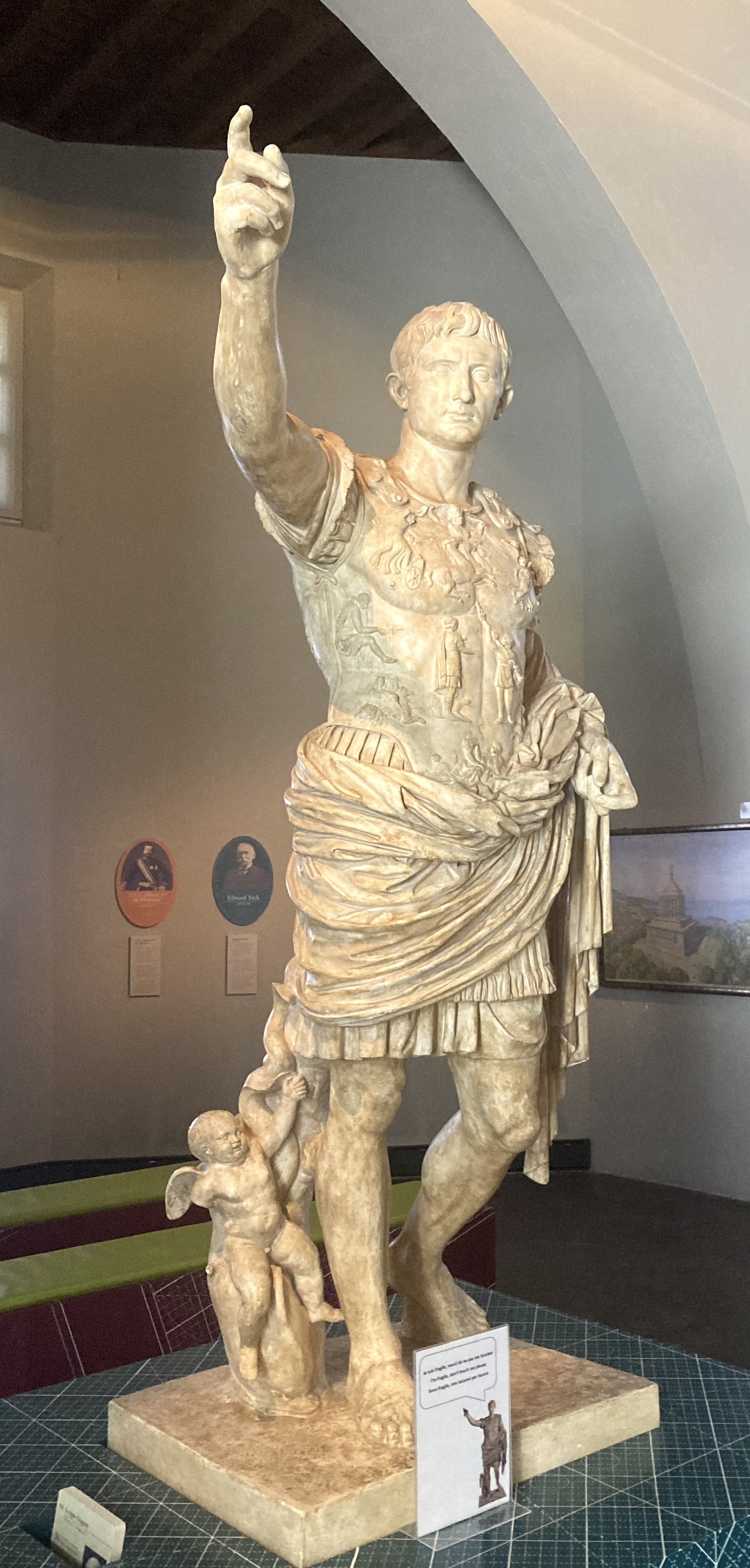
It probably looked like this when first built.

A fine statue of Augustus, which was probably on the top of the monument, is now housed in a small museum.

The views from the top are stunning.

Saying goodbye to Augustus,  DonQui dives on along the Côte d’Azur to Arles where he shall be resting and exploring for the next couple of days.

Fine dining in Alsace

Eating well in Alsace is not difficult. There is very little about Alsatian cuisine than DonQui does not love. On this trip he decides he will try some of the best. He has managed to secure reservations at two of the top restaurants in the region: Au Crocodile in Strasbourg and L’Auberge de l’Ill in Illhaeusern just off the Route des Vins about half way between Strasbourg and Colmar.

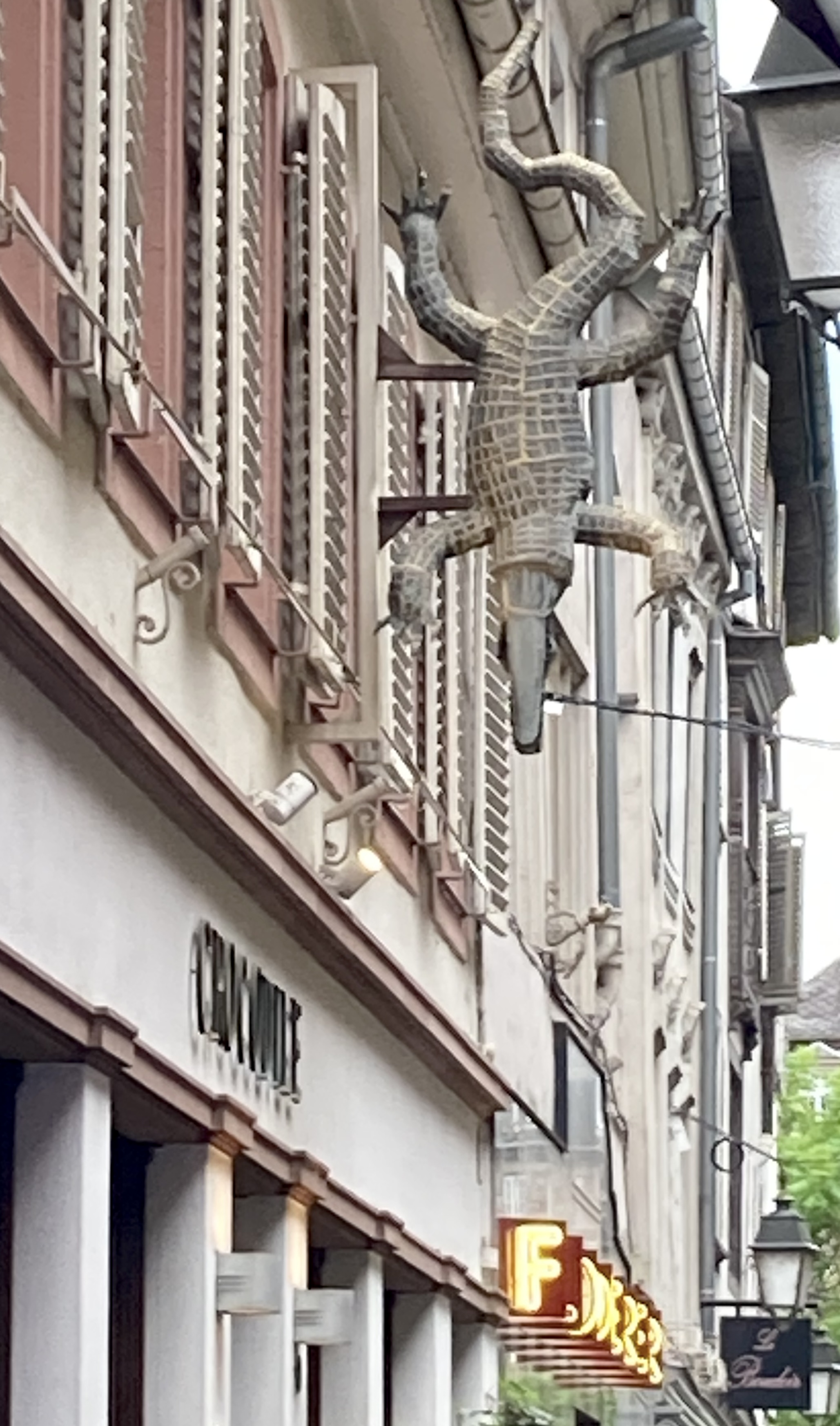
Au Crocodile gets its name from a stuffed crocodile brought back from Egypt by Captain Ackermann, one of Napoleon’s officers. It became a restaurant in 1840 and the original crocodile is still there on display.

Taking his seat DonQui is most impressed by the ambiance. There is an intimate feel the the restaurant and a sense of its history with the painting of 1840s Strasbourg dominating the dining room. The waiters are very knowledgeable and professional.

Feeling adventurous, DonQui opts for the chef’s ‘discovery menu’: starter, fish course, meat course and desert. It is less expensive than 3 courses à la carte but it is what the chef has decided with no indication of what that is. Even the waiters say they do not know the menu. So DonQui must trust the chef’s expertise.

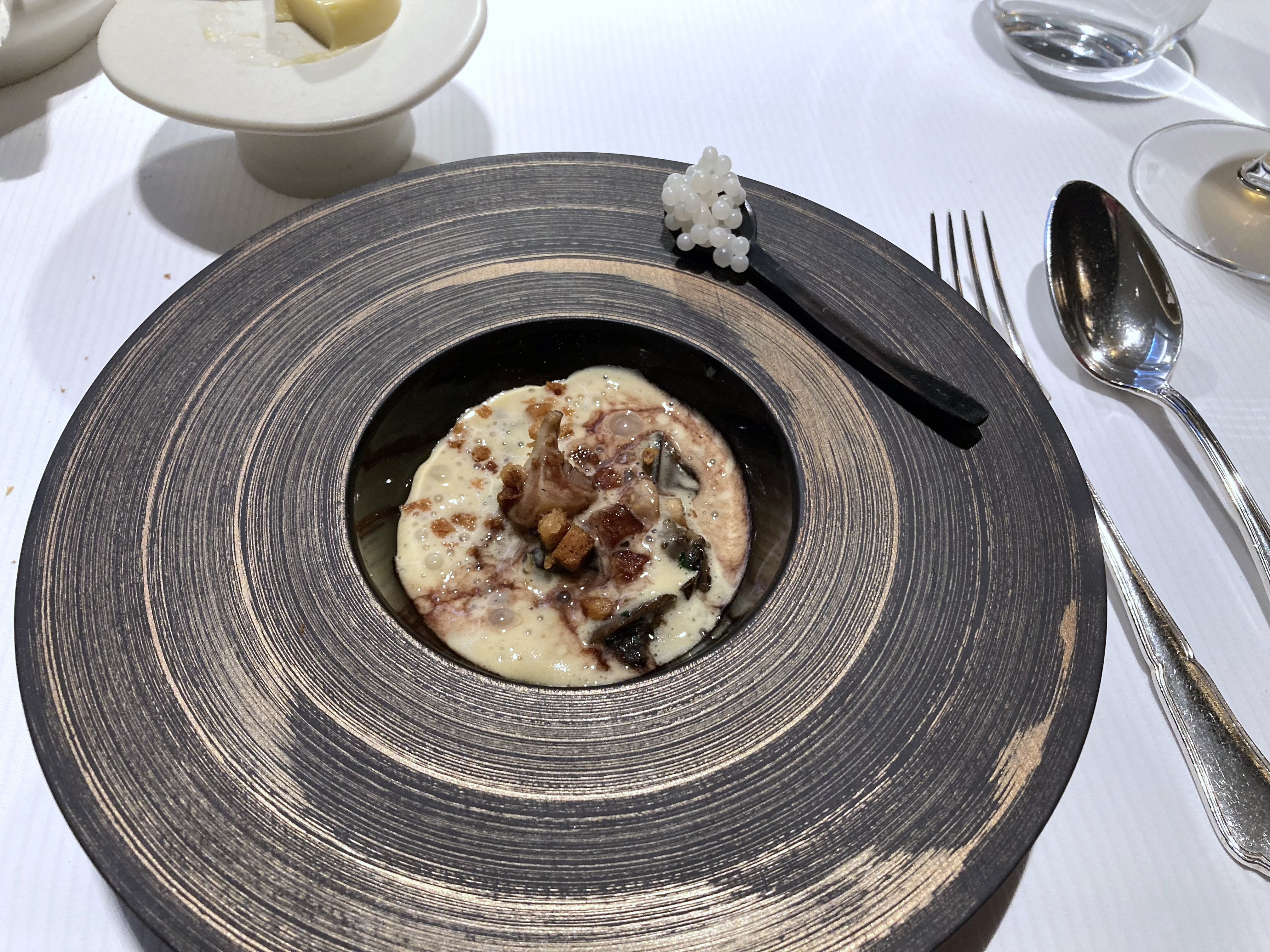
The absolute highlight of the meal is the starter of snails cooked with speck in a sabayon sauce with cheese — and snail caviar on the side. The flavours are perfectly balanced and the snail caviar an interesting addition. It is far less salty than the more usual fish caviar.

A close second is the pollock with spring vegetables and wild garlic mousse. It is the wild garlic mousse that really makes it. DonQui has some wild garlic in his garden and will attempt to do something similar next year (it being too late in the season by the time he gets home). He is advised by the knowledgeable waiter to pick the wild garlic before the flowers come out.

Being a bit of a cheese lover DonQui cannot resist sampling a selection of cheeses before moving on to desert. The star of the cheeses is the local Munster, kept under a glass dome — no doubt to prevent the pungent aroma from permeating the dining room.

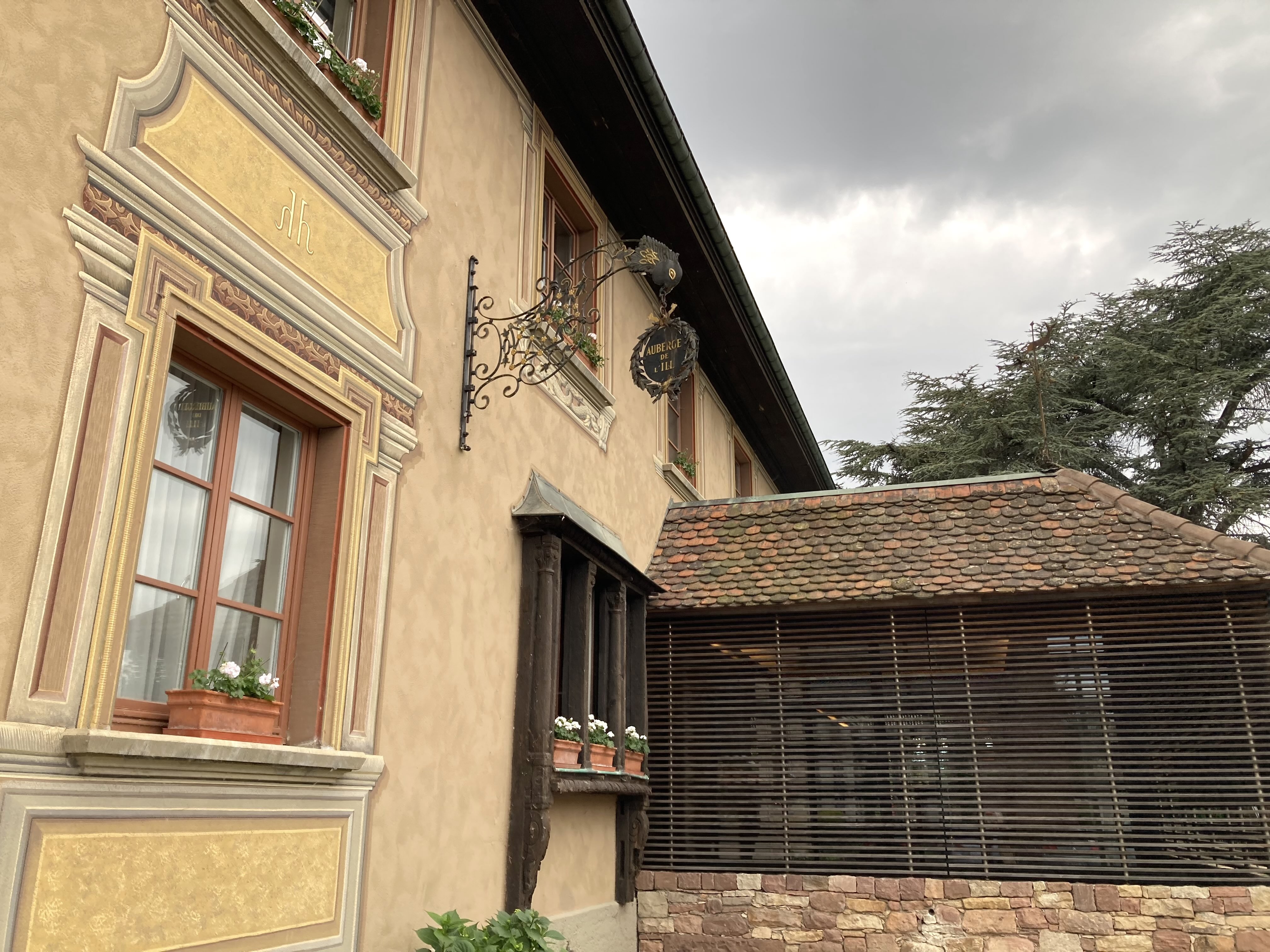
L’Auberge de l’Ill has more of a country feel which is appropriate given that it is out in the countryside far from urban development. This time DonQui orders à la carte.

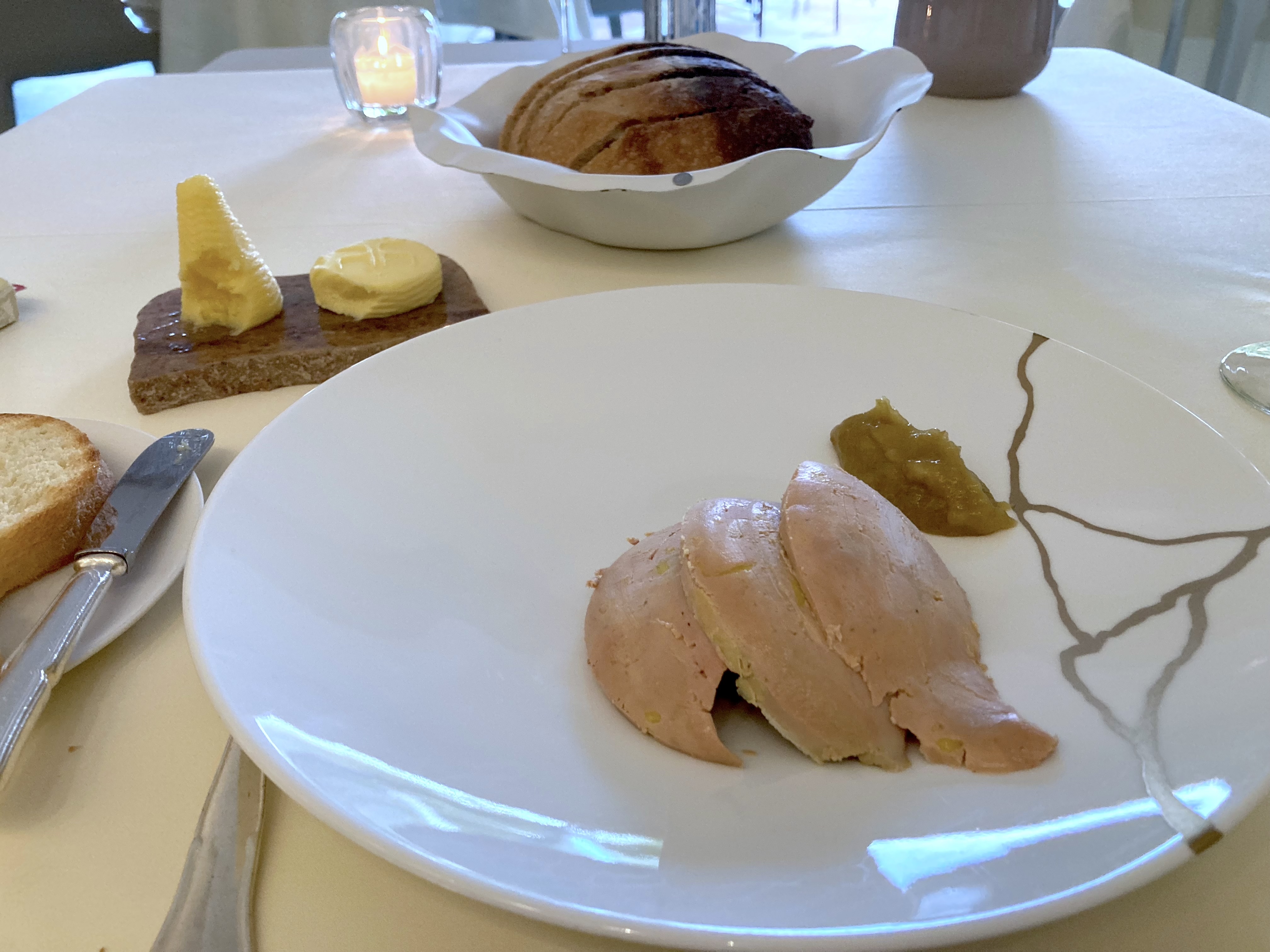
The homemade terrine de foie gras is absolutely delicious.

As is the filet de veau main course.

Then comes flambéed crepes filled with cream and sour cherries. If that is not calorific enough there is also a side of ice cream! DonQui washes this down with a fine calvados.

Both restaurants provide excellent classic dishes without fuss and without trying to be too clever or ‘chefy’. DonQui finds each dish executed to perfection by confident chefs who have no need to show off.

So if he could only choose one, which would it be? It is a difficult choice because the food at both is wonderful. If he had to make a choice, DonQui would probably go for Au Crocodile because of the ambiance and highly professional service. Incidentally the price of his meal at Au Crocodile was less than at L’Auberge de l’Ill.

Hong Kong — last stop before home

DonQui Oaty is in Hong Kong on the last leg of his around the world trip.

His ability to canter around Hong Kong with alacrity is hampered thanks to a sprained ankle incurred whilst exploring the monkey sanctuary in Ubud, Bali. He goes to the vet, slightly concerned that his condition might result in a swift merciful bullet to the head, as a donkey without the use of his hind legs is not really very much use at all. 

Fortunately the kindly Indonesian doctor pronounces that there is no fracture, bandages up DonQui’s ankle, gives him some anti-inflammatories, and then packs him off to Hong Kong.

DonQui is rather entranced by Hong Kong. He feels the sense of history of the place — it is hard not to when his hotel is on Salisbury Rd overlooking Victoria Harbour. At the same time the city’s vibrant modernity gives him the impression of a young city very much looking to the future. 

With Fortnum & Masons just around the corner, British three pronged plugs, double decker buses and English place names, much of Hong Kong feels very familiar.  With excellent public transport and traffic that obeys the rules, it is a city that functions well despite the high population density. There is none of the chaos of Bangkok or Denpasar (Bali).

Many places in Asia love their shopping malls and Hong Kong is no different. Now DonQui is no fan of malls but, hampered by his gammy leg, he cannot canter all over the city and the nearby K11 mall offers a number of excellent restaurants. Despite his mall phobia he has to admit that the interior design is pretty stunning.

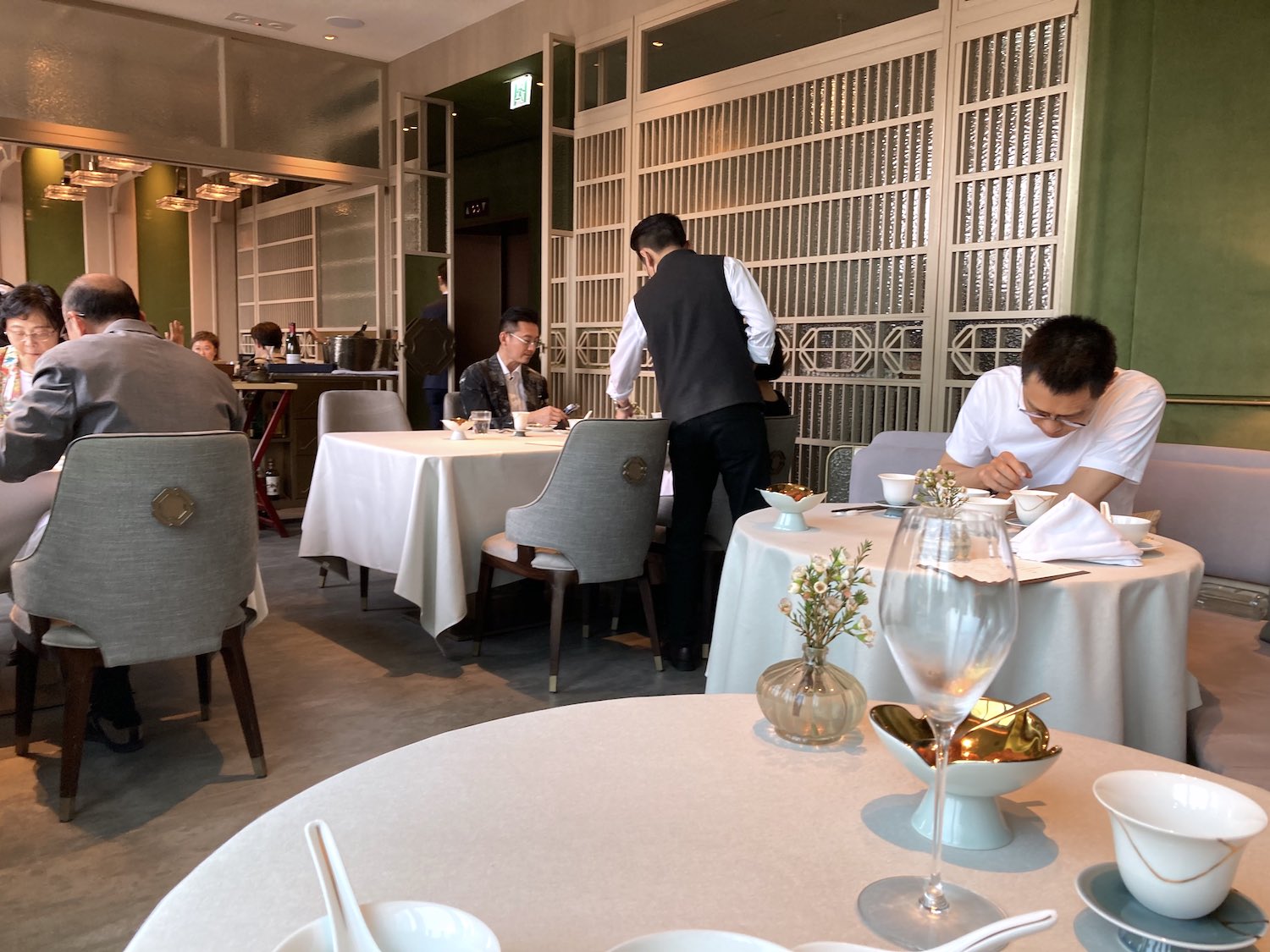
His bad ankle precludes him from wearing Louboutins any time soon, so he gives the local shoe shop a miss and goes off in search of the highly recommended Ye Shanghai restaurant on the 7th floor.

There he has a most excellent meal. The crab is the highlight of many very good courses.

Wanting to see more of the city but unable to walk far, DonQui books himself on a boat trip abroad the junk Aqua Luna.

This trip provides him with some wonderful views just as the sun is beginning to set.

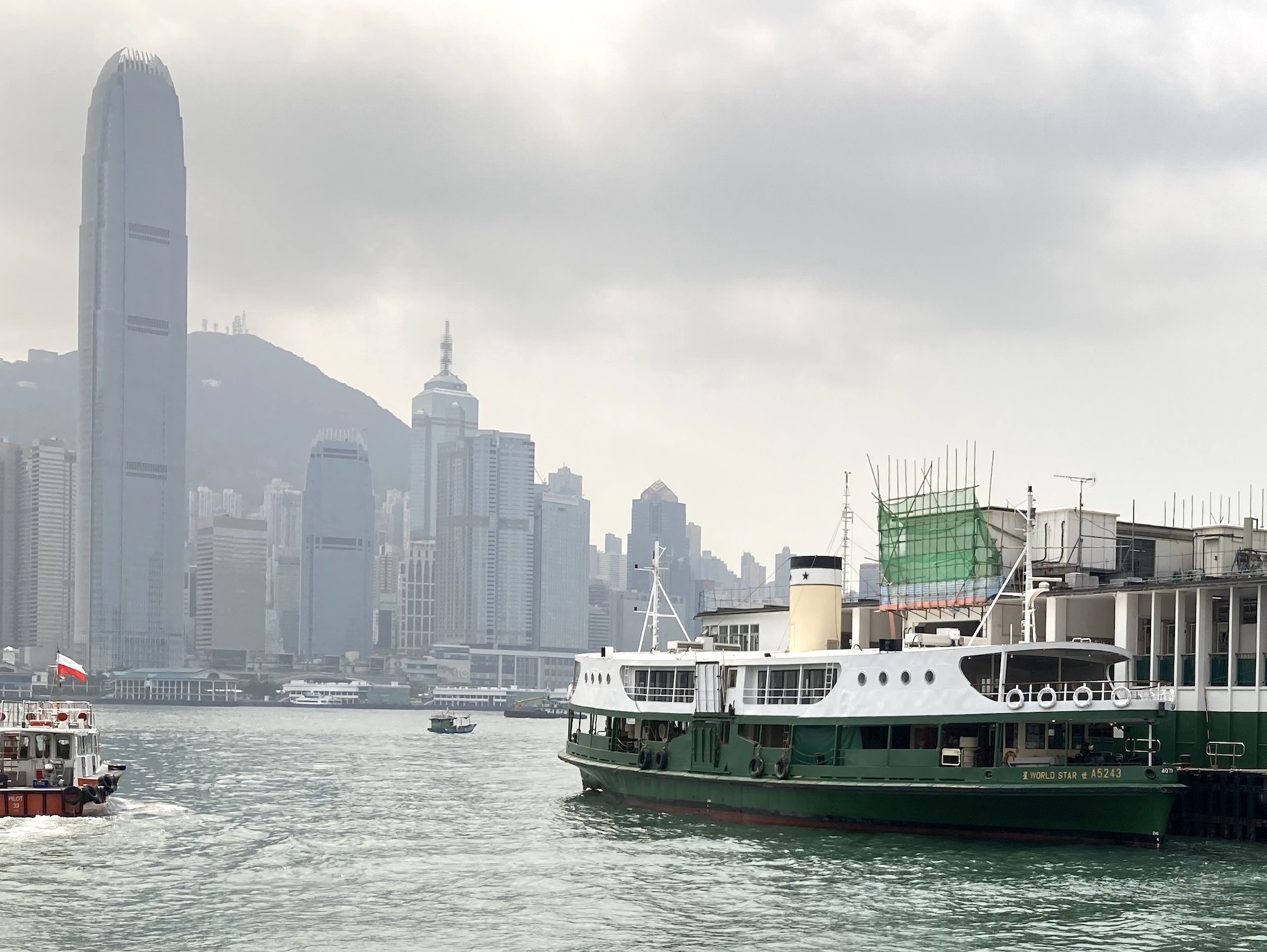
The following day he hops on the atmospheric Star Ferry to cross from Kowloon to Hong Kong Central (at a cost of just 20p!)

A bus tour around Hong Kong Island gives him a good overview of this part of Hong Kong even if he is not quite up to very much exploration on foot.

He does manage to hobble over to the Peak Tram — an incredibly steep funicular railway that takes him up Victoria Peak. It is unfortunately a bit cloudy but the view over Hong Kong is still quite spectacular. It is a shame that the viewing area at the top is marred with lots of tourist tat. 

The culinary highlight of DonQui’s stay in Hong Kong is lunch at Wing Restaurant on Wellington Road in Hong Kong Central. Time Out warns that it is one of the toughest tables in Hong Kong to book as it has such a high reputation and is very small. Wing is usually only open for dinner but on the day DonQui is looking to dine they open for lunch for the first time and so there is a place available for him.

The set menu of 12 dishes is exquisite, offering DonQui a wide range of ingredients and tastes he has never experienced before. These included (amongst others) lion head croaker (a local fish), Chinese almond soup, fish maw with abalone sauce and king crab with crispy cheung fun (rice noodle rolls).

The highlight is the baby pigeon smoked over sugar cane. And yes he did try the head.

Thoroughly satisfied DonQui is now ready to head home, completing his around the world adventure.

DonQui cooks Thai

DonQui Oaty is rather fond of Thai cuisine and he tastes some excellent dishes whilst in Bangkok — not least the set menu dinner at Chakrabongse Villas.

Wandering through the picturesque Tha Tien waterfront market, DonQui stumbles across the delightful Rongos restaurant. The name means House of Flavours and that is indeed what it is.

Here he samples morning glory (water spinach)— a favourite Thai vegetable — in this case in a tempura batter with tamarind and coconut dressing.

This is followed by fried rice with salted egg and grilled prawns. Both dishes are utterly delectable.

Michelin listed Rongos is very small and very popular — often booked up days in advance. DonQui is lucky to get a place on spec thanks to arriving when they open with enough time for him to have his meal and watch the sunset over the river before the booked diners arrive to take his table.

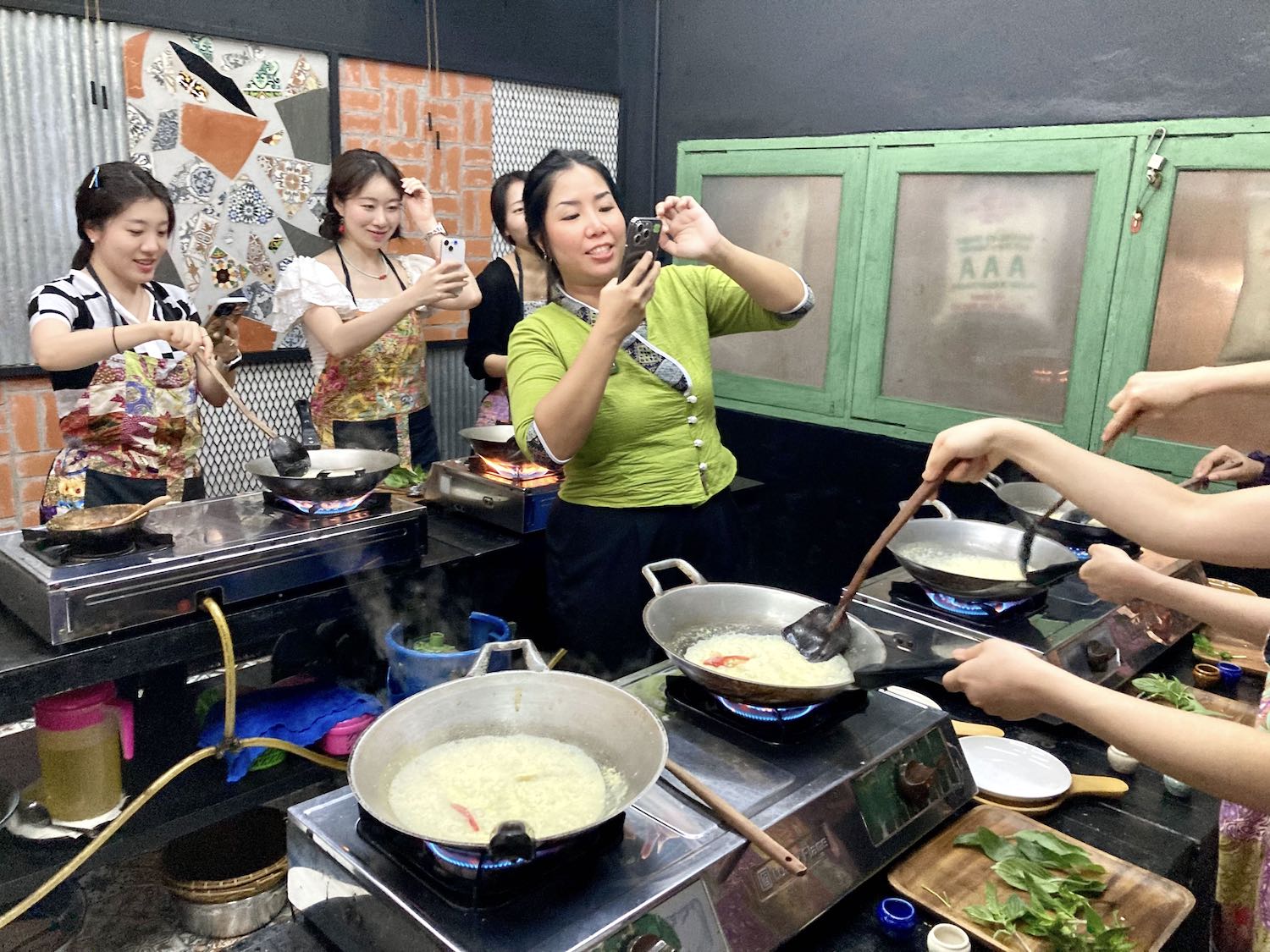
Keen to improve his own cookery skills, DonQui books himself in on a course at Silom Thai Cooking School. Here he learns all about the key ingredients of Thai cuisine. Not all of these will be easy to get back home, so he will have to think about substitutes or make an occasional trip to London’s Asian markets.
He is not entirely unhappy to find that he is the only westerner, only male, and only donkey on the course. 

DonQui learns how to make Tom Yum Goong — a sweet and sour soup with great depth of flavour. It is very quickly cooked up in a wok with coconut milk which he makes himself by hand-squeezing freshly grated coconut. 

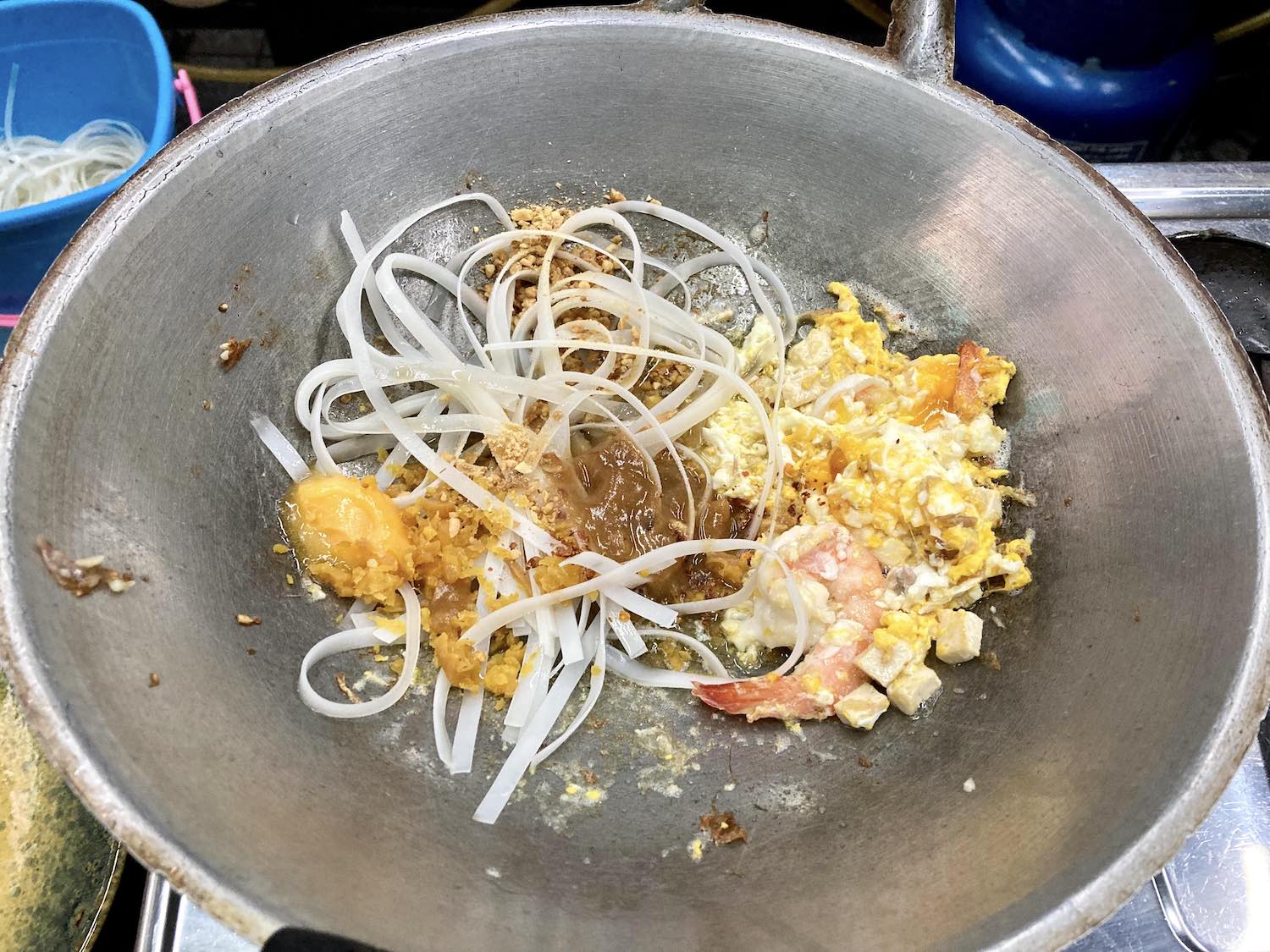
He also cooks up a pretty good Pad Thai, learning to vary the cutting of the hot bird’s eye chillies depending on how spicy he wants it. If he wants it fiery — cut the chillies and then crush them with the flat of the knife blade. For pretty hot — cut them fine, and for a milder version (but still with some heat) cut them into relatively large pieces.

And here is his completed dish.

His is quite proud of his green curry with chicken and round Thai eggplant. He makes the paste by hand with a mortar and pestle, the green colour base coming from a dozen long green spur chillies (crushed into the paste). Spur chillies are quite mild. A red curry is made using red spur chillies (also relatively mild). As a rule of thumb DonQui’s instructor says that larger chillies are milder than small ones.

The delectable mango sticky rice is mostly prepared by the staff although the various steps are clearly explained and demonstrated. DonQui will try this at home.

All of the recipes are pretty simple and very quick to cook — almost always in a wok on high heat. Armed with an illustrated recipe book DonQui can hone his skills when he gets home.

Grazing around Bali

Continuing his search for good Balinese food, DonQui heads to the Denpasar night market.

The delightfully enthusiastic Micheal Sega is DonQui’s guide for the evening. He takes DonQui to the best food stalls, explains the different foods as well as giving insight into Balinese culture, beliefs and legends.

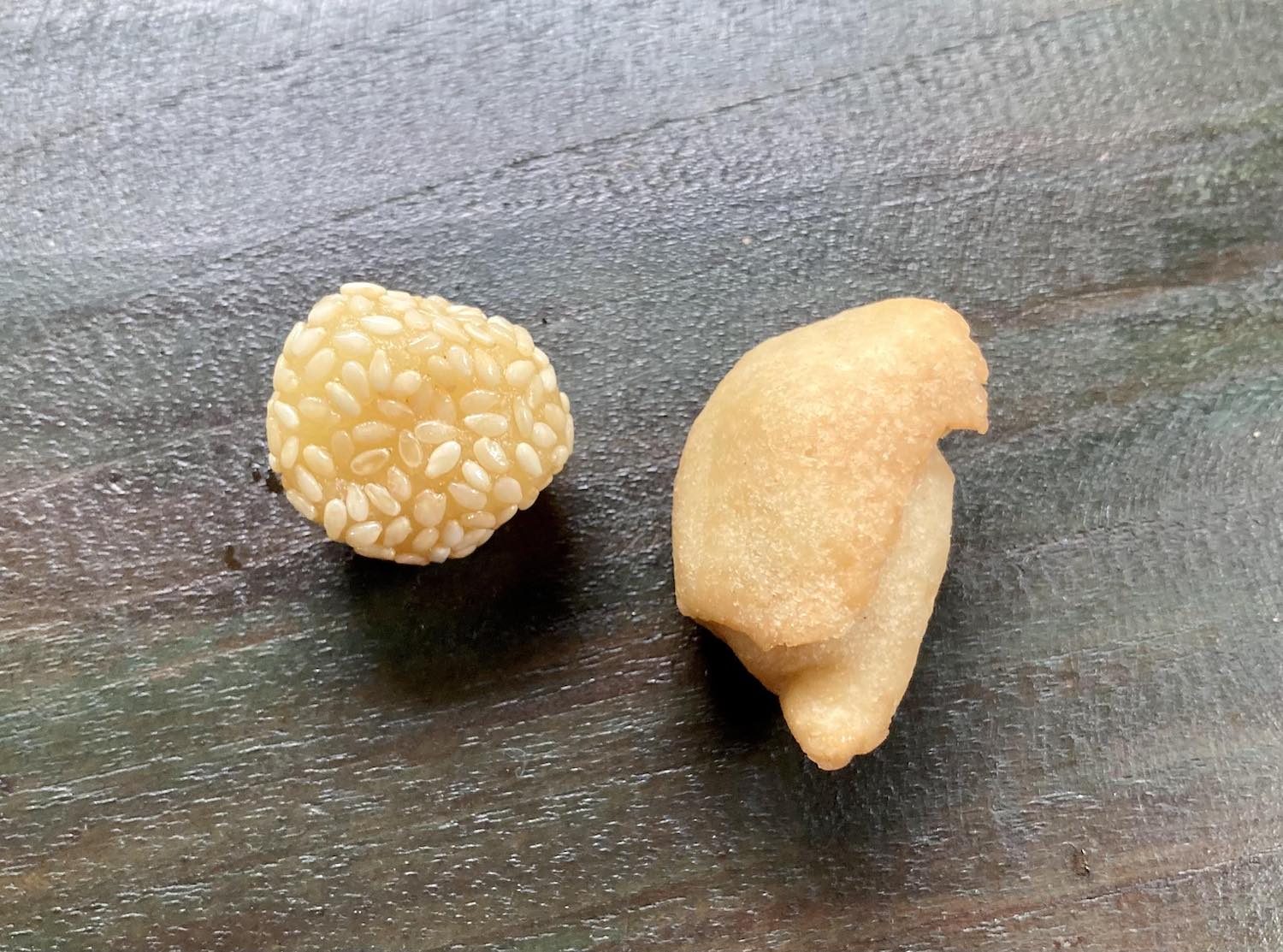
The onde and pisang snacks are very moreish. 

Pisang (right) are bits of banana (sometimes also with chocolate) wrapped in a light batter and deep fried while the onde sesame coated balls (left) are filled with mung bean paste. Both are very good but DonQui adores the latter. They also keep well until the next day.

The highlight of DonQui’s taste journey is soto ayam. DonQui’s guide assures him that the soto ayam at this stall is the best one can find anywhere. In many other places he says that it can be lacklustre as they do not know how to cook it properly.

Soto ayam is a hearty chicken soup flavoured with turmeric and coriander and including hard boiled egg, cabbage, glass noodles and potato. It is eaten by scooping out some of the solid ingredients onto the accompanying rice, rather than adding the rice to the soup which would change the taste and constituency. A chilli sambal adds a bit of spice to the rice, meat, egg and veg combination. A spoonful of crushed crackers adds body to the soup.

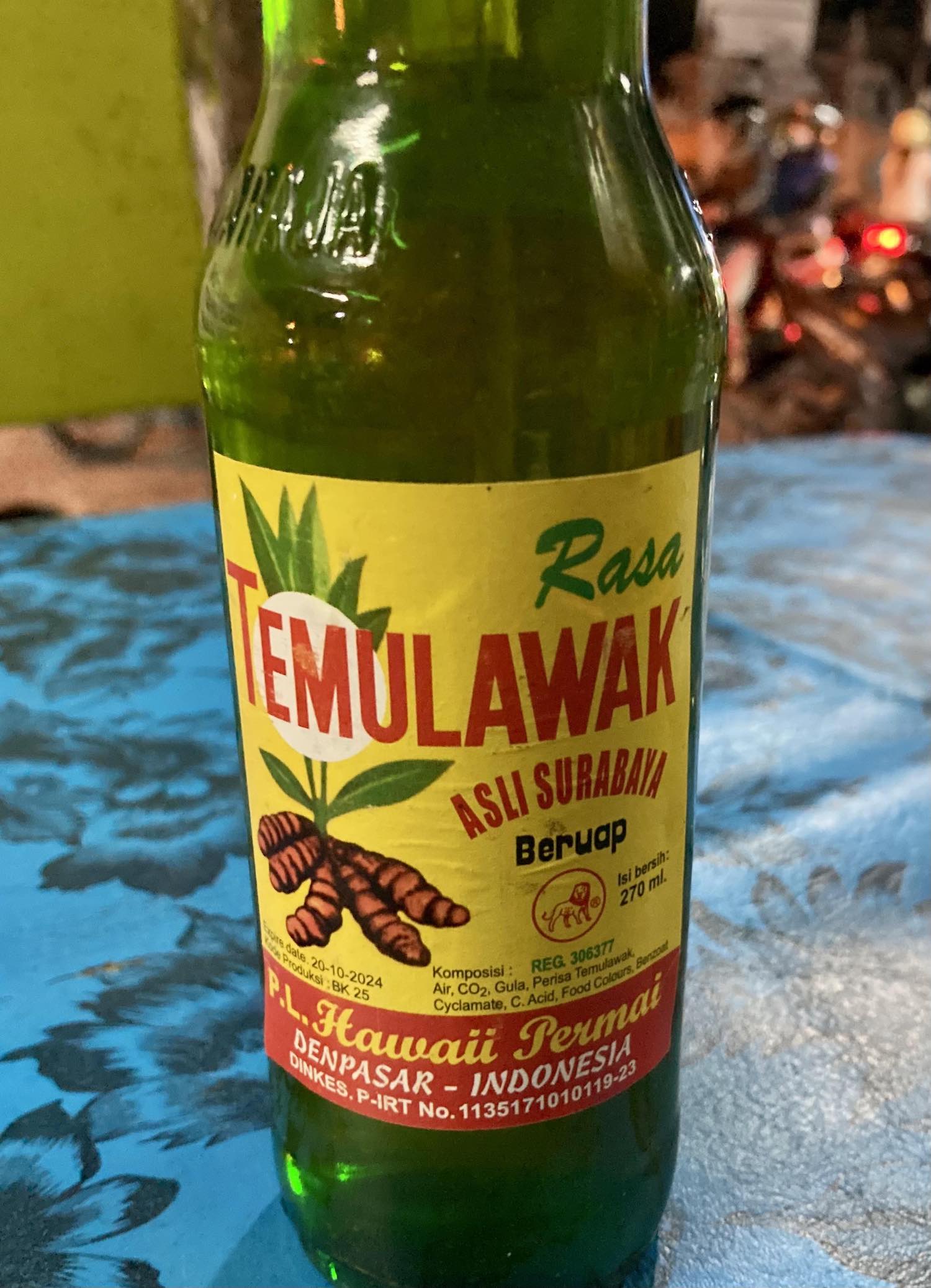
It is washed down with a deliciously refreshing bottle of temulawak — a non-fizzy soft drink made with turmeric.

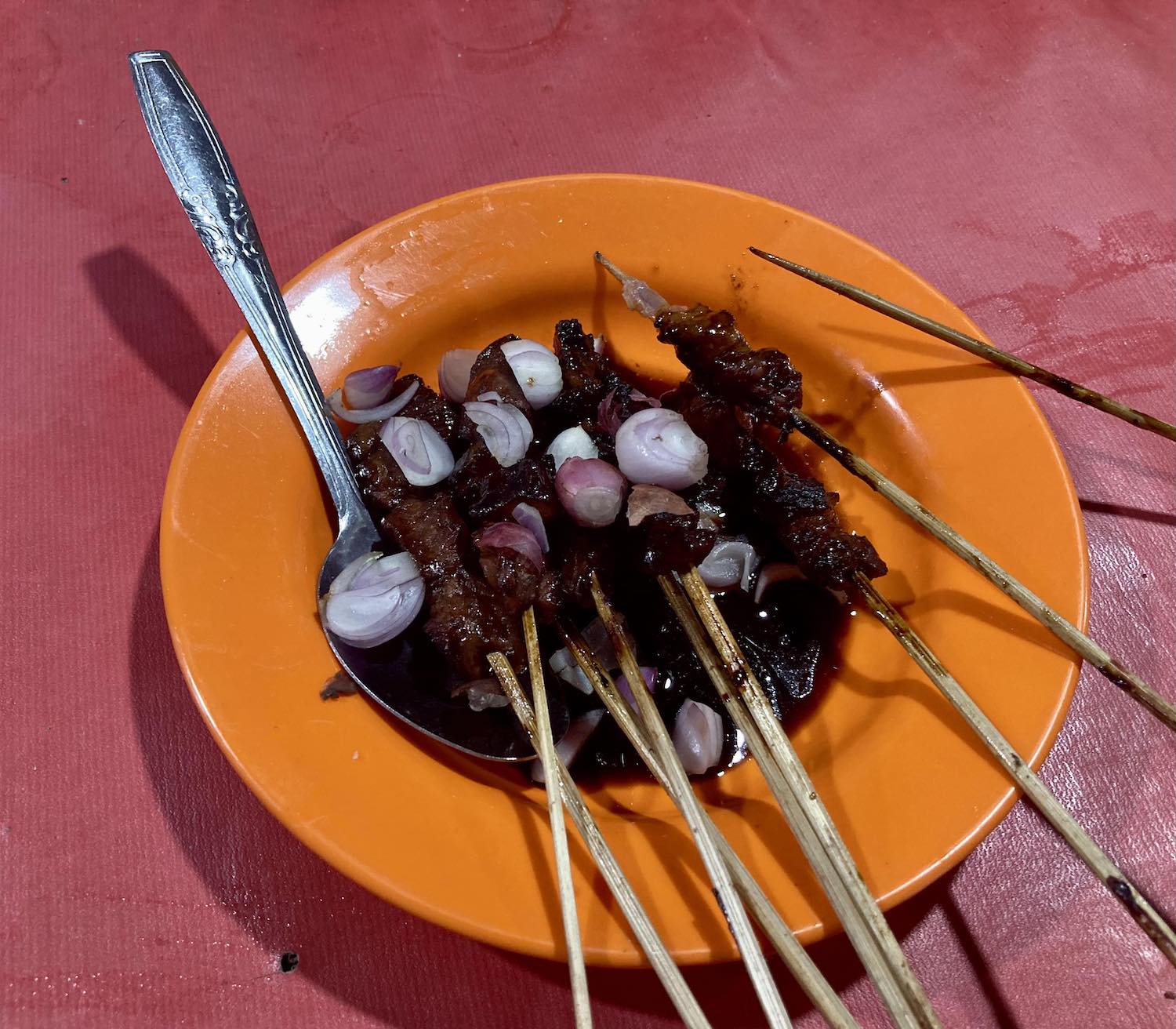
Another of DonQui’s favourites is tender goat satay, freshly grilled over hot coals and served doused with kecap manis (sweet soy).

The babi guling (various parts of a spit-roasted suckling pig) at the night market is a bit of a disappointment. It is lukewarm and bits of it are quite chewy rather than crispy.

He had a far better one at Babi Guling Men Lari on his lunch stop coming back from Tanah Lot (see Canggu Explorations).

There are so many other delectable treats that DonQui begins to loose count of them as his capacity for more food is stretched to bursting. 

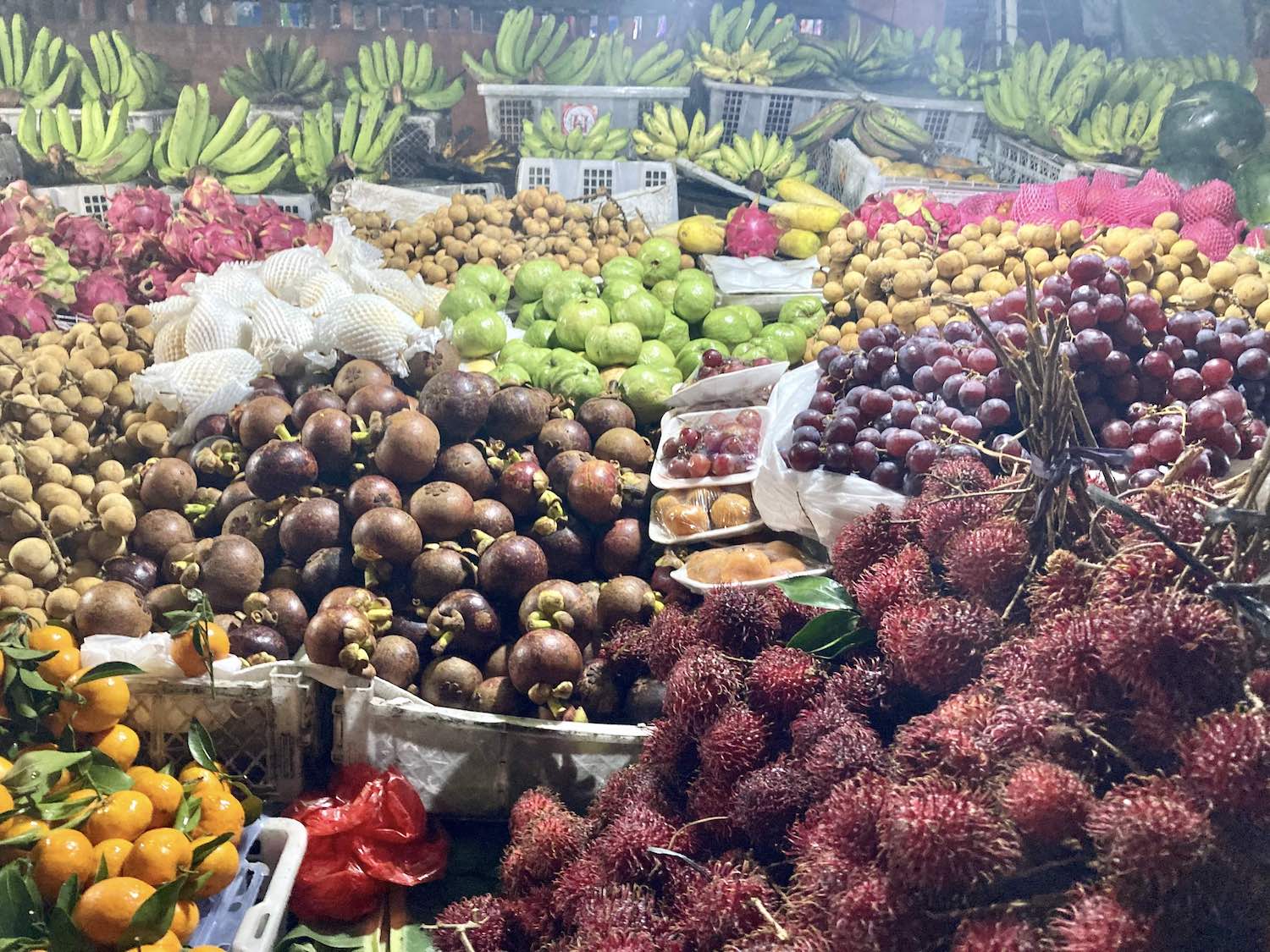
The choice of exotic fruits to finish off with are simply astounding. He is slightly relieved to hear that the rank-smelling durian fruit is out of season as pride and curiosity would have made him try it. 

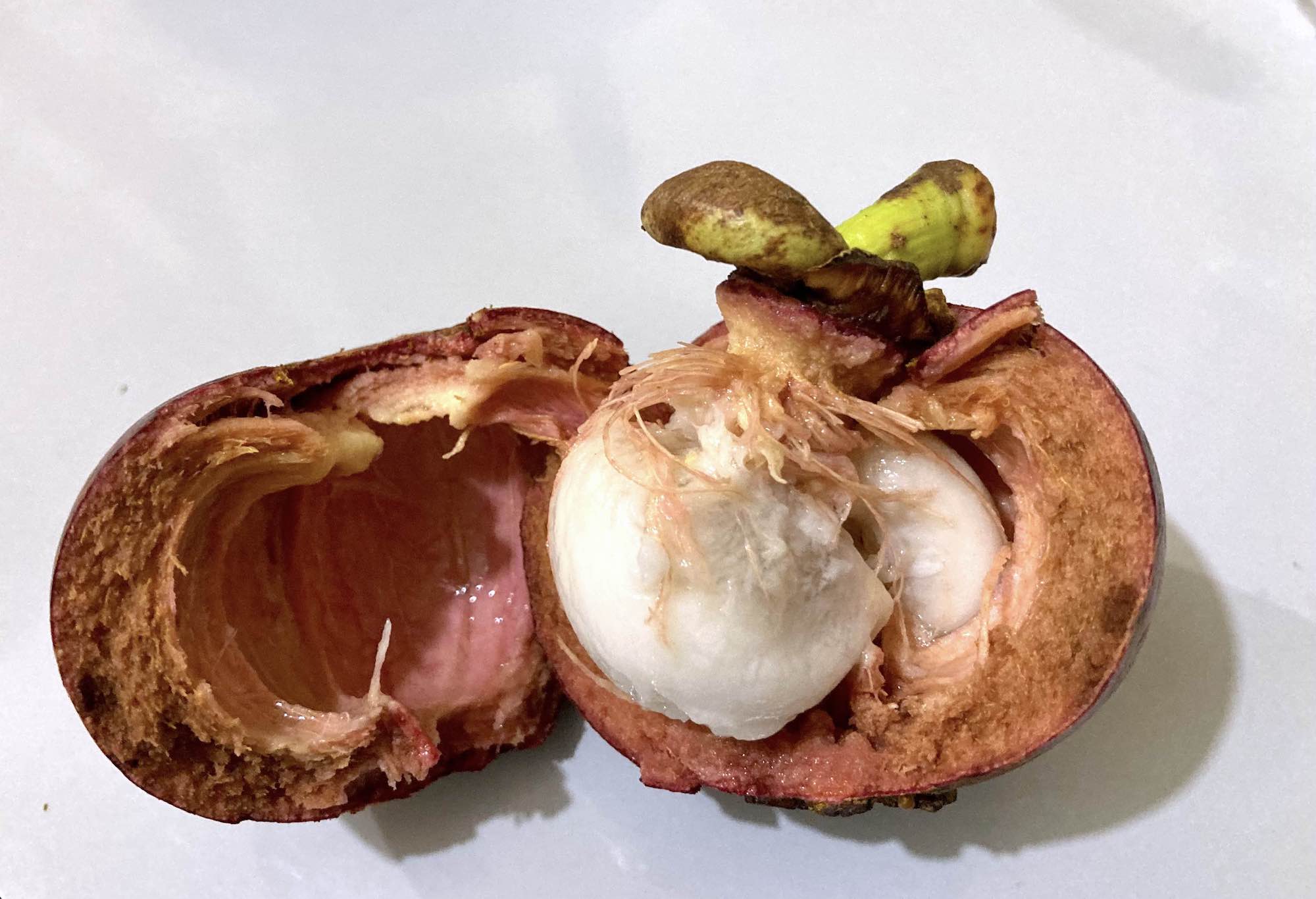
Instead he opts for a delicious (and apparently very healthy) mangosteen which he enjoys very much, taking a bag back with him to his abode.

At other times during his stay on Bali ,DonQui is able to try a variety of other dishes. Of course at some point he has a nasi goreng (fried rice) which is a bit of a staple and not unknown to him.

Beef rendang is a favourite which he has also had before — deliciously slow cooked in coconut milk, turmeric, lemon grass and ginger.

DonQui is quite surprised that, although living on an island, the Balinese do not seem to eat much fish. Eventually he comes across gulan ikan. This is a curry, made with barramundi fish and tomatoes. DonQui has never heard of barramundi before but it is apparently quite common in S.E. Asia. The flesh is flaky, a bit like cod, but the taste is milder — more like sea bass. This means that it takes the spicy coconut curry sauce very well.

Canggu Explorations

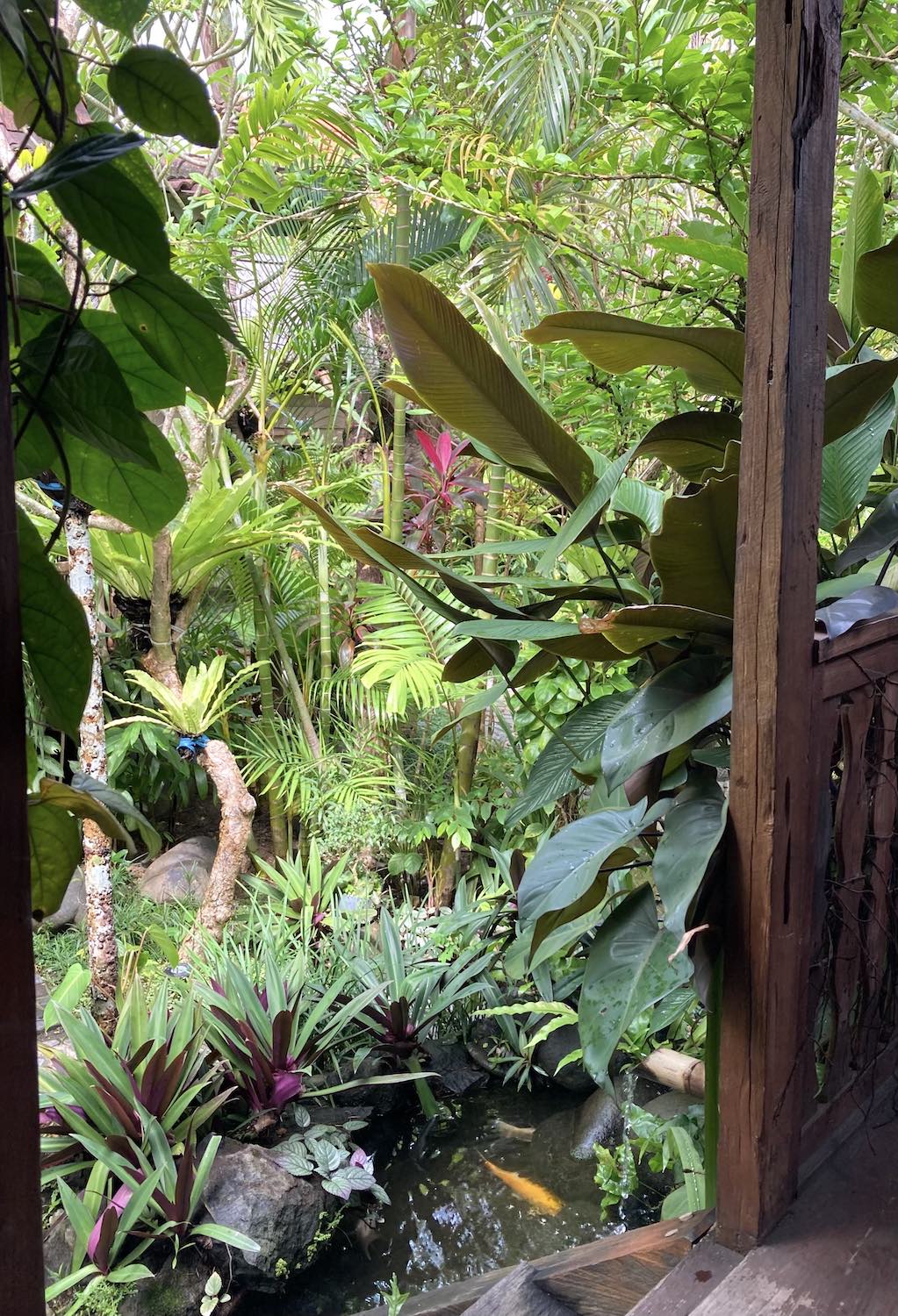
DonQui’s fabulous yet inexpensive lodgings are an oasis of greenery and calm in the buzzy backpacker/surfer/hipster enclave of Canggu, Bali.

Next door is the highly rated Crate Café which does have very good coffee. However the weird combinations of food on offer seem designed to be instagram-able, and to please the taste buds of homesick Australians rather than a travelling donkey. There is nothing local on the menu and all the customers are white — apart from DonQui who is slightly greyish.

Scratching his head, DonQui wonders why people travel so far just to have the same stuff they would have at home, Then he trots off in search of something vaguely Balinese to eat. This is harder than he would have thought. Amongst the tattoo parlours using 100% vegan ink and barber shops offering beard trims, there are plenty of restaurants. On offer are vegan ‘whole foods’, Keto-friendly options, poke bowls, protein smoothies, ramen, tacos, sushi, and avocado on everything. In short nothing that appeals to DonQui’s taste buds.
Finally DonQui stumbles upon Pali — an actual Balinese restaurant in an airy setting overlooking a rice paddy, and not a stray hipster in sight. DonQui samples the utterly delicious Nasi Campur Rendang. The spicy chicken satay skewered on a lemongrass stalk is a particular treat, as is the Urap (cold steamed vegetables with spiced grated coconut).

Feeling thoroughly refreshed, DonQui walks down to nearby Echo Beach and then along the black sands towards Pererenan.

Passing a family at their devotions, DonQui enjoys the underdevelopment of the beaches here and wonders how much longer they will remain so.

The beach at Pererenan is dominated by the amazing Gajah Mina statue which depicts Lord Baruna, ruler of the sea, riding a fantastic mythical creature.

Deciding that he wishes to explore further afield, DonQui realises that he needs to join Bali’s scooter madness, since hiring a scooter is really the only way to get around.

Before allowing himself to create mayhem on the streets he books himself in for a session with the excellent Mamo from Canguu Scooter Lessons. Soon DonQui is feeling confident enough to be let loose on the road.
A half an hour ride takes him to Tanah Lot temple which is spectacularly set on rocks above the Indian Ocean.

There are some pretty stunning views…

… and a parlous crossing at high tide.

Before leaving the temple, DonQui decides to stop for a famous Luwak Coffee. This is made from coffee beans which have eaten by luwaks (civets), partially digested and then evacuated before being gathered up for processing. Due to its unusual and limited production method this highly prized coffee is amongst the most expensive in the world. DonQui thinks it is a most excellent brew and he is getting a bargain at Rp 50k (around £2.70) a cup. 

The café owner even has a luwak (related to a mongoose) resting on the bar after its digestive exertions! 

The mobility of the scooter allows DonQui to reach further away beaches and find more authentic Balinese restaurants beyond the hipster ghetto. Of the latter, the unobtrusive Home by Chef Wayan is particularly good. He also enjoys Babi Gulung (Balinese suckling pig) from a roadside stop.

And no, he does not try his hand at surfing.

Grazing in the Galapagos

There are plenty of good watering holes and eateries in Puerto Ayora, Santa Cruz, where DonQui has based himself on the Galapagos. The food is good (especially seafood) but prices are very high. This is unsurprising given that almost everything, including water, has to be imported. Fish, coconut, bananas, plantain, and some chicken is local but vegetables are in very short supply. 

Quite a few places brew their own craft beer and it is rather good, although it costs around $10 a pint (Ecuador uses the US dollar).

One of DonQui’s favourite watering holes is The Rock brew-pub. It has some excellent beers and the food is also very good. In the evening local musicians play outside.

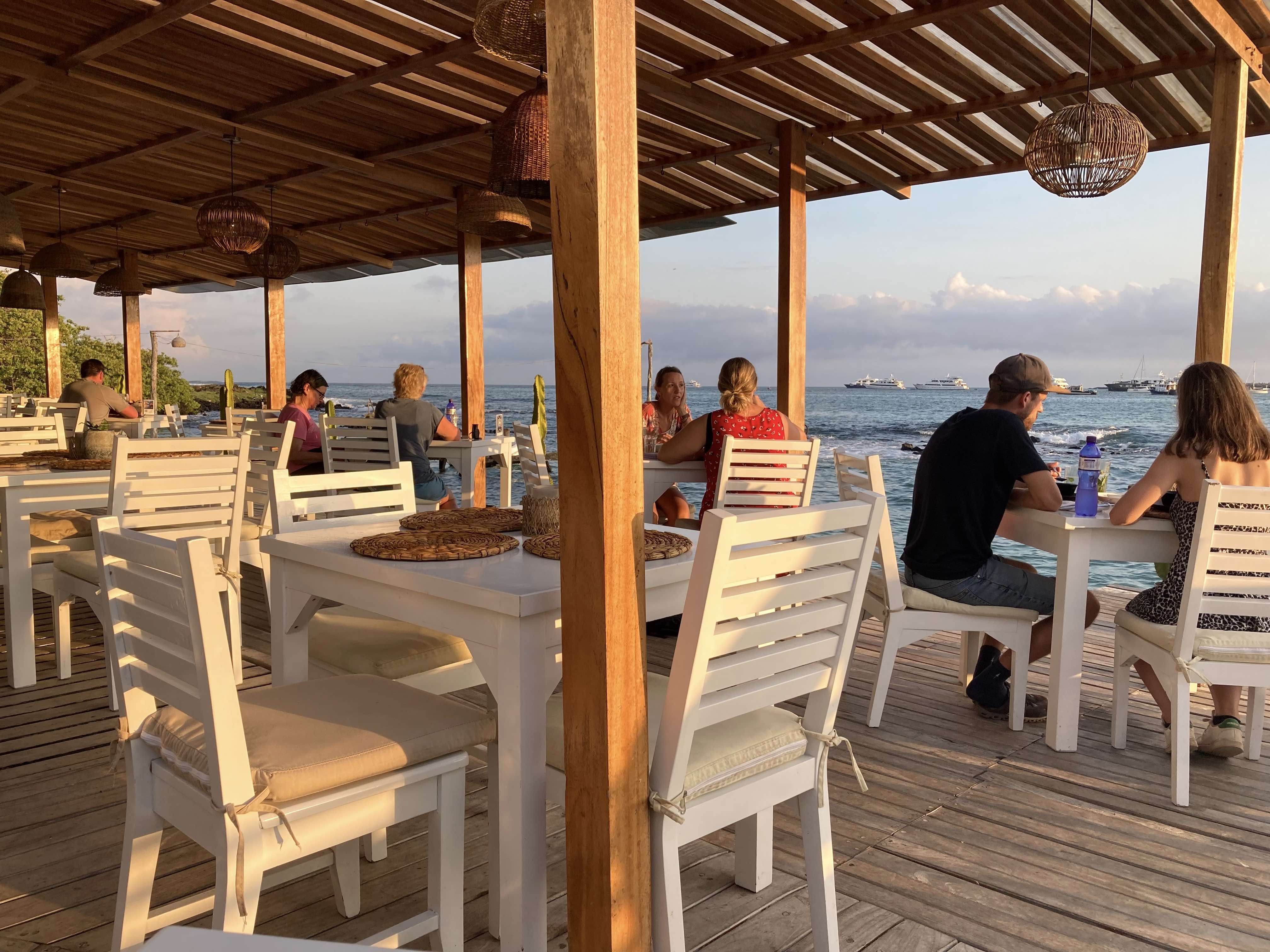
Restaurante Almar is a great place for a sundowner and it has excellent seafood. 

On his last day on Santa Cruz island DonQui takes a water taxi across the harbour.

There he treats himself to a bit of luxury at the Finch Bay Hotel. The bay is home to many species of Darwin finches — the birds famous for inspiring Charles Darwin’s On the Origin of Species.

For supper DonQui opts for the tasting menu with paired wines. Although expensive it is not unduly so by Galapagos standards.  Although DonQui associates lemongrass with Thai food, it is grown in Ecuador and often used in many Ecuadorian dishes. The coconut shrimp and lemongrass soup is an absolute delight.

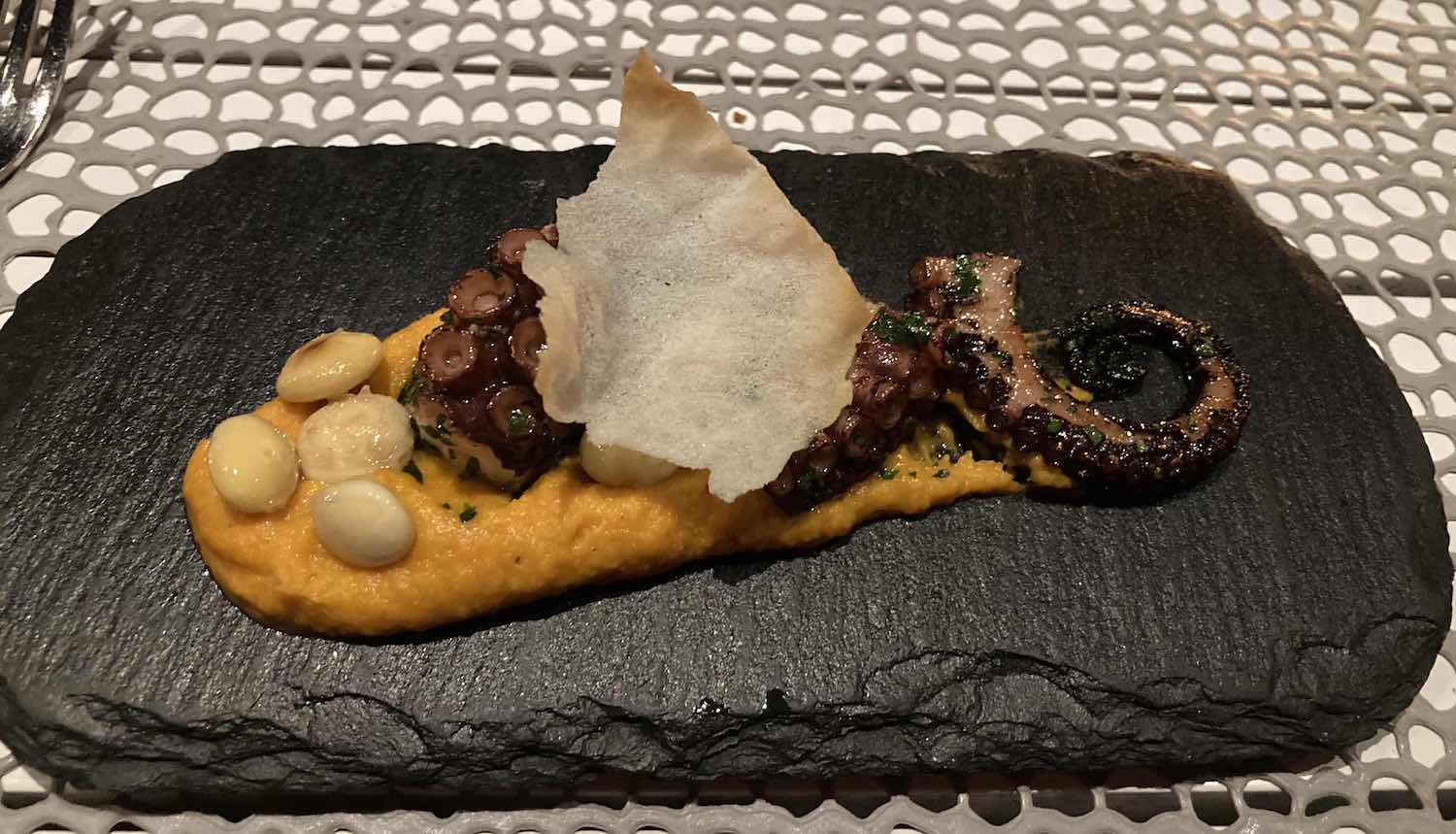
Each dish is superb, especially the fish and seafood.

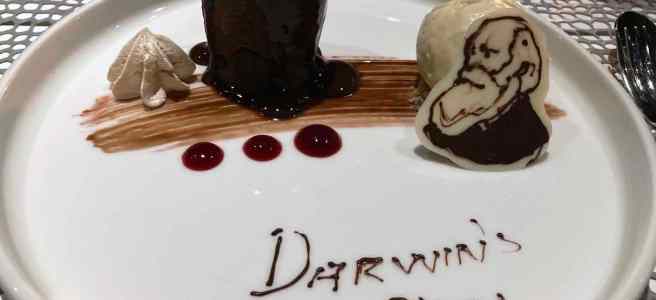
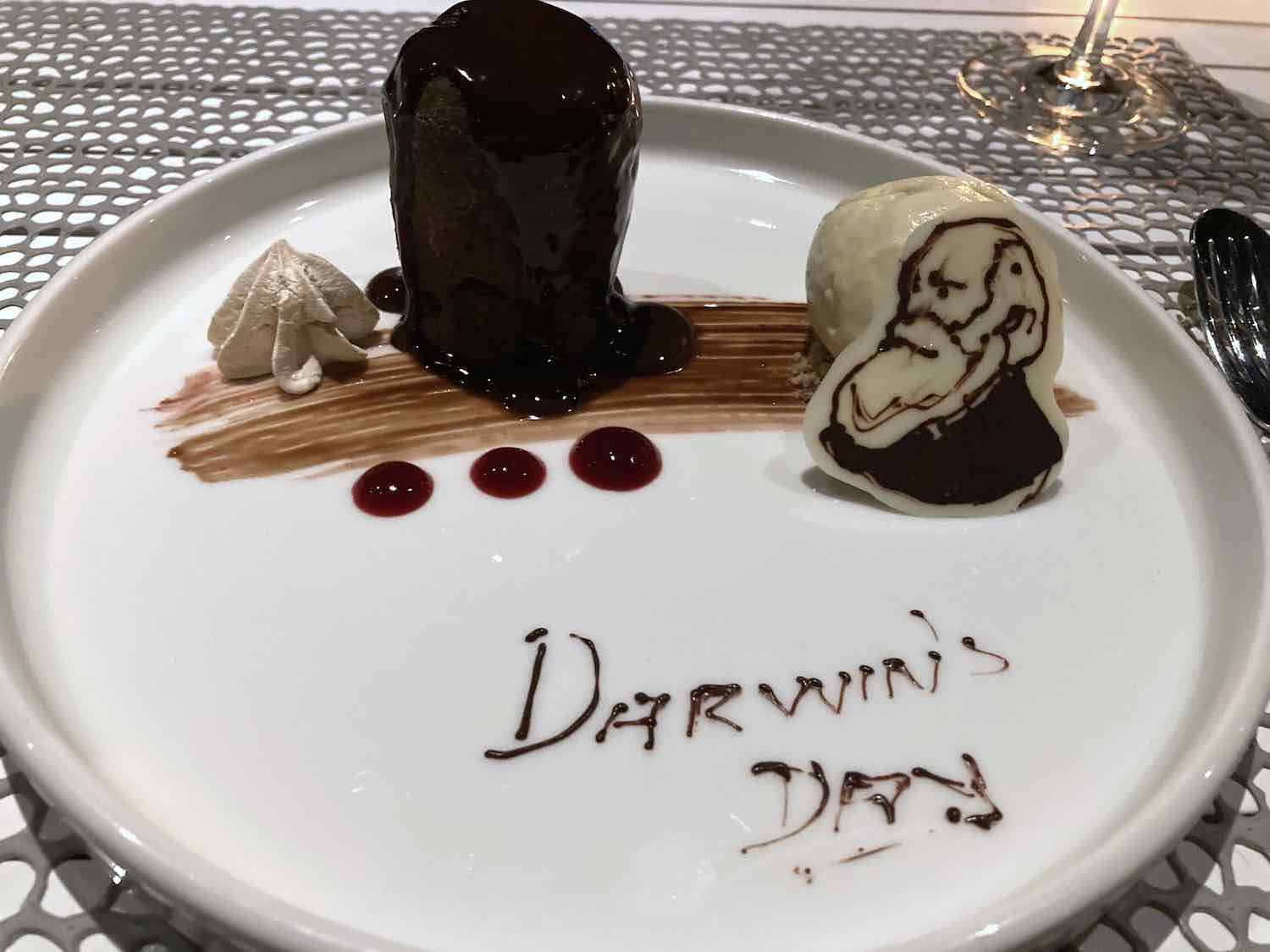
To finish is a delightful (and most appropriate) chocolate lava cake celebrating Charles’ Darwin’s birthday (12 February).

Now DonQui is at the airport on Baltra island for a flight back to the mainland. There is a pleasant VIP lounge which DonQui can access thanks to the ‘Dragon Pass’ which comes with his bank account. Apparently real dragons have free access to come and go as they please!