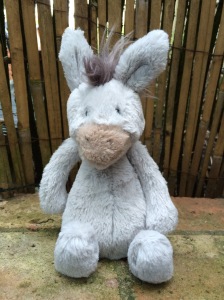
Sea, Sun and Saints

DonQui has timed his arrival on the Med at the end of May to hopefully coincide with the sort of weather conducive to lazing around on a beach but without it being overrun with other sun seekers.
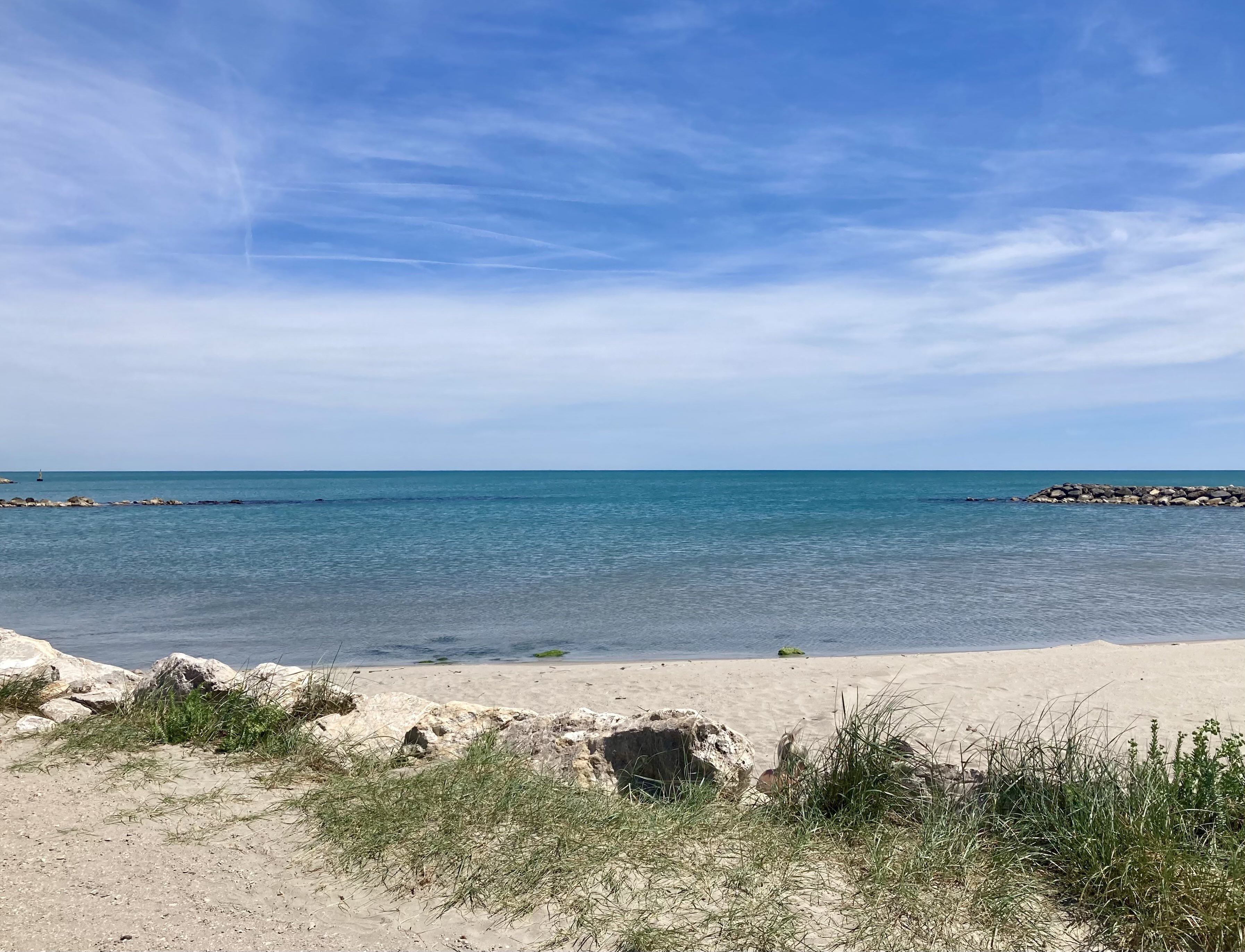
His destination is Les-Saintes-Maries-de-la-Mer with its 36kms of sand beaches at the mouth of the Rhône. It is only about a ½ hour drive from Arles.

It is a fairly laid back place and nothing like as expensive or as up itself as the Côte d’Azur further east. 

Les-Saintes-Maries-de-la-Mer gets its name from the three saintly Marys (Magdalene, Clopas and Salome) who were present at Jesus’ crucifixion. In AD 46 the three Marys escaped Roman persecution in Palestine by boat, coming ashore at the village of Ra which is today (you guessed it) Saintes-Maries-de-la-Mer.  Fortunately for them there were no patrols attempting to stop small boats carrying unwanted asylum seekers.

The ‘discovery’ of the relics of Mary Clopas and Mary Salome in the 15th century ‘verified’ the story and kicked off a lucrative pilgrimage which still continues today. The fate of Mary Magdalene is shrouded in legend and remains a favourite theme for thriller writers and holy grail hunters.  

DonQui admires the impressive 9th century fortified church which houses the relics of two of the saintly Marys. 

This is a serious fortification, complete with a well to sustain the 9th-10th century inhabitants when they sought sanctuary from Viking or Saracen raiders.
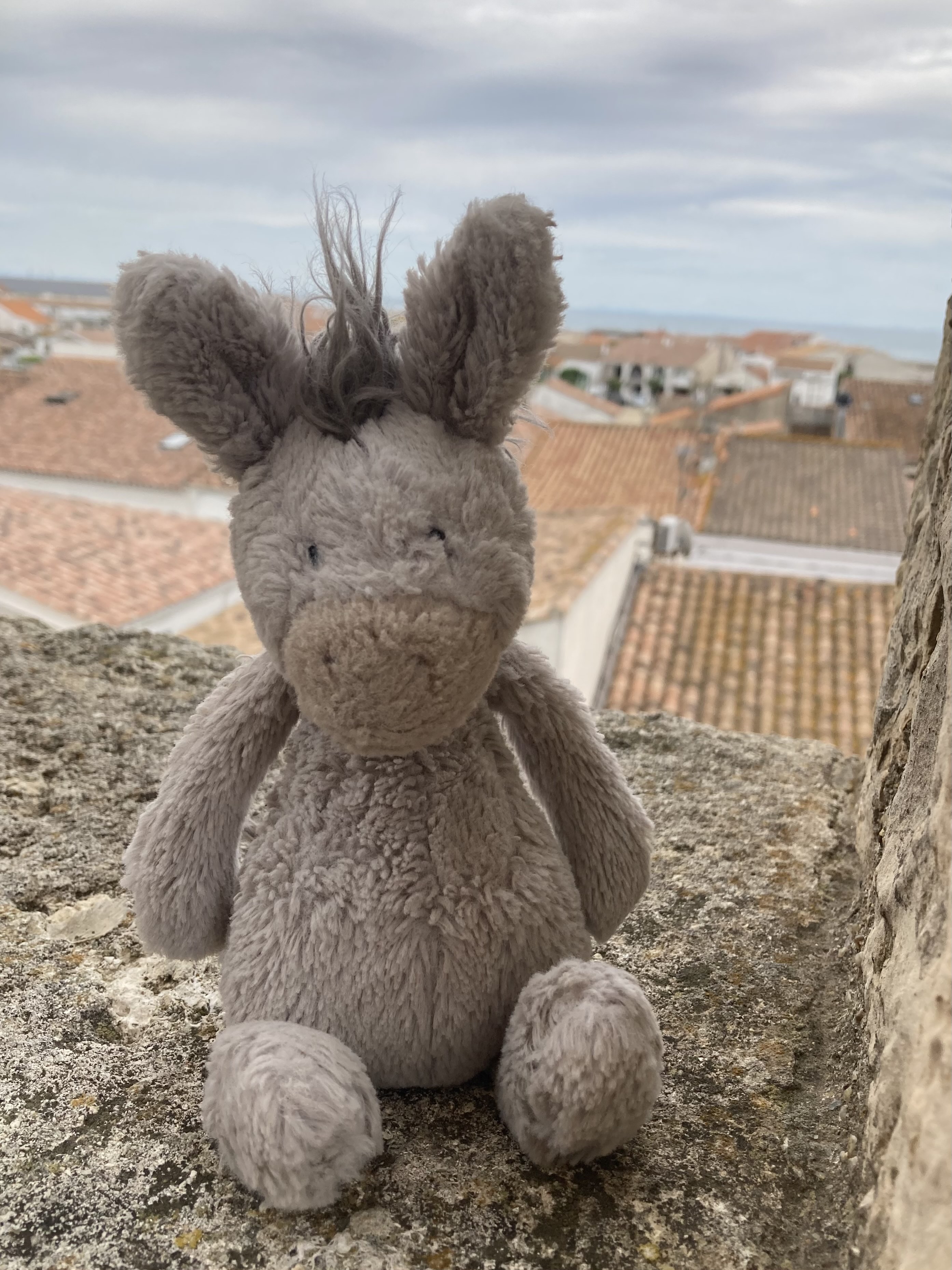
The view from the battlements provides good early warning of any malicious sea raiders. Perhaps DonQui is not the most alert of look-outs but then he has reliable intelligence that no Viking raiders are expected any time soon. 

With forecasts of windy days ahead, DonQui decides to embark now on a boat tour along the coast and up the Petit Rhône into the heart of the more than 340,000 acres of marshland that constitutes the Camargue. 

Along the way he sees a wide variety of birdlife including a couple of flamingoes flying overhead. Then (no doubt carefully timed with his boat’s progress) a gardian (Camargue cowboy if you like) rides up to the shore herding some of the animals in his charge. 

The Camargue is famous for its free-ranging black bulls and white horses. The former are bred for non-fatal bull fighting but also end up the dining table. DonQui can attest to the deliciousness of their meat. 

The horses are primarily work horses but, unlike their Veronese cousins, do not end on the dining table. The colts are born dark and only acquire the famous white coat when they get older.

After the boat trip DonQui spends a lazy few days at Saintes-Maries-de-la-Mer. With day time temperatures pleasantly in the mid 20s and few other tourists to spoil his view, he very much enjoys his time by the beach.  The water is a little on the cold side still — not North Sea cold — but cool enough for DonQui to limit his bathing to simply getting his hooves wet.
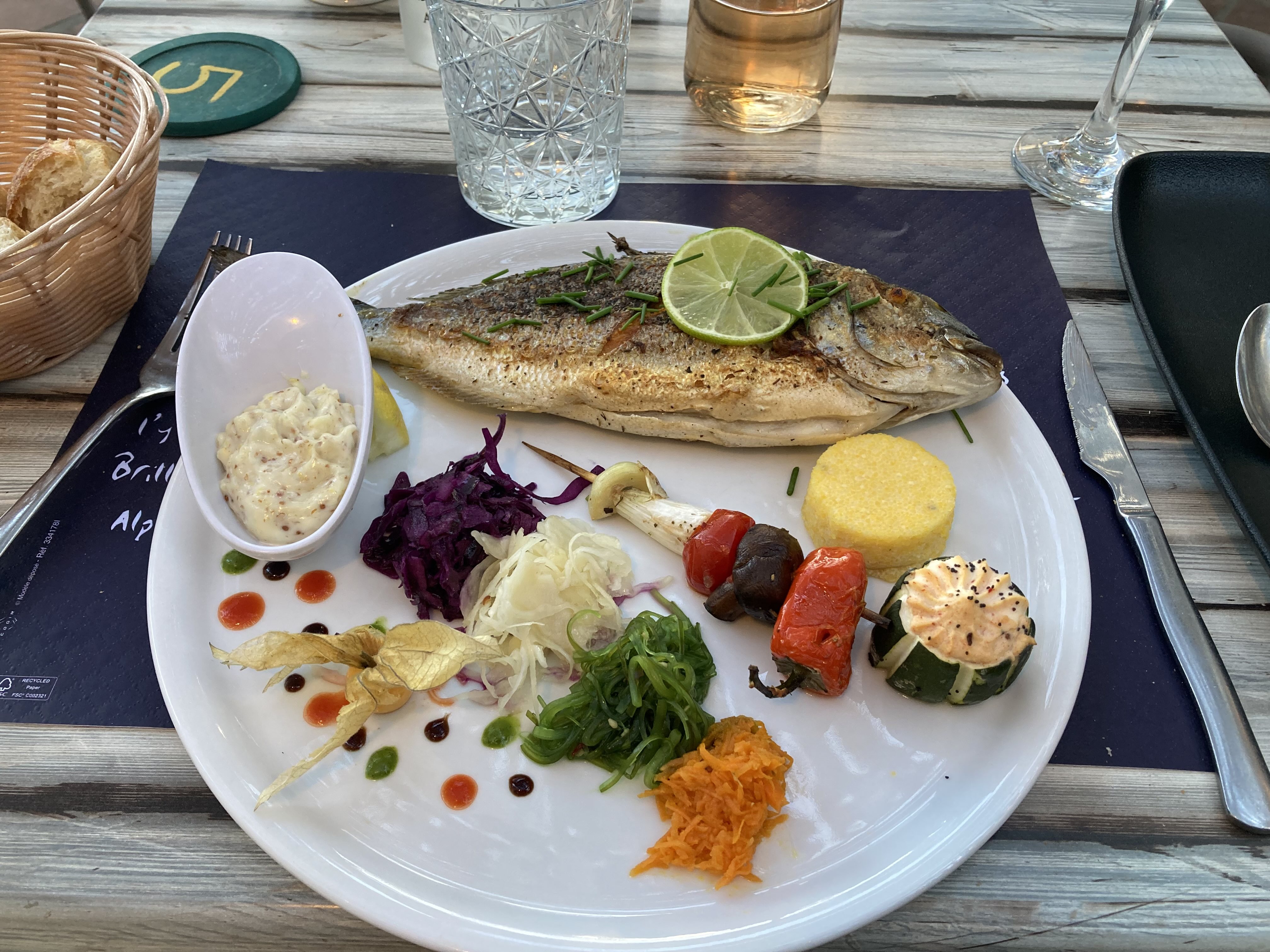
Having previously tasted Camargue bull (gardiane de taureau) in Arles , he feasts on local seafood whilst at the coast. 

DonQui’s favourite dish by far consists of tellines cooked in a creamy garlic and parsley sauce. These are tiny clams (apparently wedge clams in English) raked up from the first 10 cm of sand at the water’s edge. A speciality of this region of Provence, they are not easily available elsewhere due to the labour-intensive harvesting. He likes them so much that he samples them at several restaurants on succeeding days.

He is also quite taken with poutargue. This is the same dried, cured fish roe he had in a pasta in Genoa where it is called bottarga. At the excellent Restaurant Les Launes the friendly waitress explains to DonQui that here it is eaten as a starter on thin slices of bread with butter and a squeeze of lemon. The taste is not dissimilar to a strong hard cheese with only a hint of fish. DonQui is very glad he got the opportunity to sample it.

Romans and Juliet

Famous around the world as the setting for Shakespeare’s Romeo and Juliet, Verona is a wonderful place to spend a couple of days. Once you get through the ghastly industrial and commercial sprawl that blights the surroundings of most Italian cities — it is really stunningly beautiful.

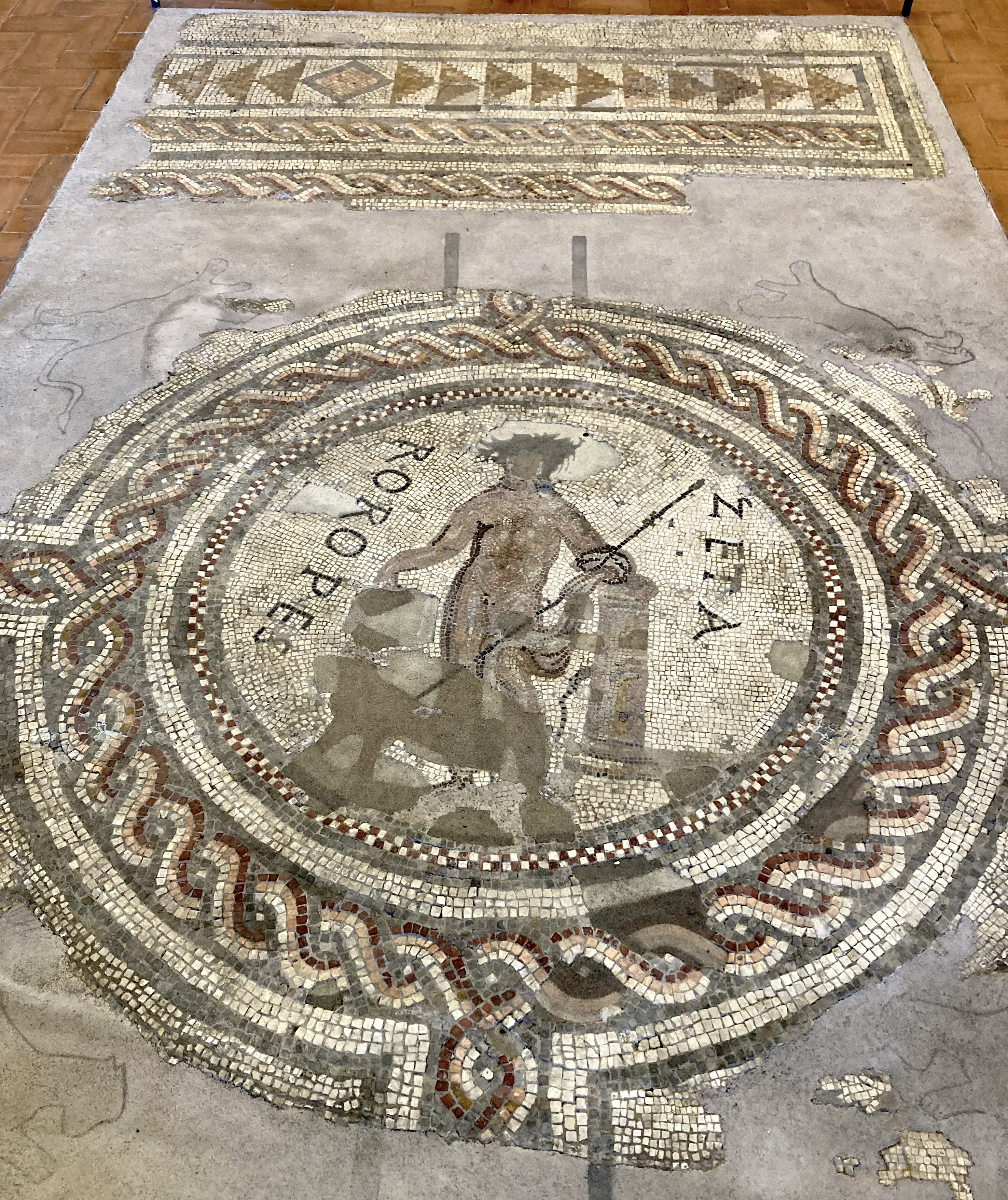
DonQui is a bit of a sucker for Roman stuff and Verona has some very good Roman stuff. So he hightails it over to the Roman amphitheatre and museum to get there just as the doors open. The amphitheatre is impressive but little museum does not have much of note apart from this nearly intact floor mosaic featuring Baccus — DonQui’s favourite deity by far.

At the other end of the old city is a nearly intact Roman arena. Both the amphitheatre and arena are still in use — hosting regular concerts.

The old city is compact and mostly pedestrianised. DonQui spends the better part of a very pleasant day trotting around the place and taking in the atmosphere. 

Around midday the town has pretty well filled up with tourists (presumably day trippers as there were very few of them in the morning). So he takes shelter in a little bottega around the corner from the Roman arena to pay homage to Baccus. Here he spends a delightful hour with Bruno learning about the wines of Verona’s Valpolicella region.

Of course DonQui tastes some too — working his way from the relatively light twice-fermented Ripasso, up through the heady full bodied Amarone made from partially dried grapes, to the most ancient of the Valpolicella wines — the sweet Recioto which Bruno recommends having with cheese. Before getting into the Valpolicella DonQui also has a taste of a delightfully fresh and minerally white Lugano from the shores of nearby Lake Garda. Bruno explains that the retreating sea which created Lake Garda left salt deposits in the clay which gives Lugano wines their unique taste.

On less steady hooves than before, DonQui explores the delightful streets and squares a little longer.

Although not a great fan of churches he is most impressed with the 13th century church of San Pietro the Martyr.

He particularly admires the fantastic medieval art from the 14th and 15th centuries.

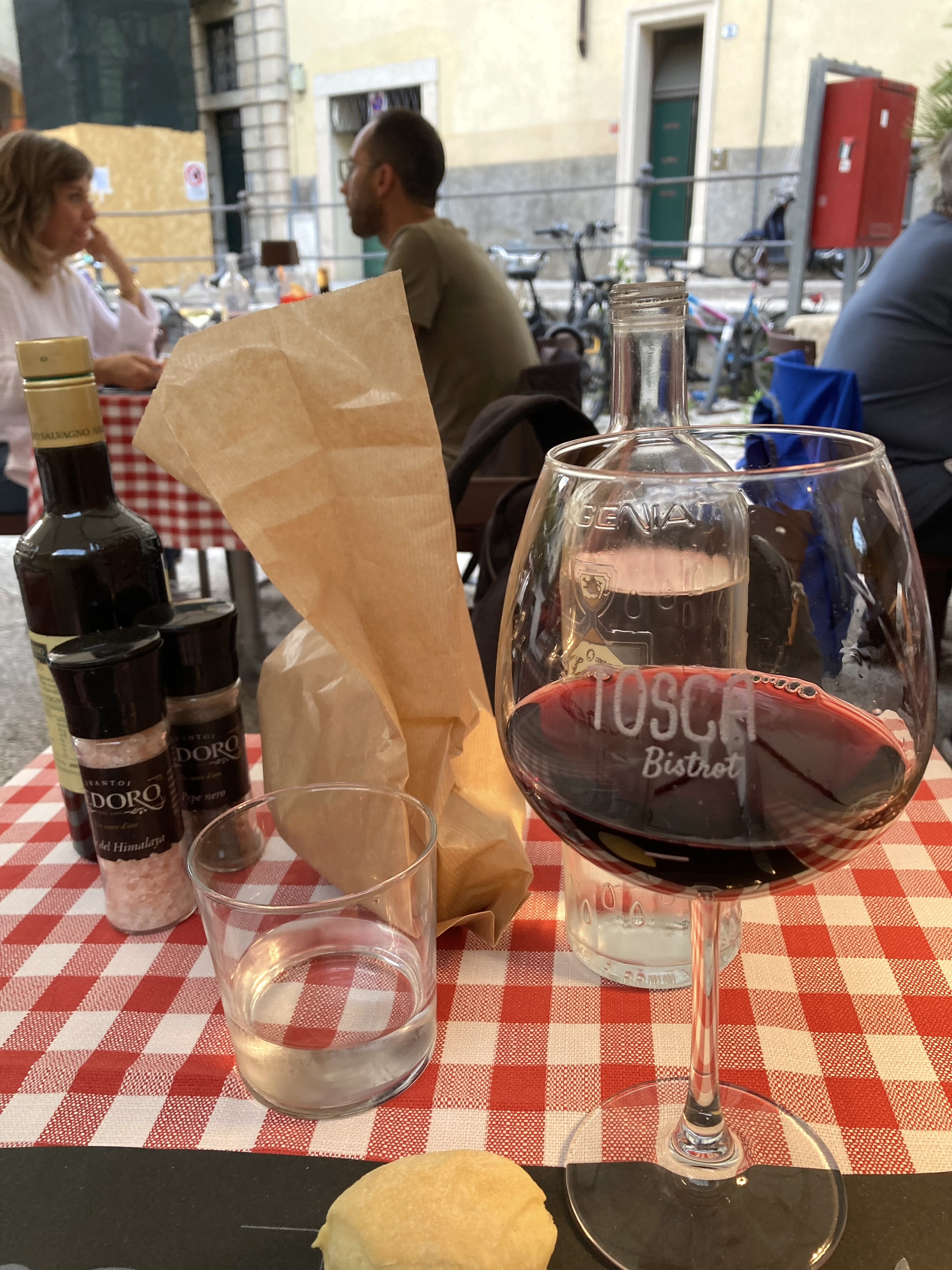
After a bit of a rest he heads out in the evening to taste some of the local specialties at the delightful Tosca Bistro.

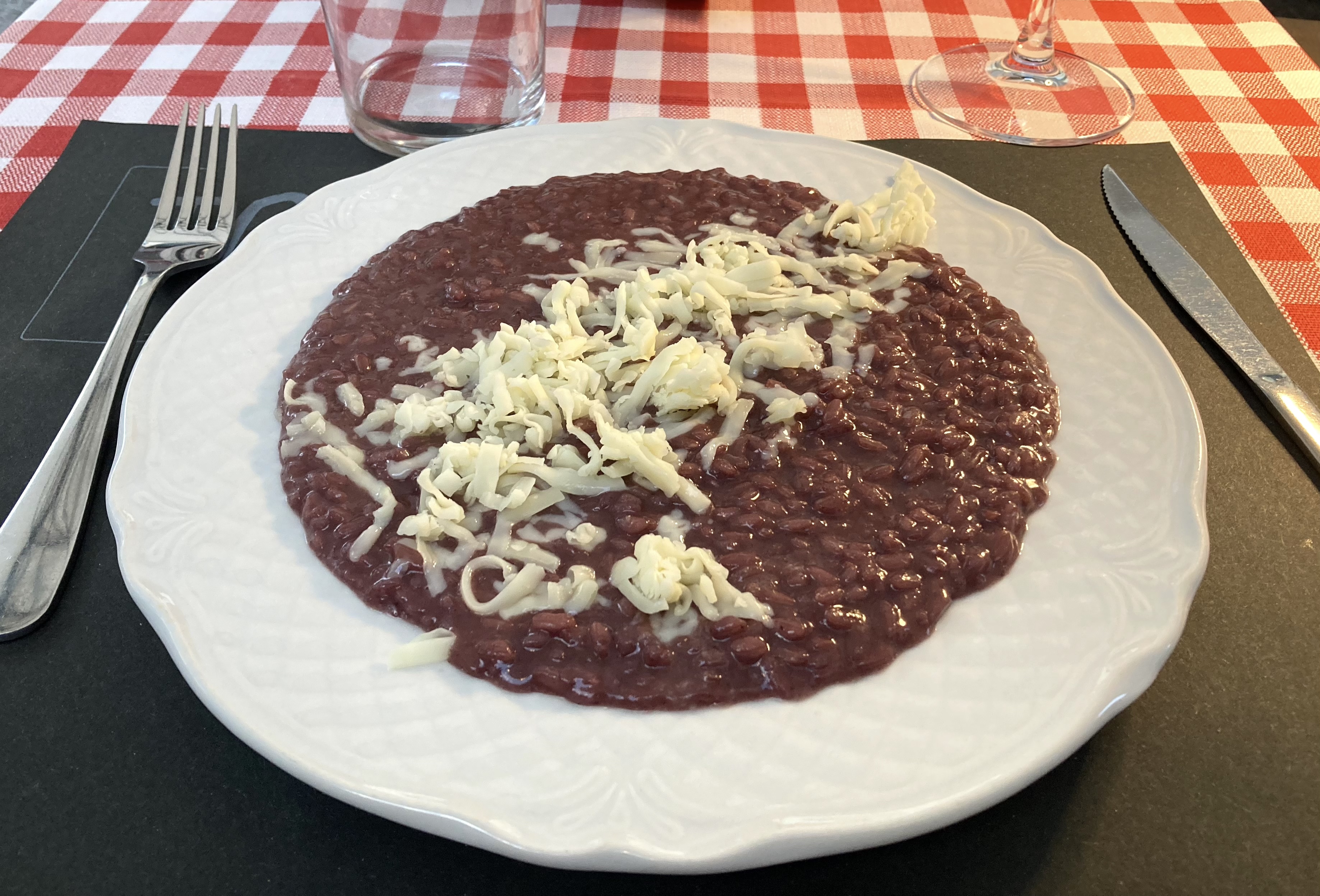
Here he samples an excellent risotto with Amarone, and horse meat stew with polenta. Both washed down with a glass of rich Amarone wine.

Tradition has it that the Veronese got a taste for eating horse after the battle between Theodoric and Odoacer in AD 489 which left large numbers of dead horses on the battlefield to provide an unexpected feast for the locals. The stew is rich, full of flavour and utterly delicious — it is something he will never be able to have in the UK.

Before resuming his journey the following morning, DonQui visits the reconstructed house of the Capuleti — better know as ‘Juliet’s house’ as the Shakespearian heroine was from the Capuleti family (anglicised to Capulet by the bard). 

By arriving just after opening he is able to beat the hordes of tourists who were choking the place the previous afternoon. It is said that if you touch the statue of Juliet in the courtyard you will be lucky in love. DonQui does not bother as he is already lucky in that department.

Over the Alps and Far Away

DonQui is setting off to cross the Alps into Italy. He has done this before and it always feels like quite an adventure passing through the magnificent natural barrier that separates Italy from Northern Europe. His route passes through a bit of Austria then into Switzerland. This means he has to purchase road tax vignettes for both Austria and Switzerland which is mildly annoying especially as he will only be in Austria for ½ hour or so. At least Austria offers a cut price 10 day vignette!

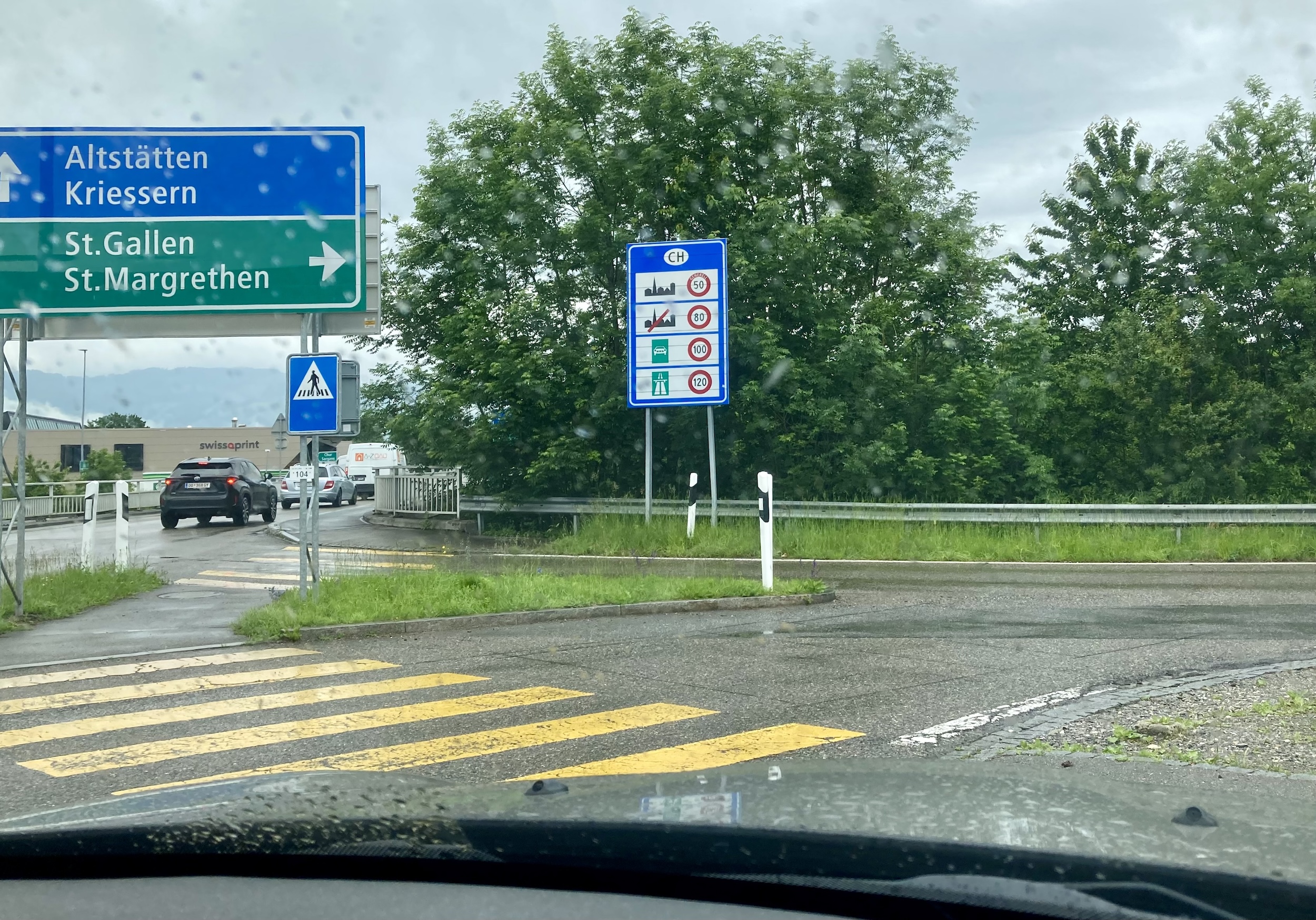
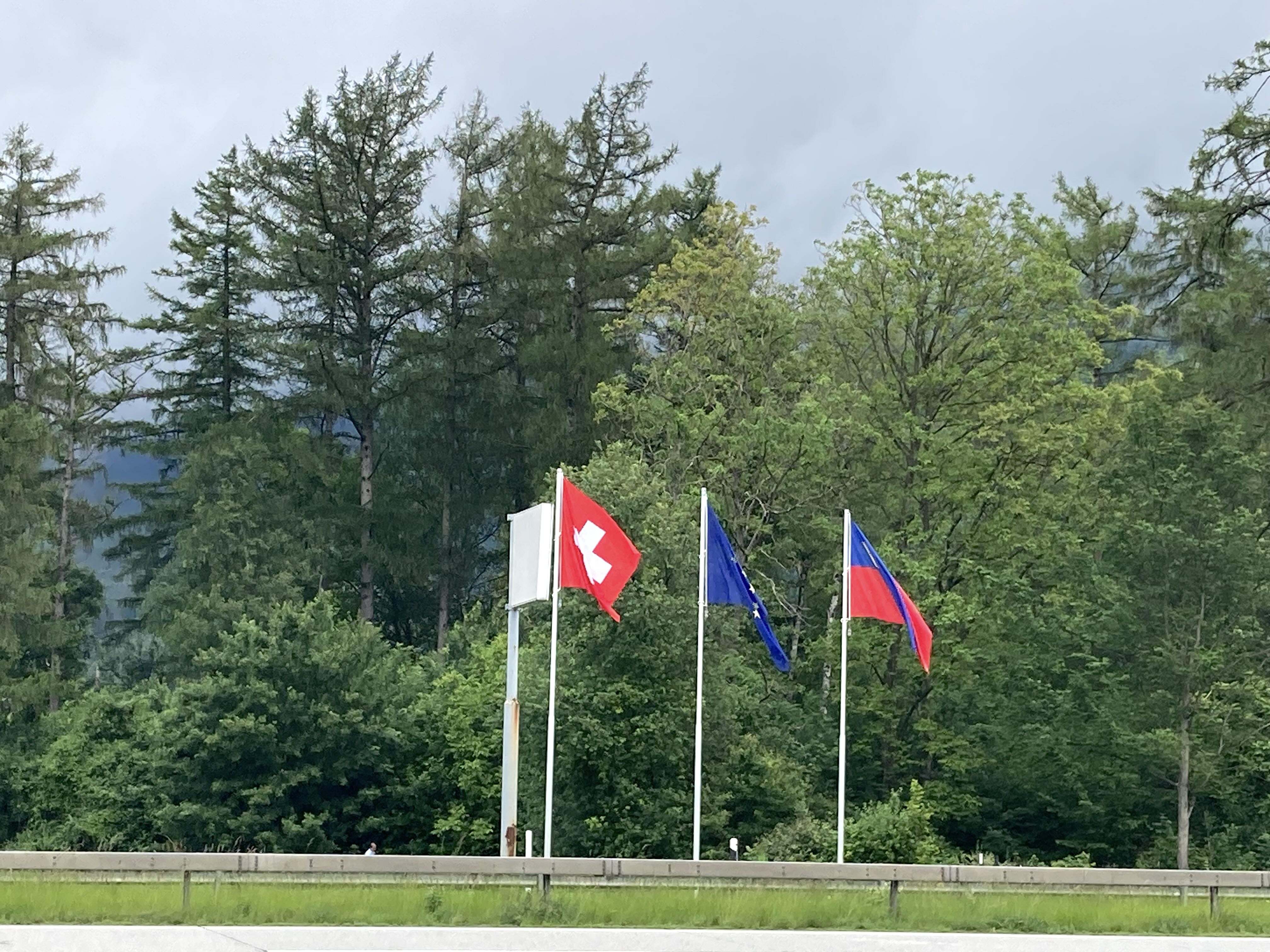
His plans nearly come asunder in the no-mans land between Austria and Switzerland. As Switzerland is not in the EU there are border controls.

DonQui shows his passport to the efficient Swiss border police. Then they ask for his car papers. The papers don’t seem to satisfy them so they direct him to pull over to the side.  They want the ‘brown car ownership form’. Not having such a form nor ever having heard of one, DonQui does his best to show everything else he has including car insurance certificate, driving license and proof of having paid the Swiss road tax. After much toing and froing, furrowed brows and consultation with head office they finally let DonQui through after he tells them he is only transiting through Switzerland into Italy.

More than a little relieved DonQui is on his way again. He makes a brief pit stop in Liechtenstein just for the fun of it. 

Driving through magnificent Alpine scenery he is heading towards the San Bernardino Pass at over 2000m above sea level. 

The pass marks the Italo-German language frontier. Although still in Switzerland, once on the other side, all signs are in Italian rather than German as they had been before. Then the road makes a rapid descent towards the border.

As he approaches the Italian frontier DonQui has a nervous thought. What if the Italian authorities also want this mysterious ‘brown form’ and don’t let him in? Will he then be stuck in Switzerland? He need not have worried. The friendly, if perhaps not as efficient, Italian border police give him a smile and wave him on his way with no fuss at all.

It takes DonQui about four hours to pass through five countries: from Germany, through Austria, Liechtenstein, and Switzerland into Italy. There he takes a much needed break for a proper Italian coffee — a delicious shot of thick, syrupy, pure caffeine. It is a good job he does, as the next 3 hours (which should have taken 2) are along the Autostrade around Milan, choked with lorries and moving at a snail’s pace. To top it off the heavens open up with a torrential downpour!

Feeling a little bedraggled DonQui is delighted to finally arrive at his pleasant lodging in Verona. To further improve his mood the weather clears. So he resolves to take an aperitivo on the balcony of his apartment.

Vineyards, forests and lakes

For several days DonQui explores a corner of southwestern Germany. It is a region he knows well so he is partly revisiting old places and memories as well as making new discoveries.

His route winds through the flat Rhine valley and up into the vineyards on the Badische Weinstraße (Baden wine route). Baden wines are excellent but are pretty well unknown in the UK as virtually none are exported. Produced in relatively small quantities, the locals prefer to drink it all themselves!

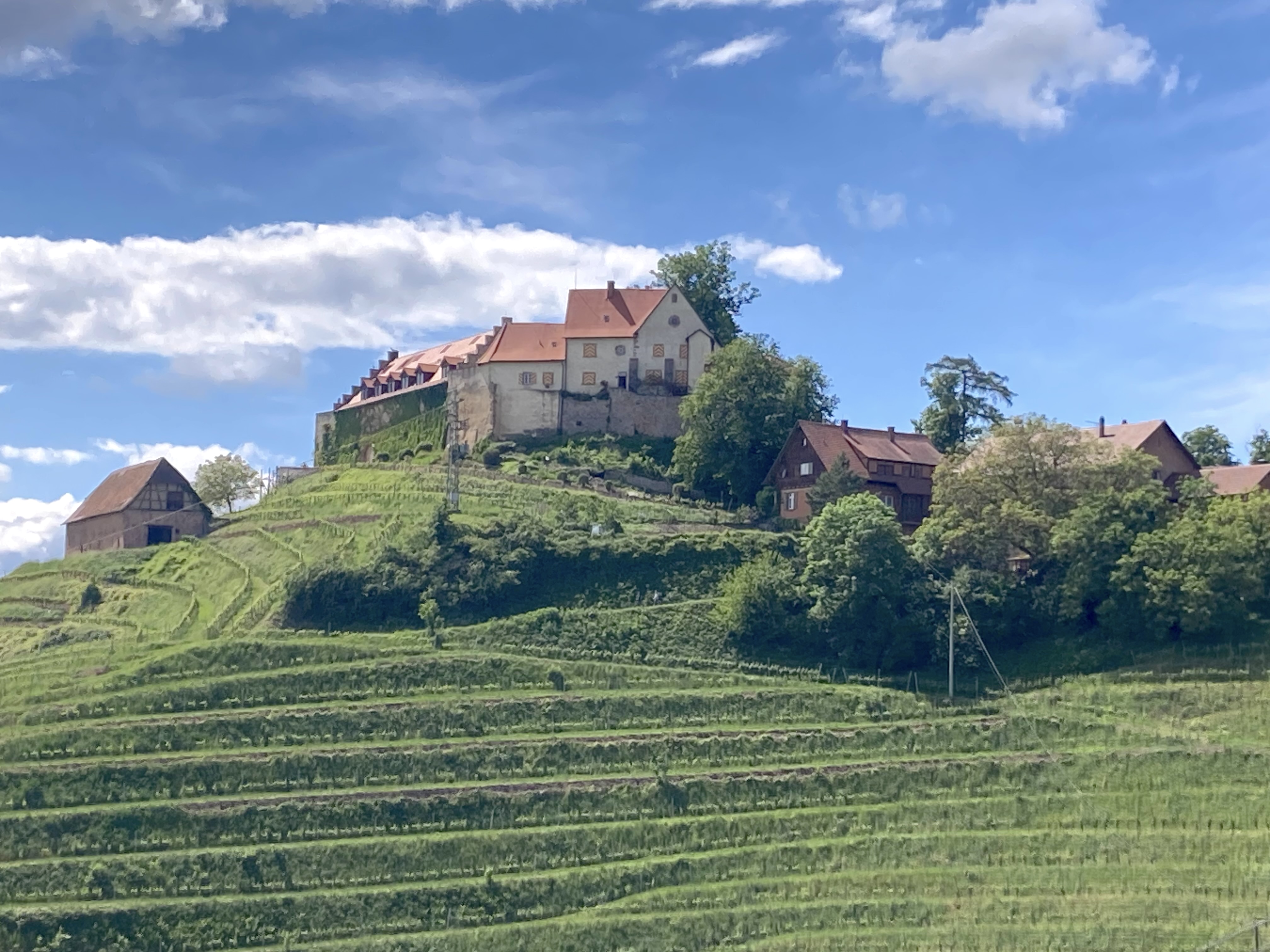
DonQui stops off for a couple of days at Durbach where some of his favourite wines are grown in the vineyards surrounding the Markgraf von Baden’s Schloss Staufenberg. For centuries the Schloss has stood guard against invading French armies with the Markgraf (Marcher Lord) having responsibility for the defence of this border region on behalf of the Emperor in Vienna.

Needless to say DonQui picks up a bottle or three of the Markgraf’s wine— bringing him perilously close to the 18 litre limit he is allowed to bring back to the UK. He may have to drink a few bottles on his trip before passing through customs.

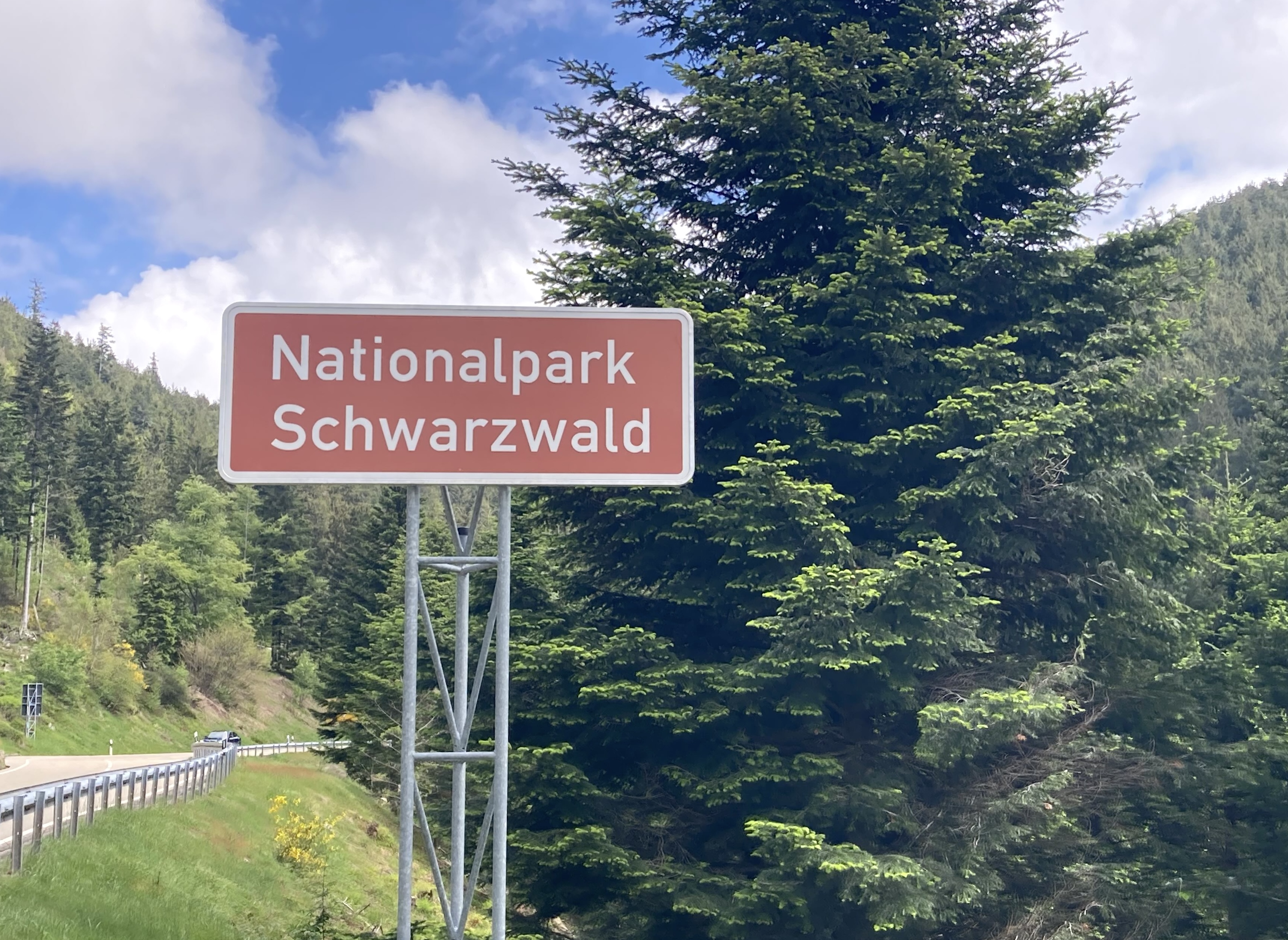
Then it is up the long and winding road into the hills and forests of the Schwarzwald (Black Forest) towards Freudenstadt.

Here he takes the opportunity to trot along some of the many nature trails. Hopefully he will burn off a small proportion of the calories he has been consuming!

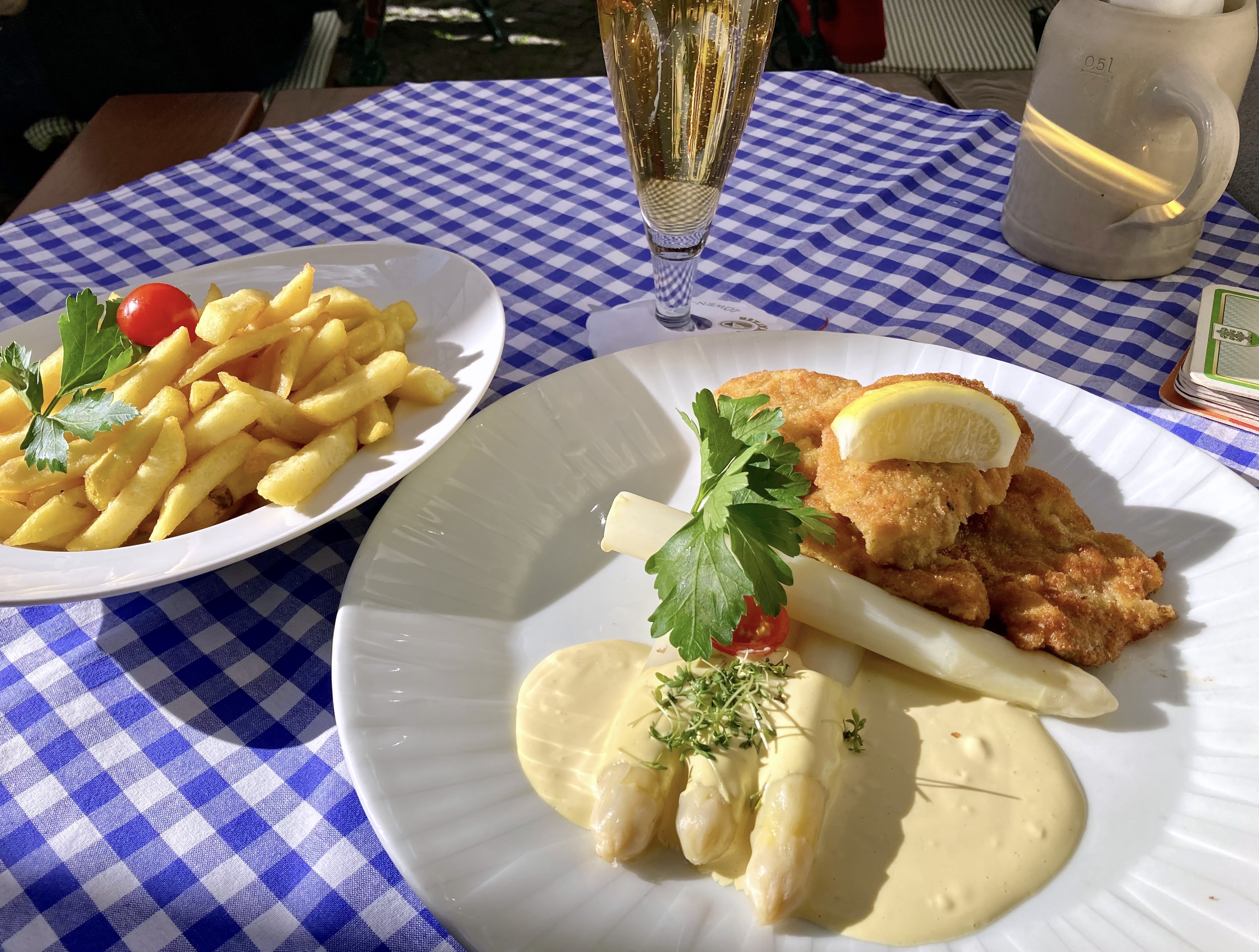
This being an asparagus producing area and it being asparagus season, the vegetable appears on virtually every menu. DonQui enjoys the more delicate white asparagus for a change as they are very hard to find in the UK.

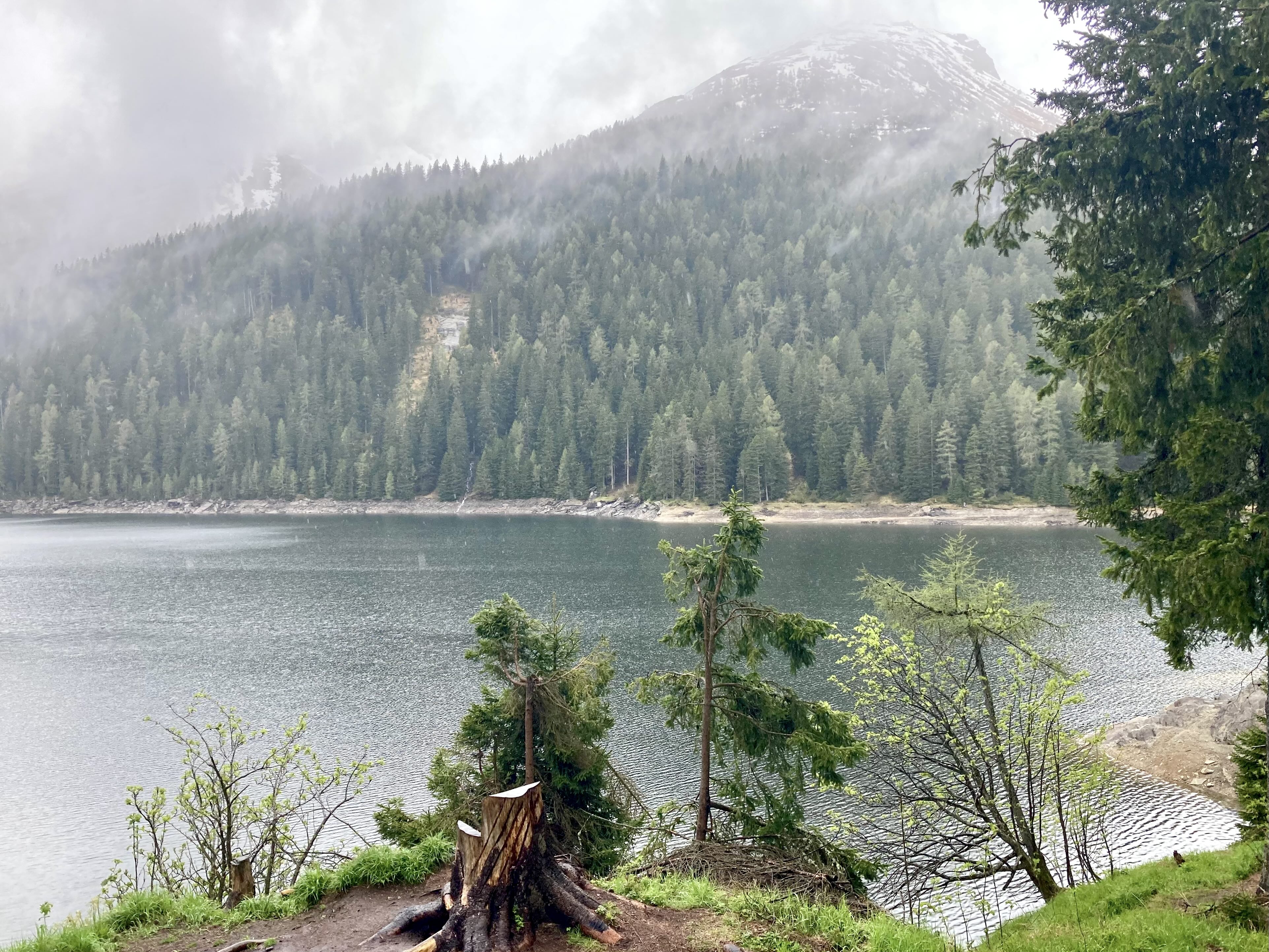
The weather turns when he makes a trip to the Mummelsee. It is said to be an incredibly beautiful lake but DonQui cannot conform this as the rain and thick fog reduces visibility down to just a couple of meters. The Mummelsee is said to be inhabited by Nixies (water sprites). The low cloud and mist makes it easy for him to imagine that this may very well be true.

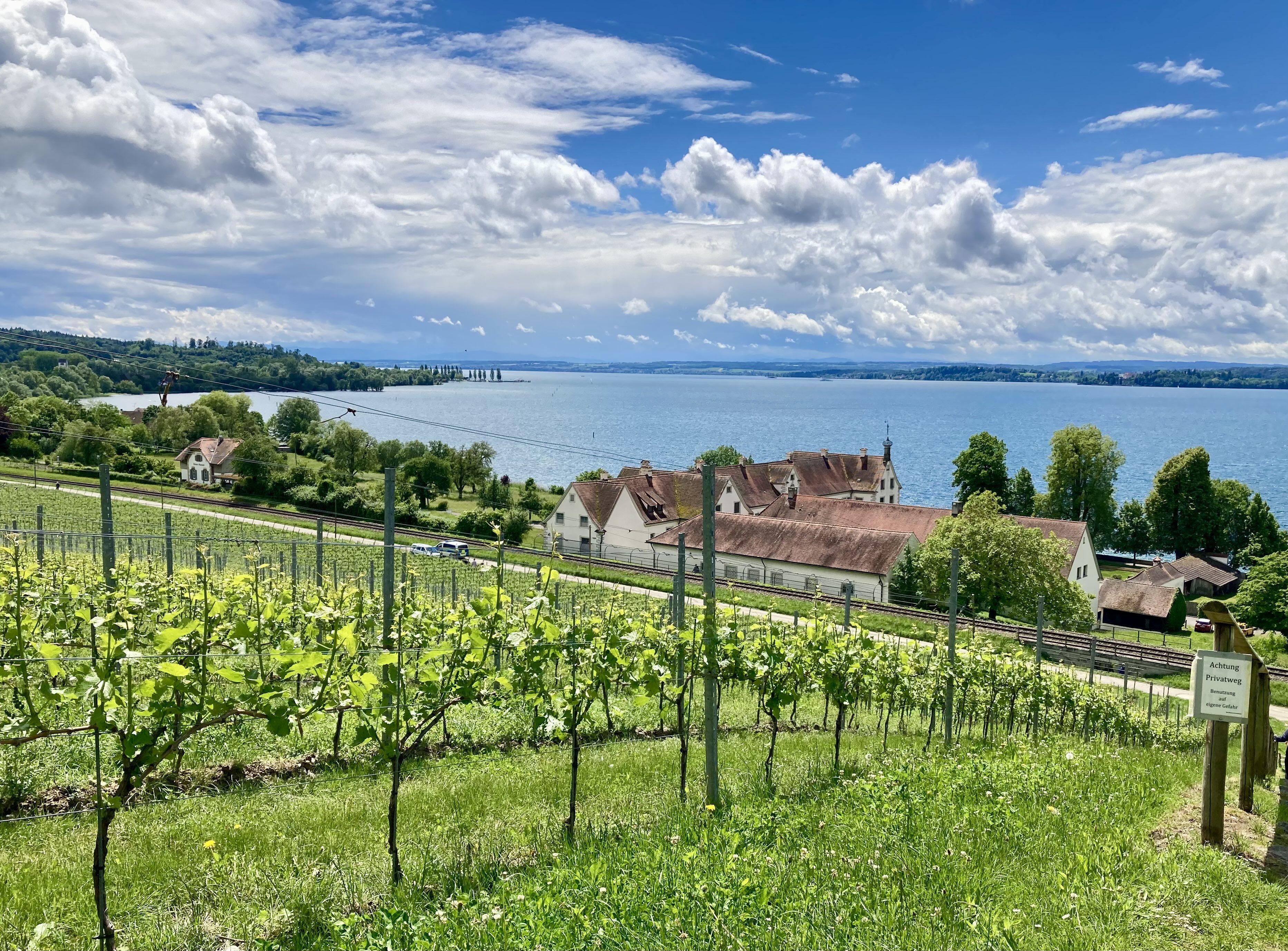
DonQui’s route then takes him down to Lake Constance at the southern end of Germany. Switzerland is on the other side of the lake. Finding a relatively empty stretch of Autobahn on the way down he gets the chance to blow out the cobwebs from his car at 100 mph without having to worry about speed cameras (there being no speed limit on a German autobahn).

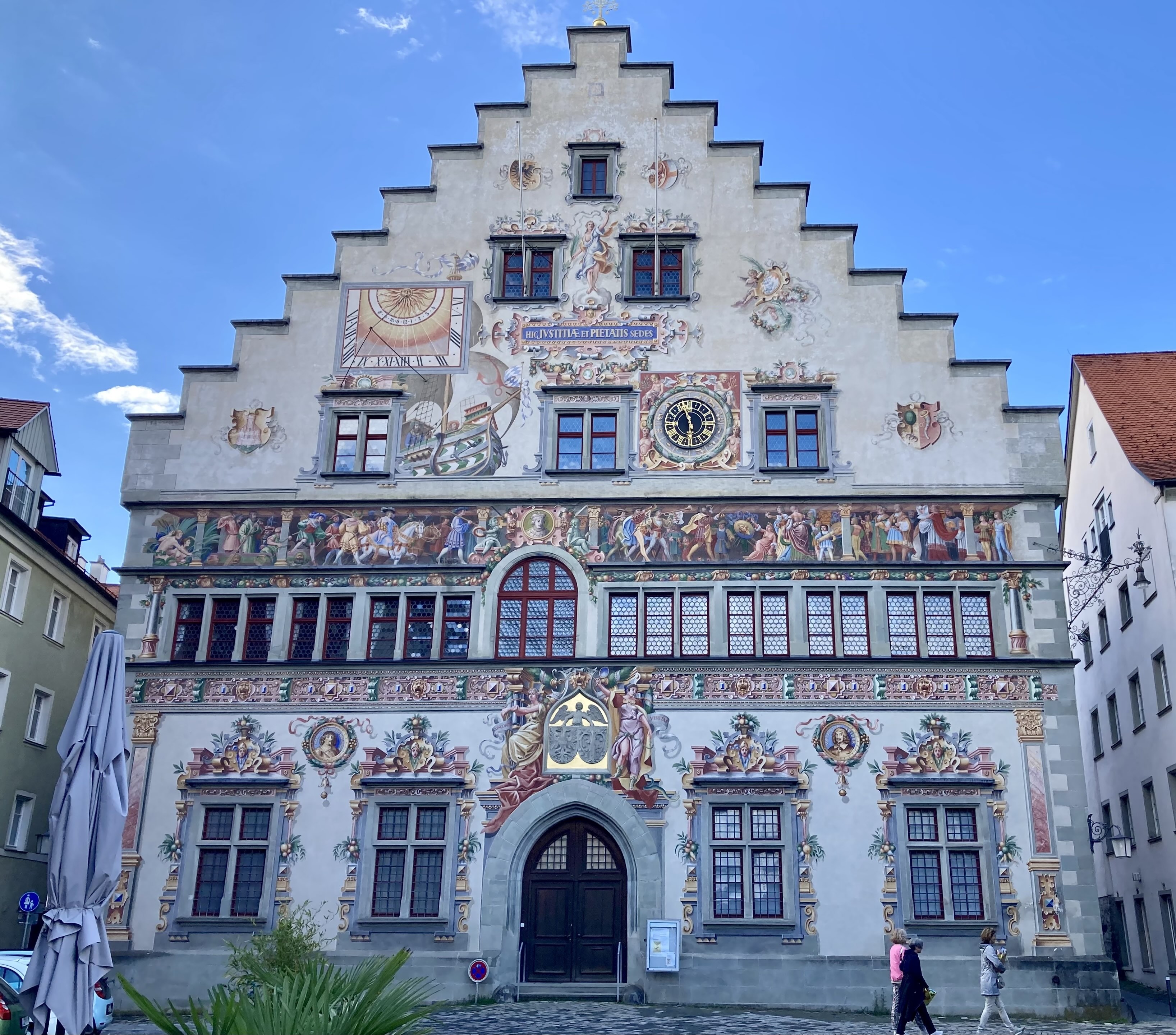
His final pit stop in Germany is the pretty town of Landau. The old fortified town is on an island in Lake Constance and boasts a most impressive 15th century town hall…

… and 13th century tower than once also served as a lighthouse. It is known as the Rapunzel tower. hence the ‘rope of hair’ hanging down from a high window,

Situated at the juncture of the German, Austrian and Swiss borders Lindau is a perfect jumping off spot to cross the alps and head down on into Italy. This is what DonQui will do tomorrow.

Road Trip!

DonQui Oaty is excited to be off on his travels again. This time it is a road trip through France, Germany (a bit of Austria) and Italy. 

So passport in hand and car fully serviced with new front tyres, he sets off on the first stage. He is heading for Alsace but intends to break his trip at Arras. 

Actually his first break is at the channel tunnel where he encounters a massive traffic jam trying to get out of the terminal carpark and into the border control lanes. Designed when one could just wizz through, the traffic management is not set up to deal with detailed passport checks — yet another of the Brexit ‘benefits’ along with higher food prices and critical labour shortages. Even though he arrived more than 1 hour ahead of time, Donqui misses his booked train and has to catch the next one.

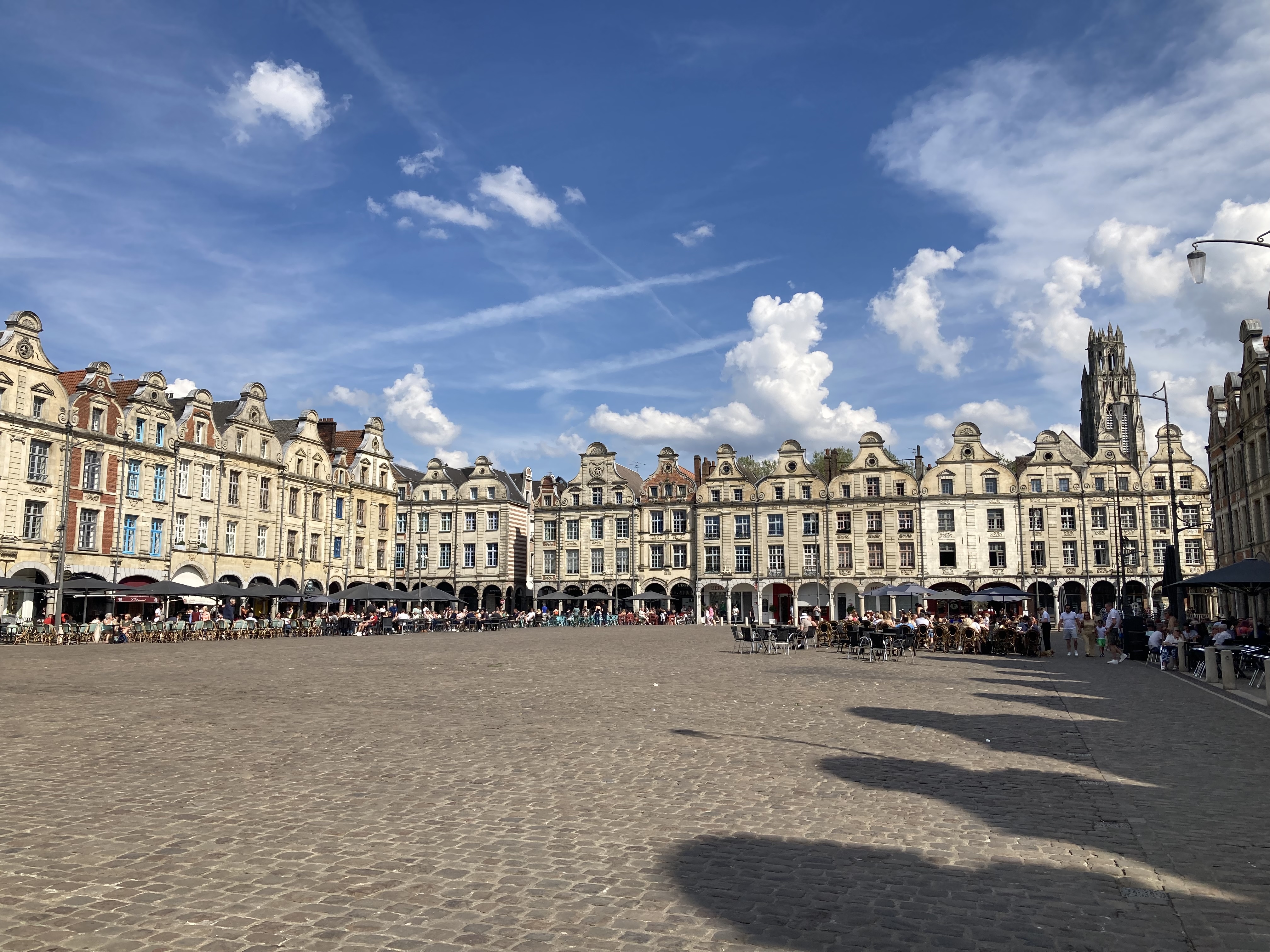
Arras is a very pleasant town with lots of good watering holes around the Place des Héros. DonQui is glad to have stopped here.

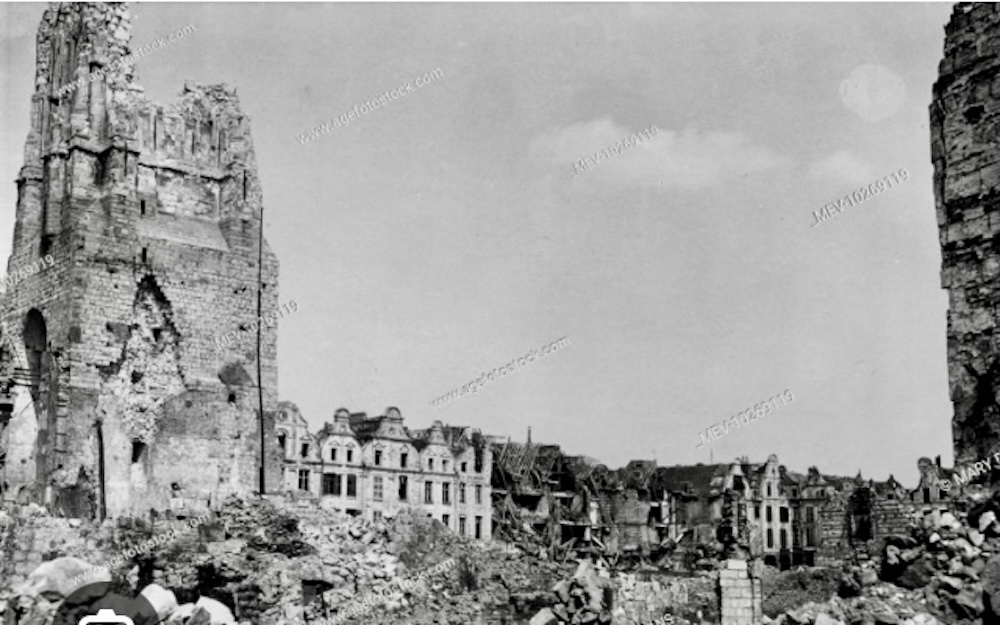
It looks a lot better now than it did in 1917 when it was the centre of a British offensive in the First World War. The above photo being the same square where DonQui stops for a drink more than a century later.

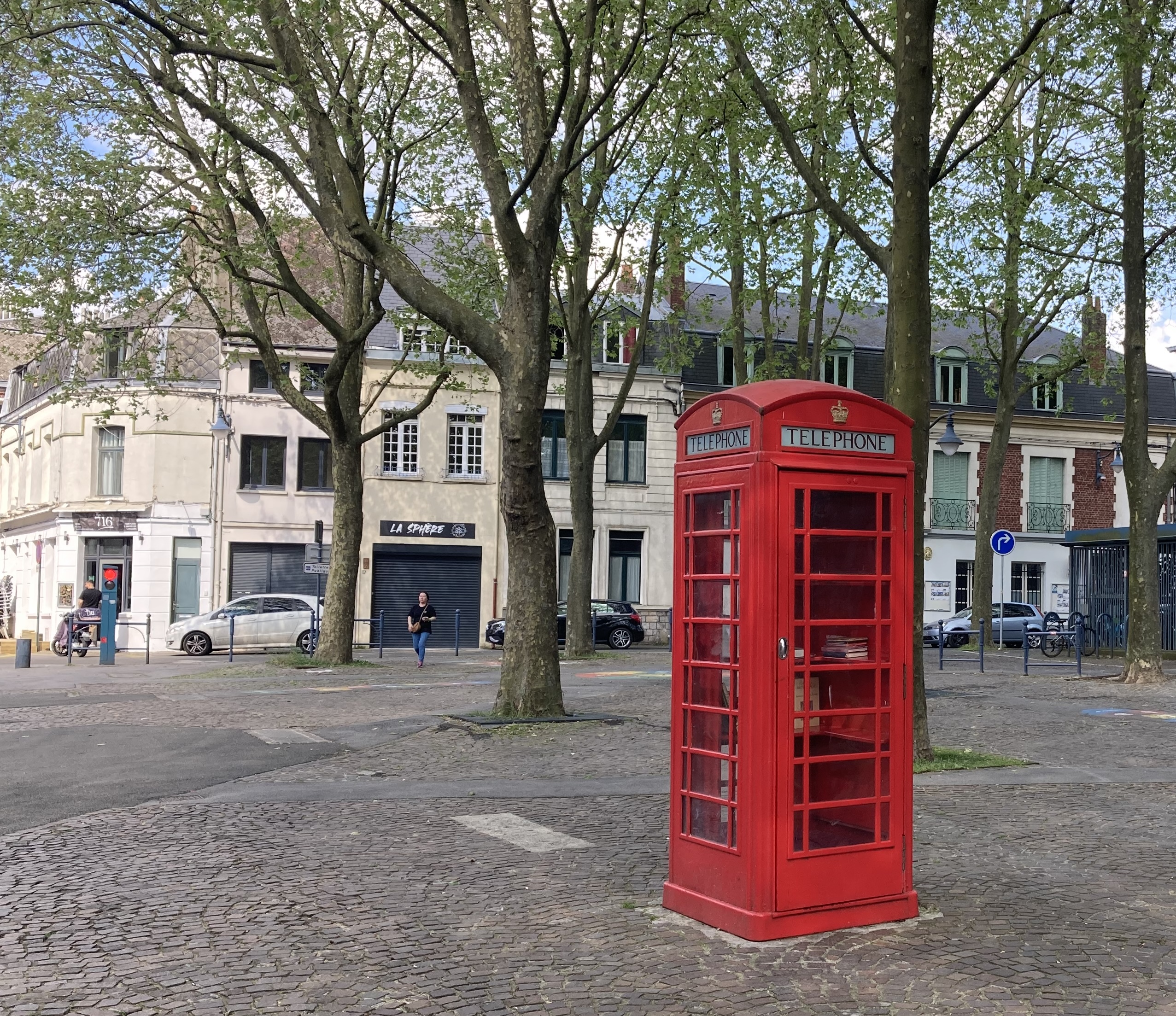
Arras is twinned with Ipswich, close to DonQui’s home paddock in Suffolk. The Place d’Ipswich comes complete with a familiar looking phone booth.

After another drink and a decent meal, DonQui will resume his trip in the morning.

Hong Kong — last stop before home

DonQui Oaty is in Hong Kong on the last leg of his around the world trip.

His ability to canter around Hong Kong with alacrity is hampered thanks to a sprained ankle incurred whilst exploring the monkey sanctuary in Ubud, Bali. He goes to the vet, slightly concerned that his condition might result in a swift merciful bullet to the head, as a donkey without the use of his hind legs is not really very much use at all. 

Fortunately the kindly Indonesian doctor pronounces that there is no fracture, bandages up DonQui’s ankle, gives him some anti-inflammatories, and then packs him off to Hong Kong.

DonQui is rather entranced by Hong Kong. He feels the sense of history of the place — it is hard not to when his hotel is on Salisbury Rd overlooking Victoria Harbour. At the same time the city’s vibrant modernity gives him the impression of a young city very much looking to the future. 

With Fortnum & Masons just around the corner, British three pronged plugs, double decker buses and English place names, much of Hong Kong feels very familiar.  With excellent public transport and traffic that obeys the rules, it is a city that functions well despite the high population density. There is none of the chaos of Bangkok or Denpasar (Bali).

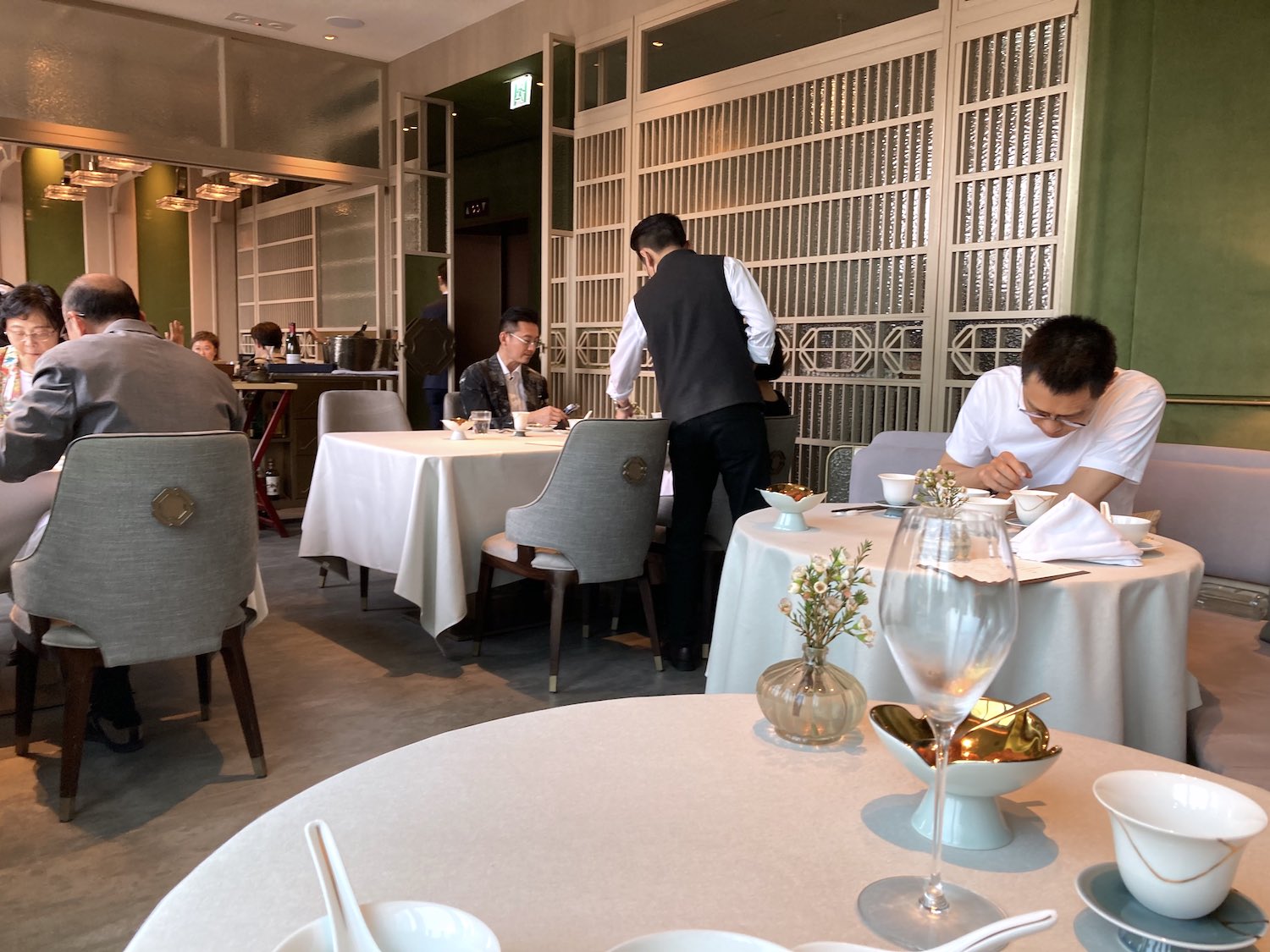
Many places in Asia love their shopping malls and Hong Kong is no different. Now DonQui is no fan of malls but, hampered by his gammy leg, he cannot canter all over the city and the nearby K11 mall offers a number of excellent restaurants. Despite his mall phobia he has to admit that the interior design is pretty stunning.

His bad ankle precludes him from wearing Louboutins any time soon, so he gives the local shoe shop a miss and goes off in search of the highly recommended Ye Shanghai restaurant on the 7th floor.

There he has a most excellent meal. The crab is the highlight of many very good courses.

Wanting to see more of the city but unable to walk far, DonQui books himself on a boat trip abroad the junk Aqua Luna.

This trip provides him with some wonderful views just as the sun is beginning to set.

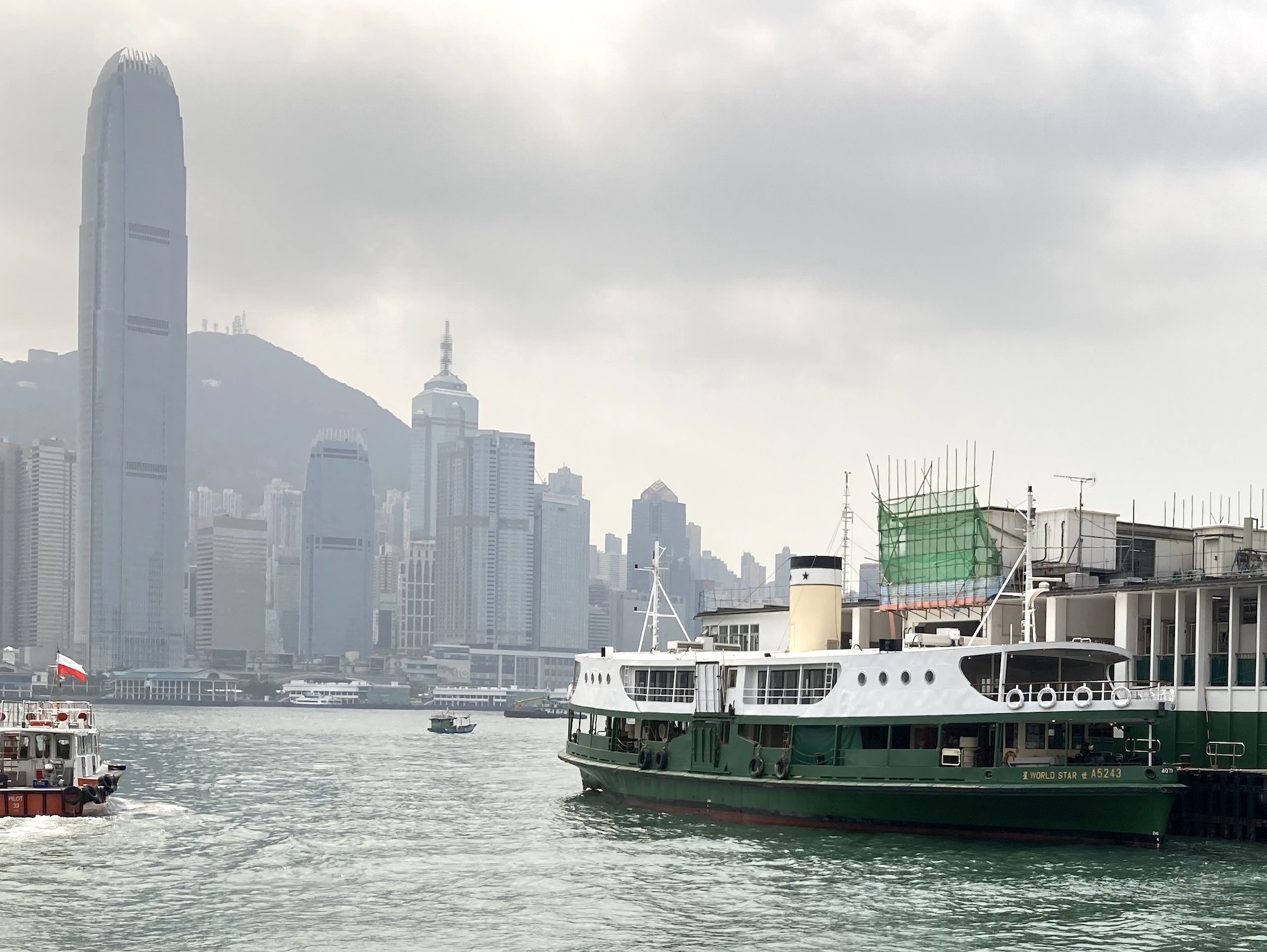
The following day he hops on the atmospheric Star Ferry to cross from Kowloon to Hong Kong Central (at a cost of just 20p!)

A bus tour around Hong Kong Island gives him a good overview of this part of Hong Kong even if he is not quite up to very much exploration on foot.

He does manage to hobble over to the Peak Tram — an incredibly steep funicular railway that takes him up Victoria Peak. It is unfortunately a bit cloudy but the view over Hong Kong is still quite spectacular. It is a shame that the viewing area at the top is marred with lots of tourist tat. 

The culinary highlight of DonQui’s stay in Hong Kong is lunch at Wing Restaurant on Wellington Road in Hong Kong Central. Time Out warns that it is one of the toughest tables in Hong Kong to book as it has such a high reputation and is very small. Wing is usually only open for dinner but on the day DonQui is looking to dine they open for lunch for the first time and so there is a place available for him.

The set menu of 12 dishes is exquisite, offering DonQui a wide range of ingredients and tastes he has never experienced before. These included (amongst others) lion head croaker (a local fish), Chinese almond soup, fish maw with abalone sauce and king crab with crispy cheung fun (rice noodle rolls).

The highlight is the baby pigeon smoked over sugar cane. And yes he did try the head.

Thoroughly satisfied DonQui is now ready to head home, completing his around the world adventure.

DonQui cooks Thai

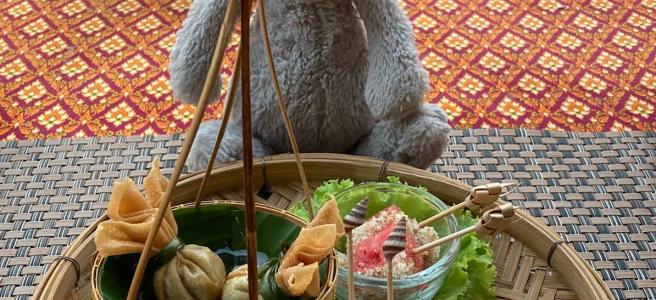
DonQui Oaty is rather fond of Thai cuisine and he tastes some excellent dishes whilst in Bangkok — not least the set menu dinner at Chakrabongse Villas.

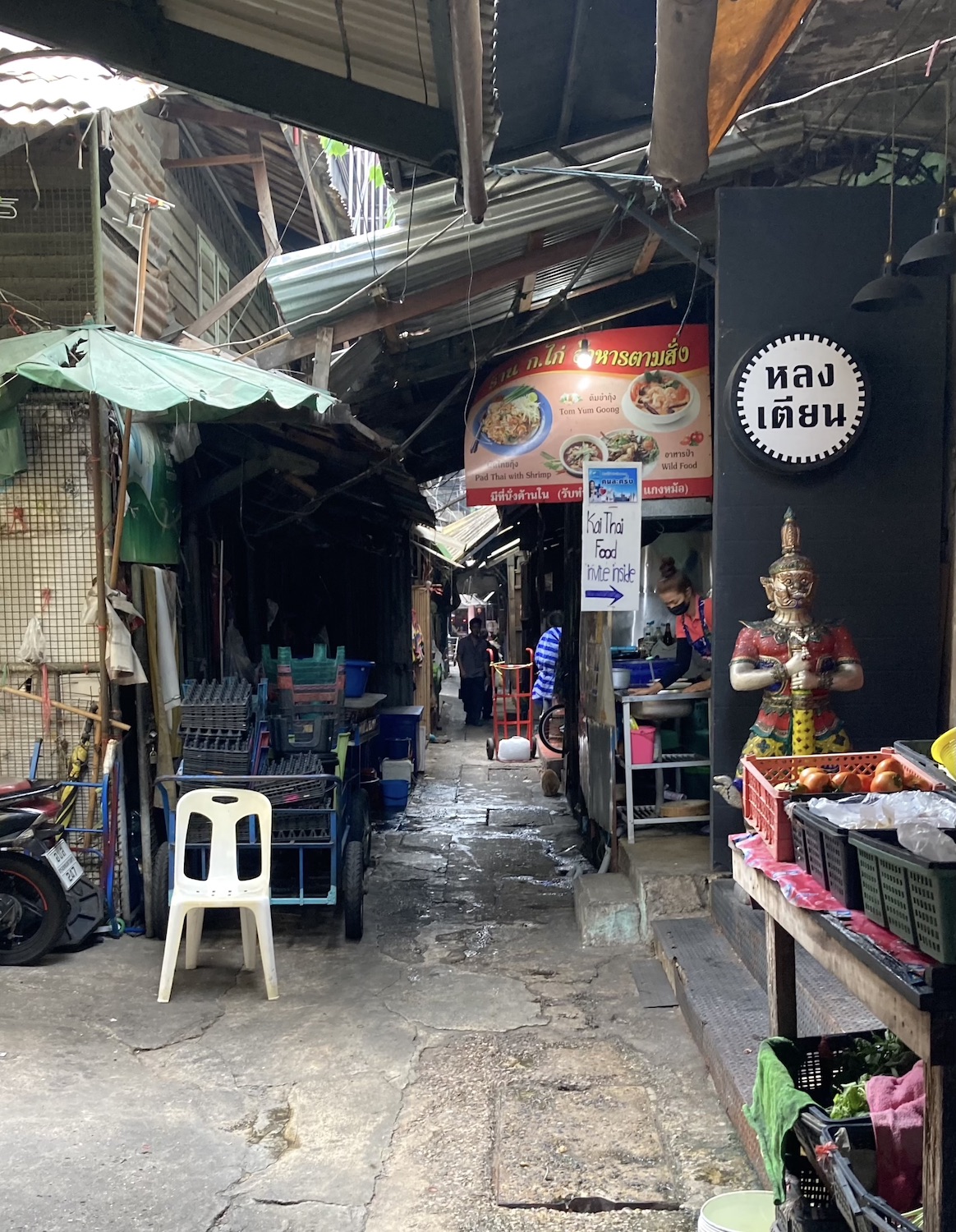
Wandering through the picturesque Tha Tien waterfront market, DonQui stumbles across the delightful Rongos restaurant. The name means House of Flavours and that is indeed what it is.

Here he samples morning glory (water spinach)— a favourite Thai vegetable — in this case in a tempura batter with tamarind and coconut dressing.

This is followed by fried rice with salted egg and grilled prawns. Both dishes are utterly delectable.

Michelin listed Rongos is very small and very popular — often booked up days in advance. DonQui is lucky to get a place on spec thanks to arriving when they open with enough time for him to have his meal and watch the sunset over the river before the booked diners arrive to take his table.

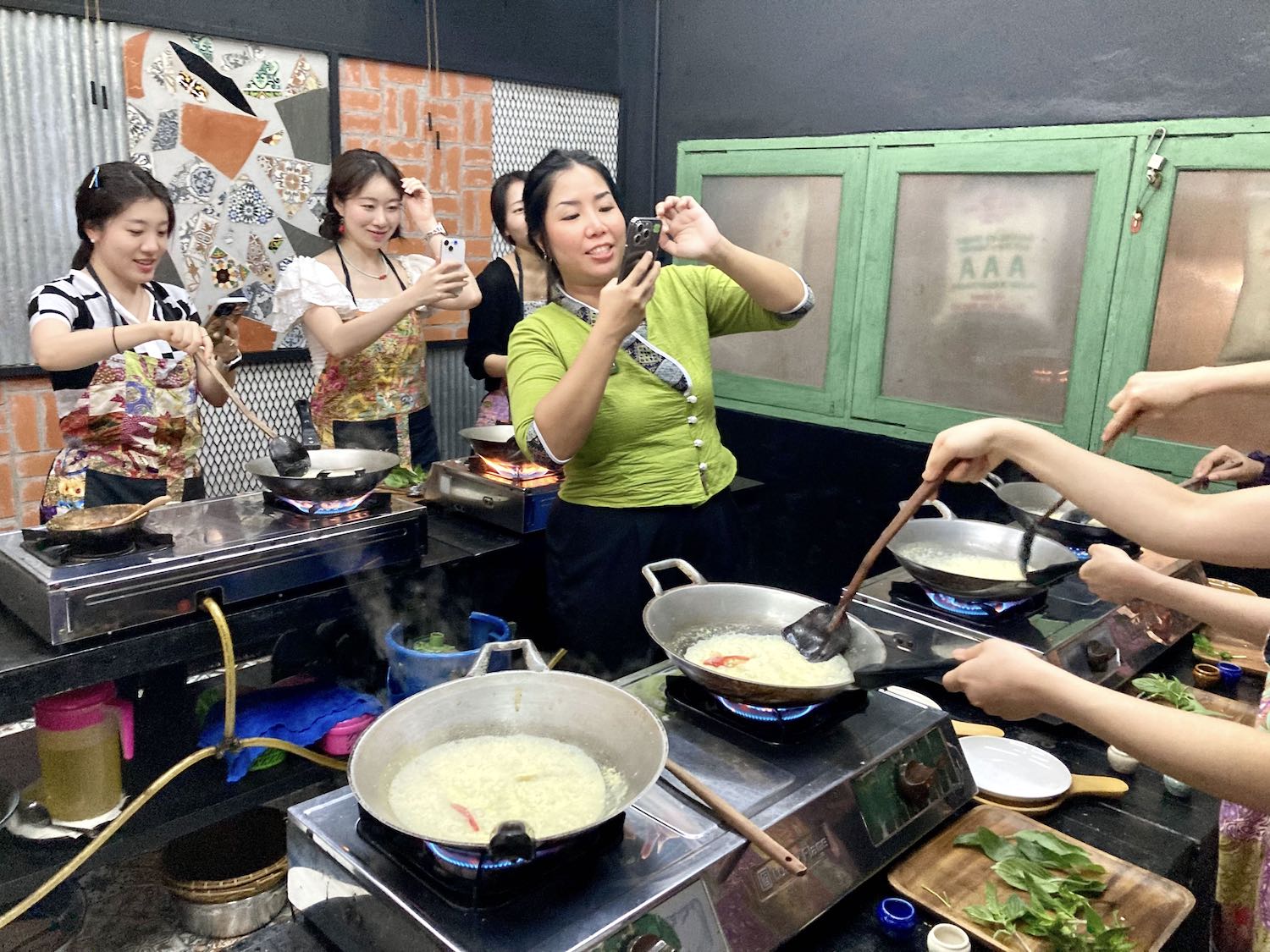
Keen to improve his own cookery skills, DonQui books himself in on a course at Silom Thai Cooking School. Here he learns all about the key ingredients of Thai cuisine. Not all of these will be easy to get back home, so he will have to think about substitutes or make an occasional trip to London’s Asian markets.

He is not entirely unhappy to find that he is the only westerner, only male, and only donkey on the course. 

DonQui learns how to make Tom Yum Goong — a sweet and sour soup with great depth of flavour. It is very quickly cooked up in a wok with coconut milk which he makes himself by hand-squeezing freshly grated coconut. 

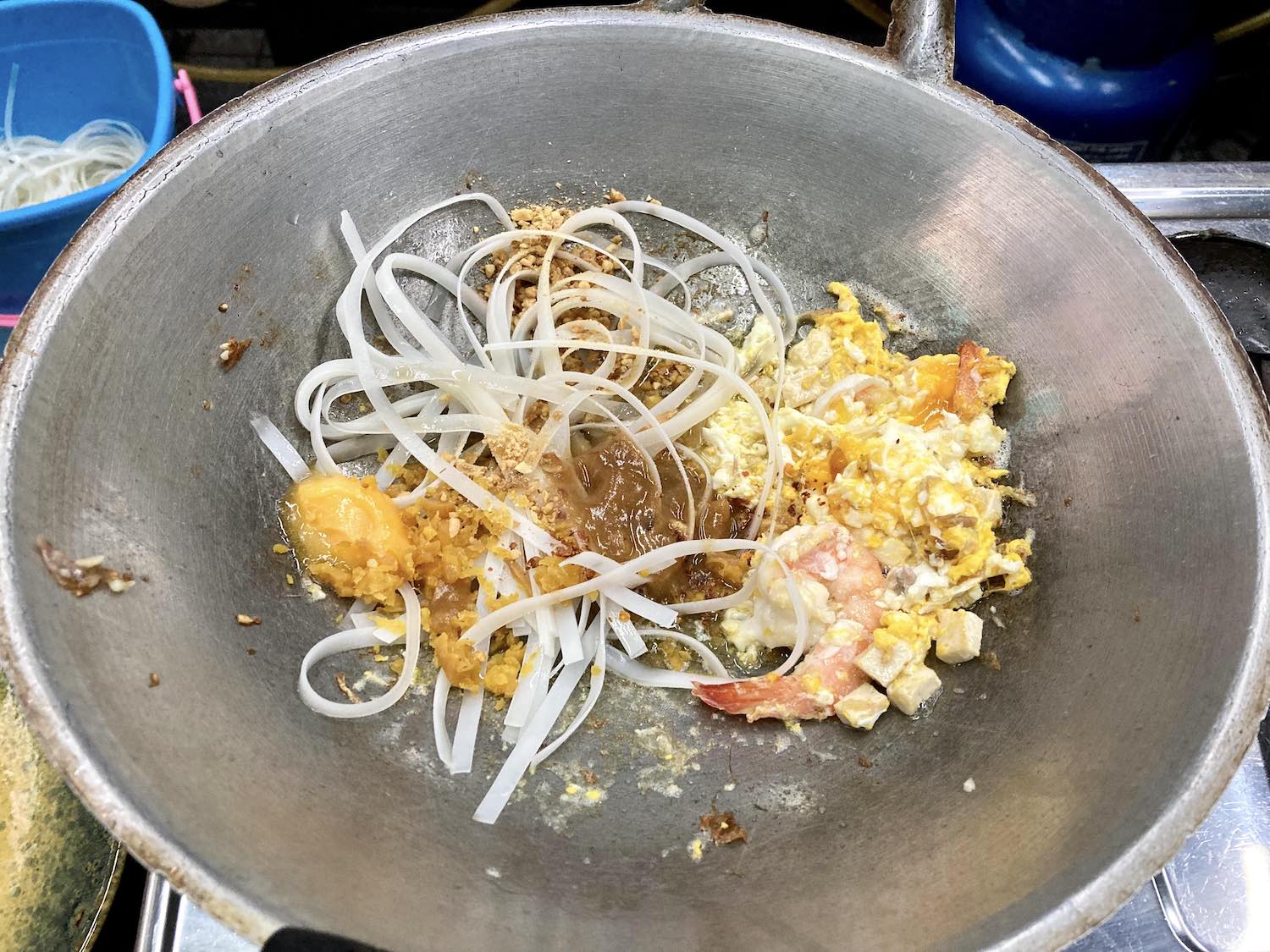
He also cooks up a pretty good Pad Thai, learning to vary the cutting of the hot bird’s eye chillies depending on how spicy he wants it. If he wants it fiery — cut the chillies and then crush them with the flat of the knife blade. For pretty hot — cut them fine, and for a milder version (but still with some heat) cut them into relatively large pieces.

And here is his completed dish.

His is quite proud of his green curry with chicken and round Thai eggplant. He makes the paste by hand with a mortar and pestle, the green colour base coming from a dozen long green spur chillies (crushed into the paste). Spur chillies are quite mild. A red curry is made using red spur chillies (also relatively mild). As a rule of thumb DonQui’s instructor says that larger chillies are milder than small ones.
The delectable mango sticky rice is mostly prepared by the staff although the various steps are clearly explained and demonstrated. DonQui will try this at home.

All of the recipes are pretty simple and very quick to cook — almost always in a wok on high heat. Armed with an illustrated recipe book DonQui can hone his skills when he gets home.
Bangkok’s Backwaters and Backstreets

There is of course much more to Bangkok than awe-inspiring temples. DonQui is determined to explore further — seeking out the backwaters and backstreets.

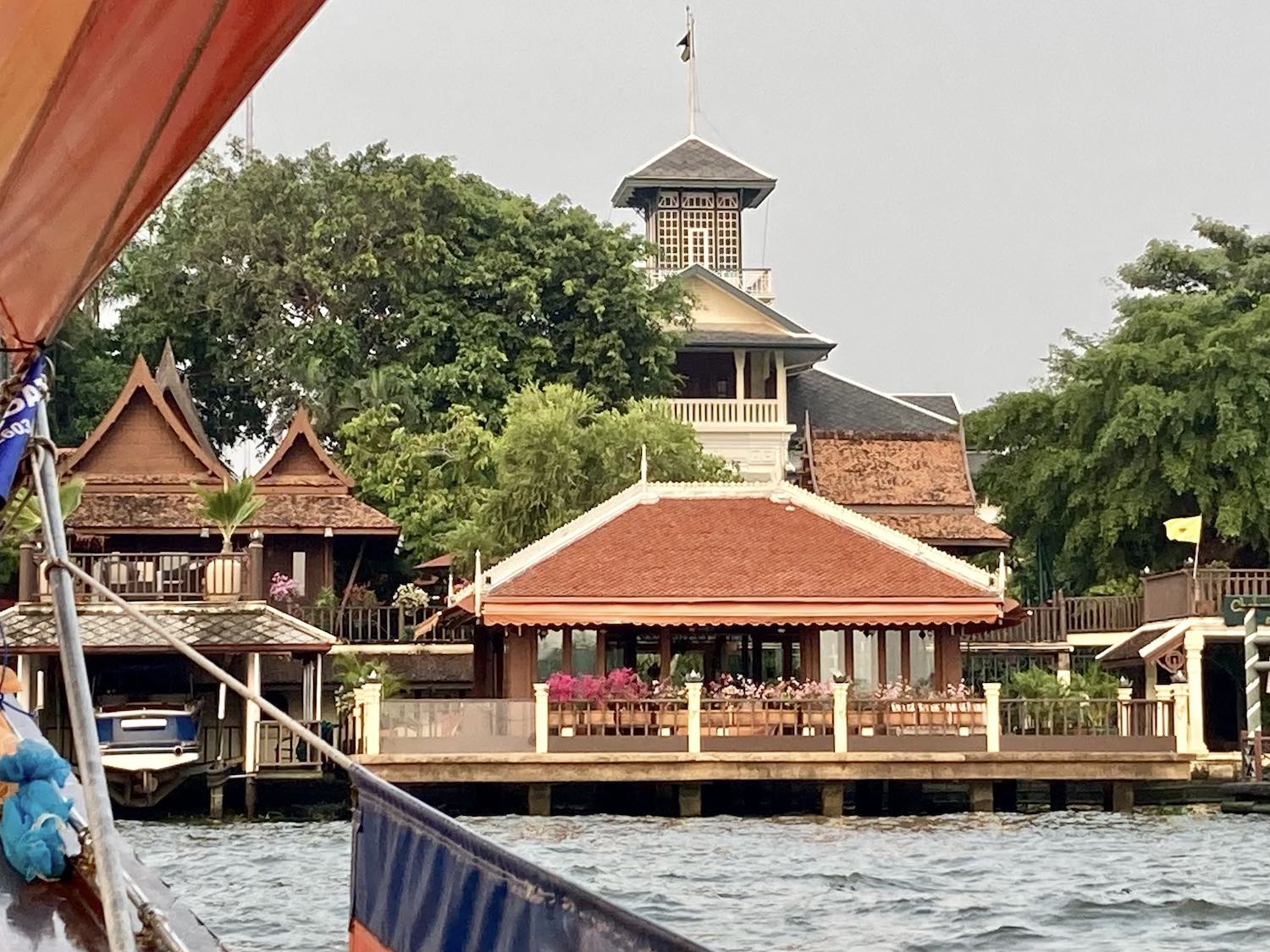
DonQui has engaged one of Bangkok’s famous long tail boats to give him a tour of the river and canals.

Along the way there are yet more temples and this impressive statue of Buddha, nicely set off by the pink of the setting sun.

For the most part, the canals are lined with various wooden shops and habitations.

…not all of which are in the best of repair.

After a most interesting trip the boat pulls in to the dock of the Chakrabongse Villas on the posh side of the river. DonQui is lucky enough to be staying here for a couple of nights.

Later he tries out the spanking new Metro to get a little further afield. The station entrance looks more like the lobby of an expensive five star hotel than an underground station. DonQui ponders the fact that the Victorians had similar ideas when they first built London’s grand railway stations such as St Pancras.

Clean and efficient, the Metro is pretty easy to use with signs in English as well as Thai. The same unwritten rules seem to apply as on the London Underground — no one talks to anyone. Given that there is a phone signal, phones replace newspapers as a device to ensure that no one disturbs the peace and quiet of one’s journey.

For shorter trips it is hard to beat a tuk tuk. Prices are flexible with tourists often paying a premium. DonQui is lucky to have a local negotiate the fare for him.

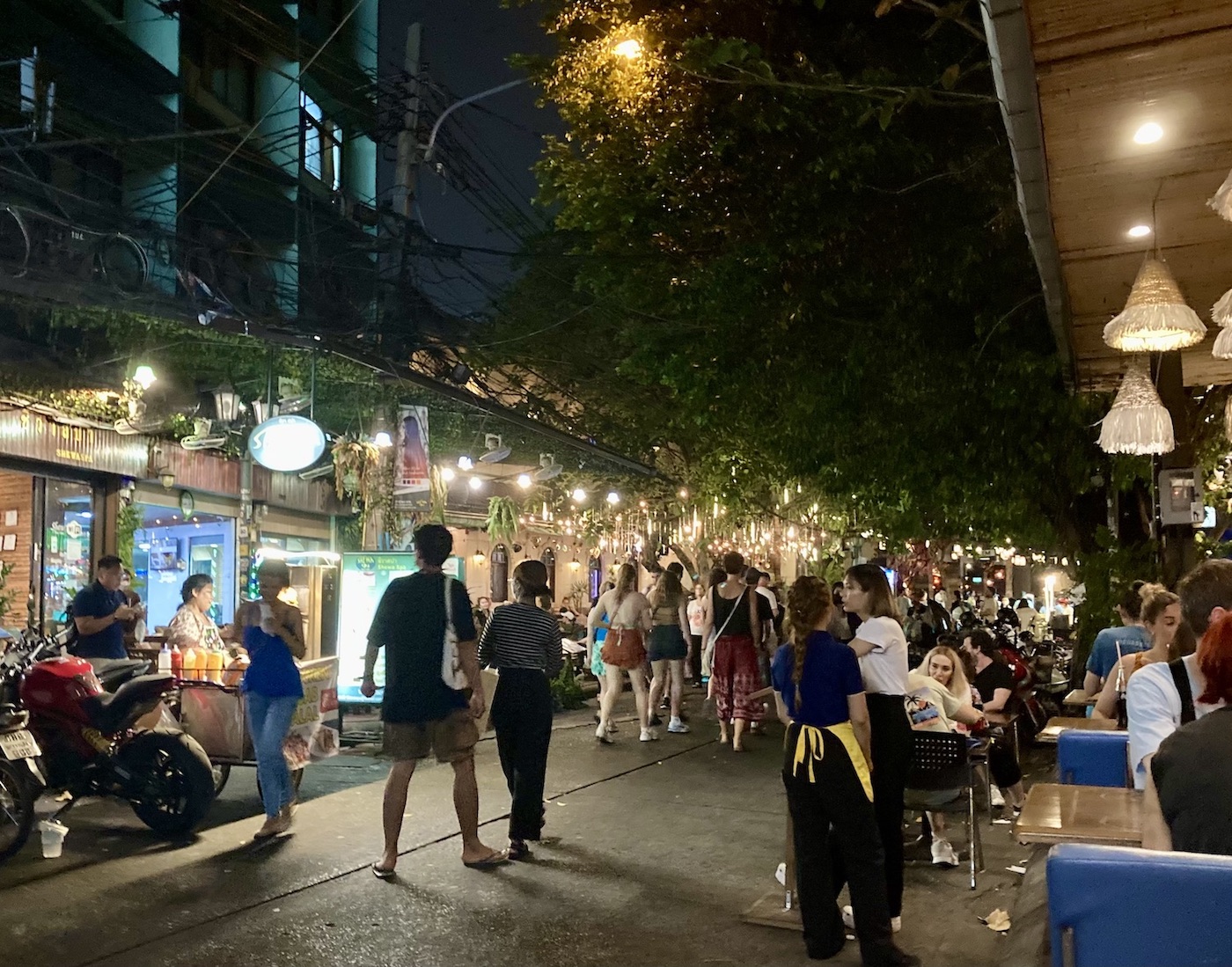
No trip to Bangkok is complete without some time in the backpacker hub of Khao San Road with its many bars, restaurants, cannabis cafés and places offering Thai massage.

There are a huge variety of interesting street food stalls — some offering cooked spiders, scorpions and other unsavoury creatures which DonQui is not tempted to try. The area may be a bit of a tourist cliché but it is a lot of fun.

So he takes a pew, orders a beer or two, and settles in to watch the wild life.

Temples and Palaces

The next leg on DonQui Oaty’s around the world adventure is Bangkok Thailand. He is only spending a few days here so he will be staying in the city and not venturing out into the Thai countryside. Hopefully he can do that another time in the future.

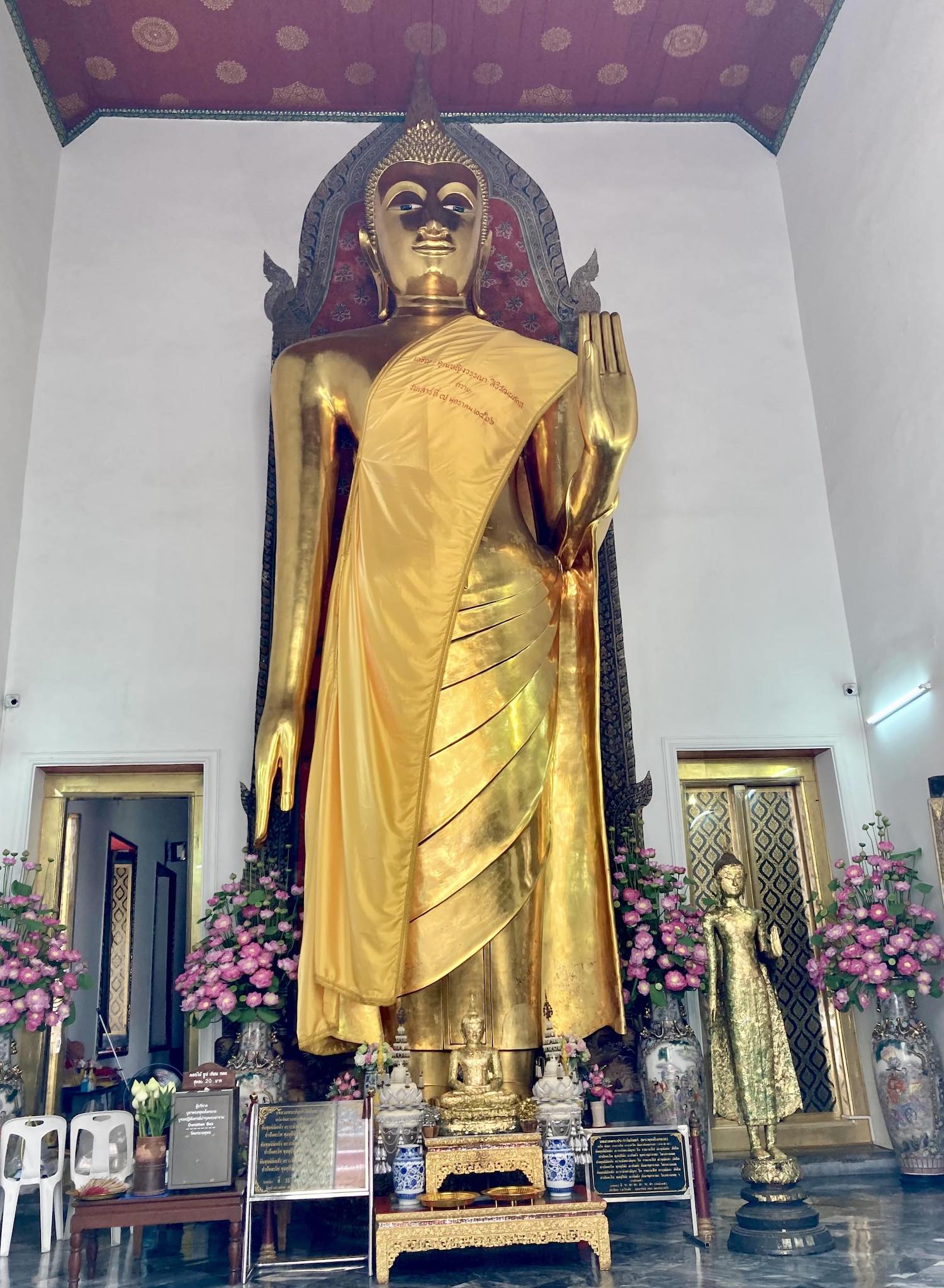
He starts his explorations with a visit to Wat Pho buddhist temple.

DonQui is rarely at a loss for words and he likes to think he is pretty good with them. Yet the awe inspiring beauty of Wat Pho takes his breath away. 

No amount of superlatives can do justice to what he feels as he trots around the temple in a state of bemused amazement.

He goes to the Royal Palace early the next morning — warned in advance that later in the day it is overcrowded with large groups of Chinese tourists.

The huge sprawling complex has its fair share of incredible structures.

DonQui is glad that he gets to the palace early in the day. Although there are a fair number of other visitors, he is able to contemplate the beauty and intricate craftsmanship in relative peace and quiet.

The prang of Wat Arun is a dominating landmark on the other side of the river from where DonQui is staying. Also known as the Temple of Dawn, it is actually shown off to its best advantage at sunset.

DonQui hops on a ferry for the short ride across the river to see it close up. 

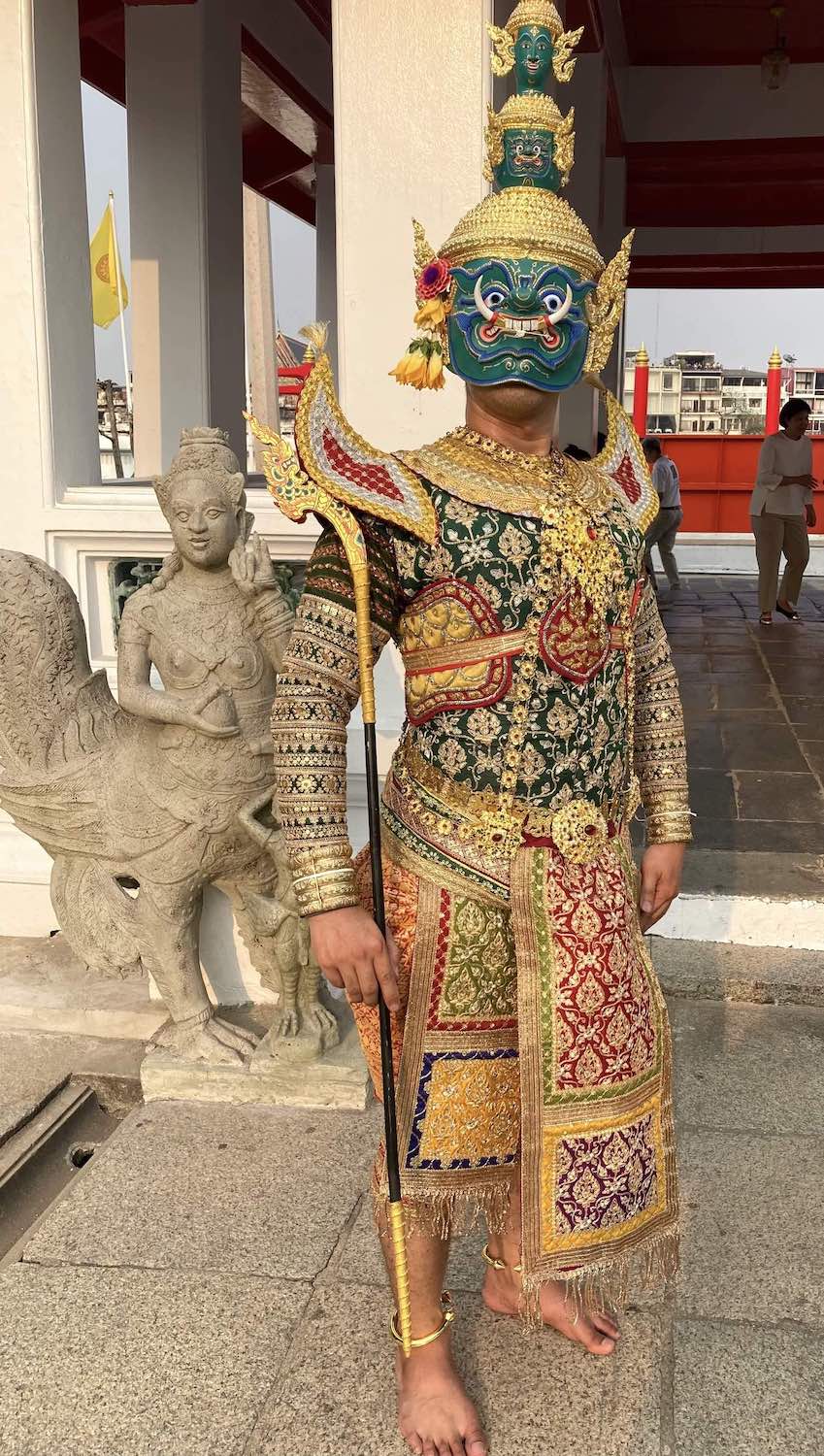
These monkey-warrior guard statues look pretty formidable.

As does the man dressed in costume to resemble them.

There is actually quite a bit of cosplay going on. Pleasantly surprised to see so many people dressed in traditional Thai costume, DonQui wonders if there is a special celebration happening. Then he hears a group of them speaking Japanese. He later learns that there is a roaring business of little stalls renting traditional costume for visitors to wear, taking pics of each other for their instagram feeds.

Canggu Explorations

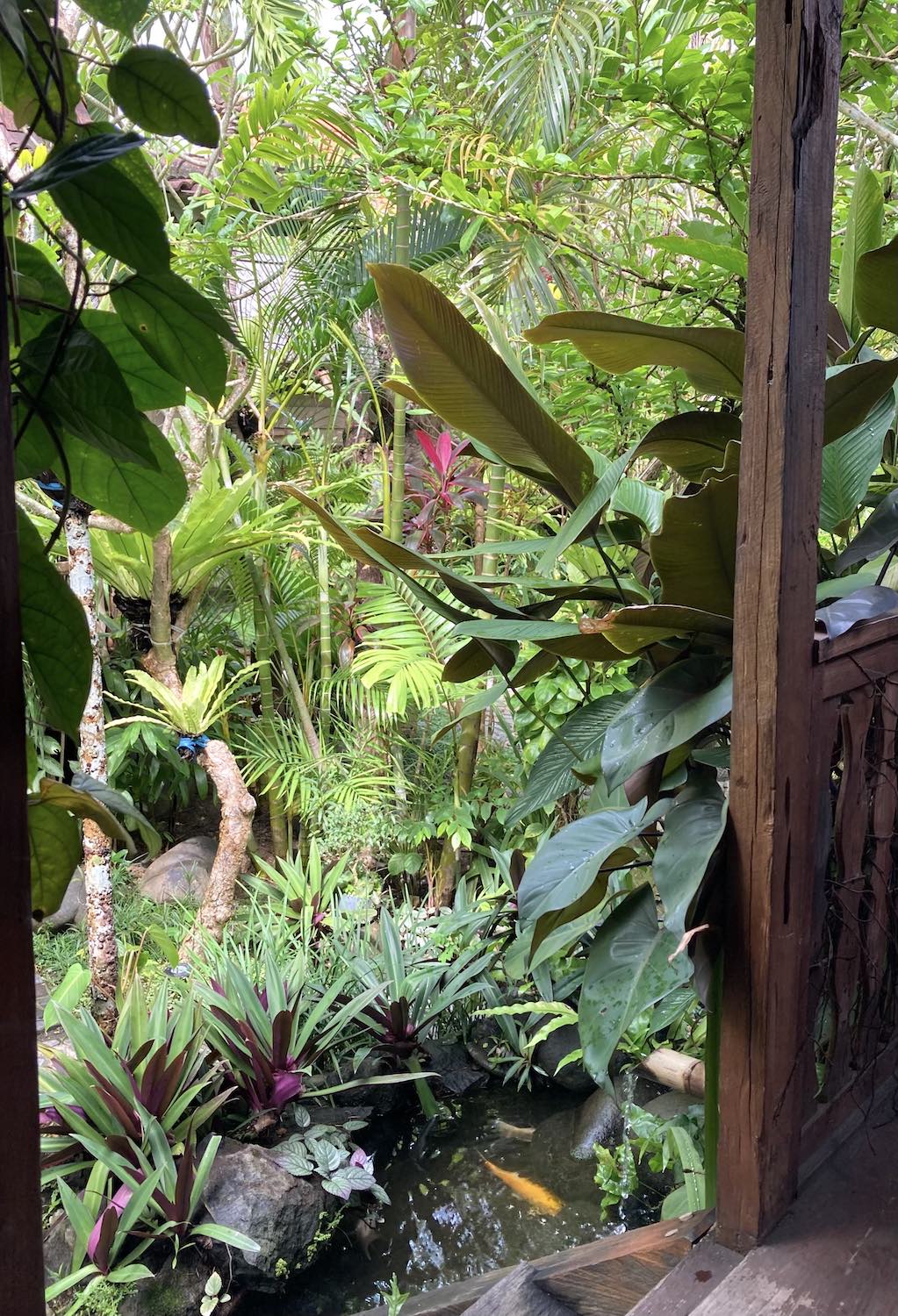
DonQui’s fabulous yet inexpensive lodgings are an oasis of greenery and calm in the buzzy backpacker/surfer/hipster enclave of Canggu, Bali.

Next door is the highly rated Crate Café which does have very good coffee. However the weird combinations of food on offer seem designed to be instagram-able, and to please the taste buds of homesick Australians rather than a travelling donkey. There is nothing local on the menu and all the customers are white — apart from DonQui who is slightly greyish.

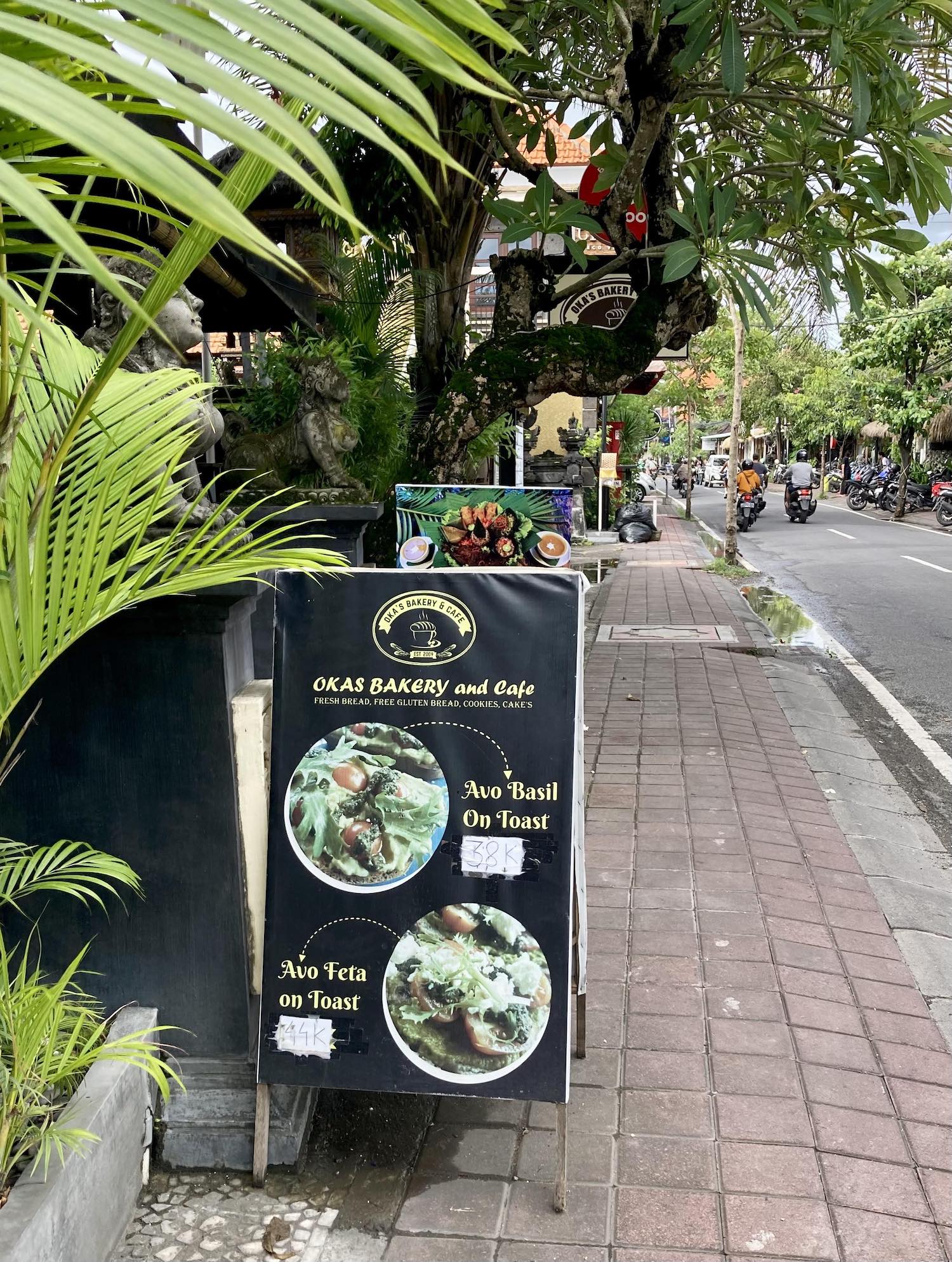
Scratching his head, DonQui wonders why people travel so far just to have the same stuff they would have at home, Then he trots off in search of something vaguely Balinese to eat. This is harder than he would have thought. Amongst the tattoo parlours using 100% vegan ink and barber shops offering beard trims, there are plenty of restaurants. On offer are vegan ‘whole foods’, Keto-friendly options, poke bowls, protein smoothies, ramen, tacos, sushi, and avocado on everything. In short nothing that appeals to DonQui’s taste buds.

Finally DonQui stumbles upon Pali — an actual Balinese restaurant in an airy setting overlooking a rice paddy, and not a stray hipster in sight. DonQui samples the utterly delicious Nasi Campur Rendang. The spicy chicken satay skewered on a lemongrass stalk is a particular treat, as is the Urap (cold steamed vegetables with spiced grated coconut).

Feeling thoroughly refreshed, DonQui walks down to nearby Echo Beach and then along the black sands towards Pererenan.

Passing a family at their devotions, DonQui enjoys the underdevelopment of the beaches here and wonders how much longer they will remain so.

The beach at Pererenan is dominated by the amazing Gajah Mina statue which depicts Lord Baruna, ruler of the sea, riding a fantastic mythical creature.

Deciding that he wishes to explore further afield, DonQui realises that he needs to join Bali’s scooter madness, since hiring a scooter is really the only way to get around.

Before allowing himself to create mayhem on the streets he books himself in for a session with the excellent Mamo from Canguu Scooter Lessons. Soon DonQui is feeling confident enough to be let loose on the road.

A half an hour ride takes him to Tanah Lot temple which is spectacularly set on rocks above the Indian Ocean.

There are some pretty stunning views…

… and a parlous crossing at high tide.

Before leaving the temple, DonQui decides to stop for a famous Luwak Coffee. This is made from coffee beans which have eaten by luwaks (civets), partially digested and then evacuated before being gathered up for processing. Due to its unusual and limited production method this highly prized coffee is amongst the most expensive in the world. DonQui thinks it is a most excellent brew and he is getting a bargain at Rp 50k (around £2.70) a cup. 

The café owner even has a luwak (related to a mongoose) resting on the bar after its digestive exertions! 

The mobility of the scooter allows DonQui to reach further away beaches and find more authentic Balinese restaurants beyond the hipster ghetto. Of the latter, the unobtrusive Home by Chef Wayan is particularly good. He also enjoys Babi Gulung (Balinese suckling pig) from a roadside stop.

And no, he does not try his hand at surfing.