Vineyards, forests and lakes

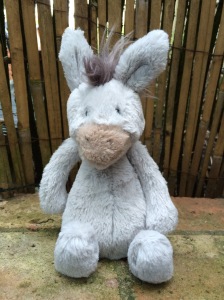
For several days DonQui explores a corner of southwestern Germany. It is a region he knows well so he is partly revisiting old places and memories as well as making new discoveries.

His route winds through the flat Rhine valley and up into the vineyards on the Badische Weinstraße (Baden wine route). Baden wines are excellent but are pretty well unknown in the UK as virtually none are exported. Produced in relatively small quantities, the locals prefer to drink it all themselves!
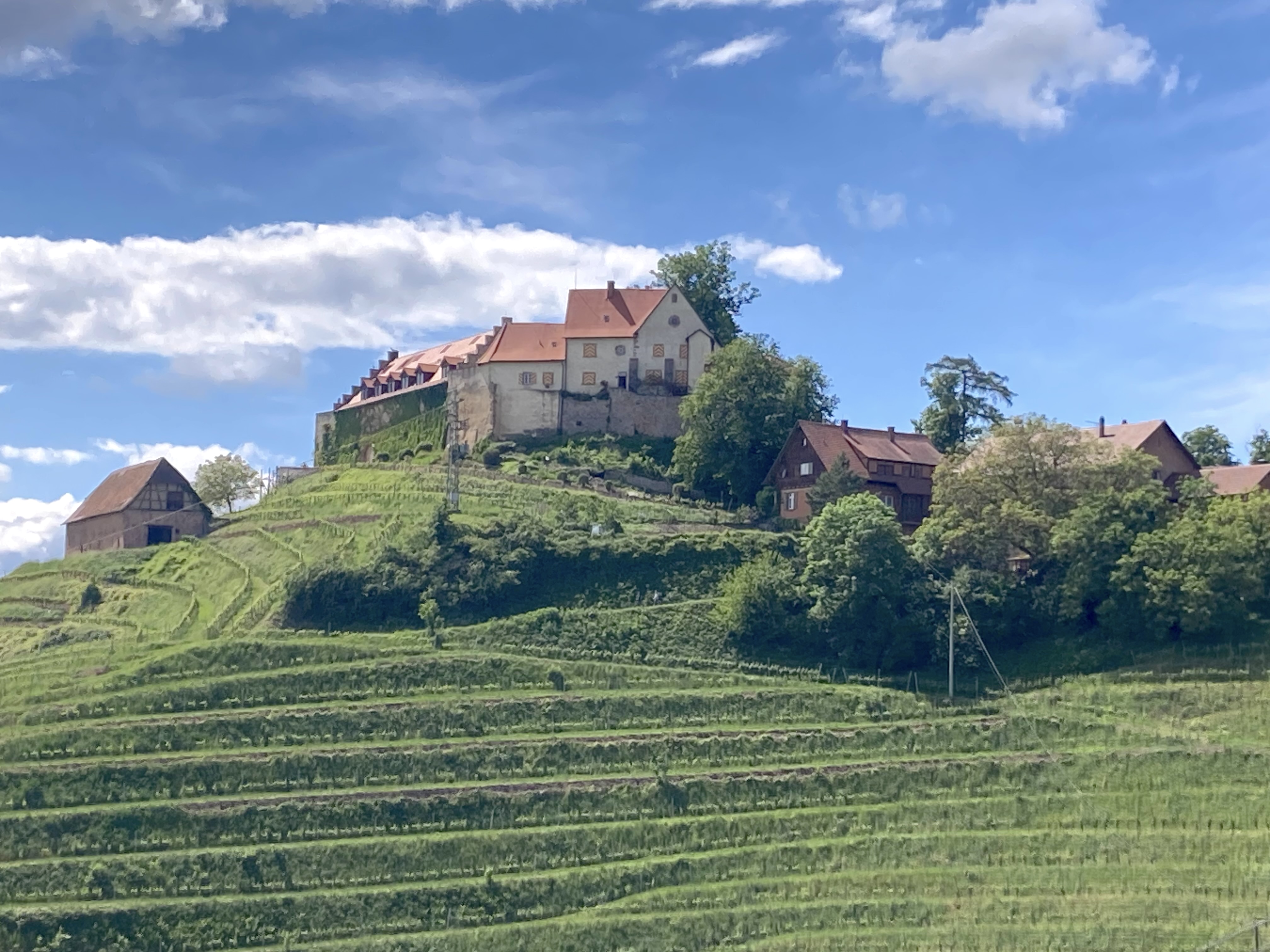
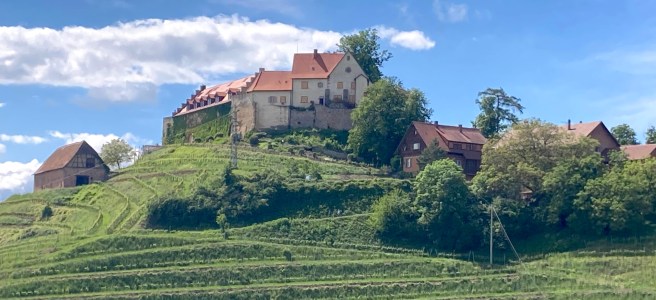
DonQui stops off for a couple of days at Durbach where some of his favourite wines are grown in the vineyards surrounding the Markgraf von Baden’s Schloss Staufenberg. For centuries the Schloss has stood guard against invading French armies with the Markgraf (Marcher Lord) having responsibility for the defence of this border region on behalf of the Emperor in Vienna.

Needless to say DonQui picks up a bottle or three of the Markgraf’s wine— bringing him perilously close to the 18 litre limit he is allowed to bring back to the UK. He may have to drink a few bottles on his trip before passing through customs.
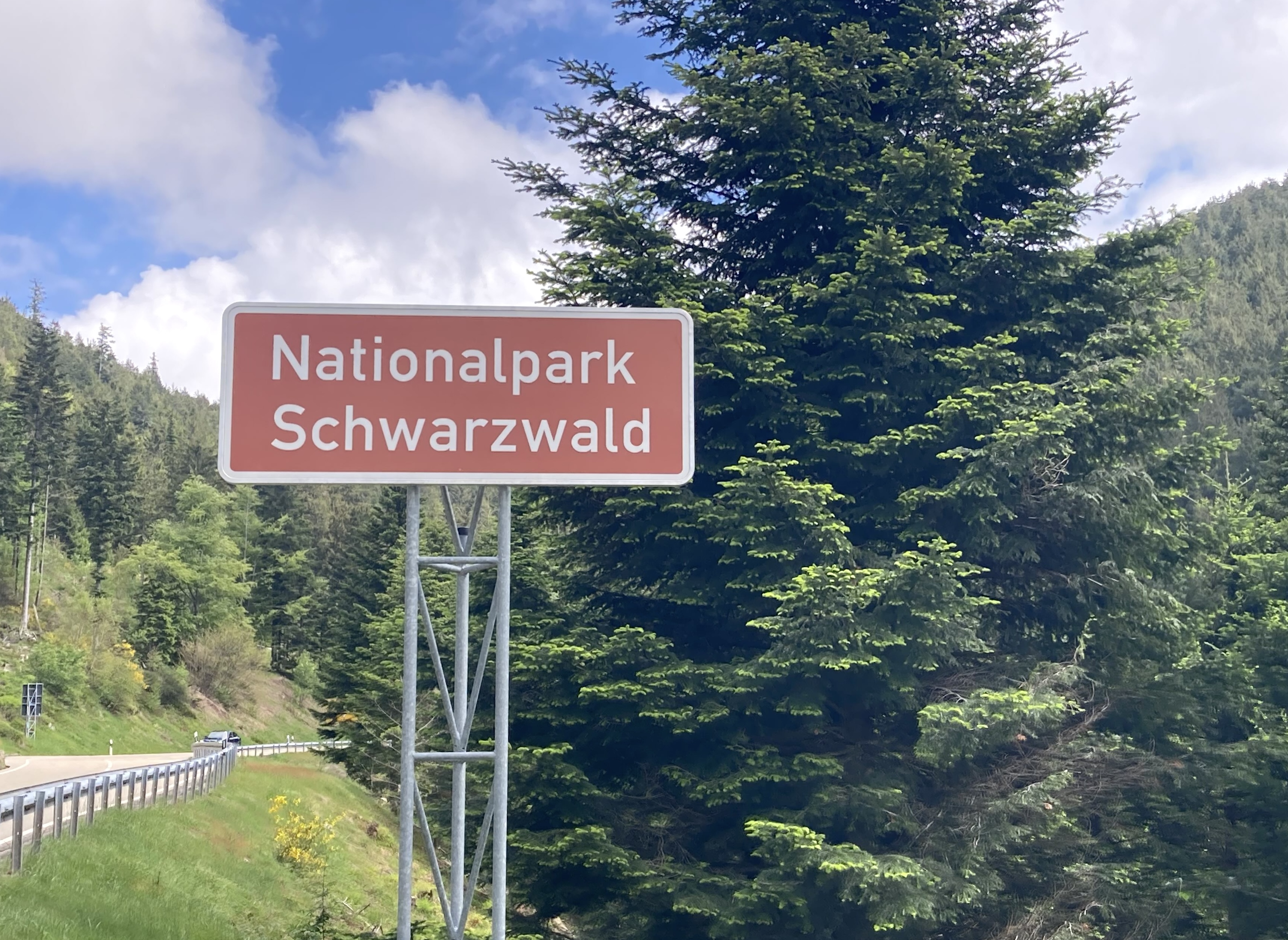
Then it is up the long and winding road into the hills and forests of the Schwarzwald (Black Forest) towards Freudenstadt.

Here he takes the opportunity to trot along some of the many nature trails. Hopefully he will burn off a small proportion of the calories he has been consuming!
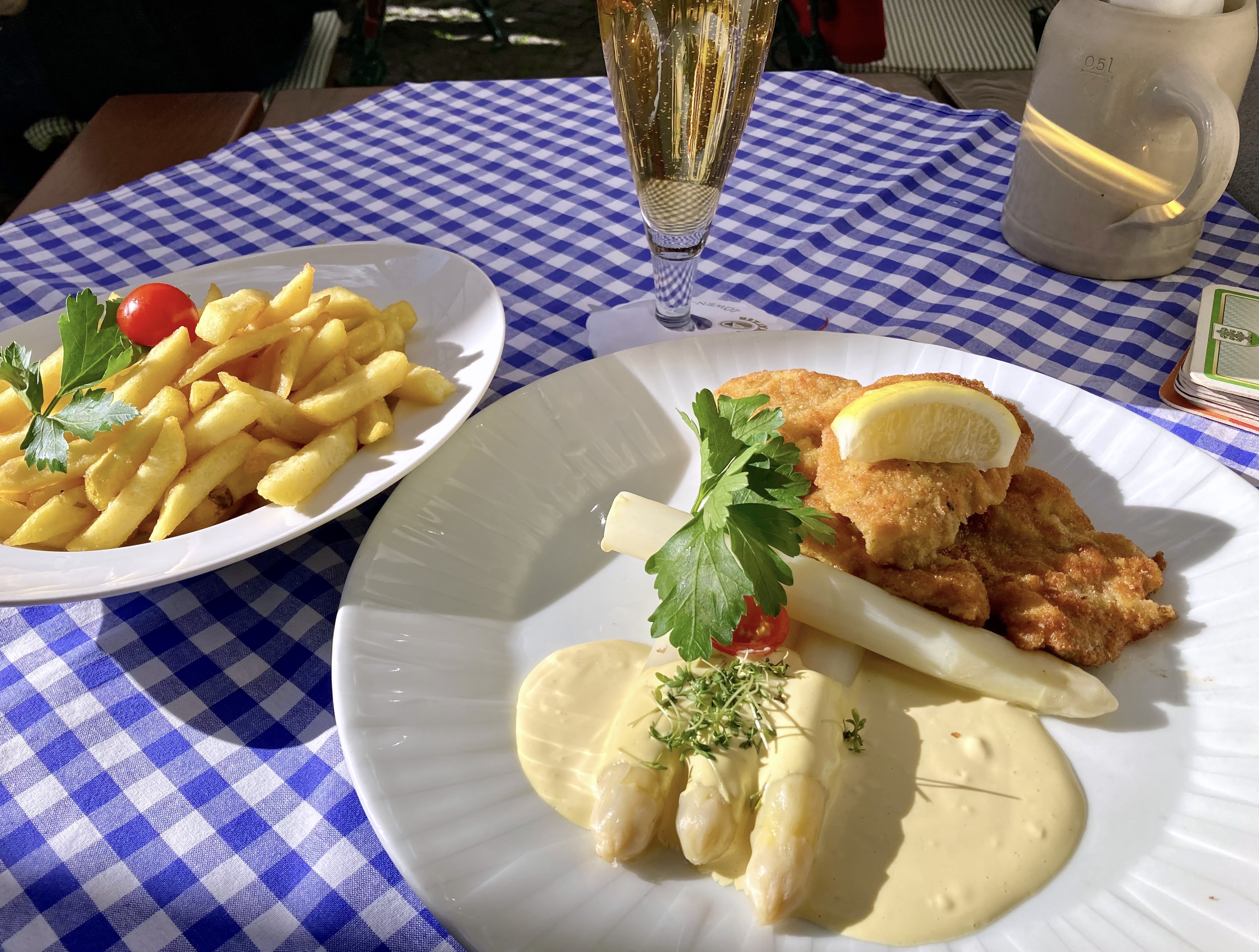
This being an asparagus producing area and it being asparagus season, the vegetable appears on virtually every menu. DonQui enjoys the more delicate white asparagus for a change as they are very hard to find in the UK.

The weather turns when he makes a trip to the Mummelsee. It is said to be an incredibly beautiful lake but DonQui cannot conform this as the rain and thick fog reduces visibility down to just a couple of meters. The Mummelsee is said to be inhabited by Nixies (water sprites). The low cloud and mist makes it easy for him to imagine that this may very well be true.
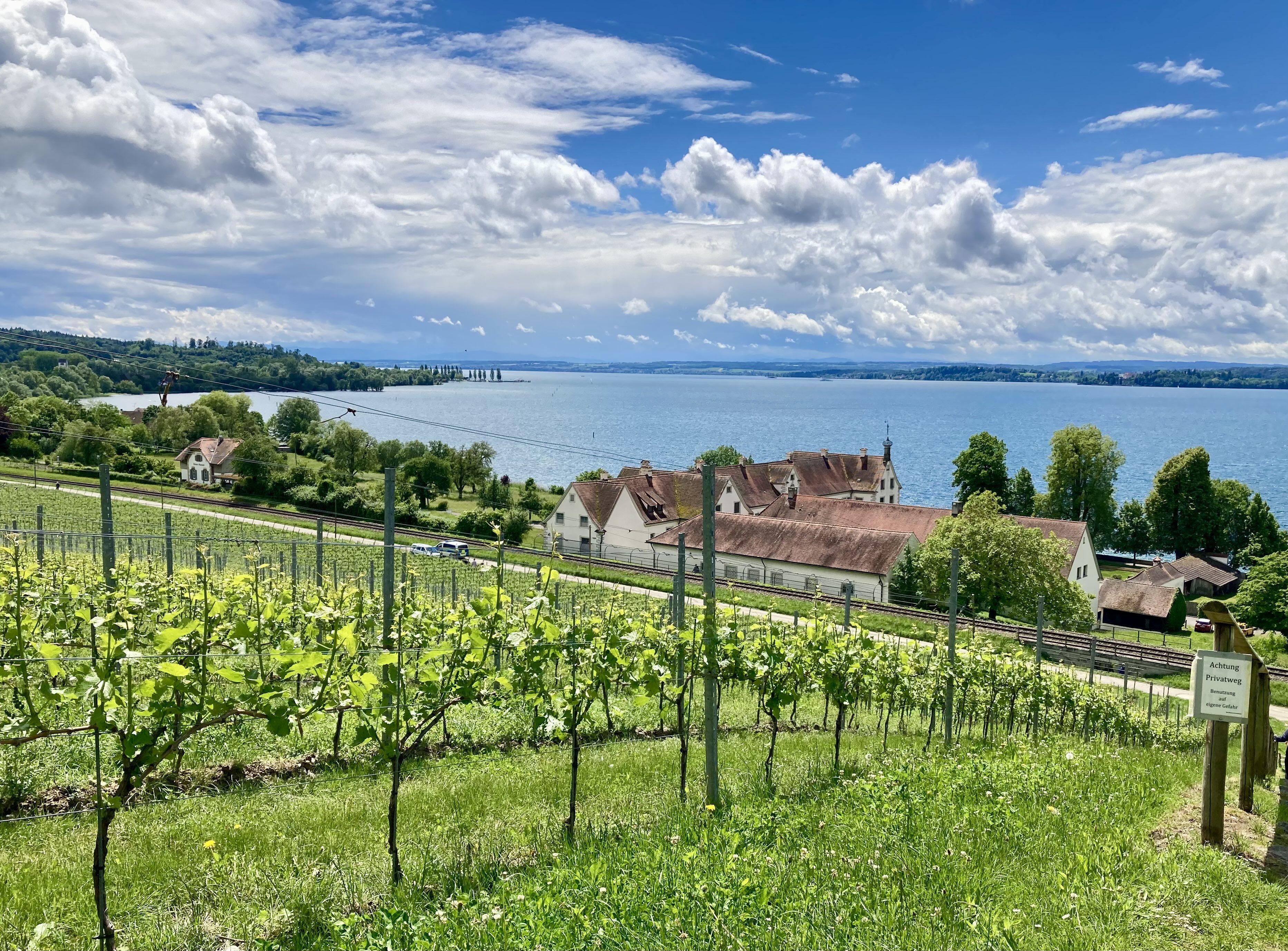
DonQui’s route then takes him down to Lake Constance at the southern end of Germany. Switzerland is on the other side of the lake. Finding a relatively empty stretch of Autobahn on the way down he gets the chance to blow out the cobwebs from his car at 100 mph without having to worry about speed cameras (there being no speed limit on a German autobahn).
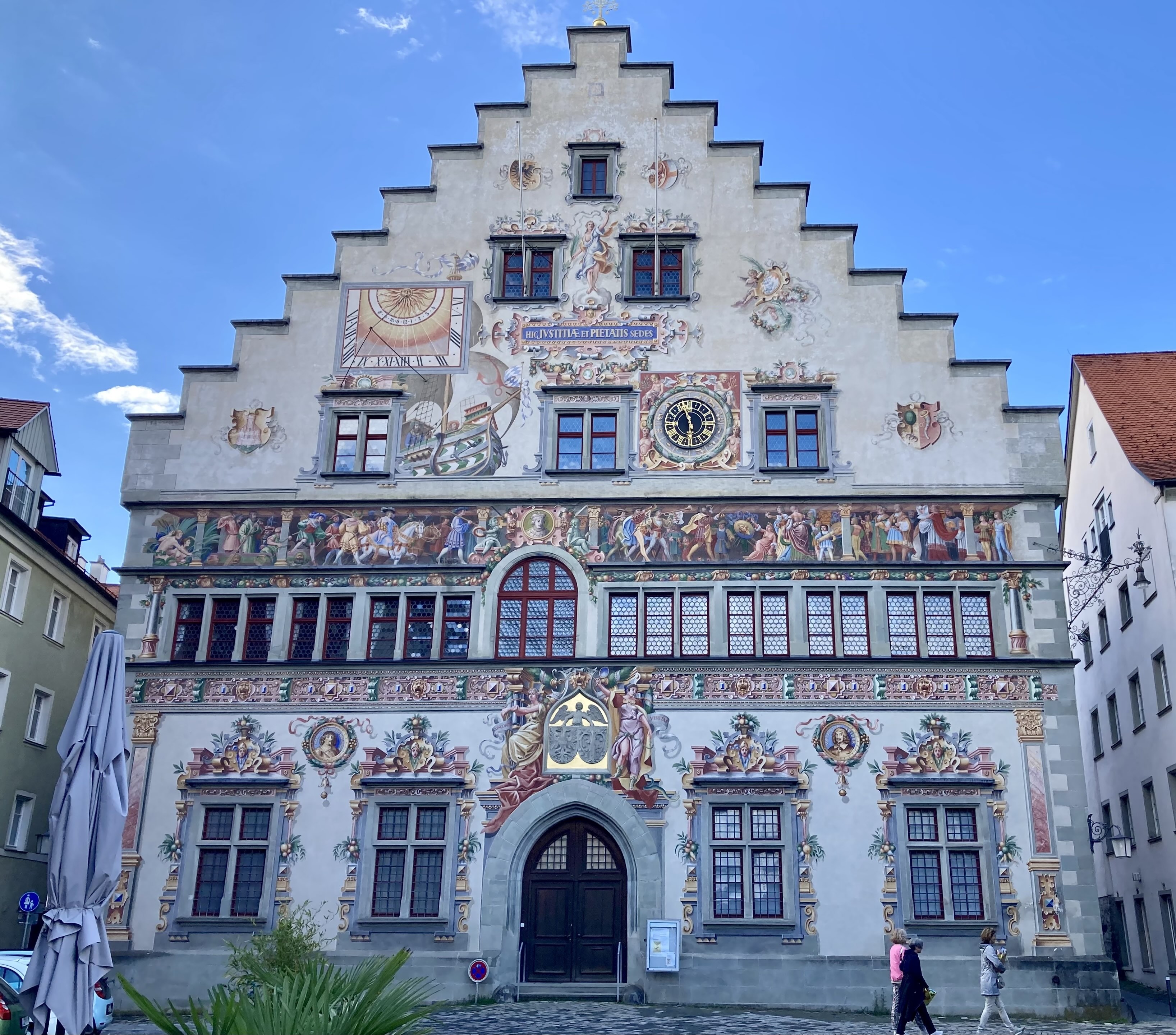
His final pit stop in Germany is the pretty town of Landau. The old fortified town is on an island in Lake Constance and boasts a most impressive 15th century town hall…

… and 13th century tower than once also served as a lighthouse. It is known as the Rapunzel tower. hence the ‘rope of hair’ hanging down from a high window,

Situated at the juncture of the German, Austrian and Swiss borders Lindau is a perfect jumping off spot to cross the alps and head down on into Italy. This is what DonQui will do tomorrow.

Fine dining in Alsace

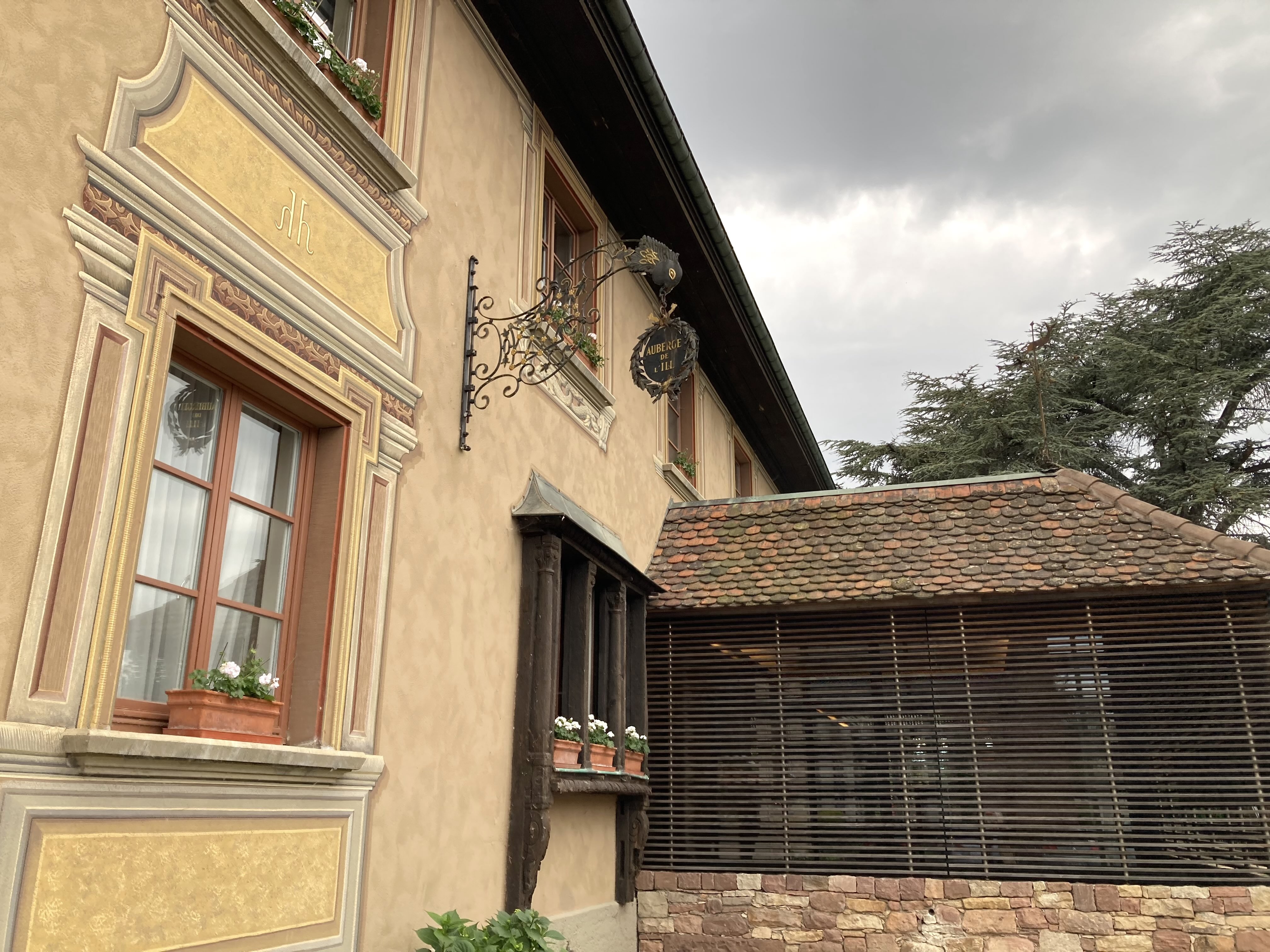
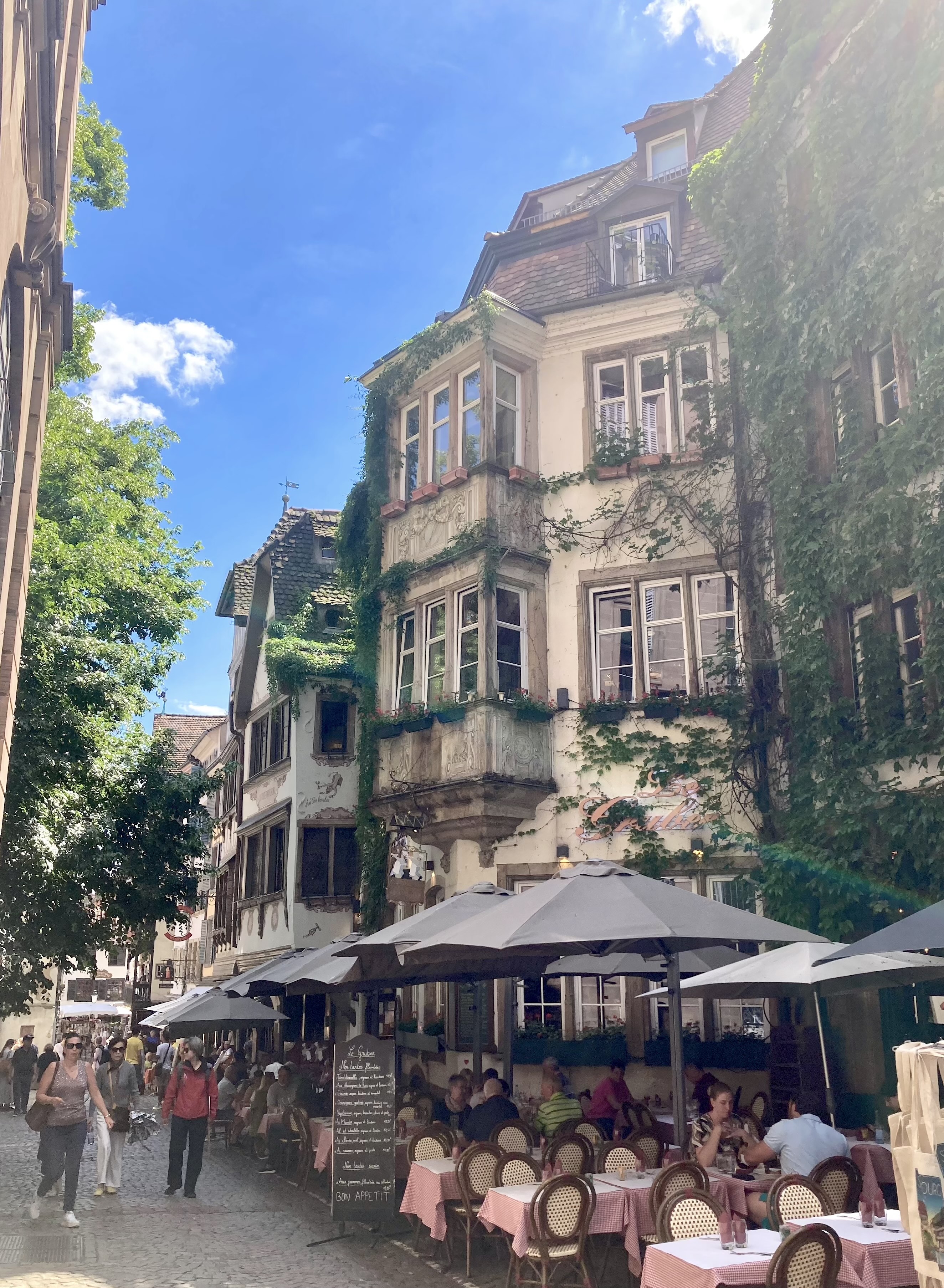
Eating well in Alsace is not difficult. There is very little about Alsatian cuisine than DonQui does not love. On this trip he decides he will try some of the best. He has managed to secure reservations at two of the top restaurants in the region: Au Crocodile in Strasbourg and L’Auberge de l’Ill in Illhaeusern just off the Route des Vins about half way between Strasbourg and Colmar.
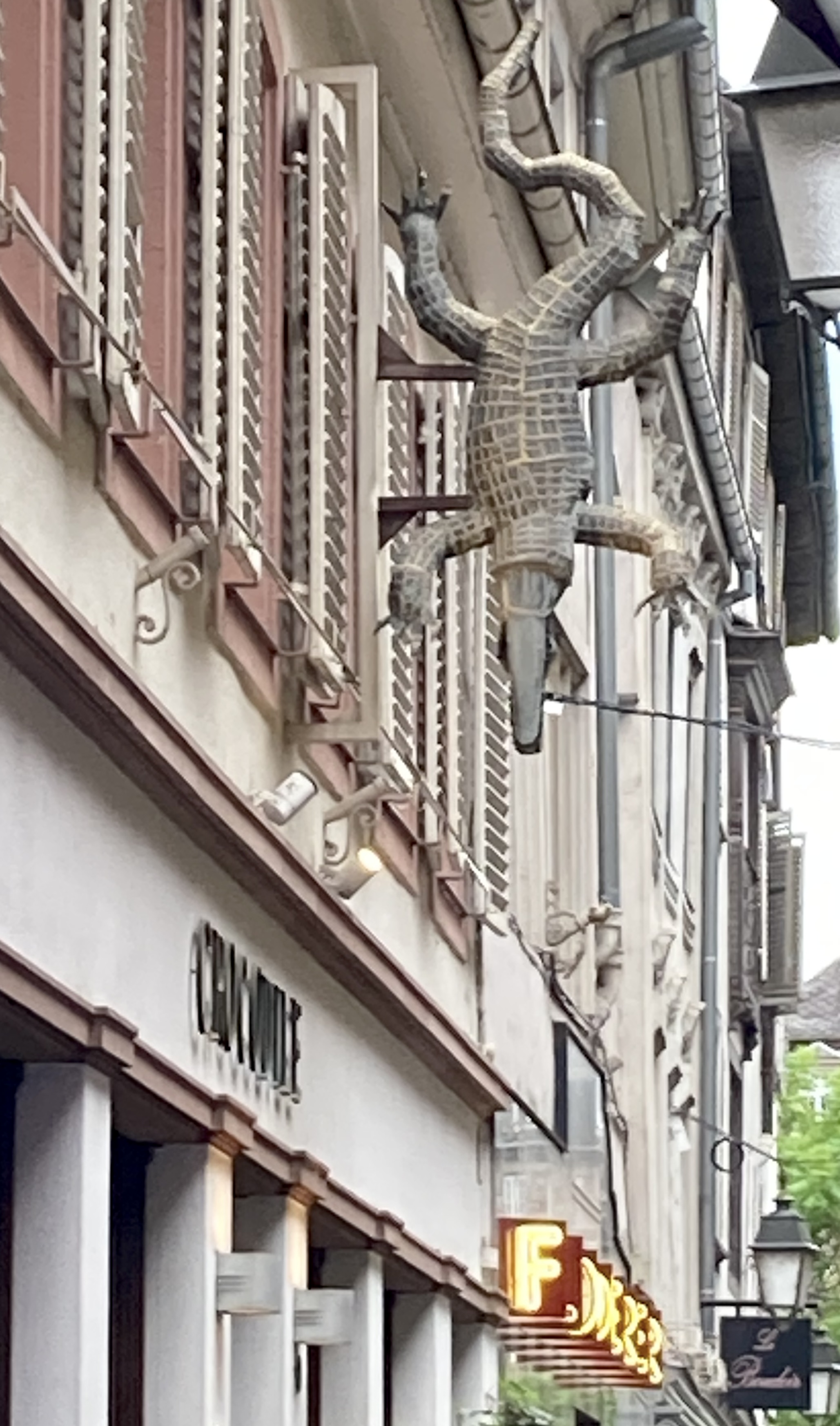
Au Crocodile gets its name from a stuffed crocodile brought back from Egypt by Captain Ackermann, one of Napoleon’s officers. It became a restaurant in 1840 and the original crocodile is still there on display.

Taking his seat DonQui is most impressed by the ambiance. There is an intimate feel the the restaurant and a sense of its history with the painting of 1840s Strasbourg dominating the dining room. The waiters are very knowledgeable and professional.

Feeling adventurous, DonQui opts for the chef’s ‘discovery menu’: starter, fish course, meat course and desert. It is less expensive than 3 courses à la carte but it is what the chef has decided with no indication of what that is. Even the waiters say they do not know the menu. So DonQui must trust the chef’s expertise.

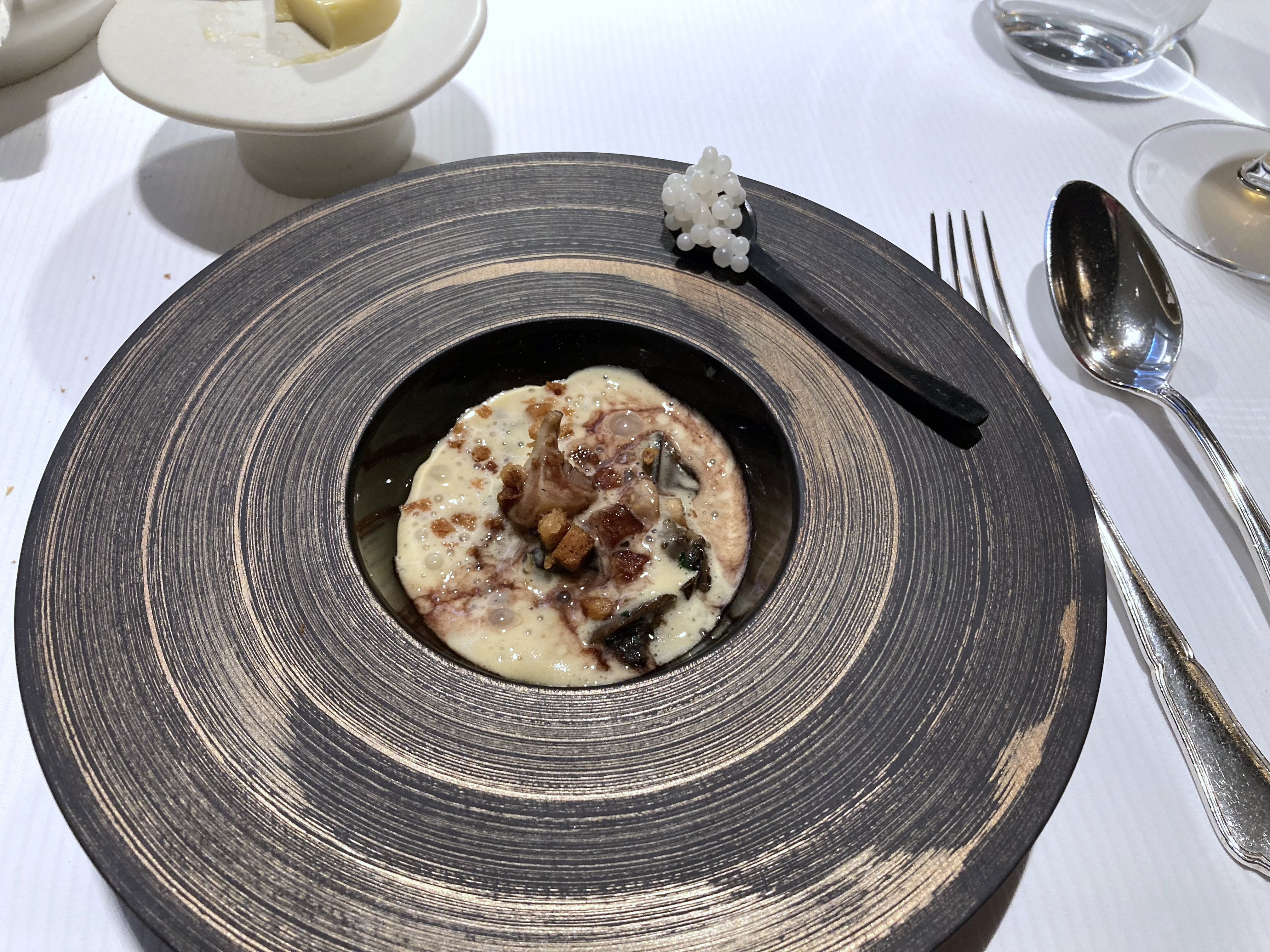
The absolute highlight of the meal is the starter of snails cooked with speck in a sabayon sauce with cheese — and snail caviar on the side. The flavours are perfectly balanced and the snail caviar an interesting addition. It is far less salty than the more usual fish caviar.

A close second is the pollock with spring vegetables and wild garlic mousse. It is the wild garlic mousse that really makes it. DonQui has some wild garlic in his garden and will attempt to do something similar next year (it being too late in the season by the time he gets home). He is advised by the knowledgeable waiter to pick the wild garlic before the flowers come out.

Being a bit of a cheese lover DonQui cannot resist sampling a selection of cheeses before moving on to desert. The star of the cheeses is the local Munster, kept under a glass dome — no doubt to prevent the pungent aroma from permeating the dining room.

L’Auberge de l’Ill has more of a country feel which is appropriate given that it is out in the countryside far from urban development. This time DonQui orders à la carte.

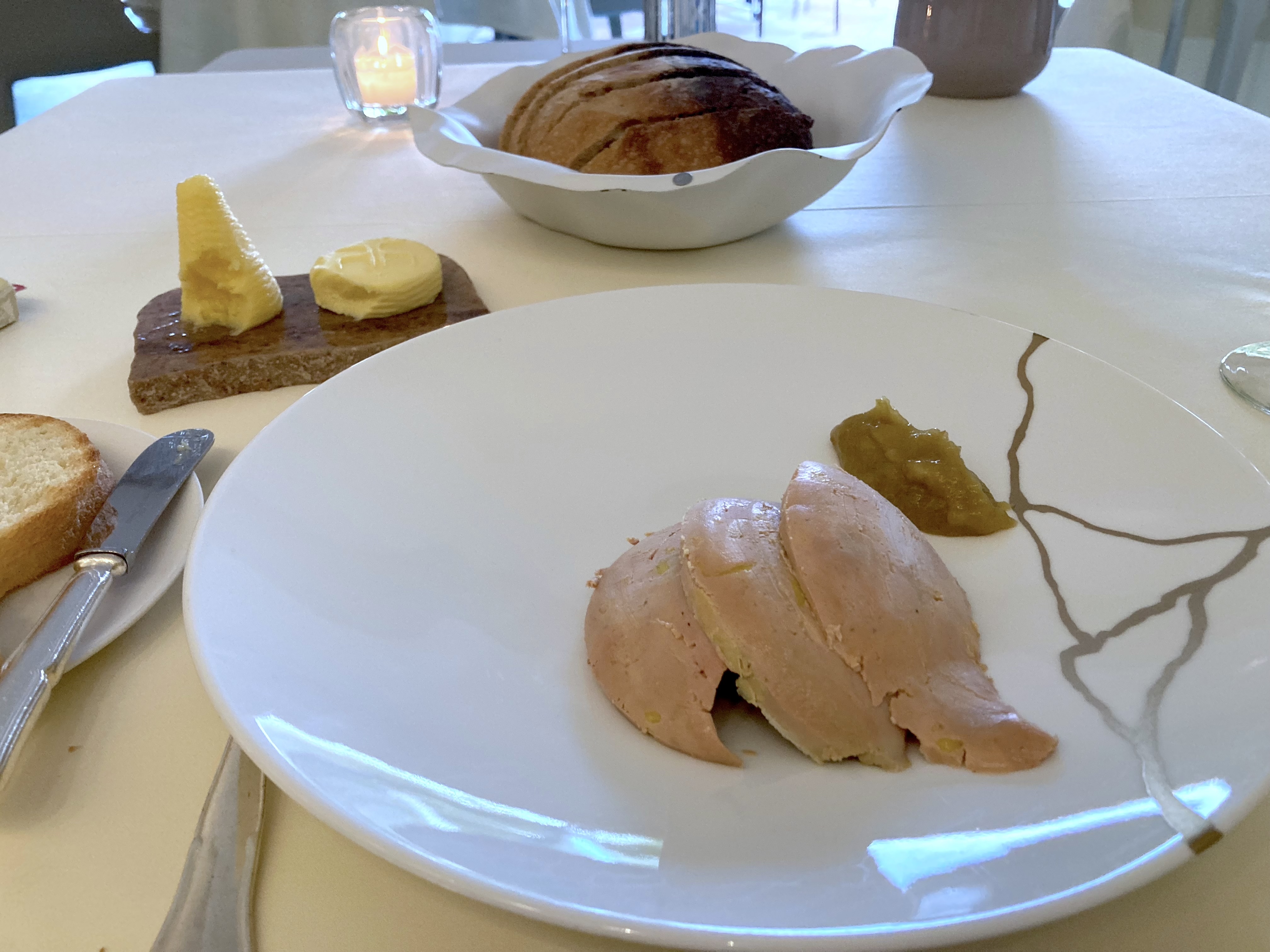
The homemade terrine de foie gras is absolutely delicious.

As is the filet de veau main course.

Then comes flambéed crepes filled with cream and sour cherries. If that is not calorific enough there is also a side of ice cream! DonQui washes this down with a fine calvados.

Both restaurants provide excellent classic dishes without fuss and without trying to be too clever or ‘chefy’. DonQui finds each dish executed to perfection by confident chefs who have no need to show off.

So if he could only choose one, which would it be? It is a difficult choice because the food at both is wonderful. If he had to make a choice, DonQui would probably go for Au Crocodile because of the ambiance and highly professional service. Incidentally the price of his meal at Au Crocodile was less than at L’Auberge de l’Ill.

On the Route des Vins d’Alsace

After a bit of a wander around Strasbourg and a very fine meal (more on that later), DonQui decides to explore the Route des vins d’Alsace from Strasbourg to Colmar.

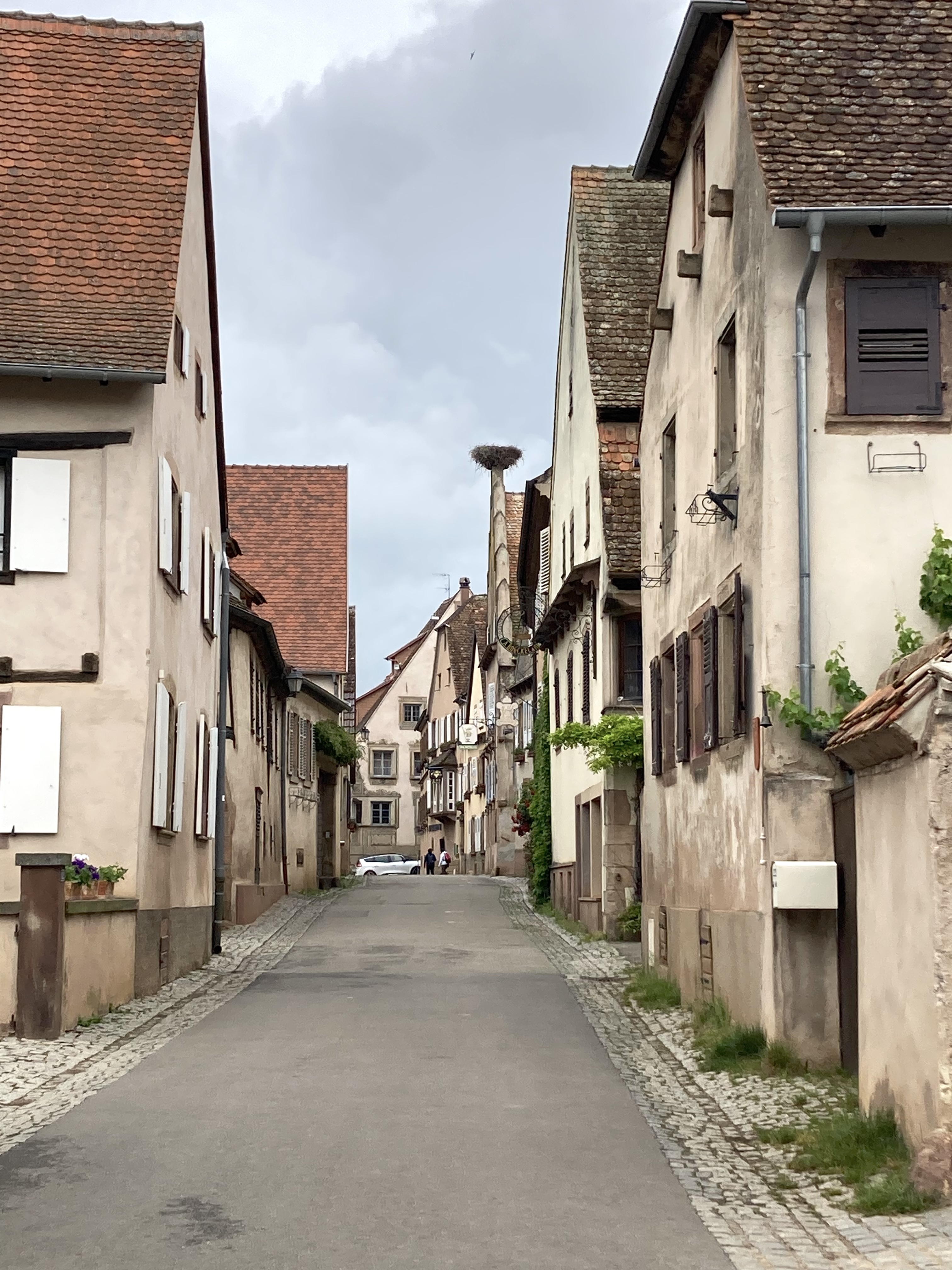
His first stop after leaving Strasbourg is Mittelbergheim — an unspoiled and non-touristy village in the foothills of the Vosges where the vines of Alsace are cultivated. He is quite excited to see a stork with chicks in her nest above the church.

At Hunawihr he makes his first purchase after a little sample of the wines on offer. Safety conscious readers should note that, as he is driving, he only takes a mouthful of each.

Then he trots up a hill to take a look at the 14th Century fortified church which is surrounded by walls complete with bastions and firing ports. 

Alsace has been tramped over and plundered by a succession of armies right up until 1945. DonQui imagines the medieval peasants fleeing the village below for the safety of the church as they see an approaching robber baron.

At dinner in Strasbourg the previous night DonQui had sampled a lovely pinot noir from Dambach-le-Ville so he heads there to procure a case. 

Dambach-le-Ville is a lovely little walled village with yet another nesting stork. 

DonQui dose not remember seeing so many storks in the Rhine valley before but on this trip he sees many of them. It is perhaps a good sign of nature recovering.

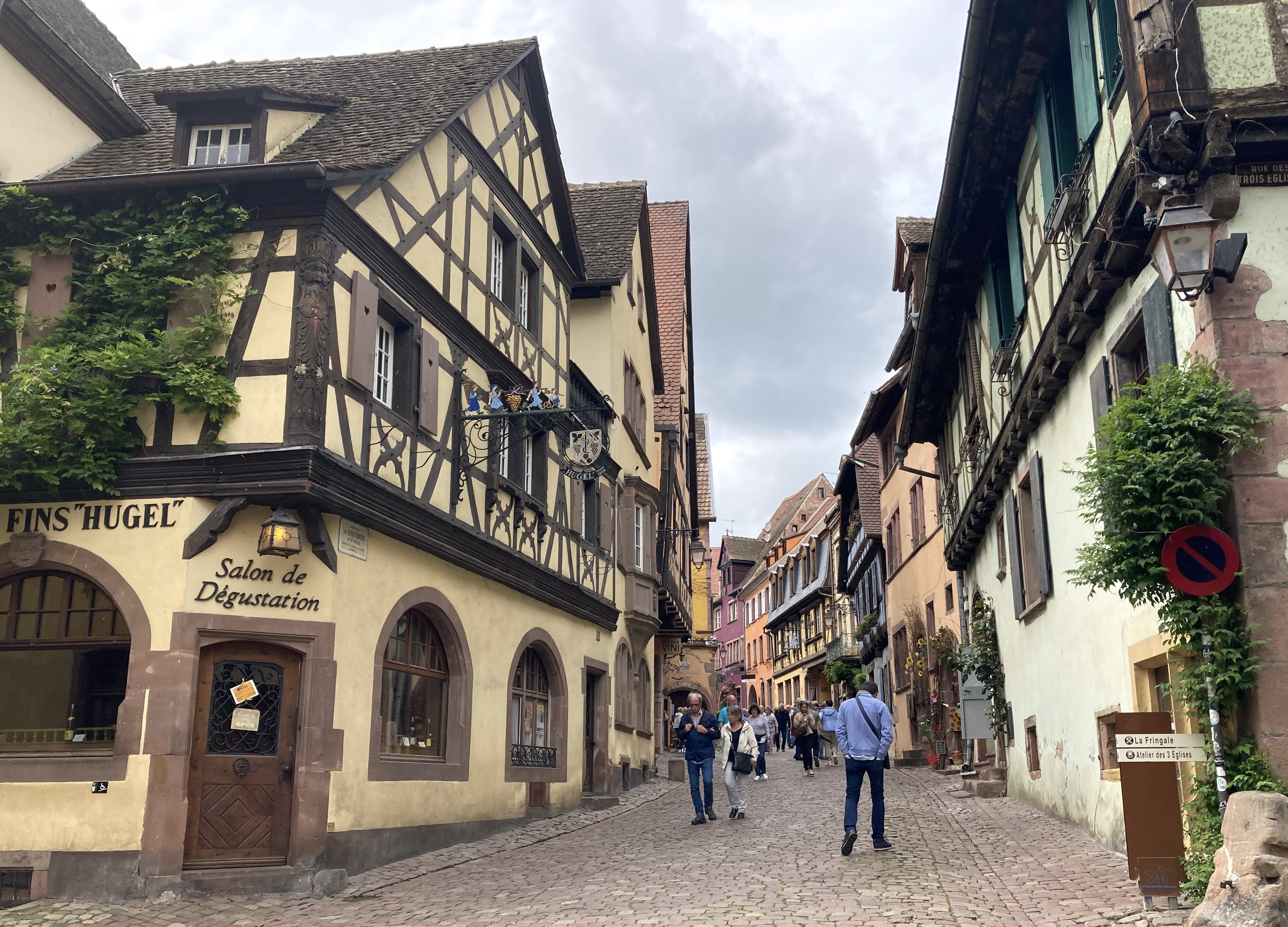
DonQui also stops off at Ribauville and Riquewhir. He remembers the latter village as being particularly beautiful on a previous visit years ago.  Yes it is pretty but it seems to have succumbed to a bit of Disneyfication. Unlike the other stops on his route it is also full of other tourists. Still it is enjoyable to walk around, although DonQui does not buy any more wine as post Brexit rules only allow him to bring 18 litres back to the UK.

DonQui’s final stop is the beautiful city of Colmar. From here he will cross the Rhine and head over to Germany.

All in all the Route des vins d’Alsace makes for a most enjoyable day out — leaving his car heavier (with cases of wine) and his wallet lighter.

A Pause for Thought

On the way to the Autoroute which will take him to towards Strasbourg, Donqui passes dozens of First World War cemeteries. It seems as if there is another one every couple of hundred  metres.

He decides to stop off and pay his respects at the Vimy battlefield where in 1917 the Canadian Division captured a prominent ridge now topped by a colossal monument. 

A section of the trenches have been preserved with concrete ‘sandbags’. DonQui paces out the distance between the original frontline Canadian and German trenches. They are only 50 metres apart! Between them are a number of craters formed by shells and the larger ones by mines set off in tunnels dug underneath the trenches.

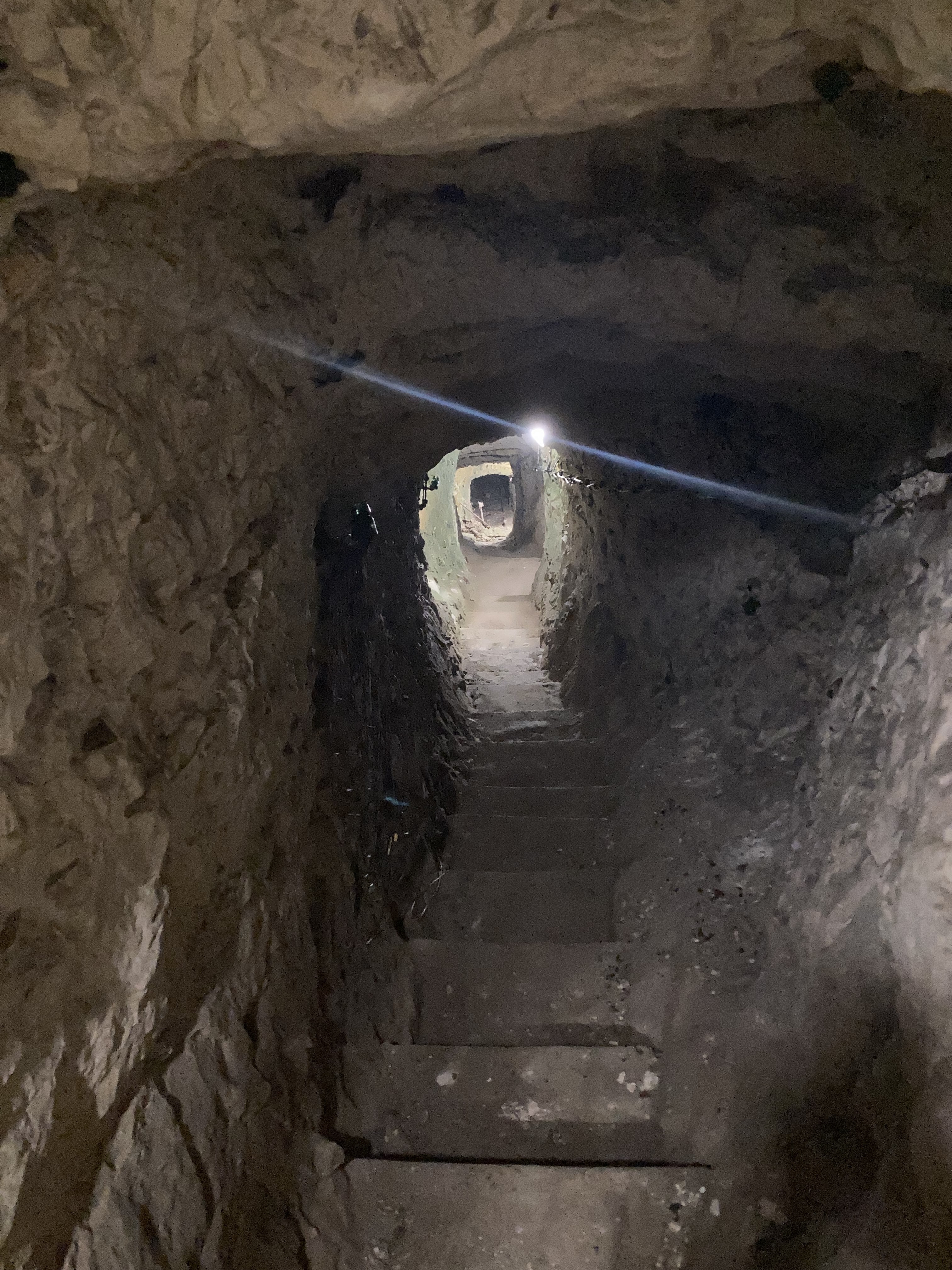
DonQui takes the evocative guided tour of a section of the tunnels — now reinforced and better lit than they would have been in 1917.  Parts of the tunnels served as field headquarters as well being a relatively safe way of moving between positions. 

One mine tunnel still exists, dug deep to work its way under the German trenches. This one was never blown. The big crater below was caused by an exploded mine.

Vimy is an amazingly evocative and sobering battlefield site — preserved, staffed and maintained by Veterans Affairs Canada.  DonQui had only expected to make a brief stop but ended up staying several hours. It gave him lots to think about.

Road Trip!

DonQui Oaty is excited to be off on his travels again. This time it is a road trip through France, Germany (a bit of Austria) and Italy. 

So passport in hand and car fully serviced with new front tyres, he sets off on the first stage. He is heading for Alsace but intends to break his trip at Arras. 

Actually his first break is at the channel tunnel where he encounters a massive traffic jam trying to get out of the terminal carpark and into the border control lanes. Designed when one could just wizz through, the traffic management is not set up to deal with detailed passport checks — yet another of the Brexit ‘benefits’ along with higher food prices and critical labour shortages. Even though he arrived more than 1 hour ahead of time, Donqui misses his booked train and has to catch the next one.

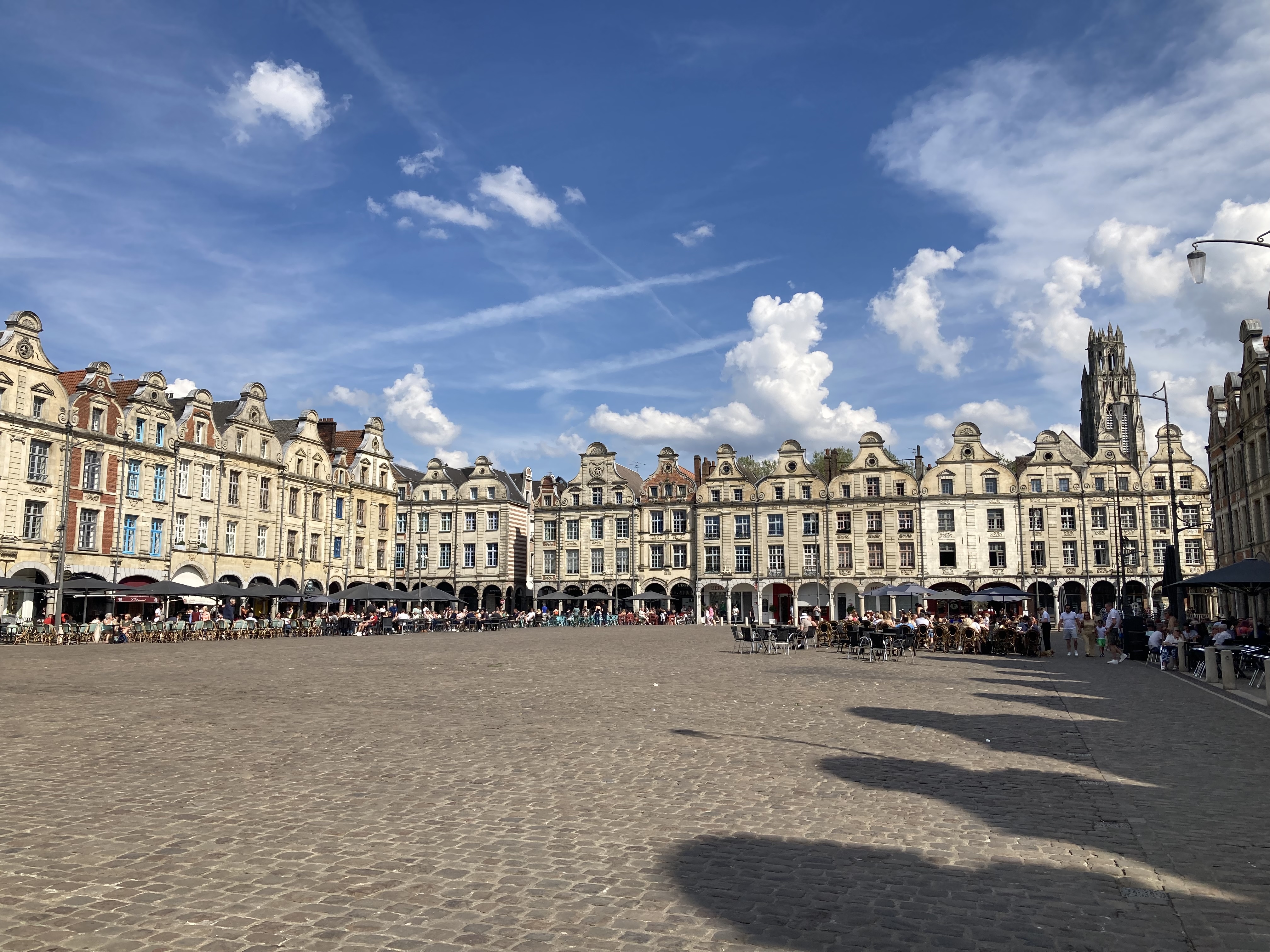
Arras is a very pleasant town with lots of good watering holes around the Place des Héros. DonQui is glad to have stopped here.

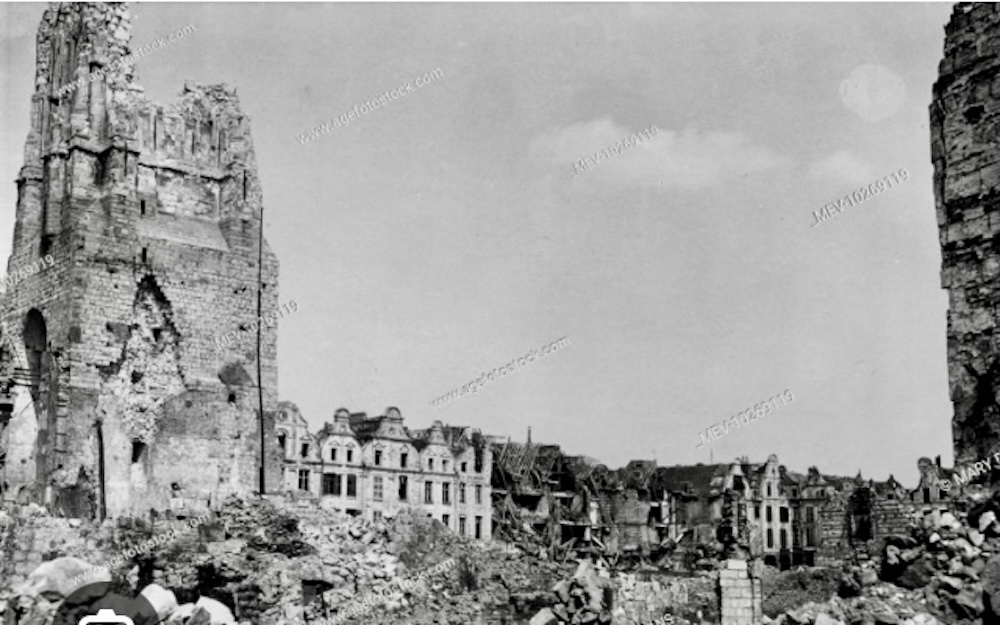
It looks a lot better now than it did in 1917 when it was the centre of a British offensive in the First World War. The above photo being the same square where DonQui stops for a drink more than a century later.

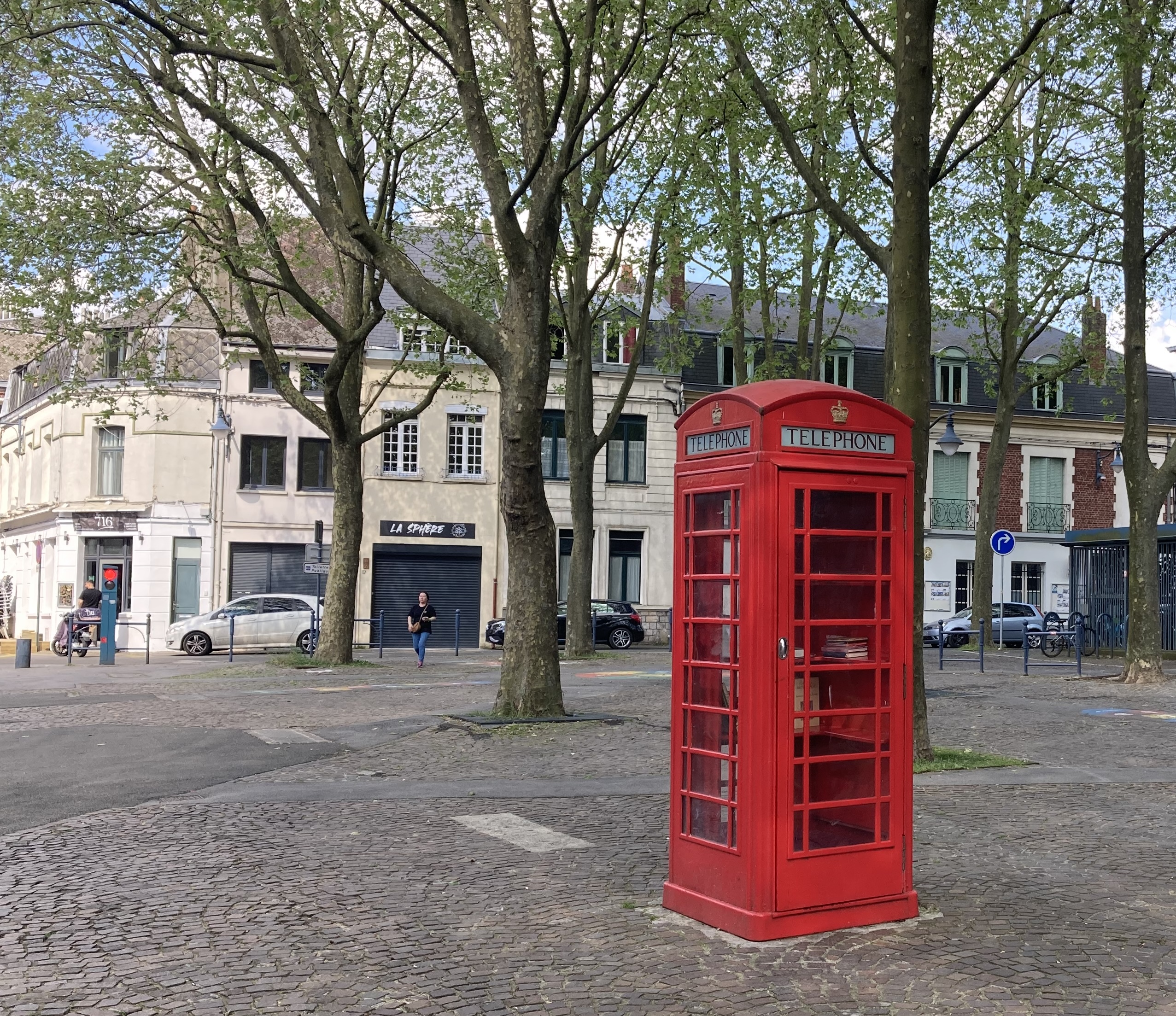
Arras is twinned with Ipswich, close to DonQui’s home paddock in Suffolk. The Place d’Ipswich comes complete with a familiar looking phone booth.

After another drink and a decent meal, DonQui will resume his trip in the morning.

A Phenomenal Repast

Don Qui has been blessed with more than a few pretty decent repasts in his life. Every once in a while one or two have been truly phenomenal. A recent lunch with Duchess at Ikoyi London was one such occasion.

Located in a brutalist building (180 The Strand, at the corner of Surrey St) there is little on the outside to give DonQui any clue of the delights to be found on the inside. 

Ikoyi takes its name from an affluent Lagos suburb but, although influenced by Nigerian spicing, this is a throughly modern British restaurant. Its ever changing set menu is based on seasonal British produce enhanced by West African spices. The interior is comfortably informal with an open kitchen where DonQui is able to observe the chefs preparing his food with a calm, quiet, professionalism — no Gordon Ramsey-like shouty, stress going on here. The front of house team are all friendly, helpful and very knowledgable.

DonQui is more than a little fond of a long leisurely lunch and this is exactly what he gets over the next 3 hours.  Some high-end restaurants seem to go out of their way to show how clever they are rather than concentrating on good honest food. Not so Ikoyi. Here each dish showcases the taste of fresh seasonal produce. The sauces and subtle spicing perfectly enhances the flavours without overpowering or disguising the key ingredients.

Each of the many dishes are utterly delectable, from the opening gola pepper chicken broth through to the excellent Jamaican Blue Mountain coffee at the end (Da Hong Pao tea for Duchess).

The menu is only provided at the end of the meal (see below). As each dish is presented, DonQui’s waiter gives a detailed description.

DonQui does not opt for the wine pairing but helpful waiter gives him very good advice on choosing his wines by the glass.

Is there a favourite dish?

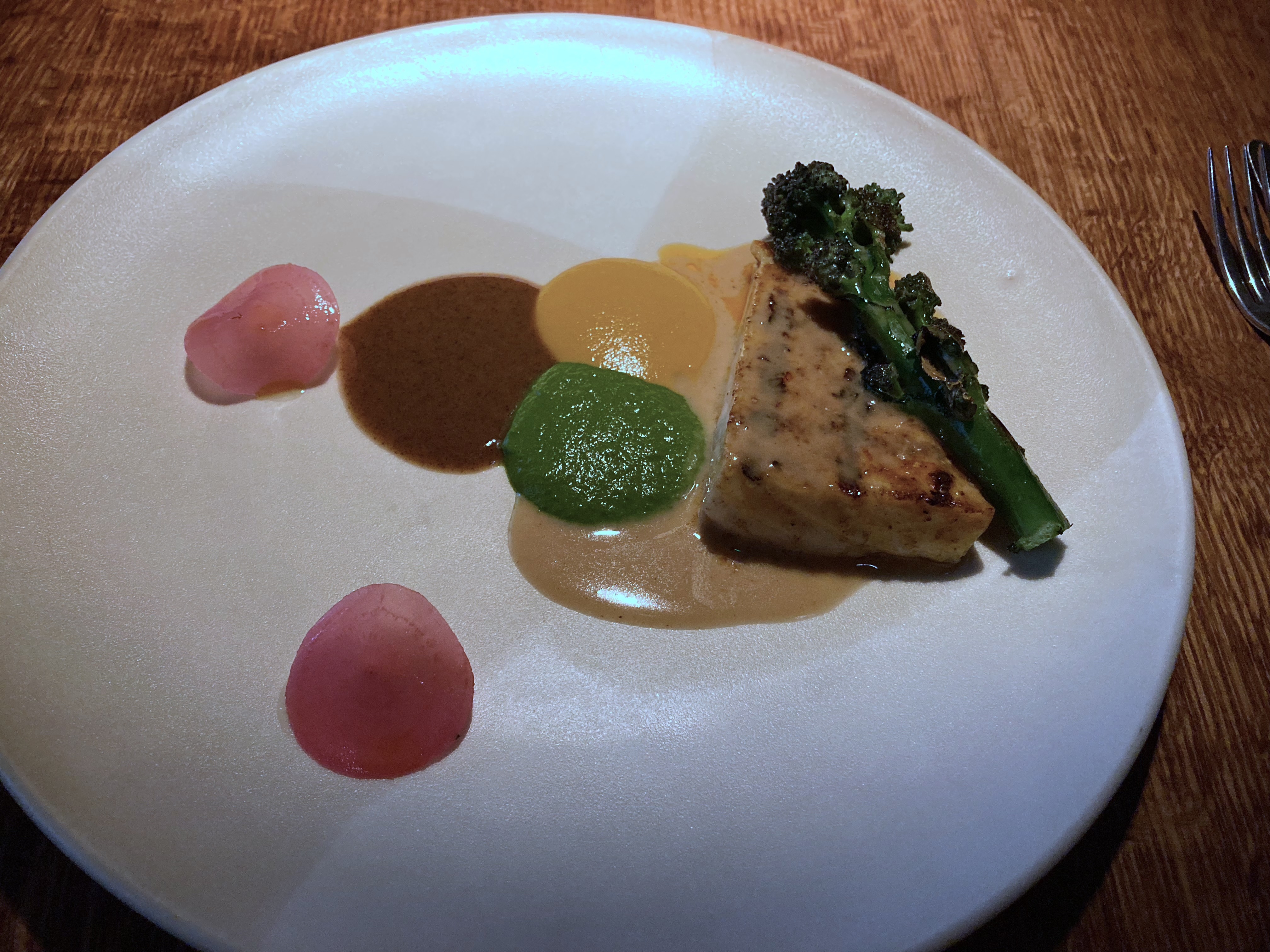
That is hard for DonQui to say. Each dish was so good that he finds it hard to pick a favourite. If pushed he would probably have to go for the dry-aged turbot with tender stem broccoli and an array of delectable sauces.

All diners eat from the same set menu which changes daily dependent on the best produce available. The portions are perfectly sized, with minimal carbohydrates. This allows DonQui to feel perfectly satisfied and not bloated at the end of 10 delightful courses. Allergies and aversions are asked for in advance but vegans and others with similar culinary neuroses would do best to go elsewhere.

Unfortunately Ikoyi is not a place you can just walk into with the hope of getting a table on the day. With two well deserved Michelin stars it is booked up well in advance. Bookings can be made up to two months ahead with new bookings opening on the first of each month. The price is also eyewateringly high although DonQui feels that every penny was very well spent for such a fabulous experience. If he can gather enough shekels together he would very much like to dine there again.

Hong Kong — last stop before home

DonQui Oaty is in Hong Kong on the last leg of his around the world trip.

His ability to canter around Hong Kong with alacrity is hampered thanks to a sprained ankle incurred whilst exploring the monkey sanctuary in Ubud, Bali. He goes to the vet, slightly concerned that his condition might result in a swift merciful bullet to the head, as a donkey without the use of his hind legs is not really very much use at all. 

Fortunately the kindly Indonesian doctor pronounces that there is no fracture, bandages up DonQui’s ankle, gives him some anti-inflammatories, and then packs him off to Hong Kong.

DonQui is rather entranced by Hong Kong. He feels the sense of history of the place — it is hard not to when his hotel is on Salisbury Rd overlooking Victoria Harbour. At the same time the city’s vibrant modernity gives him the impression of a young city very much looking to the future. 

With Fortnum & Masons just around the corner, British three pronged plugs, double decker buses and English place names, much of Hong Kong feels very familiar.  With excellent public transport and traffic that obeys the rules, it is a city that functions well despite the high population density. There is none of the chaos of Bangkok or Denpasar (Bali).

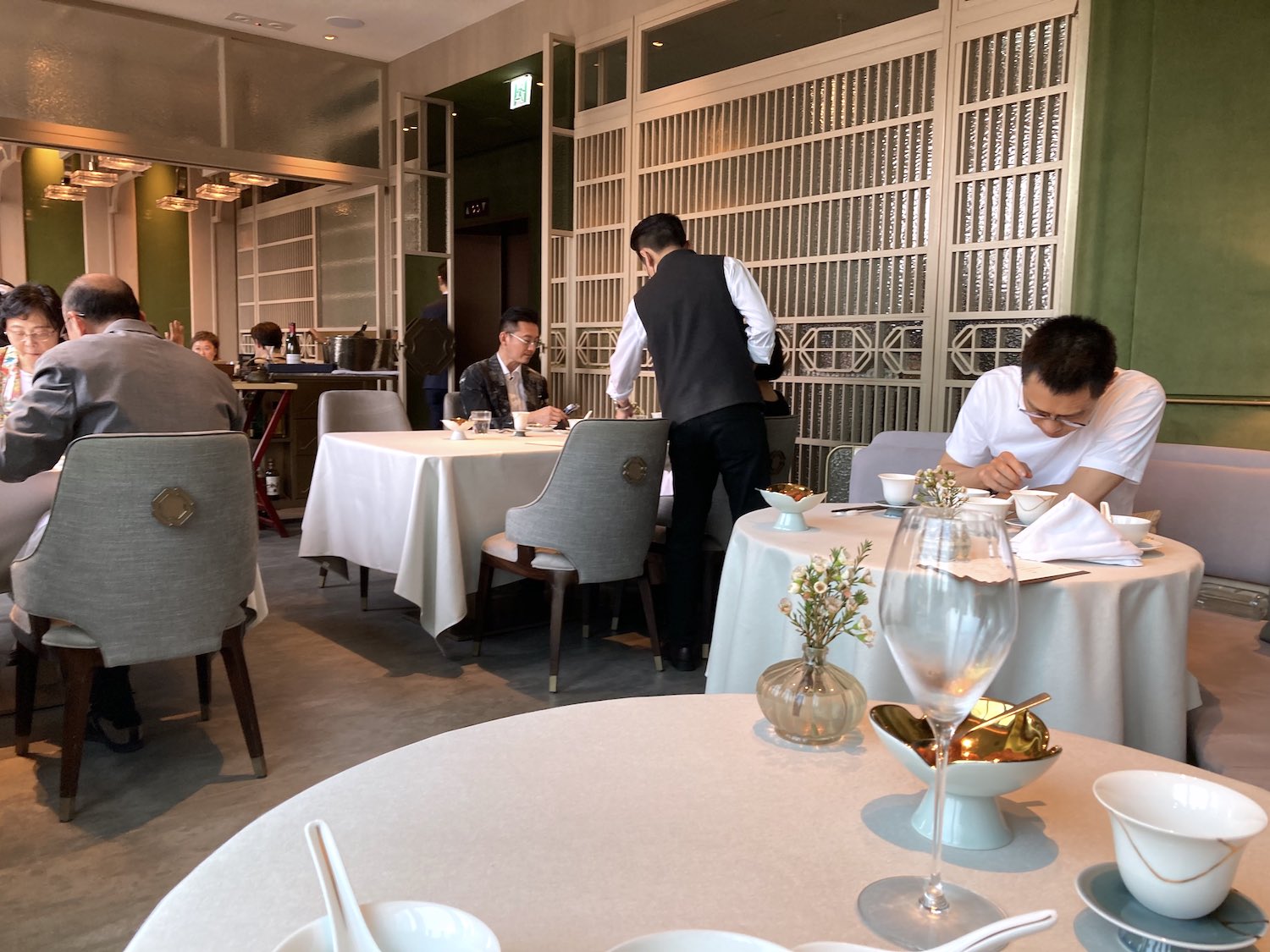
Many places in Asia love their shopping malls and Hong Kong is no different. Now DonQui is no fan of malls but, hampered by his gammy leg, he cannot canter all over the city and the nearby K11 mall offers a number of excellent restaurants. Despite his mall phobia he has to admit that the interior design is pretty stunning.

His bad ankle precludes him from wearing Louboutins any time soon, so he gives the local shoe shop a miss and goes off in search of the highly recommended Ye Shanghai restaurant on the 7th floor.

There he has a most excellent meal. The crab is the highlight of many very good courses.

Wanting to see more of the city but unable to walk far, DonQui books himself on a boat trip abroad the junk Aqua Luna.

This trip provides him with some wonderful views just as the sun is beginning to set.

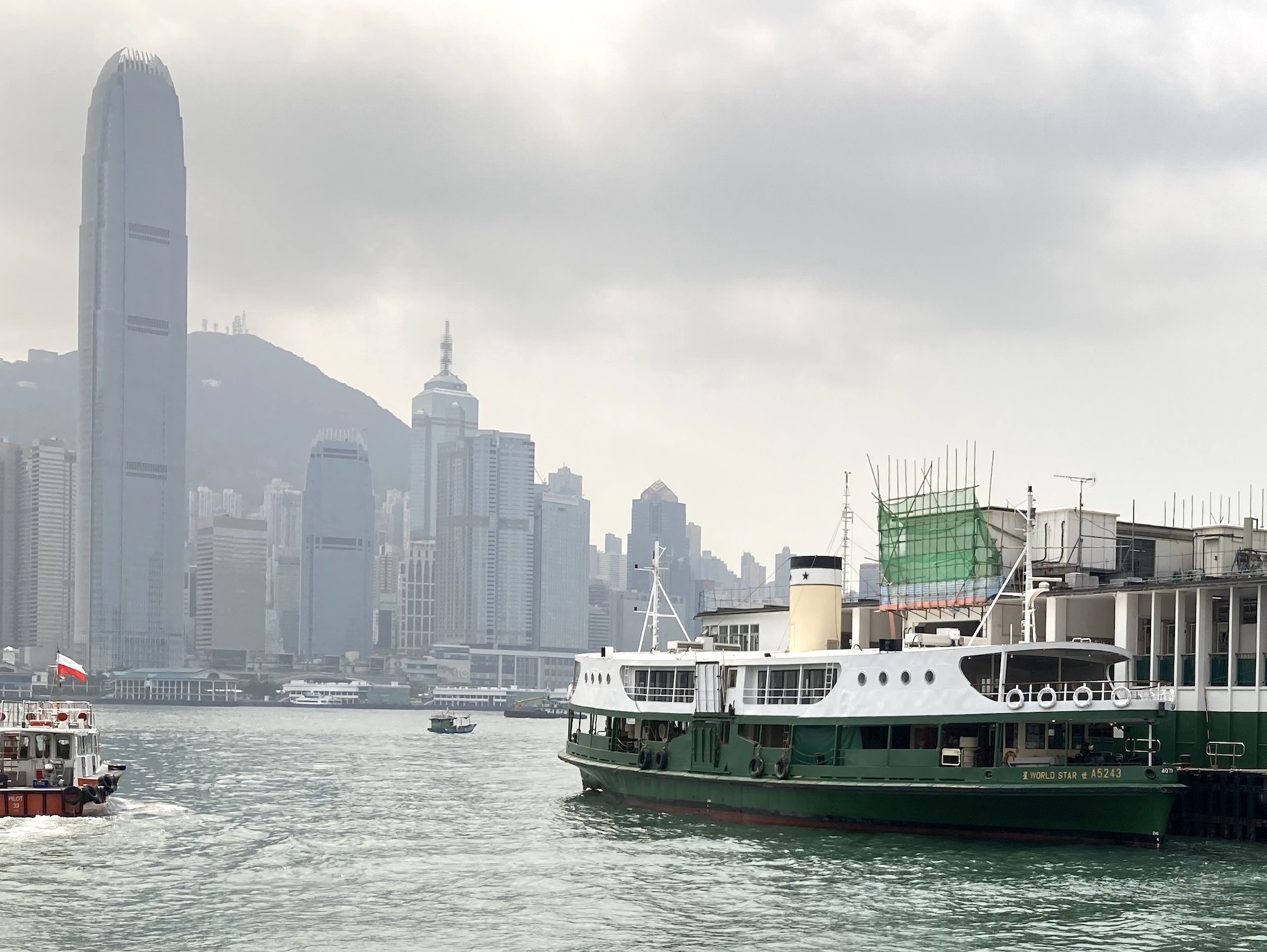
The following day he hops on the atmospheric Star Ferry to cross from Kowloon to Hong Kong Central (at a cost of just 20p!)

A bus tour around Hong Kong Island gives him a good overview of this part of Hong Kong even if he is not quite up to very much exploration on foot.

He does manage to hobble over to the Peak Tram — an incredibly steep funicular railway that takes him up Victoria Peak. It is unfortunately a bit cloudy but the view over Hong Kong is still quite spectacular. It is a shame that the viewing area at the top is marred with lots of tourist tat. 

The culinary highlight of DonQui’s stay in Hong Kong is lunch at Wing Restaurant on Wellington Road in Hong Kong Central. Time Out warns that it is one of the toughest tables in Hong Kong to book as it has such a high reputation and is very small. Wing is usually only open for dinner but on the day DonQui is looking to dine they open for lunch for the first time and so there is a place available for him.

The set menu of 12 dishes is exquisite, offering DonQui a wide range of ingredients and tastes he has never experienced before. These included (amongst others) lion head croaker (a local fish), Chinese almond soup, fish maw with abalone sauce and king crab with crispy cheung fun (rice noodle rolls).

The highlight is the baby pigeon smoked over sugar cane. And yes he did try the head.

Thoroughly satisfied DonQui is now ready to head home, completing his around the world adventure.

DonQui cooks Thai

DonQui Oaty is rather fond of Thai cuisine and he tastes some excellent dishes whilst in Bangkok — not least the set menu dinner at Chakrabongse Villas.

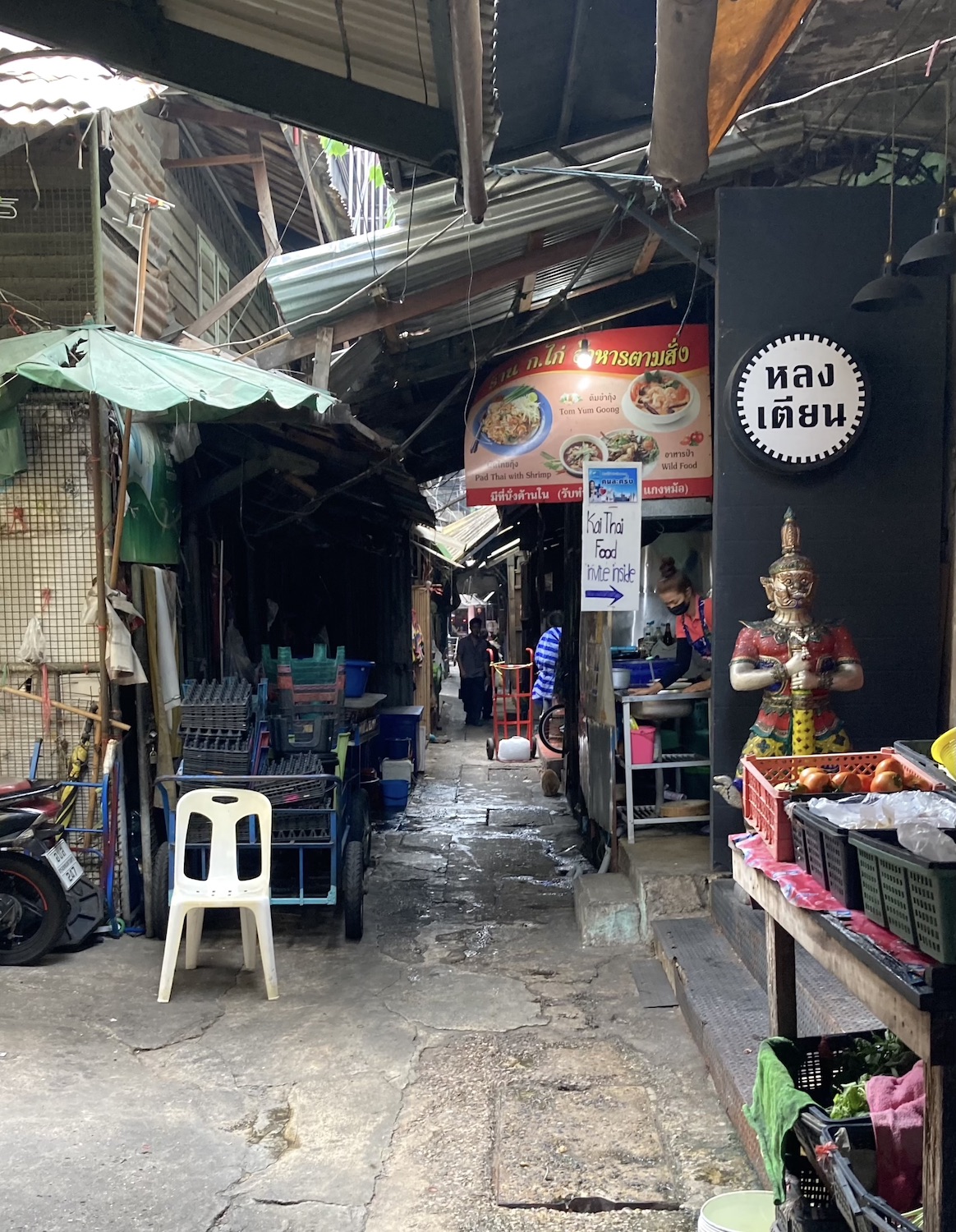
Wandering through the picturesque Tha Tien waterfront market, DonQui stumbles across the delightful Rongos restaurant. The name means House of Flavours and that is indeed what it is.

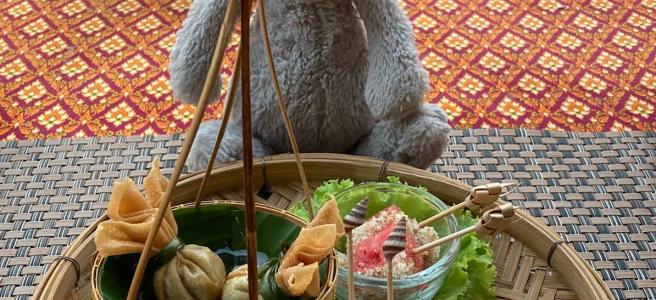
Here he samples morning glory (water spinach)— a favourite Thai vegetable — in this case in a tempura batter with tamarind and coconut dressing.

This is followed by fried rice with salted egg and grilled prawns. Both dishes are utterly delectable.

Michelin listed Rongos is very small and very popular — often booked up days in advance. DonQui is lucky to get a place on spec thanks to arriving when they open with enough time for him to have his meal and watch the sunset over the river before the booked diners arrive to take his table.

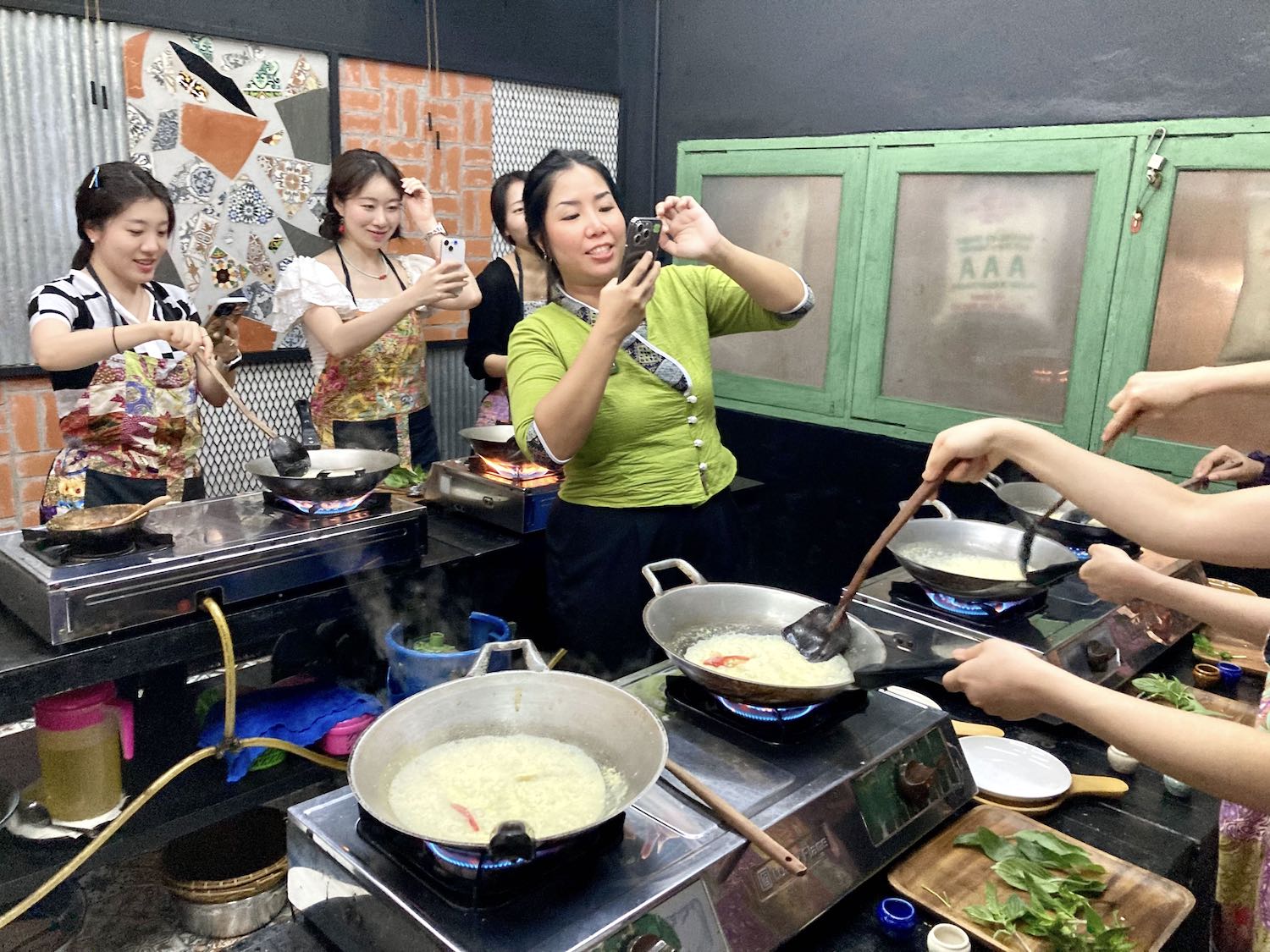
Keen to improve his own cookery skills, DonQui books himself in on a course at Silom Thai Cooking School. Here he learns all about the key ingredients of Thai cuisine. Not all of these will be easy to get back home, so he will have to think about substitutes or make an occasional trip to London’s Asian markets.

He is not entirely unhappy to find that he is the only westerner, only male, and only donkey on the course. 

DonQui learns how to make Tom Yum Goong — a sweet and sour soup with great depth of flavour. It is very quickly cooked up in a wok with coconut milk which he makes himself by hand-squeezing freshly grated coconut. 

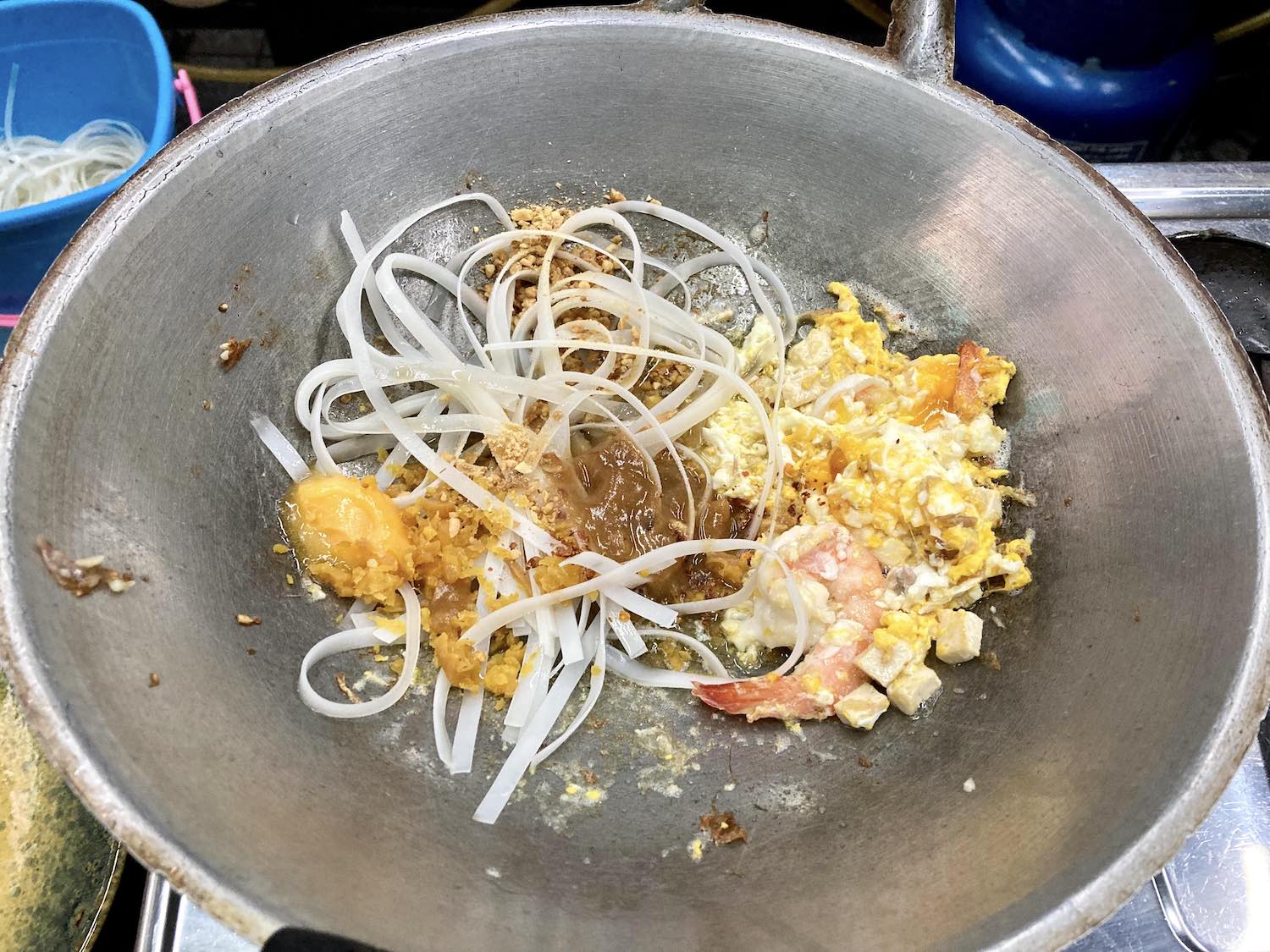
He also cooks up a pretty good Pad Thai, learning to vary the cutting of the hot bird’s eye chillies depending on how spicy he wants it. If he wants it fiery — cut the chillies and then crush them with the flat of the knife blade. For pretty hot — cut them fine, and for a milder version (but still with some heat) cut them into relatively large pieces.

And here is his completed dish.

His is quite proud of his green curry with chicken and round Thai eggplant. He makes the paste by hand with a mortar and pestle, the green colour base coming from a dozen long green spur chillies (crushed into the paste). Spur chillies are quite mild. A red curry is made using red spur chillies (also relatively mild). As a rule of thumb DonQui’s instructor says that larger chillies are milder than small ones.

The delectable mango sticky rice is mostly prepared by the staff although the various steps are clearly explained and demonstrated. DonQui will try this at home.

All of the recipes are pretty simple and very quick to cook — almost always in a wok on high heat. Armed with an illustrated recipe book DonQui can hone his skills when he gets home.

Bangkok’s Backwaters and Backstreets

There is of course much more to Bangkok than awe-inspiring temples. DonQui is determined to explore further — seeking out the backwaters and backstreets.

DonQui has engaged one of Bangkok’s famous long tail boats to give him a tour of the river and canals.

Along the way there are yet more temples and this impressive statue of Buddha, nicely set off by the pink of the setting sun.

For the most part, the canals are lined with various wooden shops and habitations.

…not all of which are in the best of repair.

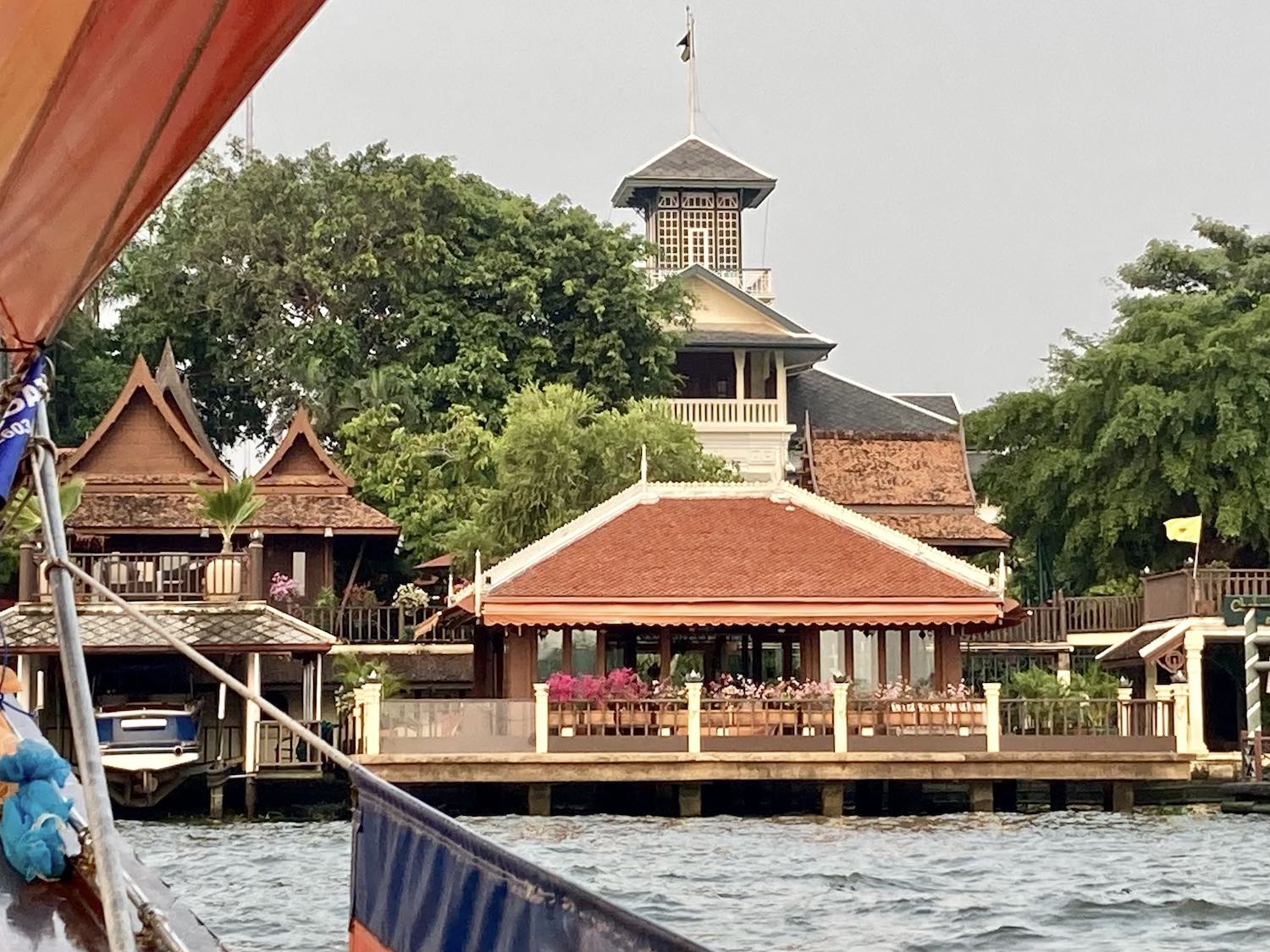
After a most interesting trip the boat pulls in to the dock of the Chakrabongse Villas on the posh side of the river. DonQui is lucky enough to be staying here for a couple of nights.

Later he tries out the spanking new Metro to get a little further afield. The station entrance looks more like the lobby of an expensive five star hotel than an underground station. DonQui ponders the fact that the Victorians had similar ideas when they first built London’s grand railway stations such as St Pancras.

Clean and efficient, the Metro is pretty easy to use with signs in English as well as Thai. The same unwritten rules seem to apply as on the London Underground — no one talks to anyone. Given that there is a phone signal, phones replace newspapers as a device to ensure that no one disturbs the peace and quiet of one’s journey.

For shorter trips it is hard to beat a tuk tuk. Prices are flexible with tourists often paying a premium. DonQui is lucky to have a local negotiate the fare for him.

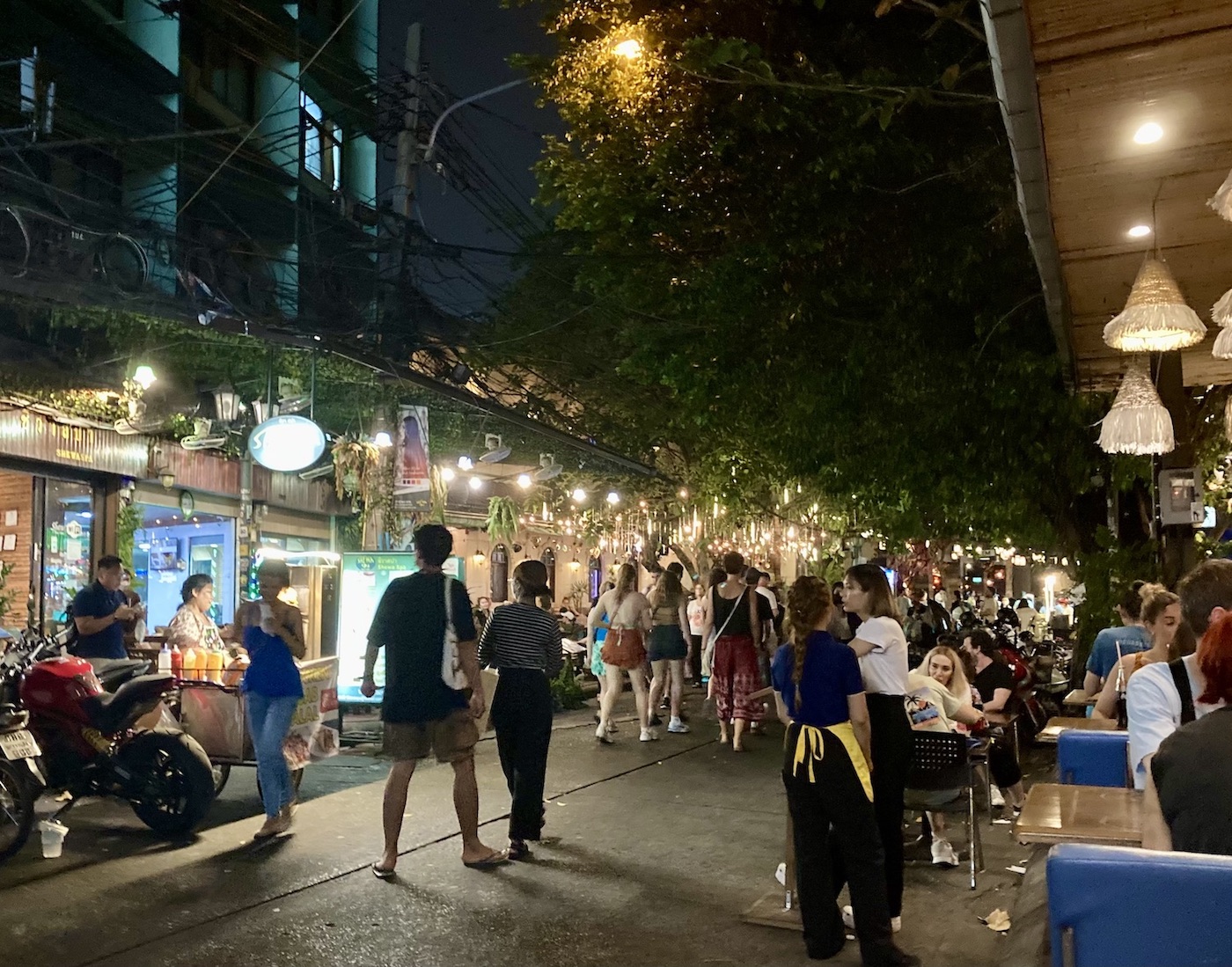
No trip to Bangkok is complete without some time in the backpacker hub of Khao San Road with its many bars, restaurants, cannabis cafés and places offering Thai massage.

There are a huge variety of interesting street food stalls — some offering cooked spiders, scorpions and other unsavoury creatures which DonQui is not tempted to try. The area may be a bit of a tourist cliché but it is a lot of fun.

So he takes a pew, orders a beer or two, and settles in to watch the wild life.

Temples and Palaces

The next leg on DonQui Oaty’s around the world adventure is Bangkok Thailand. He is only spending a few days here so he will be staying in the city and not venturing out into the Thai countryside. Hopefully he can do that another time in the future.

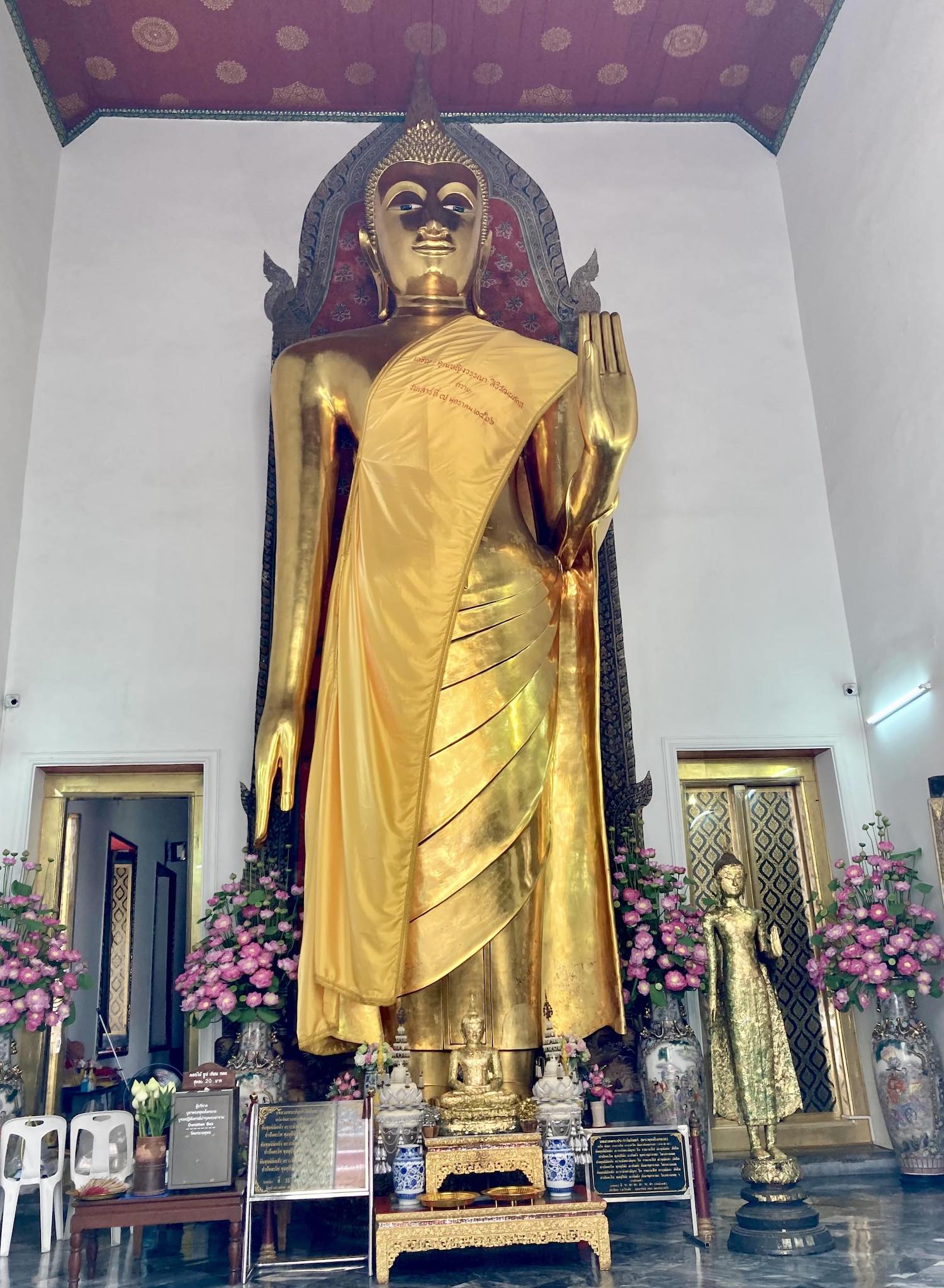
He starts his explorations with a visit to Wat Pho buddhist temple.

DonQui is rarely at a loss for words and he likes to think he is pretty good with them. Yet the awe inspiring beauty of Wat Pho takes his breath away. 

No amount of superlatives can do justice to what he feels as he trots around the temple in a state of bemused amazement.

He goes to the Royal Palace early the next morning — warned in advance that later in the day it is overcrowded with large groups of Chinese tourists.

The huge sprawling complex has its fair share of incredible structures.

DonQui is glad that he gets to the palace early in the day. Although there are a fair number of other visitors, he is able to contemplate the beauty and intricate craftsmanship in relative peace and quiet.

The prang of Wat Arun is a dominating landmark on the other side of the river from where DonQui is staying. Also known as the Temple of Dawn, it is actually shown off to its best advantage at sunset.

DonQui hops on a ferry for the short ride across the river to see it close up. 

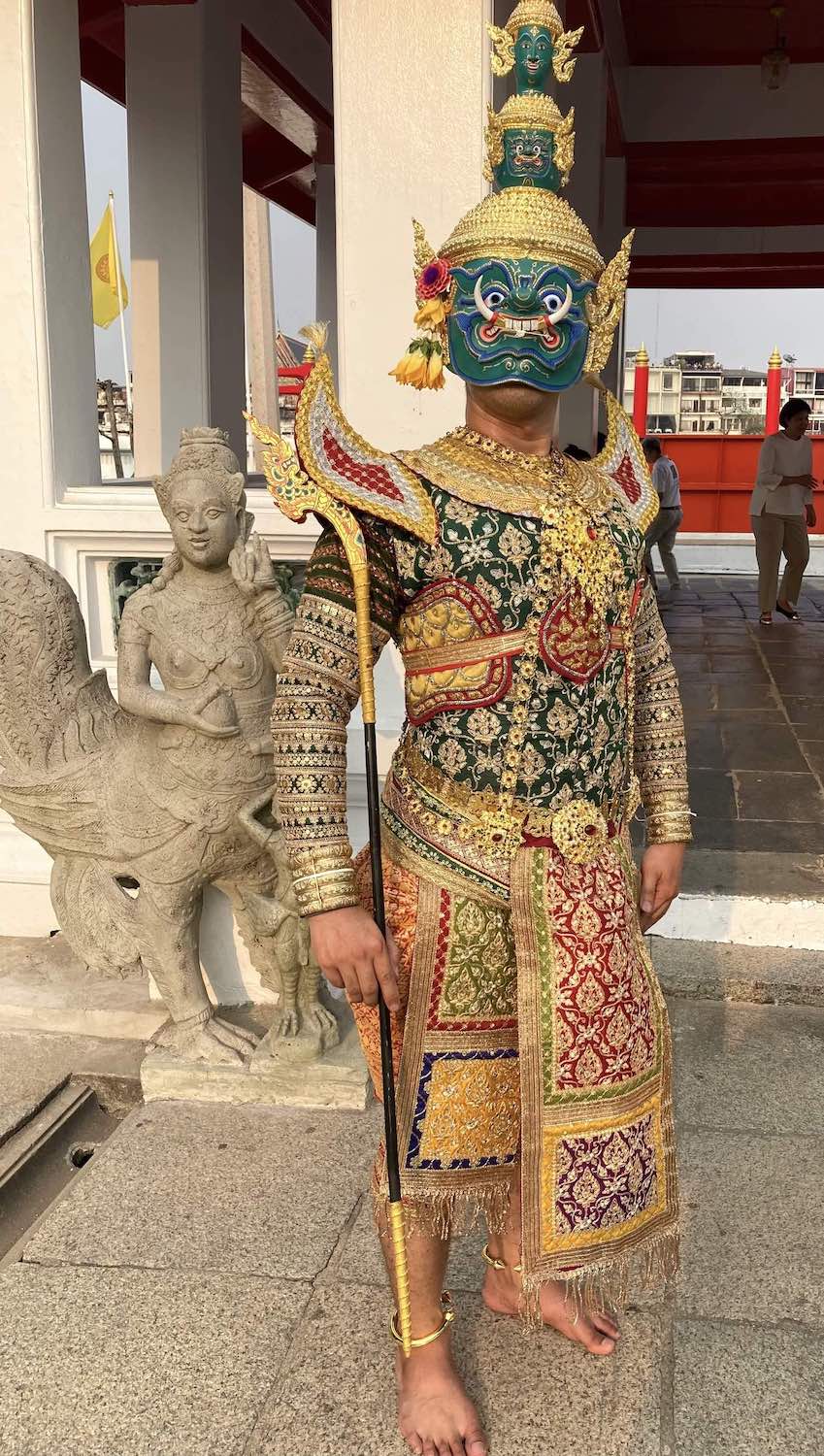
These monkey-warrior guard statues look pretty formidable.

As does the man dressed in costume to resemble them.

There is actually quite a bit of cosplay going on. Pleasantly surprised to see so many people dressed in traditional Thai costume, DonQui wonders if there is a special celebration happening. Then he hears a group of them speaking Japanese. He later learns that there is a roaring business of little stalls renting traditional costume for visitors to wear, taking pics of each other for their instagram feeds.