DonQui’s Tips for Road Trips

Having been home for a couple of days, DonQui Oaty has been reflecting on his wonderful road trip through France, Germany, Switzerland and Italy (and also a tiny bit of Austria). He drove 3000 miles (well 2955 to be exact), took 1 month over it, stayed in some wonderful places, ate a lot of good food, and drank a lot of good wine (and beer too).
So what are his top tips for those readers contemplating a European road trip?

Your Car

The success of the trip hugely depends on your car. DonQui had his fully serviced a couple of weeks before leaving. If the tyres are still OK but becoming worn – replace them. Same for windshield wipers and anything else that is borderline. The last thing you want is to have a breakdown or spend time searching for a garage and try to get things fixed en-route.
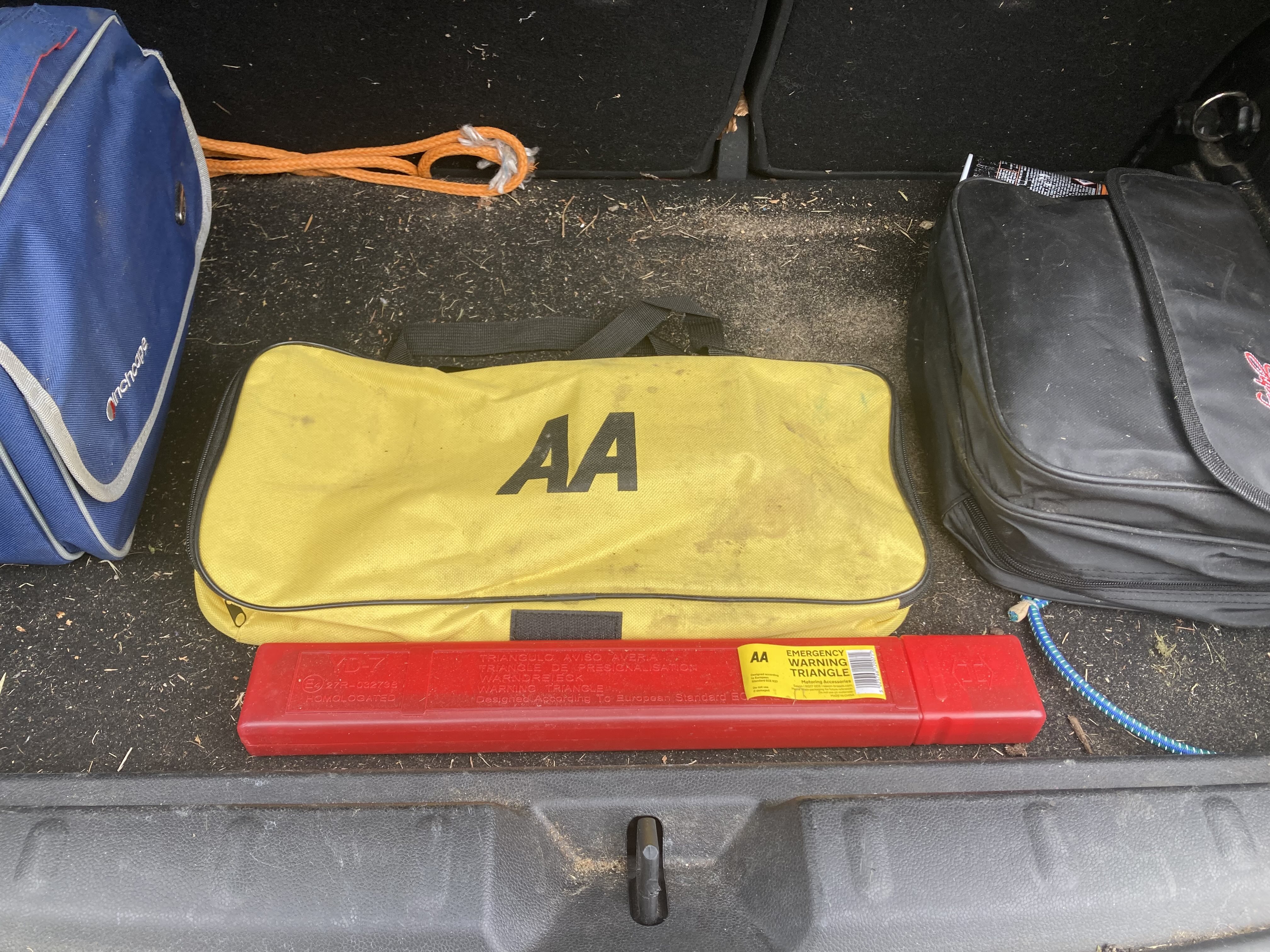
The AA provides good advice of what you need to drive in various countries They also sell a kit containing some essential items such as safety triangle, high vis vest, UK sticker and other things you need when driving in many European countries

Paperwork

Obviously you need a valid up to date passport. DonQui is blessed to have an Irish passport and so does not have to contend with the myriad of new post-Brexit complications for non-EU passport holders. New visa waiver systems are coming into force soon which will apply to all non-EU passport holders entering Europe. The will make the already long delays at the channel even more fun.

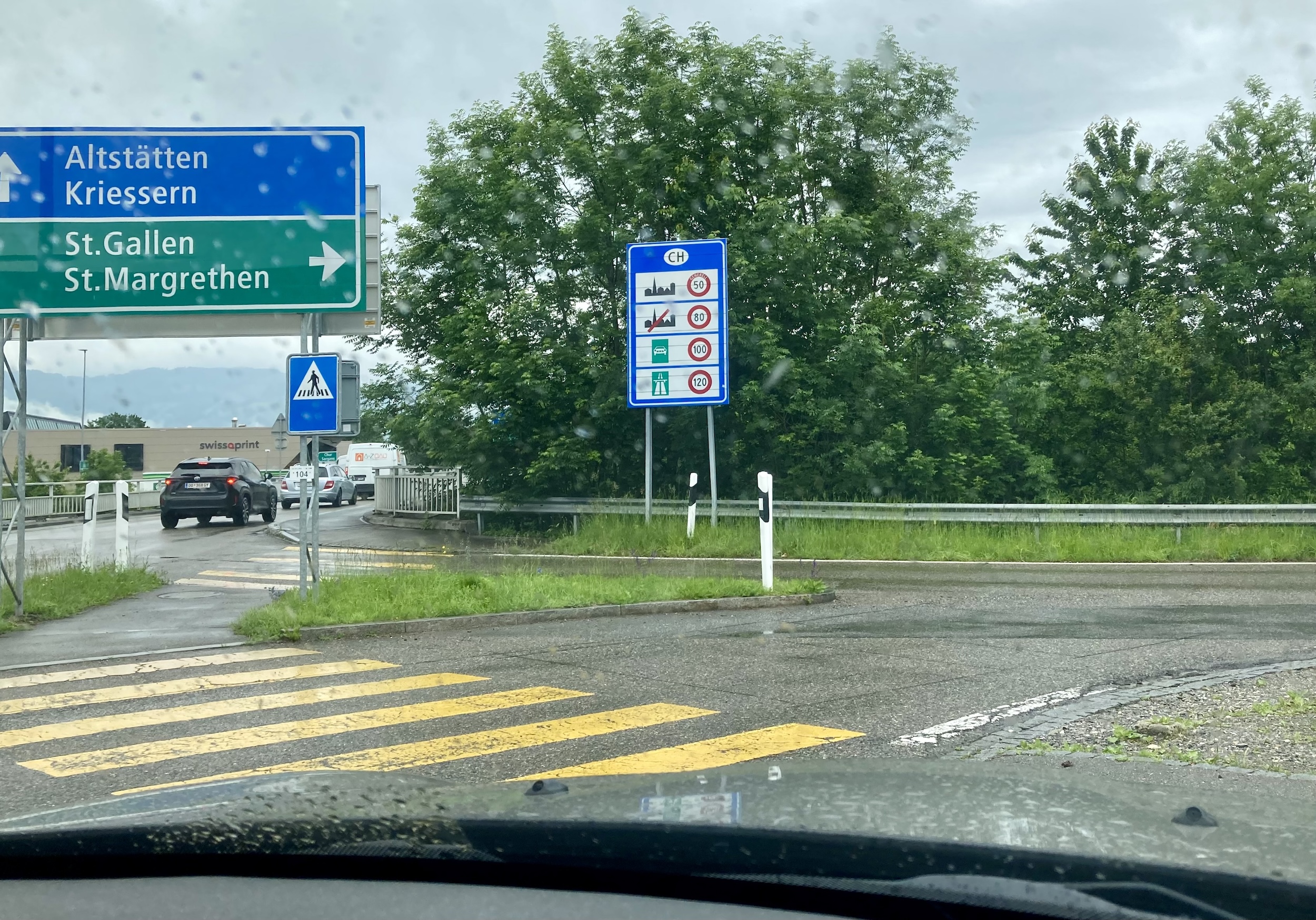
Driving licence, car insurance certificate valid for Europe, and proof of car ownership (V5C logbook) are also essential. Donqui got into a bit of bother at the Swiss border when they were looking for some form he did not have, however with the above they did let him through. He still does not know what form they were after even after searching the internet. 

Also for both Austria and Switzerland you need to pay the road tax in advance. This can be done on-line or purchased from a service station just before the border. 

Insurance

Breakdown insurance covering all the countries you are travelling through is also pretty important. Fortunately DonQui dot not have to use his but he has in the past. Should something go wrong with the car you don’t want to be trying to find help in another language without a clue of where or whom to go to. 

The same is true for medical insurance. DonQui likes to think he is invincible but accidents do happen.

Pre-Book

DonQui is not a natural planner. He is very much spur of the moment. However pre-booking accommodation in Europe these days is essential if you want to stay in nice places — and DonQui does like to stay in nice places. He travelled in May-June. Although off-season many good places were booked out months in advance. This does mean sticking to a schedule but DonQui always pays a little more to allow cancellation should he wish to change his mind. 

He also advises pre-booking for exceptional restaurants and popular tourist sites. Some, such as Versailles, only allow visitors at pre-set times and prime times are filled days in advance. Others — Juliette’s house in Verona for example, do not sell tickets at the door. You have to book online in advance and carry the ticket on your phone.

Your Phone

These days almost everything from entrance tickets to parking requires the use of a smart phone. It is also hugely helpful for navigation. Therefore it is well worth paying in advance for a package that will not cost you an arm and a leg when downloading data.

Parking
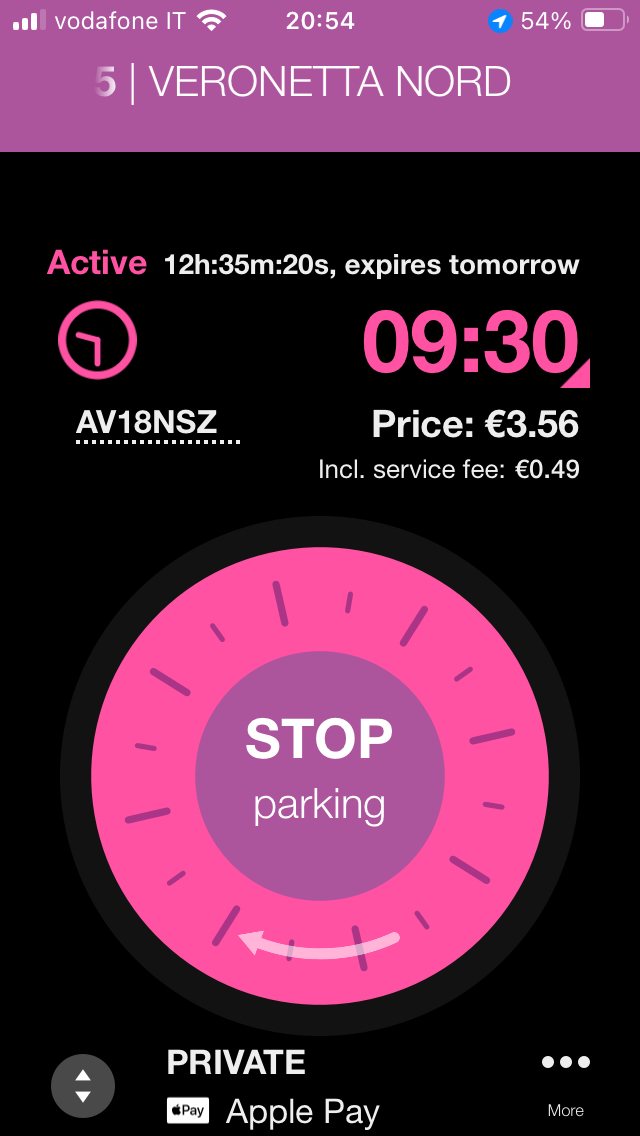
Most street parking places in France and Italy (but not all) used the Easy Park App. Once downloaded and details filled in it was — well, easy to park. For those other places the instructions were relatively easy to follow with some available in English. A touch screen allowed payment by phone or card. In Germany, however, some meters still required coins.

Cash or card?

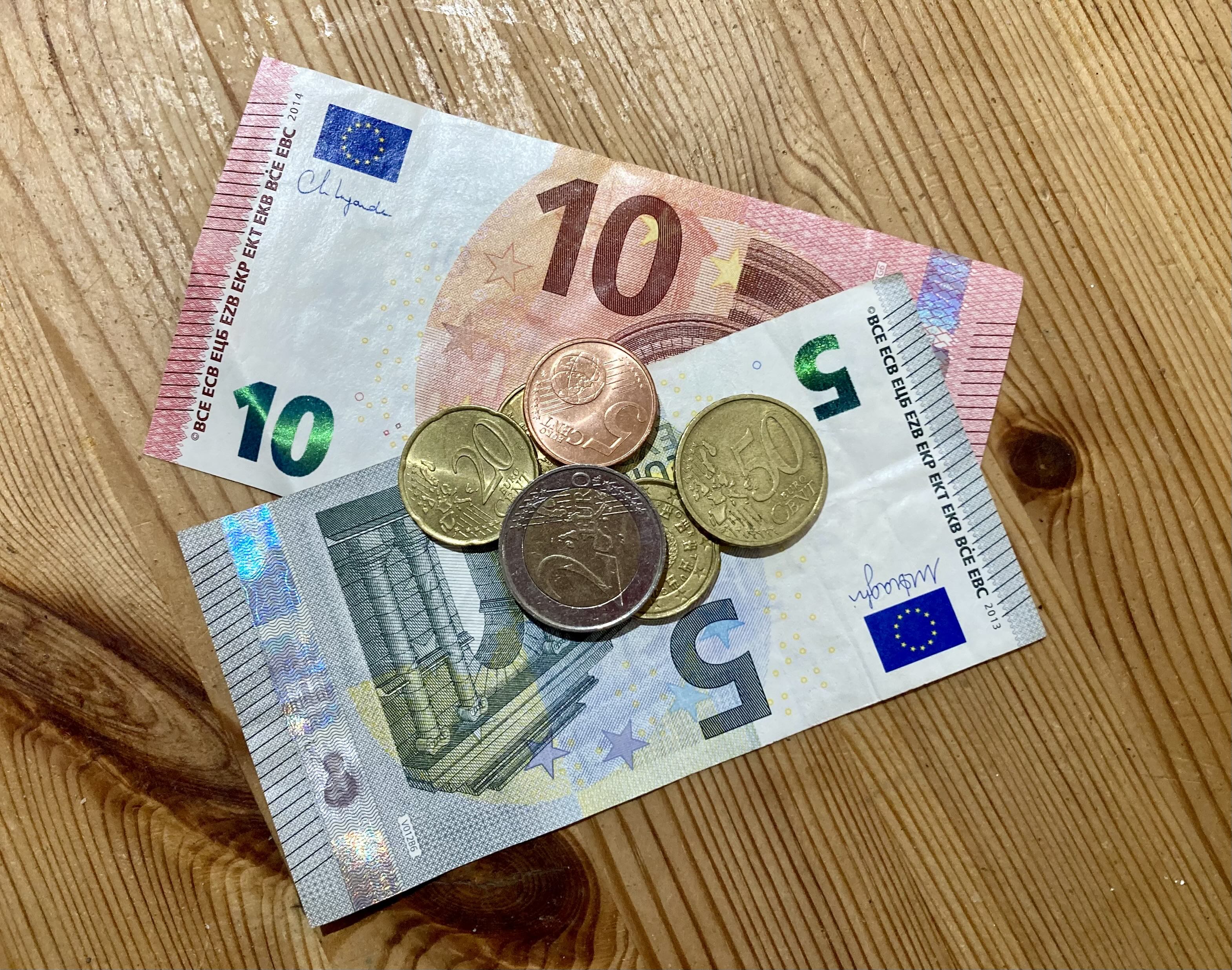
Pretty well everything in France can be paid for by card or phone. Not so in Germany. With only one exception, every restaurant that DonQui went to in Germany was cash only. He has experienced similar in Austria. So before entering the Germanic world, make sure you have plenty of Euros.

In Italy most places happily take cards but for smaller transactions they prefer cash. On a couple of occasions DonQui was told that they accepted cards but unfortunately their card reader was ‘broken’. So always useful to have a bit of cash in pocket.

Speaking of cards, many UK banks charge for every foreign transaction. It is worth having a card from a bank that does not do this as the charges can really add up. DonQui has an online account with Starling Bank which he uses for travel as they do not charge extra fees. Other banks do similar. It is worth setting up such an account in advance.

Short hops

One of the joys of a road trip is that the journey is a big part of the experience. DonQui likes to keep each leg relatively short to allow him the opportunity to stop off and visit places en-route as he did from Genoa to Arles. 

Most of his drives were about 3 hours (excluding stops). This made each leg not too arduous to allow not only time to explore along the way but also for a late start and early arrival. 

DonQui did have a couple of longer drives. Crossing the alps from Germany to Italy was five hours straight driving, taking seven hours to arrive at Verona after stops. This he found quite tedious, especially as the traffic around Milan was horrendous. The drive from Périgord to Versailles was also a bit too long to be enjoyable.

In future DonQui will try to limit each leg to 4 hours maximum (excluding stops). 

Really long trips can be broken up by a one night stay at someplace mildly interesting between the main destination points. Donqui did so at Arras, Genoa and Toulouse. None of these were places he desperately wanted to go to — they were merely stops along the way. In each case, however, he throughly enjoyed his quick stop-over.

For these quick one-night stops he found it handy to have a small pack which contained the overnight essentials so he did not have to drag all his baggage into the hotel.

Over the Alps and Far Away

DonQui is setting off to cross the Alps into Italy. He has done this before and it always feels like quite an adventure passing through the magnificent natural barrier that separates Italy from Northern Europe. His route passes through a bit of Austria then into Switzerland. This means he has to purchase road tax vignettes for both Austria and Switzerland which is mildly annoying especially as he will only be in Austria for ½ hour or so. At least Austria offers a cut price 10 day vignette!

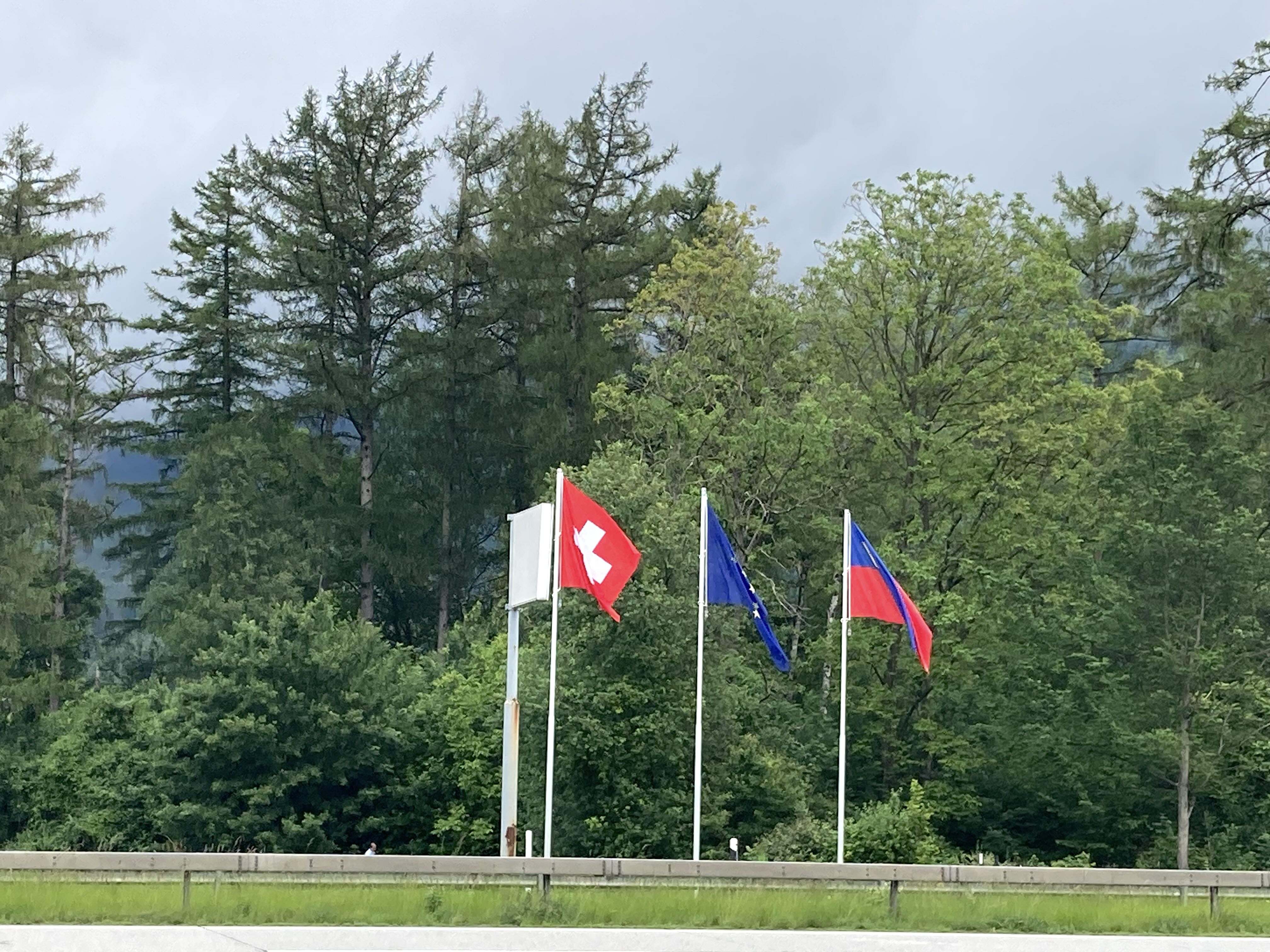
His plans nearly come asunder in the no-mans land between Austria and Switzerland. As Switzerland is not in the EU there are border controls.

DonQui shows his passport to the efficient Swiss border police. Then they ask for his car papers. The papers don’t seem to satisfy them so they direct him to pull over to the side.  They want the ‘brown car ownership form’. Not having such a form nor ever having heard of one, DonQui does his best to show everything else he has including car insurance certificate, driving license and proof of having paid the Swiss road tax. After much toing and froing, furrowed brows and consultation with head office they finally let DonQui through after he tells them he is only transiting through Switzerland into Italy.

More than a little relieved DonQui is on his way again. He makes a brief pit stop in Liechtenstein just for the fun of it. 

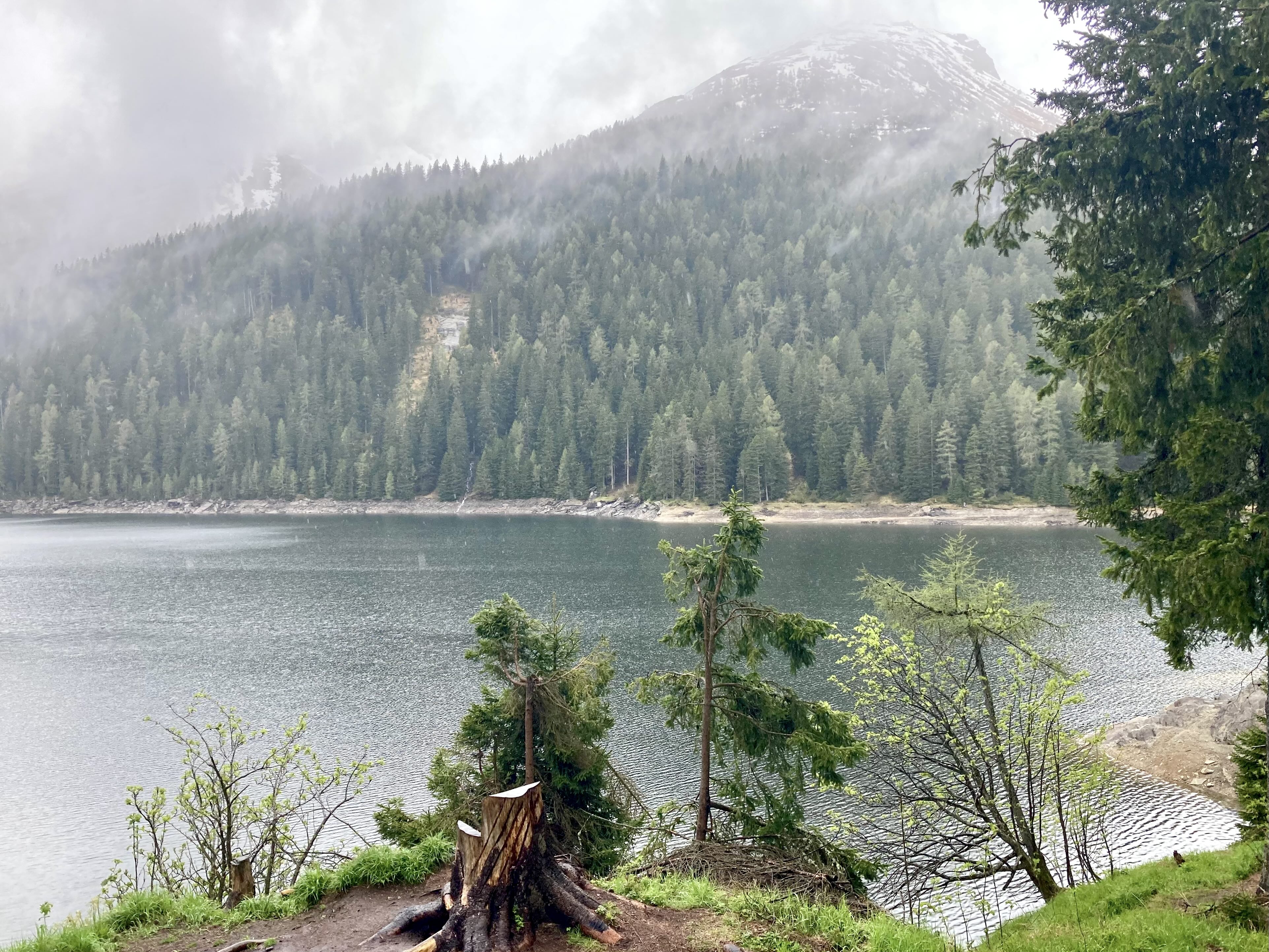
Driving through magnificent Alpine scenery he is heading towards the San Bernardino Pass at over 2000m above sea level. 

The pass marks the Italo-German language frontier. Although still in Switzerland, once on the other side, all signs are in Italian rather than German as they had been before. Then the road makes a rapid descent towards the border.

As he approaches the Italian frontier DonQui has a nervous thought. What if the Italian authorities also want this mysterious ‘brown form’ and don’t let him in? Will he then be stuck in Switzerland? He need not have worried. The friendly, if perhaps not as efficient, Italian border police give him a smile and wave him on his way with no fuss at all.
It takes DonQui about four hours to pass through five countries: from Germany, through Austria, Liechtenstein, and Switzerland into Italy. There he takes a much needed break for a proper Italian coffee — a delicious shot of thick, syrupy, pure caffeine. It is a good job he does, as the next 3 hours (which should have taken 2) are along the Autostrade around Milan, choked with lorries and moving at a snail’s pace. To top it off the heavens open up with a torrential downpour!

Feeling a little bedraggled DonQui is delighted to finally arrive at his pleasant lodging in Verona. To further improve his mood the weather clears. So he resolves to take an aperitivo on the balcony of his apartment.

Vineyards, forests and lakes

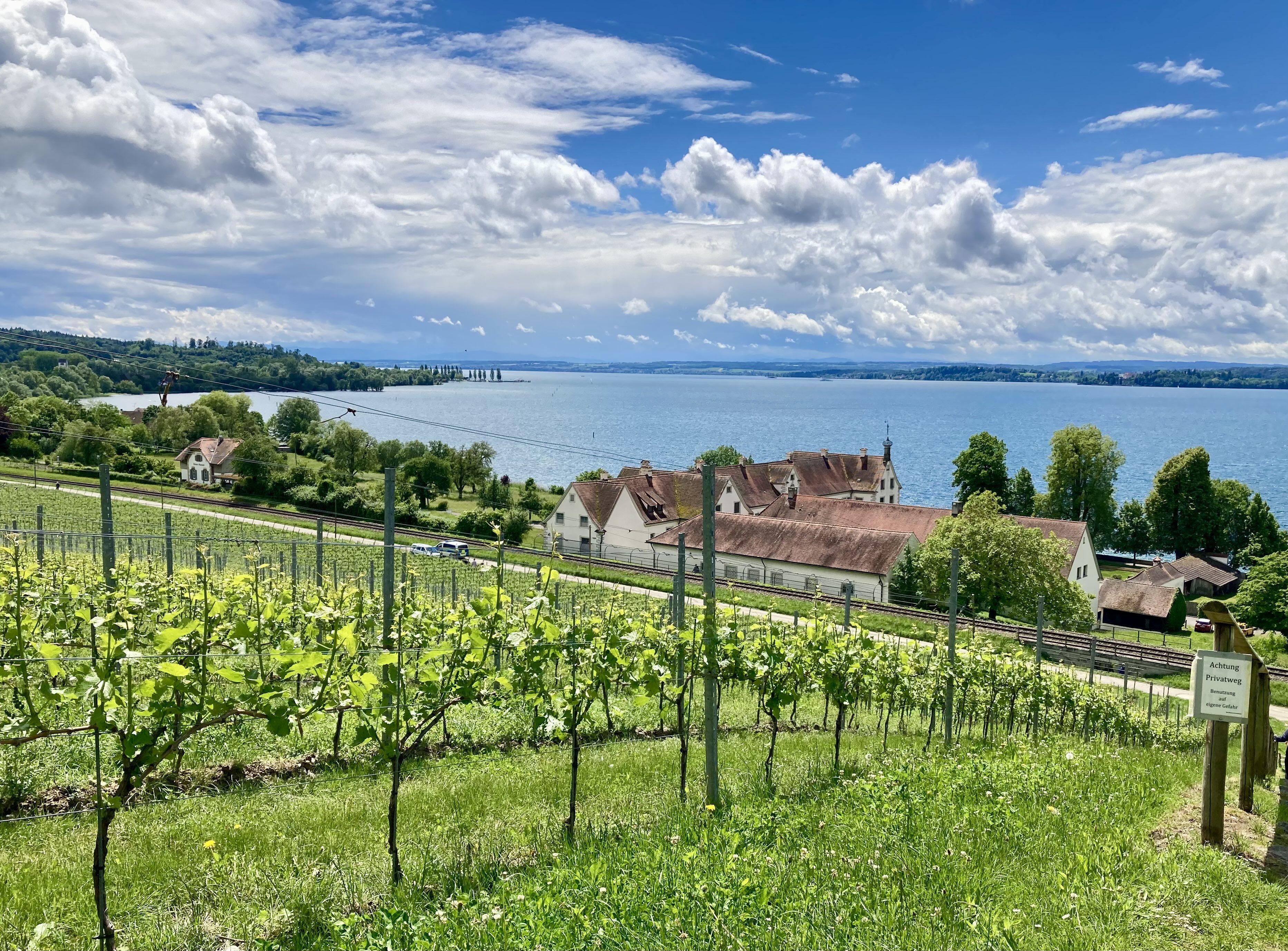
For several days DonQui explores a corner of southwestern Germany. It is a region he knows well so he is partly revisiting old places and memories as well as making new discoveries.

His route winds through the flat Rhine valley and up into the vineyards on the Badische Weinstraße (Baden wine route). Baden wines are excellent but are pretty well unknown in the UK as virtually none are exported. Produced in relatively small quantities, the locals prefer to drink it all themselves!

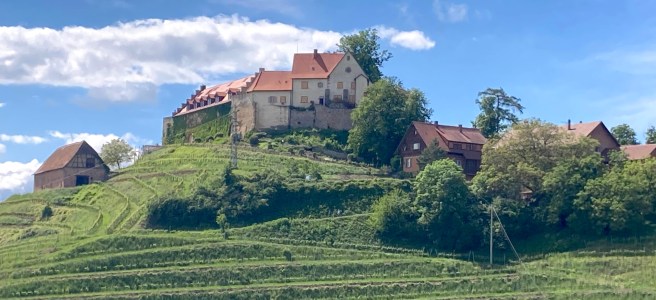
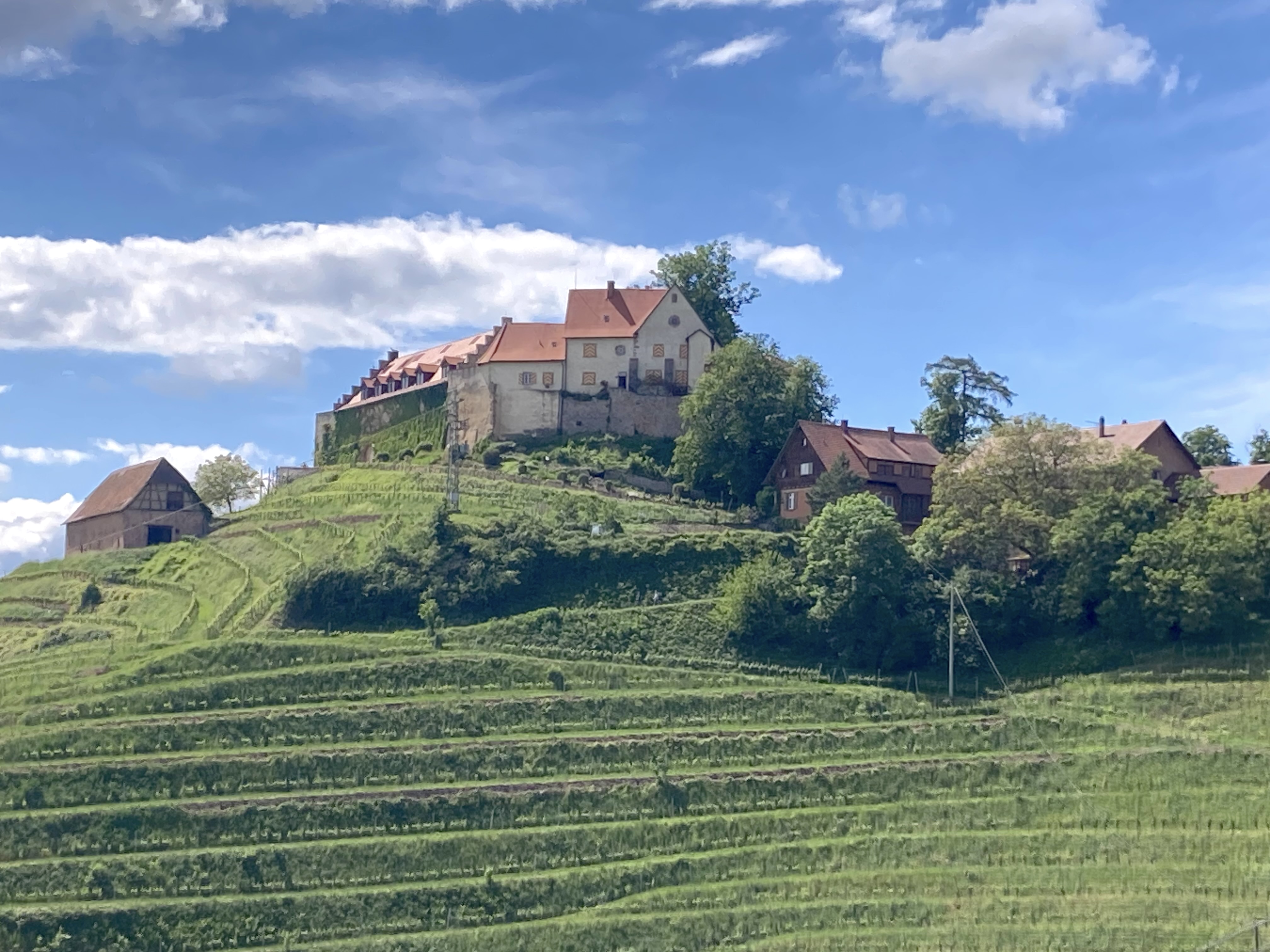
DonQui stops off for a couple of days at Durbach where some of his favourite wines are grown in the vineyards surrounding the Markgraf von Baden’s Schloss Staufenberg. For centuries the Schloss has stood guard against invading French armies with the Markgraf (Marcher Lord) having responsibility for the defence of this border region on behalf of the Emperor in Vienna.

Needless to say DonQui picks up a bottle or three of the Markgraf’s wine— bringing him perilously close to the 18 litre limit he is allowed to bring back to the UK. He may have to drink a few bottles on his trip before passing through customs.

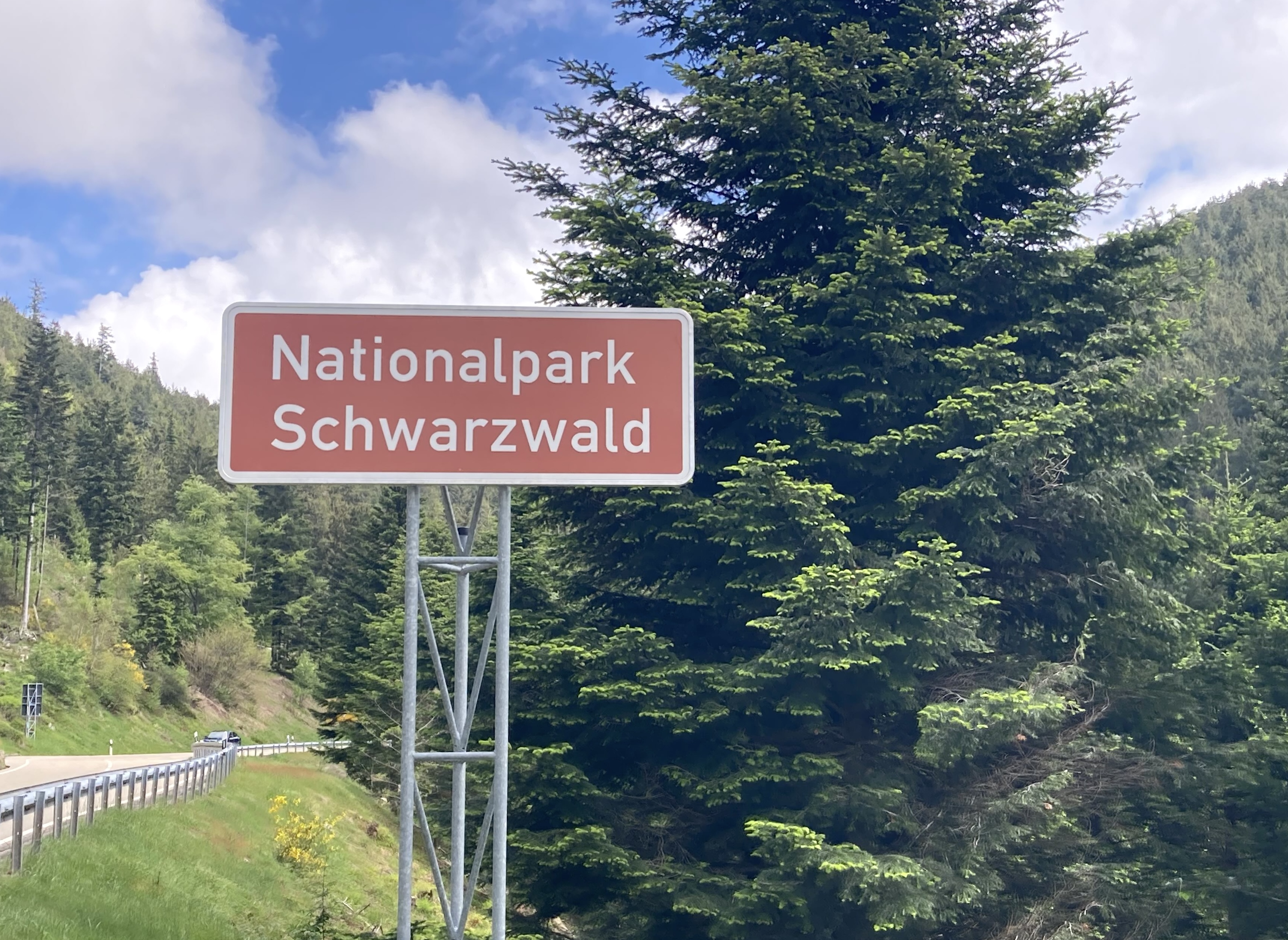
Then it is up the long and winding road into the hills and forests of the Schwarzwald (Black Forest) towards Freudenstadt.

Here he takes the opportunity to trot along some of the many nature trails. Hopefully he will burn off a small proportion of the calories he has been consuming!

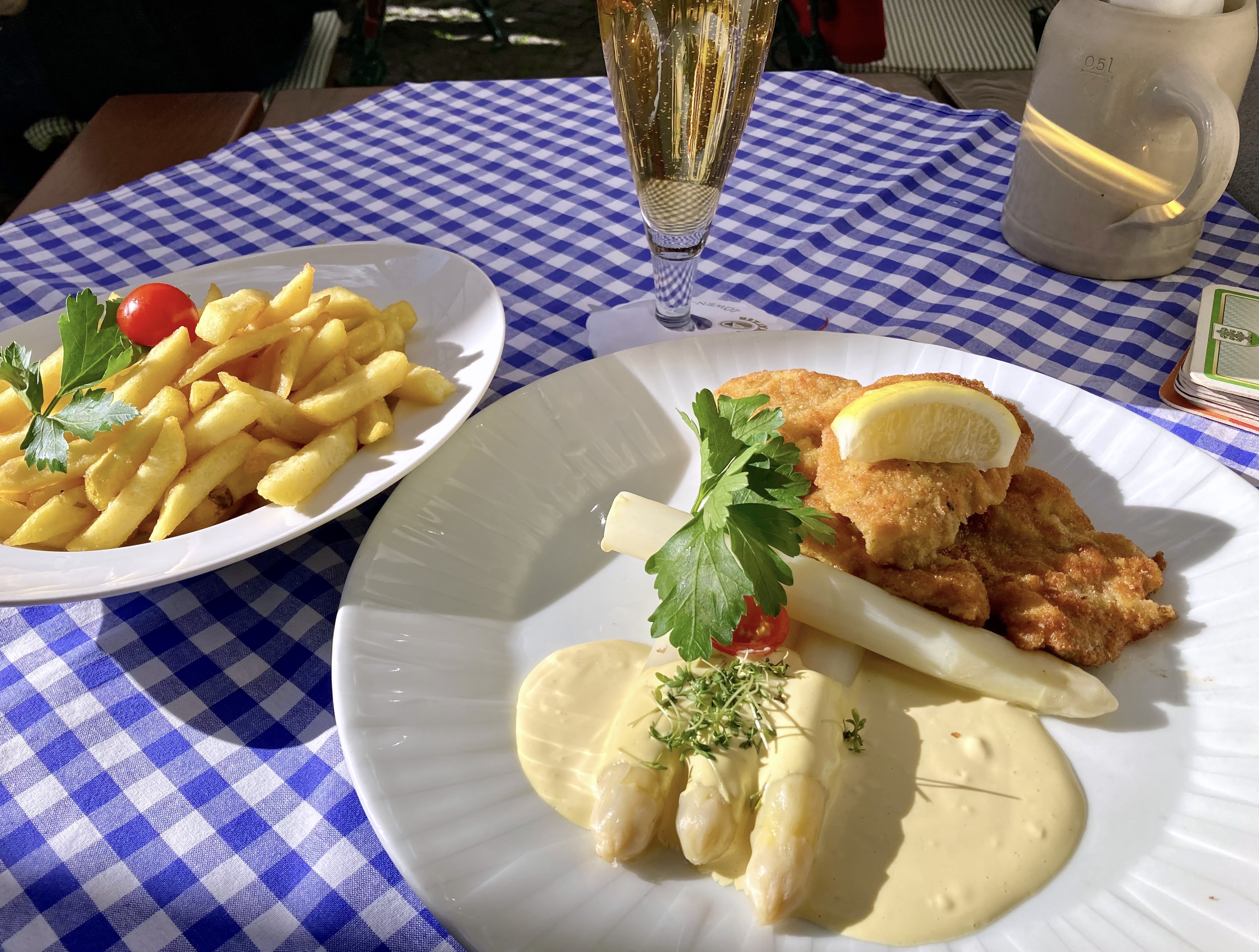
This being an asparagus producing area and it being asparagus season, the vegetable appears on virtually every menu. DonQui enjoys the more delicate white asparagus for a change as they are very hard to find in the UK.

The weather turns when he makes a trip to the Mummelsee. It is said to be an incredibly beautiful lake but DonQui cannot conform this as the rain and thick fog reduces visibility down to just a couple of meters. The Mummelsee is said to be inhabited by Nixies (water sprites). The low cloud and mist makes it easy for him to imagine that this may very well be true.

DonQui’s route then takes him down to Lake Constance at the southern end of Germany. Switzerland is on the other side of the lake. Finding a relatively empty stretch of Autobahn on the way down he gets the chance to blow out the cobwebs from his car at 100 mph without having to worry about speed cameras (there being no speed limit on a German autobahn).

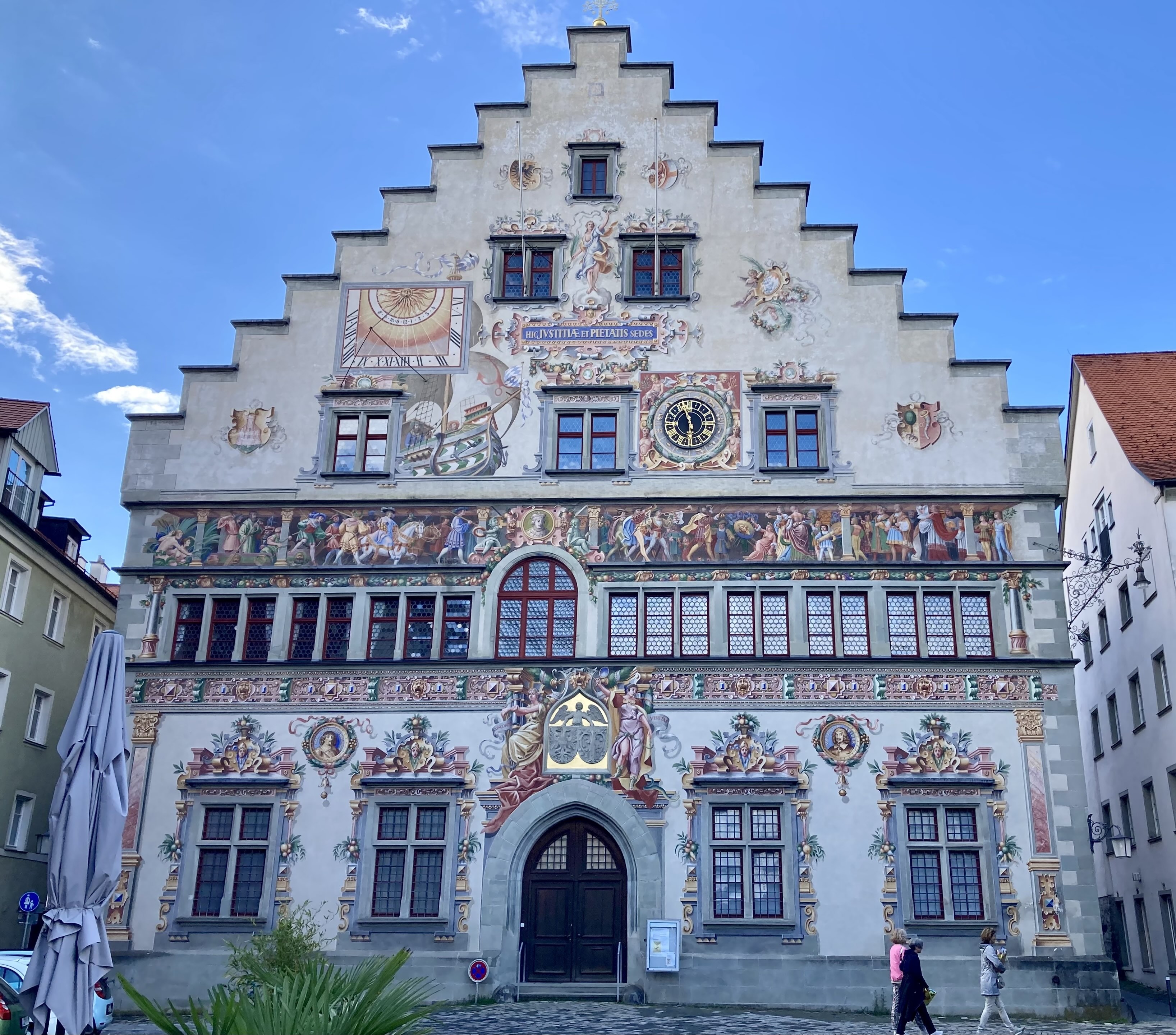
His final pit stop in Germany is the pretty town of Landau. The old fortified town is on an island in Lake Constance and boasts a most impressive 15th century town hall…

… and 13th century tower than once also served as a lighthouse. It is known as the Rapunzel tower. hence the ‘rope of hair’ hanging down from a high window,

Situated at the juncture of the German, Austrian and Swiss borders Lindau is a perfect jumping off spot to cross the alps and head down on into Italy. This is what DonQui will do tomorrow.

On the Route des Vins d’Alsace

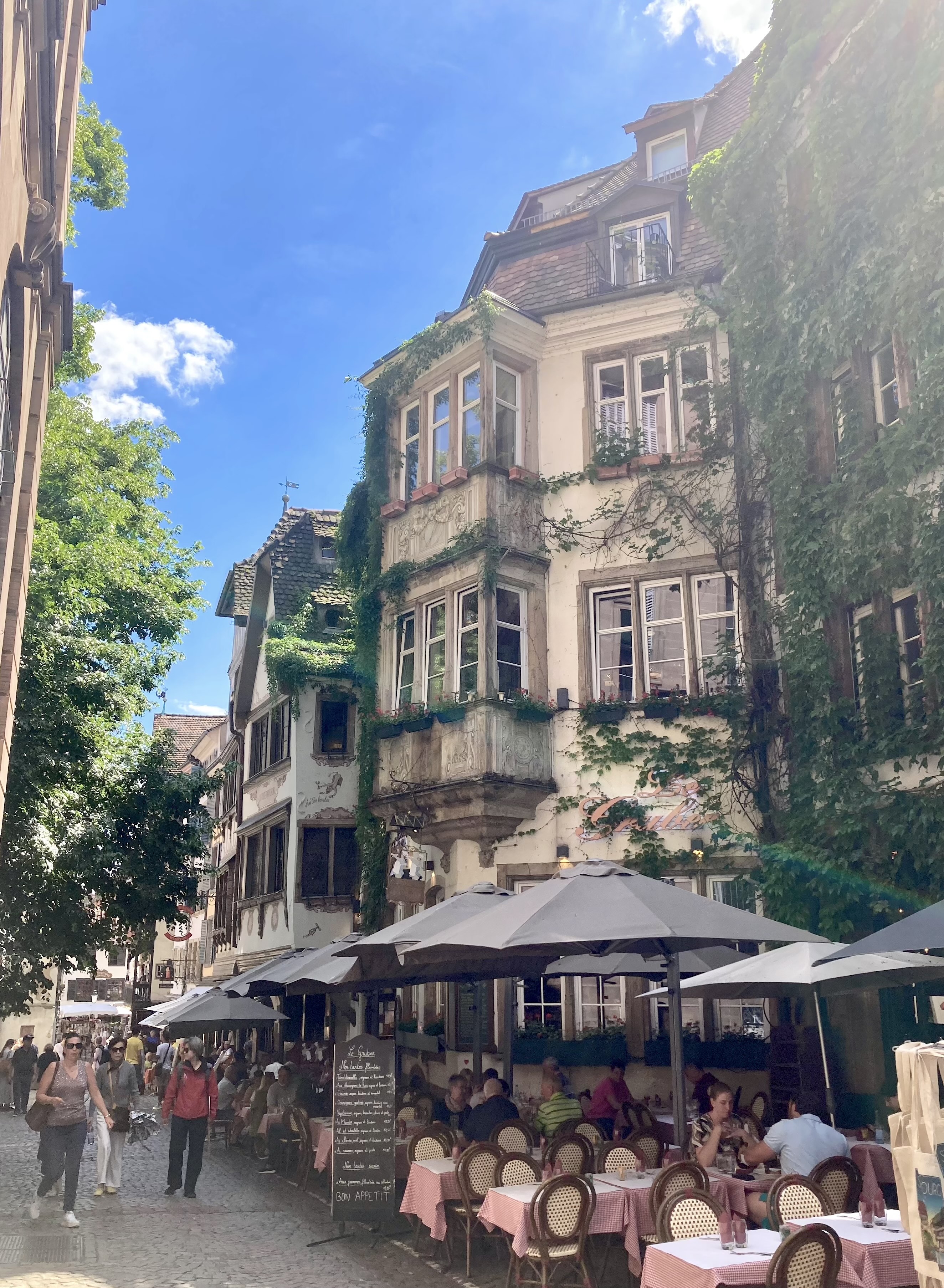
After a bit of a wander around Strasbourg and a very fine meal (more on that later), DonQui decides to explore the Route des vins d’Alsace from Strasbourg to Colmar.

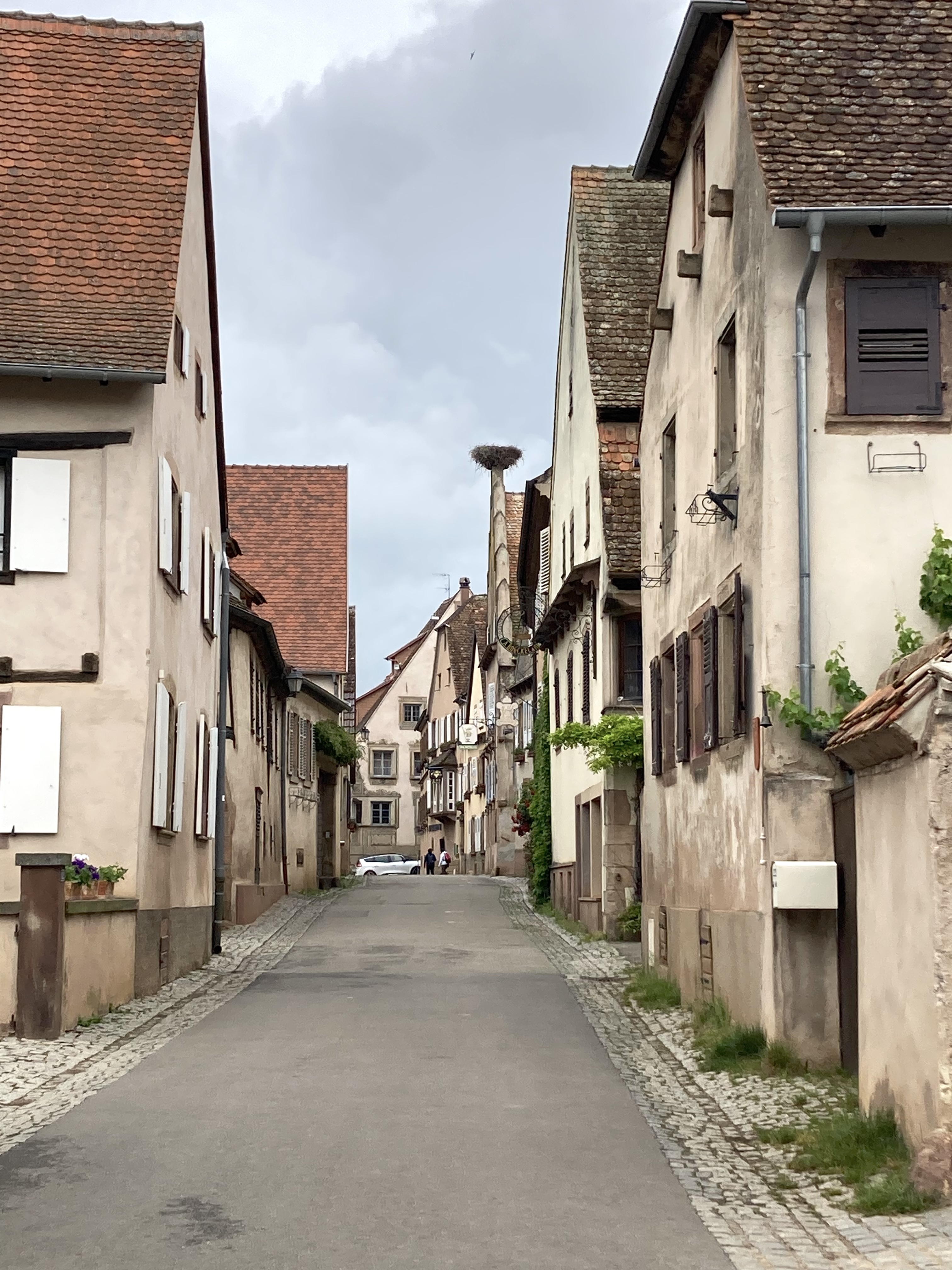
His first stop after leaving Strasbourg is Mittelbergheim — an unspoiled and non-touristy village in the foothills of the Vosges where the vines of Alsace are cultivated. He is quite excited to see a stork with chicks in her nest above the church.

At Hunawihr he makes his first purchase after a little sample of the wines on offer. Safety conscious readers should note that, as he is driving, he only takes a mouthful of each.

Then he trots up a hill to take a look at the 14th Century fortified church which is surrounded by walls complete with bastions and firing ports. 

Alsace has been tramped over and plundered by a succession of armies right up until 1945. DonQui imagines the medieval peasants fleeing the village below for the safety of the church as they see an approaching robber baron.

At dinner in Strasbourg the previous night DonQui had sampled a lovely pinot noir from Dambach-le-Ville so he heads there to procure a case. 

Dambach-le-Ville is a lovely little walled village with yet another nesting stork. 

DonQui dose not remember seeing so many storks in the Rhine valley before but on this trip he sees many of them. It is perhaps a good sign of nature recovering.

DonQui also stops off at Ribauville and Riquewhir. He remembers the latter village as being particularly beautiful on a previous visit years ago.  Yes it is pretty but it seems to have succumbed to a bit of Disneyfication. Unlike the other stops on his route it is also full of other tourists. Still it is enjoyable to walk around, although DonQui does not buy any more wine as post Brexit rules only allow him to bring 18 litres back to the UK.

DonQui’s final stop is the beautiful city of Colmar. From here he will cross the Rhine and head over to Germany.

All in all the Route des vins d’Alsace makes for a most enjoyable day out — leaving his car heavier (with cases of wine) and his wallet lighter.

A Pause for Thought

On the way to the Autoroute which will take him to towards Strasbourg, Donqui passes dozens of First World War cemeteries. It seems as if there is another one every couple of hundred  metres.

He decides to stop off and pay his respects at the Vimy battlefield where in 1917 the Canadian Division captured a prominent ridge now topped by a colossal monument. 

A section of the trenches have been preserved with concrete ‘sandbags’. DonQui paces out the distance between the original frontline Canadian and German trenches. They are only 50 metres apart! Between them are a number of craters formed by shells and the larger ones by mines set off in tunnels dug underneath the trenches.

DonQui takes the evocative guided tour of a section of the tunnels — now reinforced and better lit than they would have been in 1917.  Parts of the tunnels served as field headquarters as well being a relatively safe way of moving between positions. 

One mine tunnel still exists, dug deep to work its way under the German trenches. This one was never blown. The big crater below was caused by an exploded mine.

Vimy is an amazingly evocative and sobering battlefield site — preserved, staffed and maintained by Veterans Affairs Canada.  DonQui had only expected to make a brief stop but ended up staying several hours. It gave him lots to think about.

DonQui Hopes

DonQui hopes that on Thursday we vote to stay in the EU.

donqui eu
He likes the fact that as a European citizen he can live and work anywhere in Europe.

He thinks we solve problems better by working together with others

He believes the EU improves living standards, provides jobs and protects rights

He would like us to help steer the future direction of the EU

He is not afraid of immigrants.

He wants Britain to remain Great — outward looking, tolerant, prosperous and cooperative.

Profile_Picture_BLUE

DonQui also hopes that if you share some of these views then you make sure to vote on Thursday.