
Having been home for a couple of days, DonQui Oaty has been reflecting on his wonderful road trip through France, Germany, Switzerland and Italy (and also a tiny bit of Austria). He drove 3000 miles (well 2955 to be exact), took 1 month over it, stayed in some wonderful places, ate a lot of good food, and drank a lot of good wine (and beer too).
So what are his top tips for those readers contemplating a European road trip?
Your Car

The success of the trip hugely depends on your car. DonQui had his fully serviced a couple of weeks before leaving. If the tyres are still OK but becoming worn – replace them. Same for windshield wipers and anything else that is borderline. The last thing you want is to have a breakdown or spend time searching for a garage and try to get things fixed en-route.
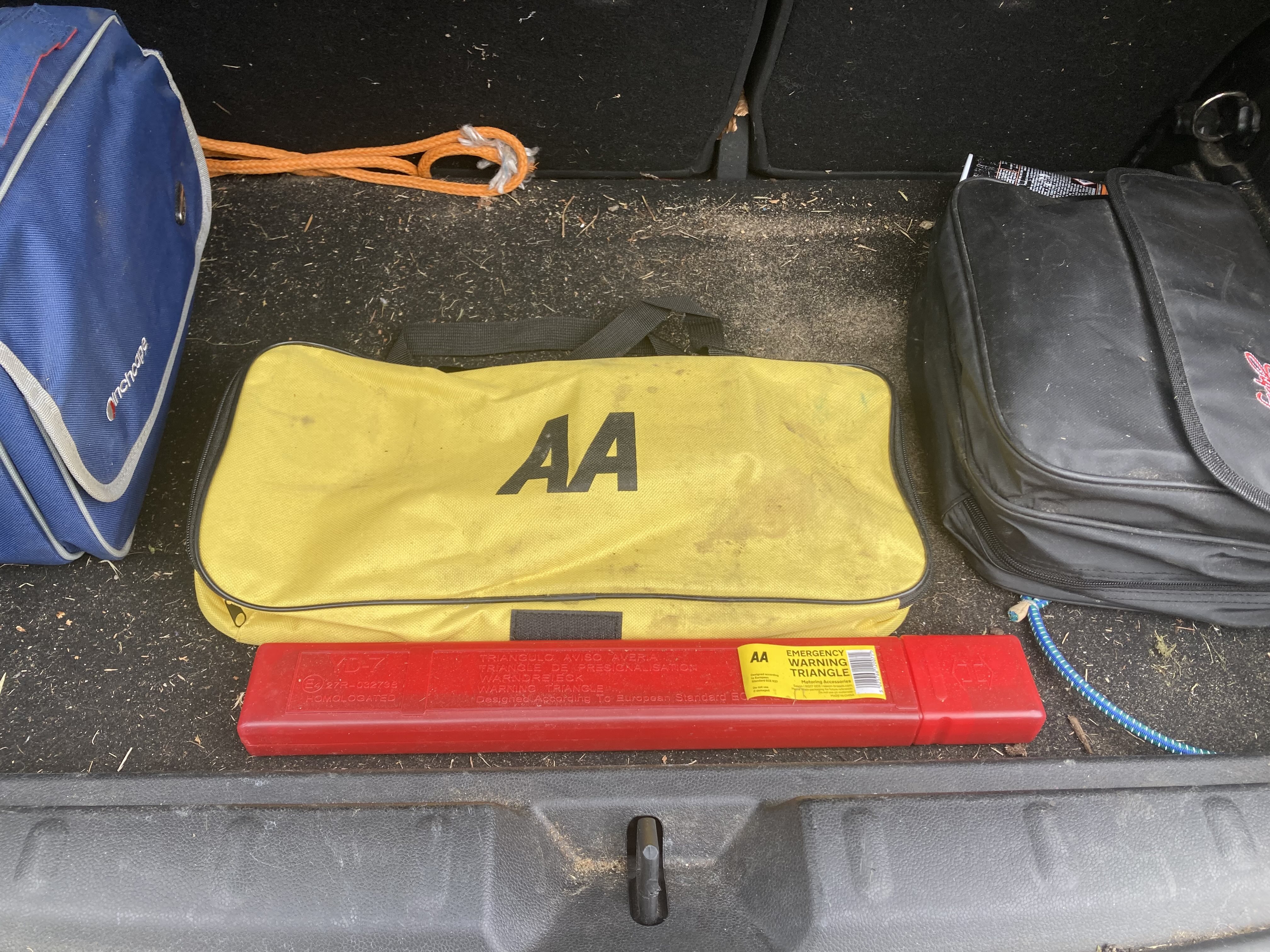
The AA provides good advice of what you need to drive in various countries They also sell a kit containing some essential items such as safety triangle, high vis vest, UK sticker and other things you need when driving in many European countries
Paperwork

Obviously you need a valid up to date passport. DonQui is blessed to have an Irish passport and so does not have to contend with the myriad of new post-Brexit complications for non-EU passport holders. New visa waiver systems are coming into force soon which will apply to all non-EU passport holders entering Europe. The will make the already long delays at the channel even more fun.
Driving licence, car insurance certificate valid for Europe, and proof of car ownership (V5C logbook) are also essential. Donqui got into a bit of bother at the Swiss border when they were looking for some form he did not have, however with the above they did let him through. He still does not know what form they were after even after searching the internet.

Also for both Austria and Switzerland you need to pay the road tax in advance. This can be done on-line or purchased from a service station just before the border.
Insurance
Breakdown insurance covering all the countries you are travelling through is also pretty important. Fortunately DonQui dot not have to use his but he has in the past. Should something go wrong with the car you don’t want to be trying to find help in another language without a clue of where or whom to go to.
The same is true for medical insurance. DonQui likes to think he is invincible but accidents do happen.
Pre-Book
DonQui is not a natural planner. He is very much spur of the moment. However pre-booking accommodation in Europe these days is essential if you want to stay in nice places — and DonQui does like to stay in nice places. He travelled in May-June. Although off-season many good places were booked out months in advance. This does mean sticking to a schedule but DonQui always pays a little more to allow cancellation should he wish to change his mind.

He also advises pre-booking for exceptional restaurants and popular tourist sites. Some, such as Versailles, only allow visitors at pre-set times and prime times are filled days in advance. Others — Juliette’s house in Verona for example, do not sell tickets at the door. You have to book online in advance and carry the ticket on your phone.
Your Phone
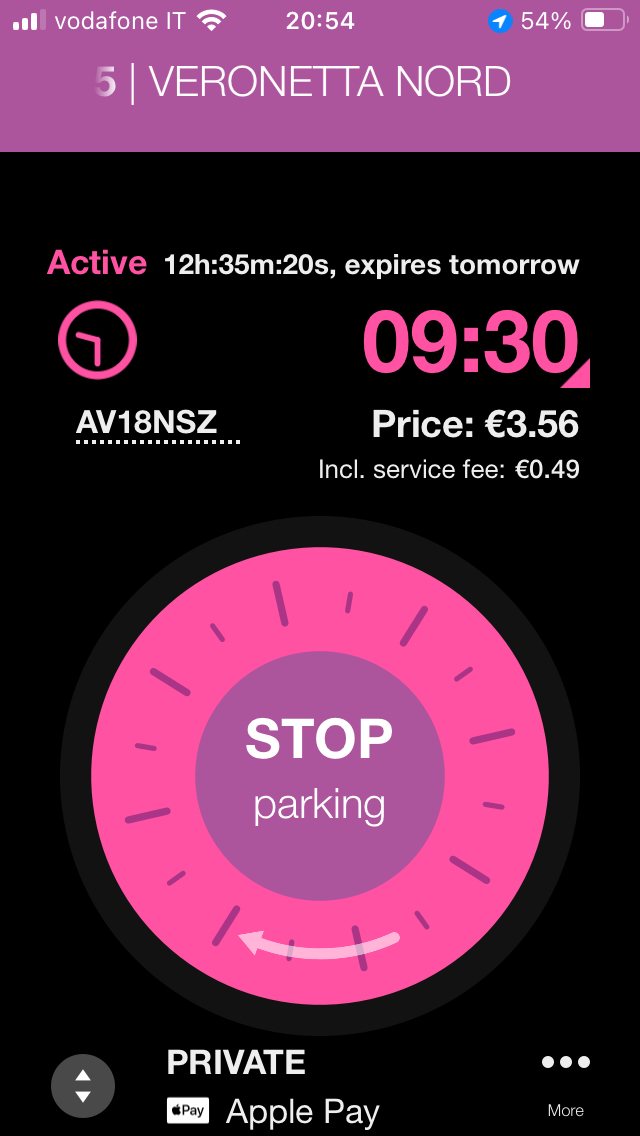
These days almost everything from entrance tickets to parking requires the use of a smart phone. It is also hugely helpful for navigation. Therefore it is well worth paying in advance for a package that will not cost you an arm and a leg when downloading data.
Parking
Cash or card?
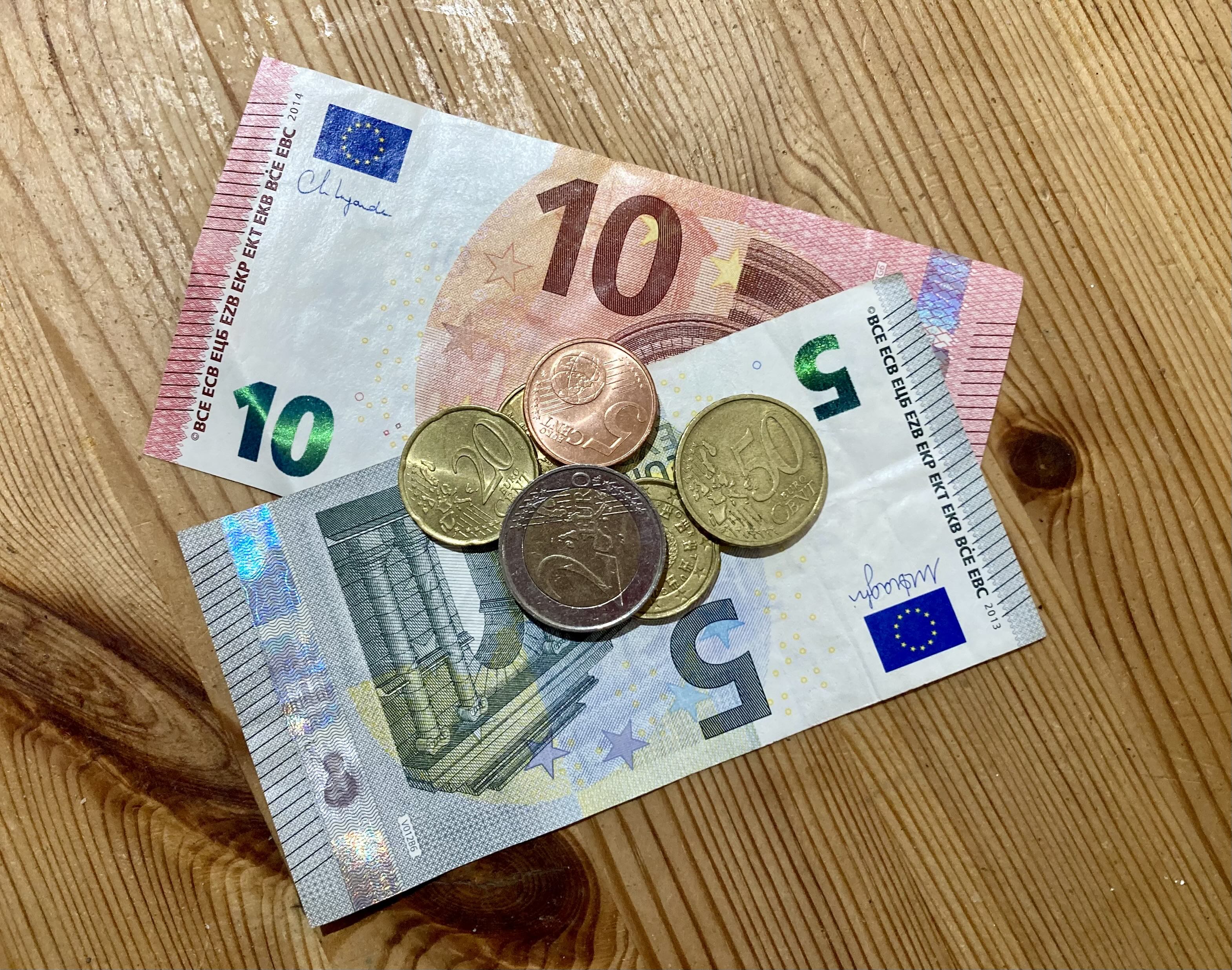
Pretty well everything in France can be paid for by card or phone. Not so in Germany. With only one exception, every restaurant that DonQui went to in Germany was cash only. He has experienced similar in Austria. So before entering the Germanic world, make sure you have plenty of Euros.
In Italy most places happily take cards but for smaller transactions they prefer cash. On a couple of occasions DonQui was told that they accepted cards but unfortunately their card reader was ‘broken’. So always useful to have a bit of cash in pocket.
Speaking of cards, many UK banks charge for every foreign transaction. It is worth having a card from a bank that does not do this as the charges can really add up. DonQui has an online account with Starling Bank which he uses for travel as they do not charge extra fees. Other banks do similar. It is worth setting up such an account in advance.
Short hops

One of the joys of a road trip is that the journey is a big part of the experience. DonQui likes to keep each leg relatively short to allow him the opportunity to stop off and visit places en-route as he did from Genoa to Arles.
Most of his drives were about 3 hours (excluding stops). This made each leg not too arduous to allow not only time to explore along the way but also for a late start and early arrival.
DonQui did have a couple of longer drives. Crossing the alps from Germany to Italy was five hours straight driving, taking seven hours to arrive at Verona after stops. This he found quite tedious, especially as the traffic around Milan was horrendous. The drive from Périgord to Versailles was also a bit too long to be enjoyable.
In future DonQui will try to limit each leg to 4 hours maximum (excluding stops).

Really long trips can be broken up by a one night stay at someplace mildly interesting between the main destination points. Donqui did so at Arras, Genoa and Toulouse. None of these were places he desperately wanted to go to — they were merely stops along the way. In each case, however, he throughly enjoyed his quick stop-over.
For these quick one-night stops he found it handy to have a small pack which contained the overnight essentials so he did not have to drag all his baggage into the hotel.













 donquiblog