

DonQui contemplates the Christmas Turkey!
DonQui contemplates the Christmas Turkey!

One of DonQui’s colts, now off in his own paddock, once toyed with freeganism and he has not entirely discarded some aspects of the anti-consumerist philosophy.

For those who don’t know, the name ‘freegan’ comes from a combination of ‘free’ and ‘vegan’. Amongst other things they will eat for free by ‘skip surfing’ to rescue good food thrown away by restaurants and supermarkets.
As DonQui is a committed carnivore, often spotted trotting around expensive gourmet food outlets, readers might be surprised to learn that he has some sympathy with the freegan philosophy. He likes cooking from scratch, and tends to buy locally and from small independent shops rather than from big supermarkets.
Recently he cooked up a nearly free meal.
It all came about when Duchess was not feeling well and DonQui thought chicken soup might be the answer. The problem was he had no chicken stock on hand. When Duchess suggested cooking it all up from scratch DonQui thought it a rather good idea.
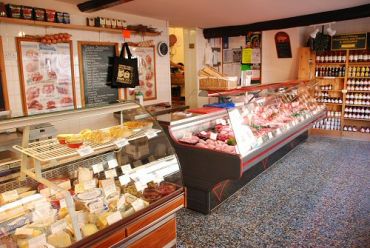
So he headed off to Allen’s Butchers in Halesworth. He asked if they had any chicken wings or giblets from which he might make a chicken stock. The friendly butcher returned with a bag full of wings and half a chicken carcass.
When DonQui reached for his coin purse to pay, the butcher told him it he could have it for free as it would have been thrown our otherwise.
DonQui was both pleasantly surprised and slightly shocked at this news. If he had thought about it he would have realised that all those nice boneless chicken breasts left behind unsellable carcasses and chicken wings don’t tend to sell as well as other chicken parts. All of this would have been discarded if DonQui had not picked them up and put them in his panniers.
The actual process of making the stock is pretty simple.
The chicken parts, a quartered onion, a chopped up carrot, a chopped up celery stick, a bay leaf, some parsley and a few sprigs of thyme go into a pot with some salt (not too much as it is easier to add than take out). Cover, bring to the boil then simmer on a very low temperature.

After a few hours DonQui fishes out he chicken, strips off the good bits of meat and sets it aside to be added in later to a soup. Then he throws the rest back in and lets it all simmer slowly a bit longer to reduce until the flavour seems about right.
After straining the stock can be used right away to make a soup or gravy base, or kept in the fridge to use another day. It also freezes very well.
DonQui is not sure how much it cost him. The chicken was free while the celery, parsley, bay leaf and thyme came from the allotment. All he had to pay for were the salt, pepper, one carrot and one onion (which he did not have on his allotment at the time).

He made about a litre of stock from the free chicken which is pretty good given that 500ml of his favourite Waitrose chicken stock currently costs £2.79.

DonQui has found himself traveling to Riga quite a lot recently.

This is perhaps not the best time of year to visit if, like DonQui, you prefer heat to cold. With the UK basking in double digit temperatures the mercury in Riga is barely rising above freezing.

There are however some compensations such as mulled wine served from a cauldron over an open fire at the Old Town Christmas Fair.
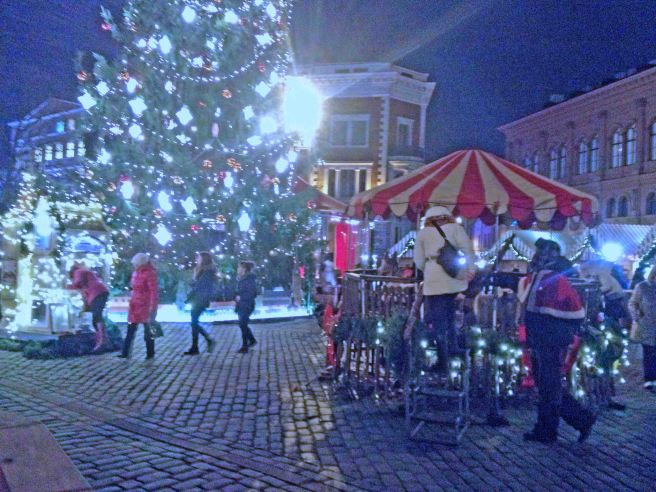
In DonQui’s view Riga, the capital of Latvia, is a rather pleasant place to spend a few days.

Old Town, with its narrow winding cobbled streets, is incredibly atmospheric — especially in the warmer months when DonQui enjoys sitting outside at one of the many cafés and watching the world go by.
 Wandering around the city it is not difficult to image oneself transported back in time to the medieval glory days when it was a Hanseatic city. The only downside is that such musings can be interrupted by embarrassing groups of drunken Brits on a stag-do or hen party. Fortunately there seem to be less of these now than a few years ago.

Further our from the old centre there are several streets featuring some of the best Art Nouveau buildings in Europe. It is well worth taking a walk up to Alberta Iela which is lined on both sides with some incredible architecture.

This part of town also has some very good restaurants including DonQui’s absolute favourite Riga eatery — the wonderful Muusu. Featuring top end modern European cuisine with a Latvian twist it is not the cheapest place in town but it is well worth it.

DonQui has enjoyed several delightful meals there and when he returned after a break of several months the very friendly waitress remembered his favourite wine.
 Latvia’s modern history has been troubled to say the least. The 1920s saw a conflict which involved Red and White Russians, Germans, Poles, British and others piling in to support various factions in a civil war which resulted in a brief period of independence.
Then came a Soviet occupation, followed by a Nazi occupation and then another Soviet occupation.

Latvians who backed the wrong side at the wrong time were killed or transported into exile, leaving a bitter legacy that remains to this day. A visit to the Museum of Occupation gives visitors a glimpse of what it was like in the dark days from the 1930s to 1980s. Continue reading
DonQui recently tried out this recipe from Passion Cook

And very good it was indeed.
He made a small variation on the original recipe by reducing the wine and stock together for about 15 minutes and only then adding the cream right at the end.
 Whenever using cream in a sauce, especially with wine, DonQui always adds it at the end as this prevents it from separating or curdling.
A sprinkling of fresh parsley added a bit of colour.

DonQui loves his sauces and also loves making them from scratch.
DonQui is rather pleased to hear that Gordon Ramsay has recently opened a new hostelry in his old stomping ground of Battersea.

London House opened last year in Battersea Square. With Duchess joining him in London for a few days, DonQui thinks that they should try it out.
Various reviewers have complained that the decor is naff “a bit like Travelodge gone to heaven,” proclaims the Evening Standard, while Time Out says it is like “a trip back to the ’90s.”

Well, DonQui quite enjoyed the 90s. He appreciates the way the restaurant is laid out with comfy, distressed leather sofas at one end of the room for relaxing with a drink before or after dinner — or both. The decor may be a little fin de siècle but DonQui likes the spacious, open feel and the refined yet casual atmosphere.
The youngish, well-dressed staff are friendly, knowledgeable and the service is faultless. When DonQui does not need them they are nowhere to be seen. Then when he does want something they seem to magically appear just at the right moment.
So what about the food?
Utterly superb.

As is the wine – after a pinot noir and a grey goose vodka cocktail as aperitifs DonQui orders a very tasty Chinon.

DonQui finds the light reds from the Loire, such as Chinon and Bourgueil, are the perfect accompaniment to a meal with a mix of dishes. In his view they go equally well with rich red meat as well as lighter foods. He wonders why they are not that well known outside France.
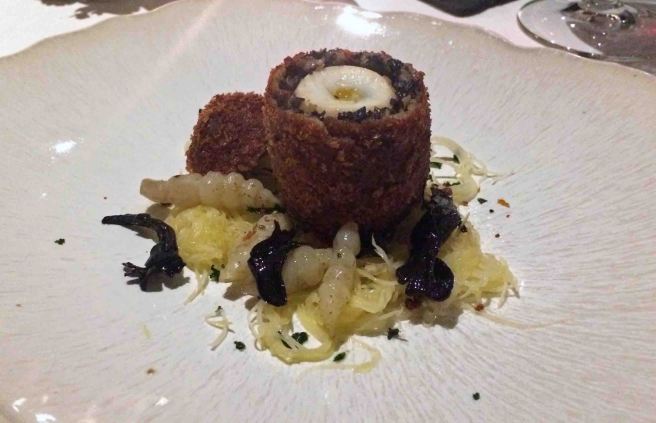
To start DonQui has wild mushroom scotch egg. The egg (probably a quail’s given the size) has a perfectly runny yolk and solid white — just as it should be. The outside is crispy and full of gorgeous mushroom flavour. It is served on a bed of finely shredded pickled Japanese artichoke, a root vegetable that DonQui has not encountered before. It reminds him slightly of sauerkraut but with a more delicate taste and it goes very well with the scotch egg.

Duchess has goat’s cheese curds with honey which is served with a bundle of thin homemade grissini. The waiter warns that it is just a small nibble but it is what Duchess wants. She is after something that has flavour without being too filling and it does the job very nicely indeed.
Then there is the bread. The most gorgeous crusty sourdough — so good that it is devoured before DonQui can think of taking any photographs. The waiter asks if he would like more and although he does, he thinks it best to pass as otherwise he will have no room for anything else.
The two main courses are wild fallow deer with a nutty herb crust served on a bed of pearl barley with caramelised swede and curly kale; and chicken breast with sweet potatoes and polenta.
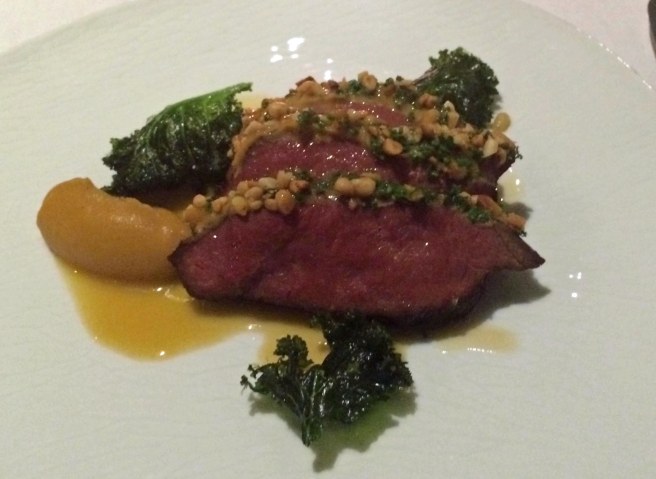
Readers will probably guess that DonQui goes for the venison. It is tender, juicy and rich without being gamey.

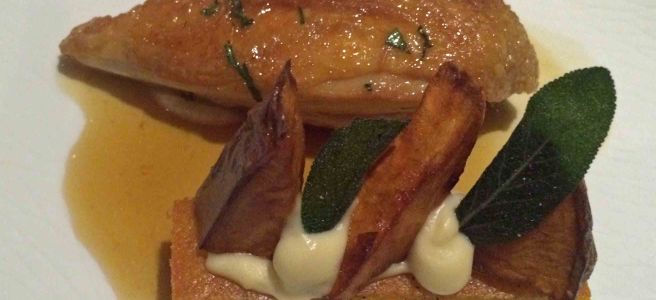
The look on Duchess’s face tells him that he should try her chicken breast. Now chicken breast is not something DonQui normally would go for as he prefers his meat dark and juicy. However this is without a doubt the best chicken breast he has ever tasted. With crispy skin it is moist and full of flavour that DonQui would not normally expect to find in a relatively simply cooked piece of chicken.
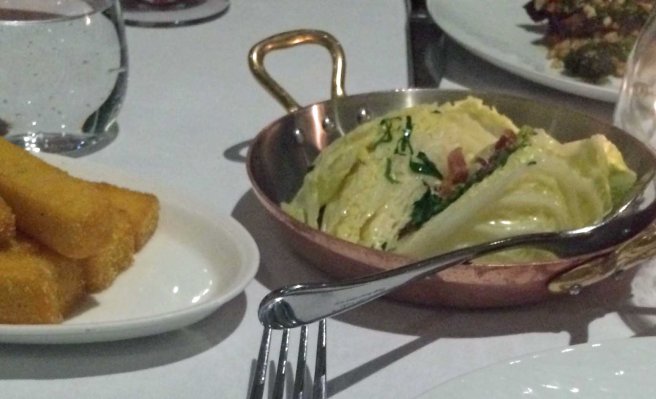
Feeling slightly greedy extra polenta sticks and savoy cabbage are ordered to go along side. The savoy cabbage does not quite live up to DonQui’s expectations. Poached in milk with bits of bacon the taste is fine, however the two big lumps of cabbage cut in half do not really appeal to his senses.

For desert DonQui has passion fruit posset which is delectable. Duchess goes for the chocolate eclair which is a disappointment. The pastry is rock hard. The waiter is most apologetic and produces two glasses of the most glorious Muscat in compensation which more than makes up for it.
Mistakes can happen but if they are dealt with graciously then everyone remains happy.

After a little espresso and a fine calvados to finish off DonQui is feeling very happy indeed. This is dining as it should be, he thinks — unstuffy, cheerful and thoroughly enjoyable.
DonQui and Duchess opted to go a la carte which was not cheap, but neither was it outrageously expensive by London standards. However one does not have to spend a fortune to dine at London House. There is an excellent set menu offering two courses for £22.50 or three for £28.00. Given the quality of the food and ambiance of the restaurant this is very good value indeed.
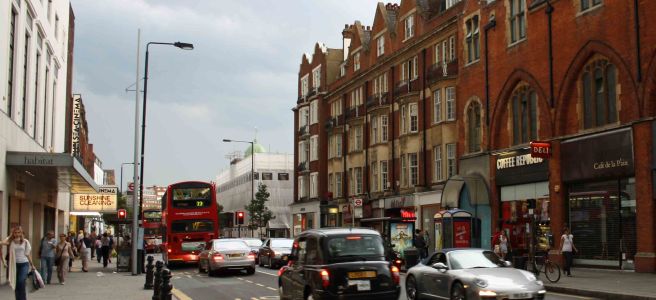
DonQui rather enjoys shopping for food and browsing around book shops but other than that he hates shopping. In this regard he is probably not too dissimilar from most males of various species. His idea of hell on earth is a shopping mall so you will never see him in Westfield nor any other such ghastly place.
What to do then when online shopping does not provide the easy answer and a London shopping trip becomes unavoidable?

First of all DonQui will avoid Oxford Street at all costs. Heaving with tourists and shopaholics it makes an unpleasant experience positively unbearable. This is especially true this time of year when Christmas lights are already up in early November and all the shops are blaring out soppy, truly awful Christmas songs. Perhaps the muzak is supposed to encourage people to buy — but it only makes DonQui want to kick the speakers and gallop off to the nearest pub to calm his nerves.

When a shopping expedition cannot be avoided he heads for Kings Road.

Now it does sadden DonQui that the cool shops of the swinging sixties and punk seventies have been replaced by bland chain stores. The Sloanes took over in the eighties and seem never to have left.
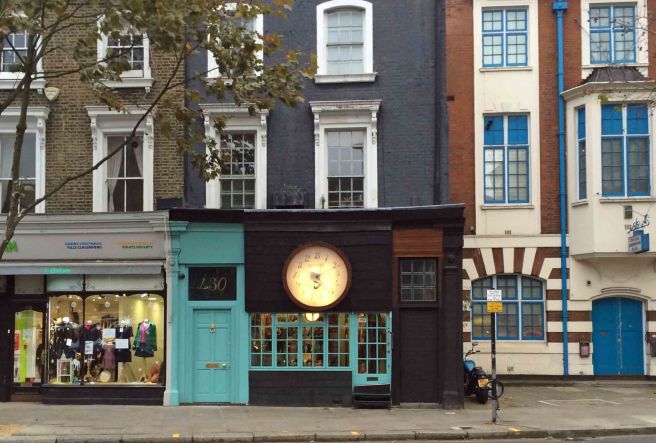
True, Vivienne Westwood’s World’s End is still at — well World’s End. Under various names, it dressed the Sex Pistols and unleashed punk, bondage and pirate fashions. But is no longer the epicentre of current fashion that it once was.
The shop where Mary Quant first brought miniskirts and hot pants the world (thereby earning DonQui’s eternal gratitude) is now a café. Although there is a Mary Quant shop around the corner in York Square the company is now owned by Japanese businessmen.

The infamous Chelsea Drugstore featured in Clockwork Orange and the Rolling Stones lyrics in You Can’t Always Get What You Want, is now a McDonalds.
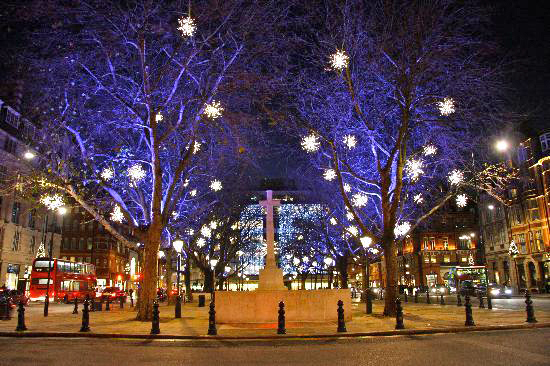
Leaving nostalgia aside for more practical matters, the usual place DonQui starts a canter down Kings Road is at Sloane Square. Not much to hold him there as the various cafés are on the expensive side and not particularly cosy. However the Christmas lights are relatively tasteful and there is no horrid Christmas music. If you fancy a bit of theatre later on the Royal Court has a reputation for putting on new and innovative plays. It brought us the original Rocky Horror Picture Show back in 1973.
On the corner of Sloane Square, Peter Jones department store sells pretty much everything except food (for that there is a Waitrose further down the road). Now DonQui is not a great fan of department stores but this one has nice stuff and is not too crowded. It is part of the John Lewis group, retaining the old name of the original store which was bought up by Mr John Lewis himself back in 1905.

Opposite Peter Jones is Duke of York Square which has a goodly collection of upmarket chain shops, a large Zara and, more importantly quite a few rather good eateries. The former Duke of York’s Barracks is now home to the Saatchi Gallery for contemporary art.
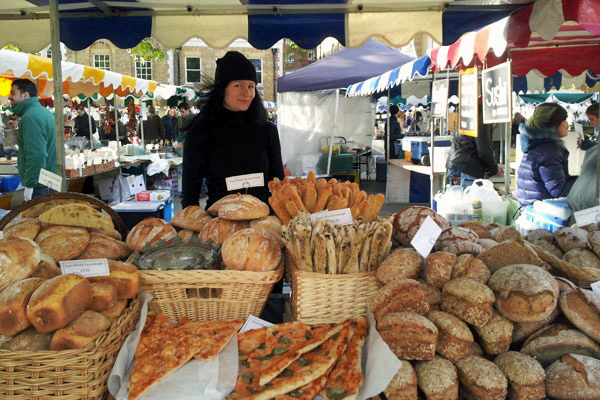
On Saturday morning there is a very good food market on the square where DonQui has often gone to pick up various delectables. Sometimes in summer he has combined this with a coffee and croissant sitting outside for breakfast at Partridges. The family run Partridges is a venerable institution reminding DonQui a little of Fortnum and Masons.
From Duke of York Square to the Chelsea Old Town hall there are a wide range of shops ranging from upmarket designers to Marks and Spencer’s.
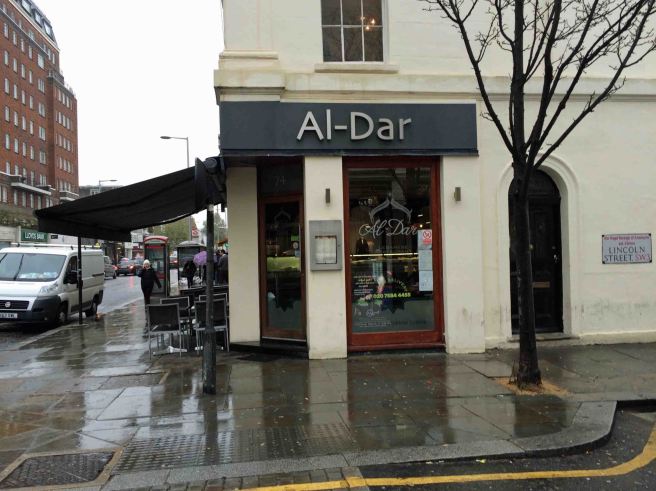
If in need of a quick lunch Al Dar is an excellent Lebanese restaurant and/or take-away. DonQui is particularly fond of their lamb shawarma which is made with proper whole pieces of lamb, beautifully spiced.

Alternatively the Amorino has some really very good all-natural Italian style ice cream just across the road.

Those with too much money burning a hole in their pocket could drop into Ghost to buy their girlfriend the dress worn by Bond Girl Léa Sedoux in SPECTRE.

Or, you could sneak down Blacklands Terrace for some respite at John Sandoe’s wonderful independent bookshop, leaving any accompanying Generation X, Y or Z’ers in Jack Wills on the corner.
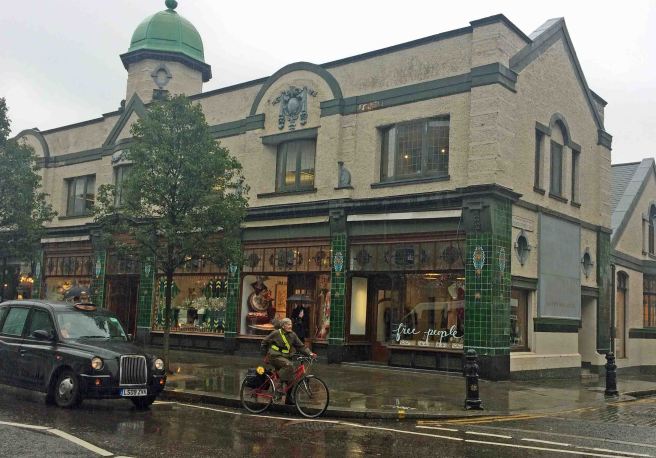
Most of the women in DonQui’s life seem rather taken with American import Anthropologie opposite the Trafalgar pub. Left to their own devices they could happily spend hours in there.

A good tactic is to let them do this and repair to the pub while they try stuff on. One can always join them later to give a verdict on things they are thinking about buying but have not yet made a decision on. Be careful when doing this, a glance at their facial expression will give a clue whether you are supposed to give positive re-assurance or if the female is genuinely unsure and it is safe not to like something she is considering.
The trick to surviving a shopping trip in DonQui’s view, is to intersperse buying stuff in shops with plentiful stop offs at pubs or cafés
 A little bit off Kings Road, down Smith Street, is one of DonQui’s favourite watering holes in the area. Part of the Geronimo Inns group, the Phoenix is a great drinking pub with comfortable bar area and a few seats outside. It also has pretty good food.

Once, a few months back, when enjoying a drink outside, DonQui was entertained by a filming going on in the street.
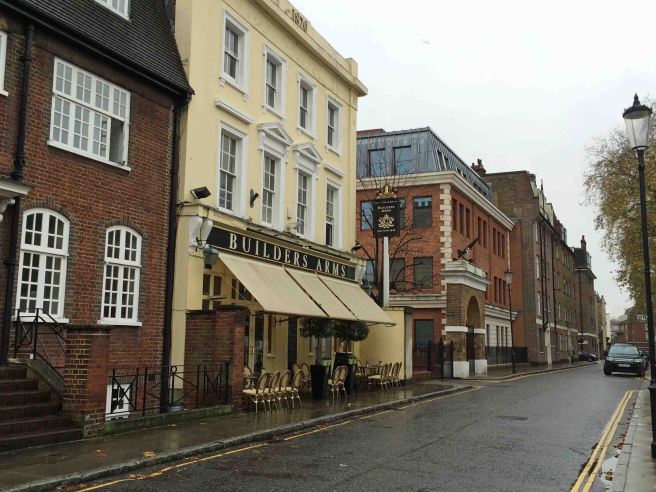
Further down Kings Road and tucked away on a back street (Britten Street) is The Builders Arms. Another Geronimo outlet it is more of a gastro pub with food being the main attraction. Another very good gastro pub with a descent bar area is the Pigs Ear down Old Church Street past the Red Cross charity shop for the price conscious shopper and Manolo Blahnik for anything but.
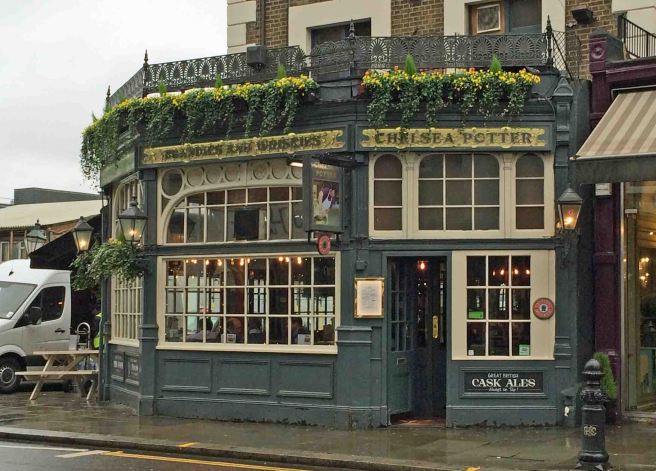
If you want an unfussy old fashioned boozer you will need to go the Chelsea Potter.
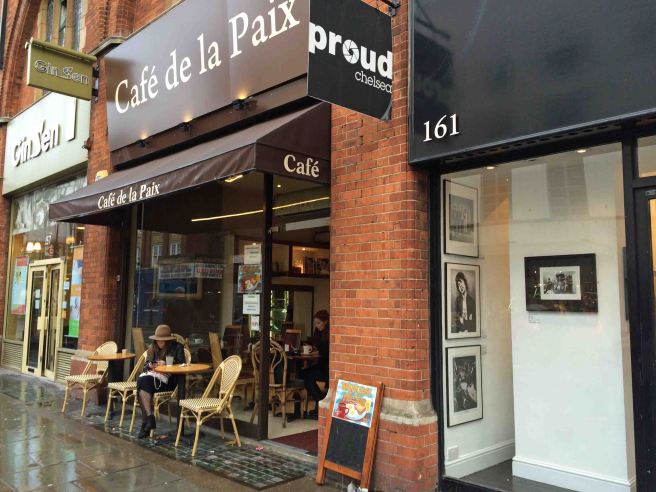
Kings Road is especially blessed with good cafés from the excellent French imports like Pauls and Le Pain Quotidien to home grown ones.
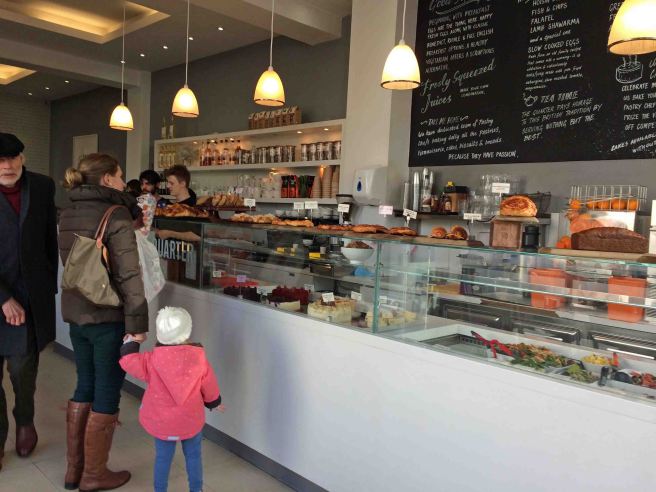
Recently DonQui stopped off for a coffee and croissant at the Chelsea Quarter and found it very good indeed.
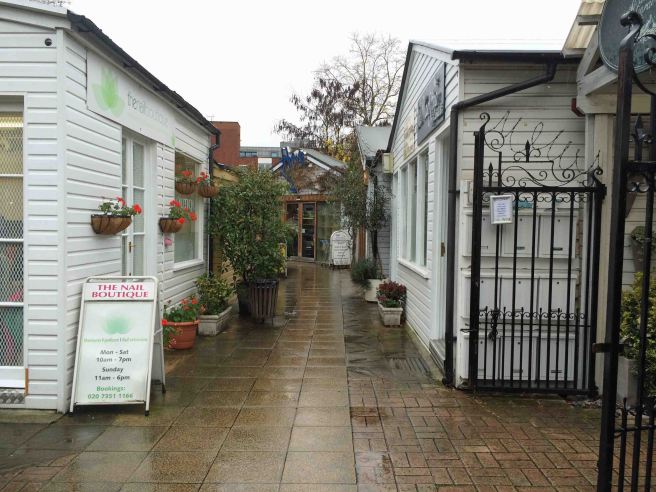
A good place for a lunch stop is the Chelsea Farmers Market just around the corner on Sidney Street — but don’t expect to find any Chelsea farmers there. They became extinct many years ago. Instead you will find a couple of good eateries — especially an excellent pizzeria. The restaurants are mostly geared to alfresco dining so it is much better in summer.
From the Chelsea Old town hall to World’s End the big chains gradually give way to some more independents as well as some very ordinary places such as Tesco, a post office and several charity shops. The charity shops along and just off King’s Road are very good places to pick up brand new stuff at knock down prices. The many more money than sense inhabitants of Chelsea will often offload their unwanted purchases here and the charity shops have cottoned onto it — shipping in their best stuff from elsewhere to stock the Kings Road outlets. Red Cross and Oxfam are particularly good.

Vivianne Westwood’s wonky World’s End shop with its backwards running clock, the World’s End pub and World’s End nurseries mark what is surely the end of Kings Road. The road does apparently carry on a bit further but DonQui is fairly certain that if you go beyond the World’s End pub nothing much good will come from it. It may be that you will fall off the edge of the world, or possibly end up in Fulham — which is more or less the same thing.
DonQui likes this unpretentious, family run, neighbourhood restaurant.
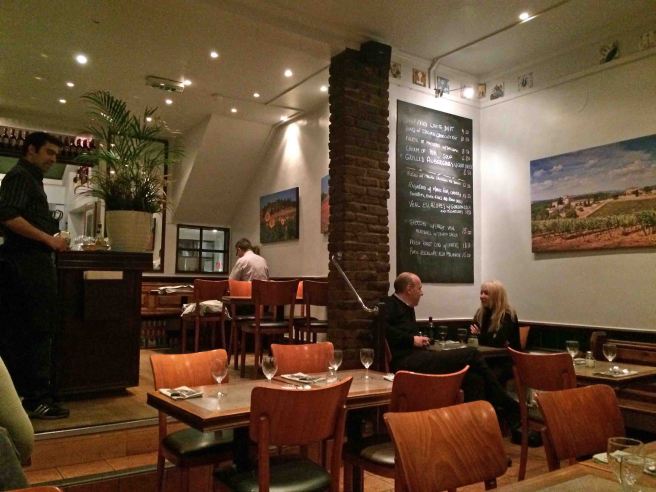
Antipasto has been serving up traditional Italian food in Battersea for over 25 years and DonQui has been eating it for nearly a decade. Whenever he finds himself in SW11 he likes to try to manage at least one visit, and that is what he does this evening. Arriving at around 7pm the restaurant is still fairly empty but it fills up fast and by 8pm most tables are full.
The specials on the blackboard look very good and DonQui is tempted. However, he has a favourite staple which he is glad to see still on the menu since he has been looking forward to it for quite some time. Every so often he will order something else but he usually keeps coming back to his favourite — calf’s liver with butter and sage.

It is simply prepared— the liver slightly pink as DonQui likes it, with the lovely rich tastes of butter and sage permeating the dish. The accompanying vegetables are also unfussy but perfectly cooked, still retaining come crunch. The roast potatoes are crisp on the outside and soft in the middle, just as they should be.
DonQui is quite hungry so before getting to the liver he decides to order the mackerel fillet starter from the specials board.
 Three lovely fresh tasting grilled filets are served with a balsamic glaze, lemon and small green salad. It is a pretty substantial portion for a starter and DonQui thinks it would have been enough to share between 2 or 3 people. He has frequently shared starters at Antipasto in the past as they do tend to be on the generous size. He once made the mistake of ordering garlic bread as well and by the time his main course arrived he was pretty well full up.
DonQui glances over to a nearby table where a man is being presented with the ‘Italian charcuterie’ starter which is a long wooden board filled with various cold cuts and bread — practically a meal in itself.
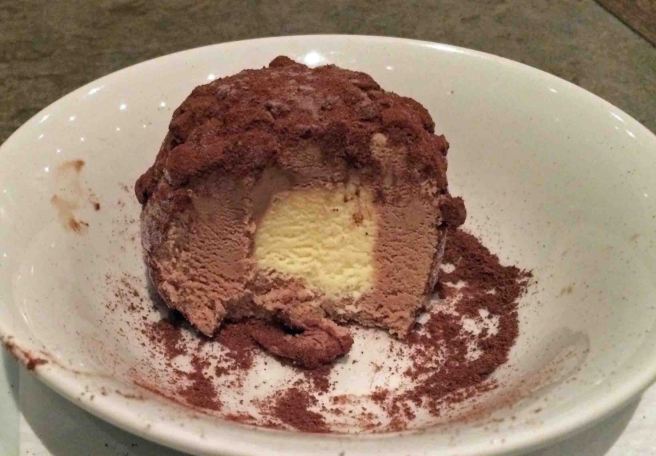 However he still has room for a desert and is in the mood for some ice-cream — in this case a tartufo with zabaione centre, gianduia outer and sprinkled with cocoa and chopped hazelnuts. Just the ticket, DonQui thinks as he tucks in.
Rounding off with a proper Italian-strength espresso at the end, DonQui leaves feeling quite satisfied.

His wallet is not lightened too much thanks to Antipasto’s rather odd pricing system. Not so long ago they used to offer 50% off all food three days a week. This made it a real bargain on those days and tended to leave the place relatively empty on the others. Now they offer 40% off food (excepting deserts) every day of the week. This does make DonQui wonder why they don’t just reduce the base prices by 40%. Presumably the prospect of 40% off draws in more people than if the prices were lower. Whatever the logic, the end result is that a meal here is very good value for money indeed.
The understated service is friendly and efficient and the courses come quite quickly. Sometimes if he wants to linger over a meal here DonQui will order one course and wait to order a second once he has finished it. This is something he learned to do in Italy where it seems quite common to order your meal as you go along.

Most people know that bolognese sauce comes from Bologna in Italy. Yet in the city of its birth it is never… never… eaten with spaghetti. Tagliatelle is the traditional noodle for the meaty sauce, for the simple reason that it scoops it up so much better.
DonQui does not know why spagbol — or spaghetti bolognese — has become such an international classic. Whenever he eats it he is left with a pile of sauce in the bottom of his bowl as the spaghetti simply does not pick it up the way tagliatelle, penne or other larger noodles do. So when he makes bolognese sauce he does not serve it with spaghetti.
Visitors are on their way up from London so DonQui sets about preparing a big batch of pasta bolognese. It is a great dish to prepare in advance and can fill hungry visitors almost as soon as they have arrived or be held for later.
This is how he does it:
Ingredients (for 4-6 people depending on appetite)
400-500g lean minced beef
500ml tomato passata (puréed tomatoes)
1 onion finely chopped
1 carrot chopped
1 garlic clove crushed
a good bunch of oregano (chopped). DonQui has a plentiful supply growing on his allotment but you can use dried oregano if you cannot find fresh.
a good dash of red wine
a splash of balsamic vinegar
a pinch of hot chilli powder (or more if you like it hot — DonQui uses about 1/4 teaspoon)
salt to taste
olive oil for cooking
Method
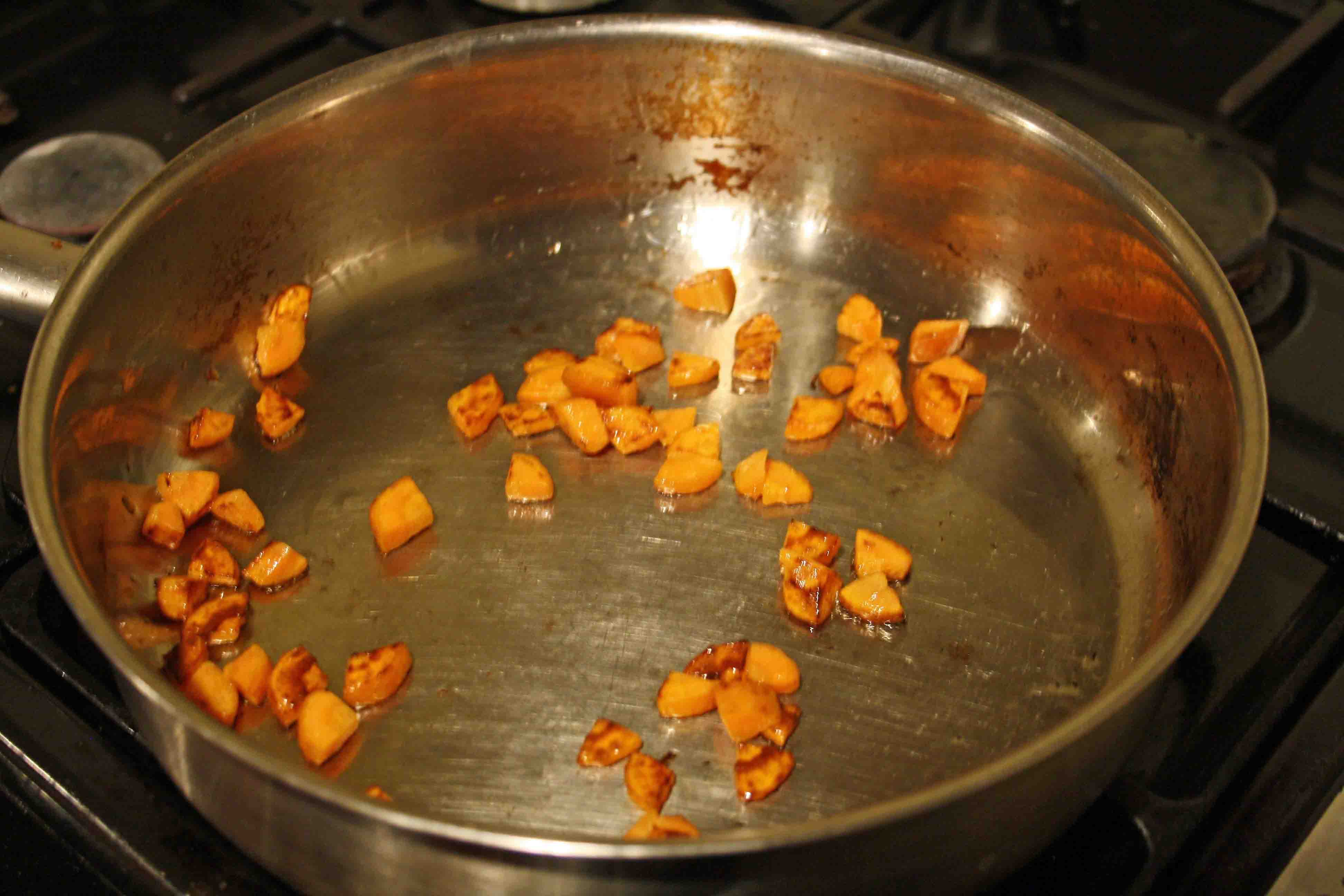
Gently fry the chopped carrot in olive oil until it starts to brown and soften — about 3-5 minutes —then take out of the pan and set aside. This will allow the carrots to retain a nice little crunch when warmed up with the rest of the sauce later on.
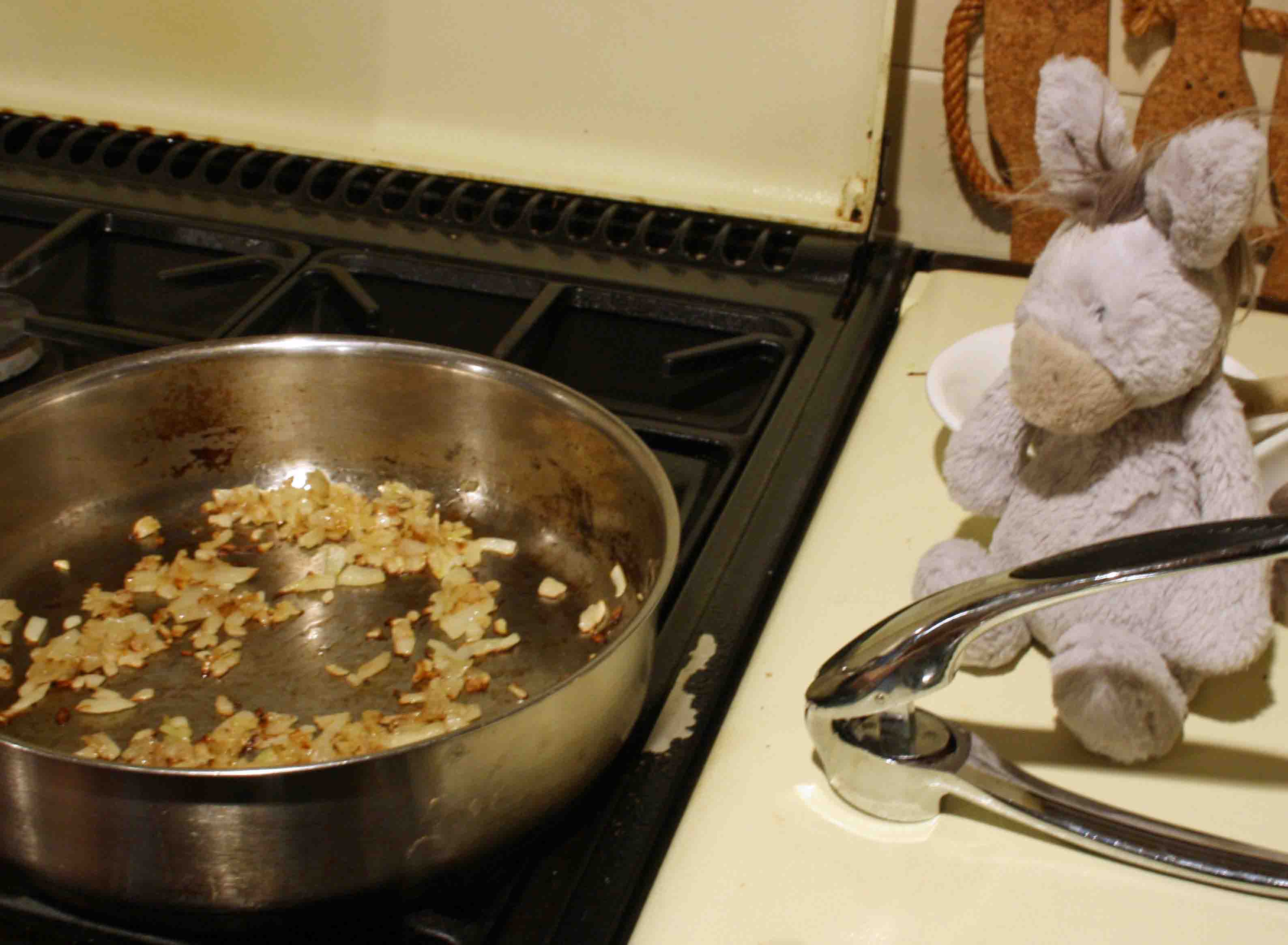
Gently fry the chopped onion and when it begins to colour add the crushed garlic, chilli powder and salt. Stir together for a minute or two then throw in the minced meat.

Cook the meat on a medium heat until it has all browned and any water released from the cooked meat begins to evaporate. Then add the wine, the passata, oregano and balsamic vinegar. Give it all a good stir, bring it to the boil, then put a lid on the pan and let simmer very gently for a good half hour or longer until the flavours have nicely blended and the sauce reduced a bit. Five minutes before serving stir in the carrots.
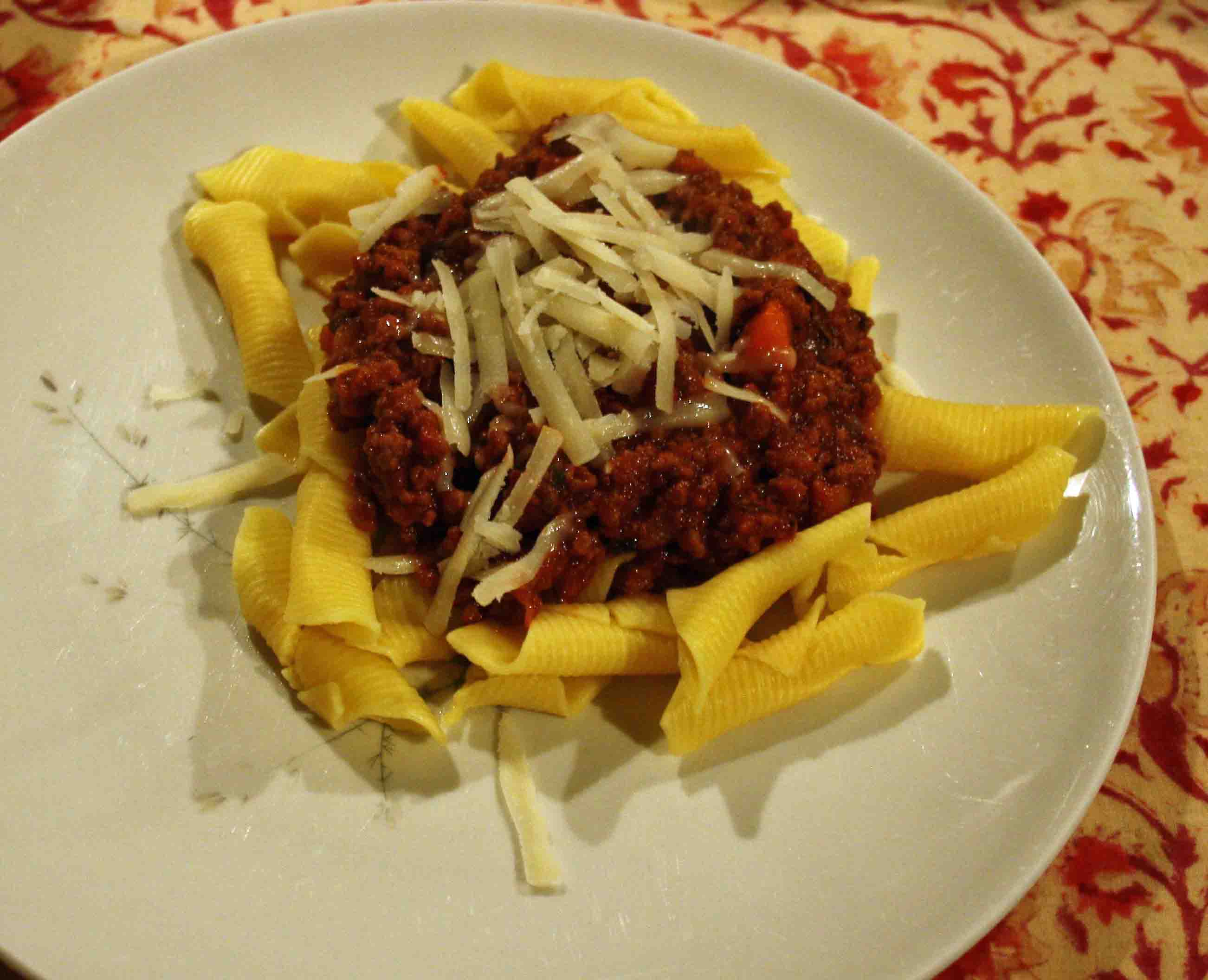
Taste for seasoning, sprinkle on a bit more oregano if you have it and serve over your favourite pasta — but not spaghetti!
Add grated parmigiano-reggiano cheese if you like — DonQui does.
DonQui tried it with garganelli — a rolled egg pasta — which went rather well. The sauce had a deep, tangy taste and DonQui probably ate more than he should have.
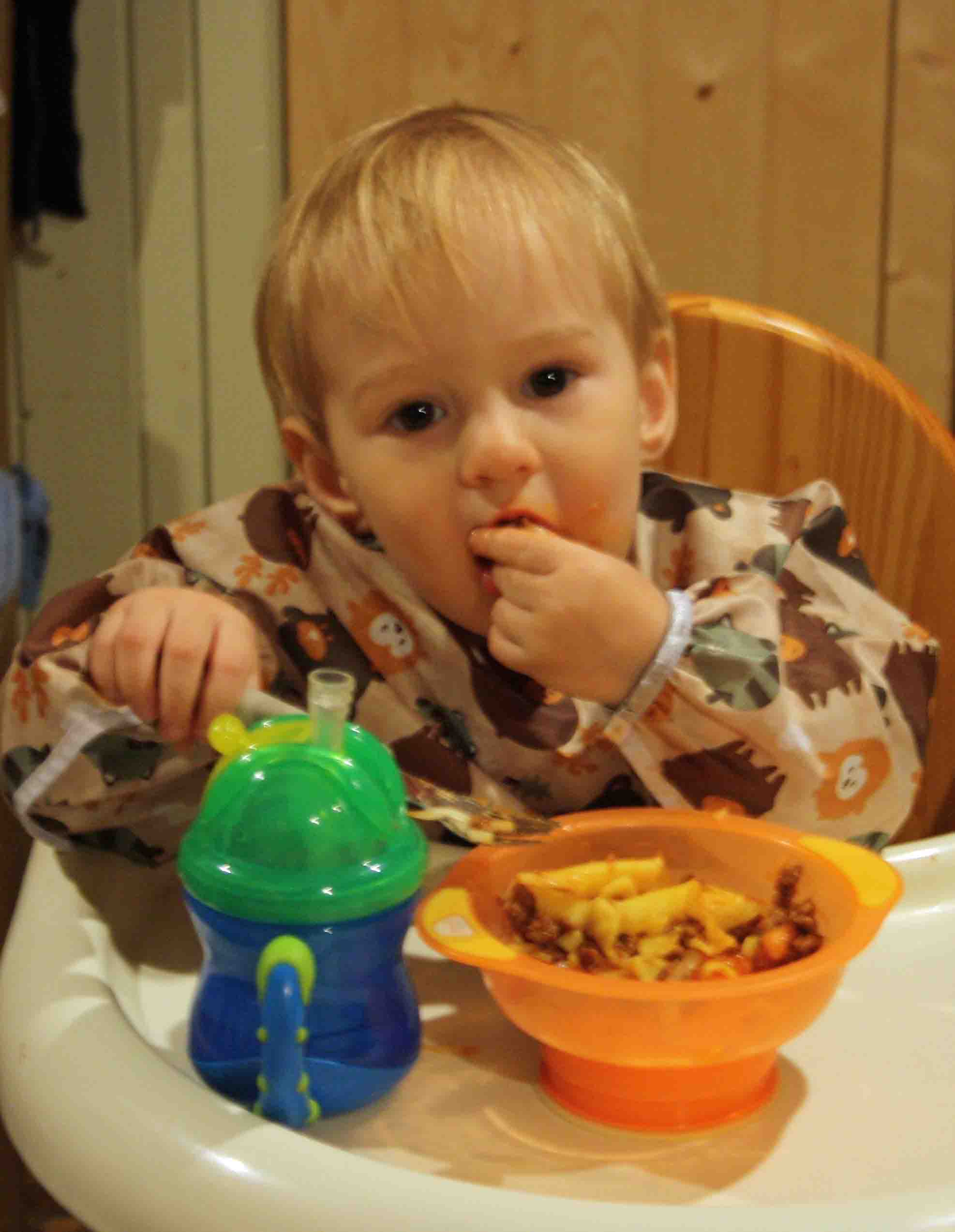
Even the visiting little man liked it.
So what have immigrants ever done for us in the UK?
Apart from providing competent plumbers and increasing the number of working youngsters to pay for baby boomers’ pensions — they have hugely improved the quality and variety of the food we now regularly enjoy.

We have Jewish refugees to thank for fish and chips while Britain’s other national dish — chicken tikka masala (photo above) — was invented by Bangladeshi immigrants.
Now DonQui has a rather problematic relationship with fish and chips. Every once in a while he gets a craving. Then he trots down to the chippy (fish & chip shop for non-Brits) with great expectations which invariably end in disappointment. Really good fish and chips need a light, crispy batter and the chips should be nicely browned on the outside while remaining soft in the middle. All too often the batter is thick and greasy while the chips are pale and limp.
Not good.
Living by a seaside resort town — Southwold in Suffolk — one would think that it would be fairly easy for DonQui to find decent fish and chips.
Not so
The fish is fresh, to be sure, and generally speaking the batter is fine. His main problem is with the flaccid, pale, sorry excuses for chips — caused by cooking at too low a temperature without double frying.

The news that a new chippy is opening in Southwold fills DonQui with some hope. After months of renovations, and missing the high summer season, the Little Fish and Chip Shop has just opened. Selling fresh fish out front and frying around the back, it looks very promising.
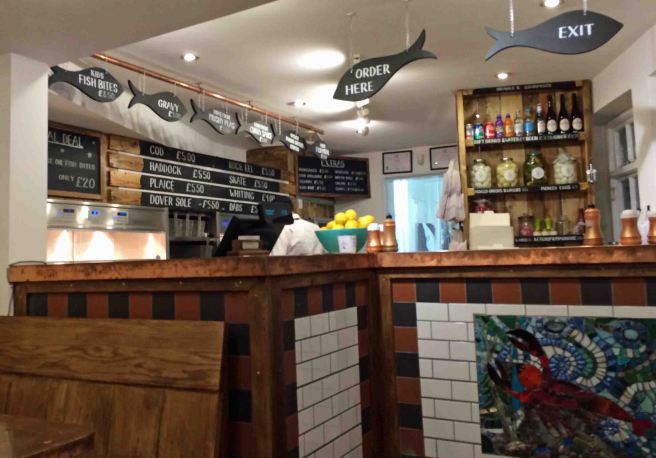 DonQui decides to give it a go, ordering haddock with a small portion of chips. Plaice is DonQui’s favourite fish but it is too thin and delicate for deep frying in batter. It really has to be either cod or haddock. While haddock tends to be preferred up north and cod down south, DonQui has to agree with his northern cousins on this point.
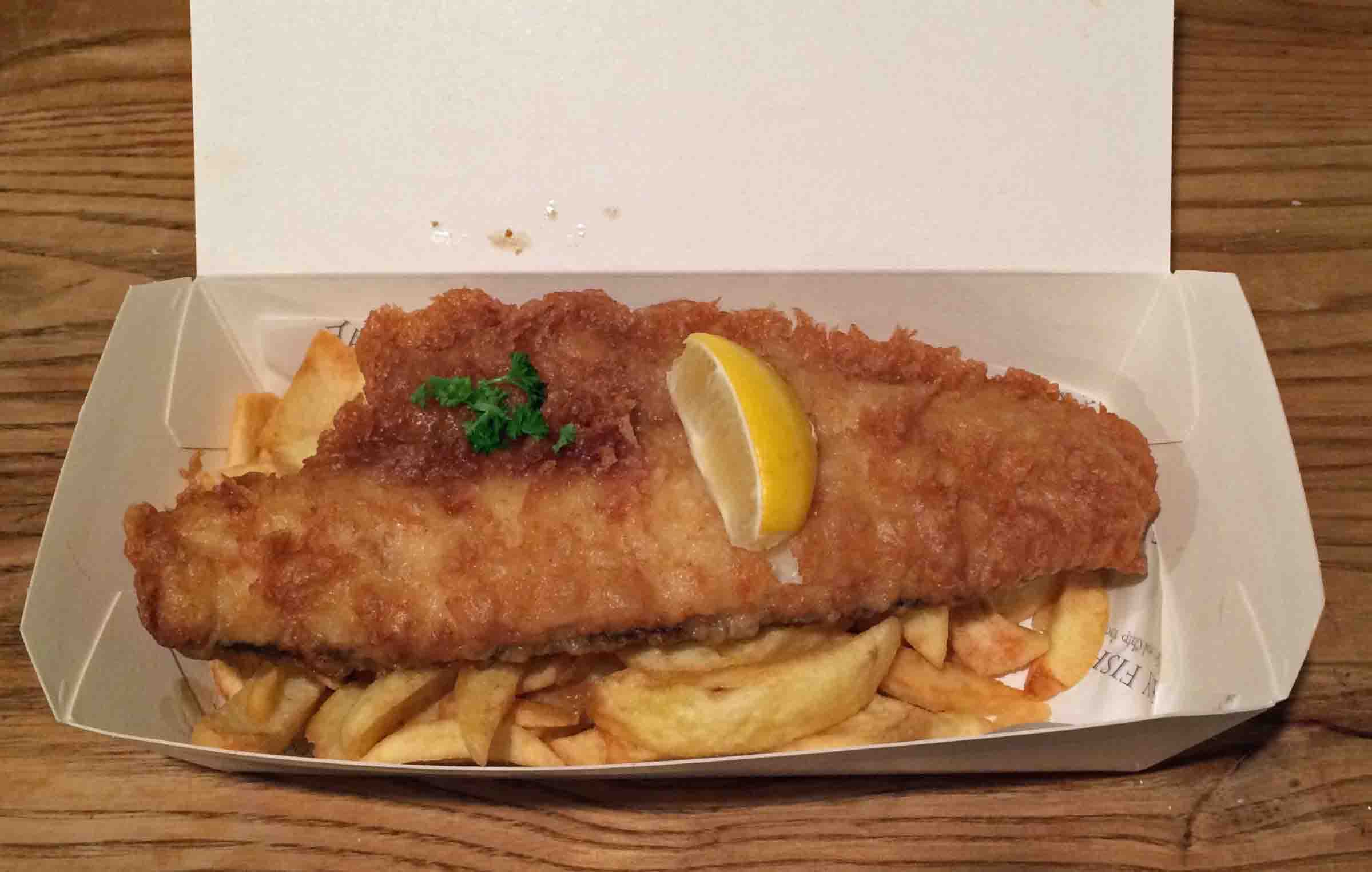
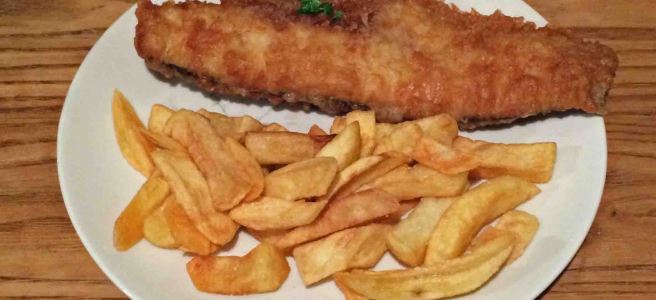
Cooked to order, first appearances are encouraging. The chips actually have colour and the batter looks crisp and dry. The lemon wedge and parsley on top are a nice touch. Served in a box it makes it easy for DonQui to take home without wrapping. Wrapping, of course, will keep it warm longer but has the nasty side-effect of the trapped steam from the hot food turning everything soft and soggy. Therefore, as he does not have far to go, DonQui leaves the lid on the box ajar to let the steam escape, puts it in his wagon and canters off home.
Although he only ordered a small portion of chips, it seems that there is more than enough for two people, let alone one donkey. Usually when he orders fish and chips for two he asks for one portion of chips for two pieces of fish. But as Duchess is away he puts half of the portion on his plate and although he has a few more later on he cannot not finish them all.
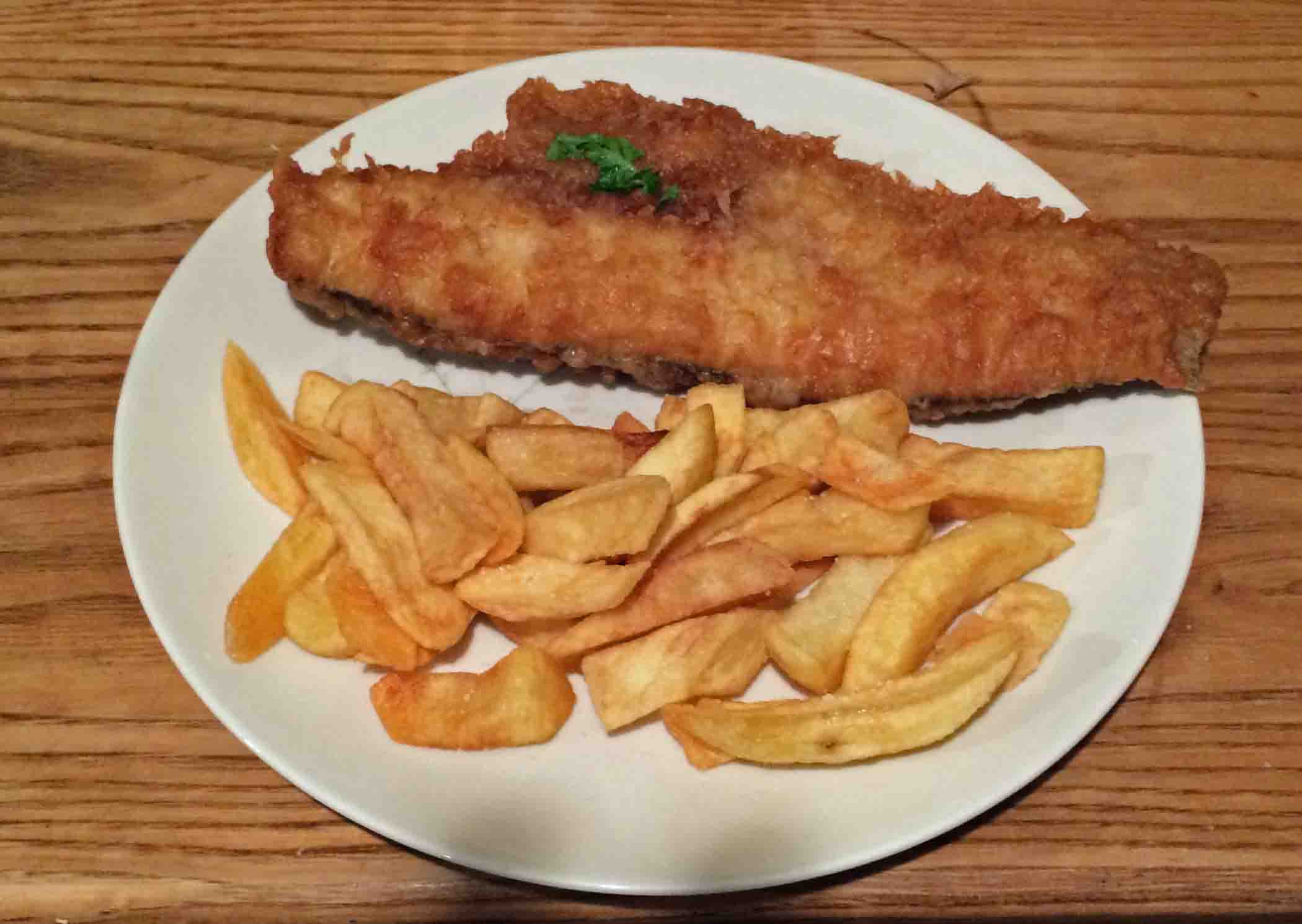
Sprinkling salt on the chips and dousing everything with malt vinegar, DonQui tucks in.
It is good, perhaps very good. Not the best fish and chips he has ever eaten but it definitely fulfils his main criteria. Not greasy at all, the chips are nice and crisp on the outside remaining lovely and soft in the middle. The fish is fresh, delicate and flaky while the batter is light enough for DonQui to happily eat it all rather than pulling it off and leaving it to one side as he often does with sub-standard fish and chips.
Done well, fish and chips, is a truly wonderful British food staple which people in other countries often do not understand. When he lived in Germany, DonQui’s German friends could not get their heads around the combination, thinking that fried fish needed to be served with boiled potatoes not chips. Yet they were perfectly content with chips as an accompaniment to fried, breaded schnitzel. As for putting vinegar on it… the very thought made them cringe in horror. But just as the acidity of lemon enhances a schnitzel, or indeed fish, so does the vinegar — cutting through and balancing the oil in which it has been fried. It has to be proper malt vinegar, mind you, nothing else works.
The sad thing is that it is not that easy to find really good fish and chips, even in Britain.

 donquiblog