Freegan Chicken Stock

One of DonQui’s colts, now off in his own paddock, once toyed with freeganism and he has not entirely discarded some aspects of the anti-consumerist philosophy.

How-to-Be-a-Freegan-in-London.jpeg

For those who don’t know, the name ‘freegan’ comes from a combination of ‘free’ and ‘vegan’. Amongst other things they will eat for free by ‘skip surfing’ to rescue good food thrown away by restaurants and supermarkets.

As DonQui is a committed carnivore, often spotted trotting around expensive gourmet food outlets, readers might be surprised to learn that he has some sympathy with the freegan philosophy. He likes cooking from scratch, and tends to buy locally and from small independent shops rather than from big supermarkets.

Recently he cooked up a nearly free meal.

It all came about when Duchess was not feeling well and DonQui thought chicken soup might be the answer. The problem was he had no chicken stock on hand. When Duchess suggested cooking it all up from scratch DonQui thought it a rather good idea.

3808661232627337.jpg

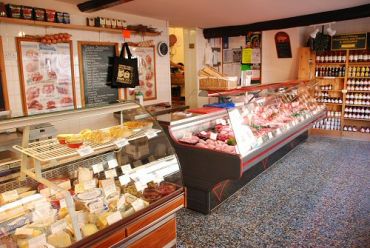
So he headed off to Allen’s Butchers in Halesworth.  He asked if they had any chicken wings or giblets from which he might make a chicken stock. The friendly butcher returned with a bag full of wings and half a chicken carcass.

When DonQui reached for his coin purse to pay, the butcher told him it he could have it for free as it would have been thrown our otherwise.

DonQui was both pleasantly surprised and slightly shocked at this news. If he had thought about it he would have realised that all those nice boneless chicken breasts left behind unsellable carcasses and chicken wings don’t tend to sell as well as other chicken parts. All of this would have been discarded if DonQui had not picked them up and put them in his panniers.

The actual process of making the stock is pretty simple.

The chicken parts, a quartered onion, a chopped up carrot, a chopped up celery stick, a bay leaf, some parsley and a few sprigs of thyme go into a pot with some salt (not too much as it is easier to add than take out). Cover, bring to the boil then simmer on a very low temperature.

chicken-stock-3-method-6.jpg

After a few hours DonQui fishes out he chicken, strips off the good bits of meat and sets it aside to be added in later to a soup. Then he throws the rest back in and lets it all simmer slowly a bit longer to reduce until the flavour seems about right.

After straining the stock can be used right away to make a soup or gravy base, or kept in the fridge to use another day. It also freezes very well.

DonQui is not sure how much it cost him. The chicken was free while the celery, parsley, bay leaf and thyme came from the allotment. All he had to pay for were the salt, pepper, one carrot and one onion (which he did not have on his allotment at the time).

LN_420965_BP_11.jpg

He made about a litre of stock from the free chicken which is pretty good given that 500ml of his favourite Waitrose chicken stock currently costs £2.79.

Chicken, mushroom and white wine pasta

DonQui recently tried out this recipe from  Passion Cook

pasta 1.jpg

And very good it was indeed.

He made a small variation on the original recipe by reducing the wine and stock together for about 15 minutes and only then adding the cream right at the end.

pasta 2.jpgWhenever using cream in a sauce, especially with wine, DonQui always adds it at the end as this prevents it from separating or curdling.

A sprinkling of fresh parsley added a bit of colour.


Pasta Bolognese

Most people know that bolognese sauce comes from Bologna in Italy. Yet in the city of its birth it is never… never… eaten with spaghetti. Tagliatelle is the traditional noodle for the meaty sauce, for the simple reason that it scoops it up so much better.

DonQui does not know why spagbol — or spaghetti bolognese — has become such an international classic. Whenever he eats it he is left with a pile of sauce in the bottom of his bowl as the spaghetti simply does not pick it up the way tagliatelle, penne or other larger noodles do. So when he makes bolognese sauce he does not serve it with spaghetti.

Visitors are on their way up from London so DonQui sets about preparing a big batch of pasta bolognese. It is a great dish to prepare in advance and can fill hungry visitors almost as soon as they have arrived or be held for later.

This is how he does it:

Ingredients (for 4-6 people depending on appetite)
400-500g lean minced beef
500ml tomato passata (puréed tomatoes)
1 onion finely chopped
1 carrot chopped
1 garlic clove crushed
a good bunch of oregano (chopped). DonQui has a plentiful supply growing on his allotment but you can use dried oregano if you cannot find fresh.
a good dash of red wine
a splash of balsamic vinegar
a pinch of hot chilli powder (or more if you like it hot — DonQui uses about 1/4 teaspoon)
salt to taste
olive oil for cooking

Method

Bol carot

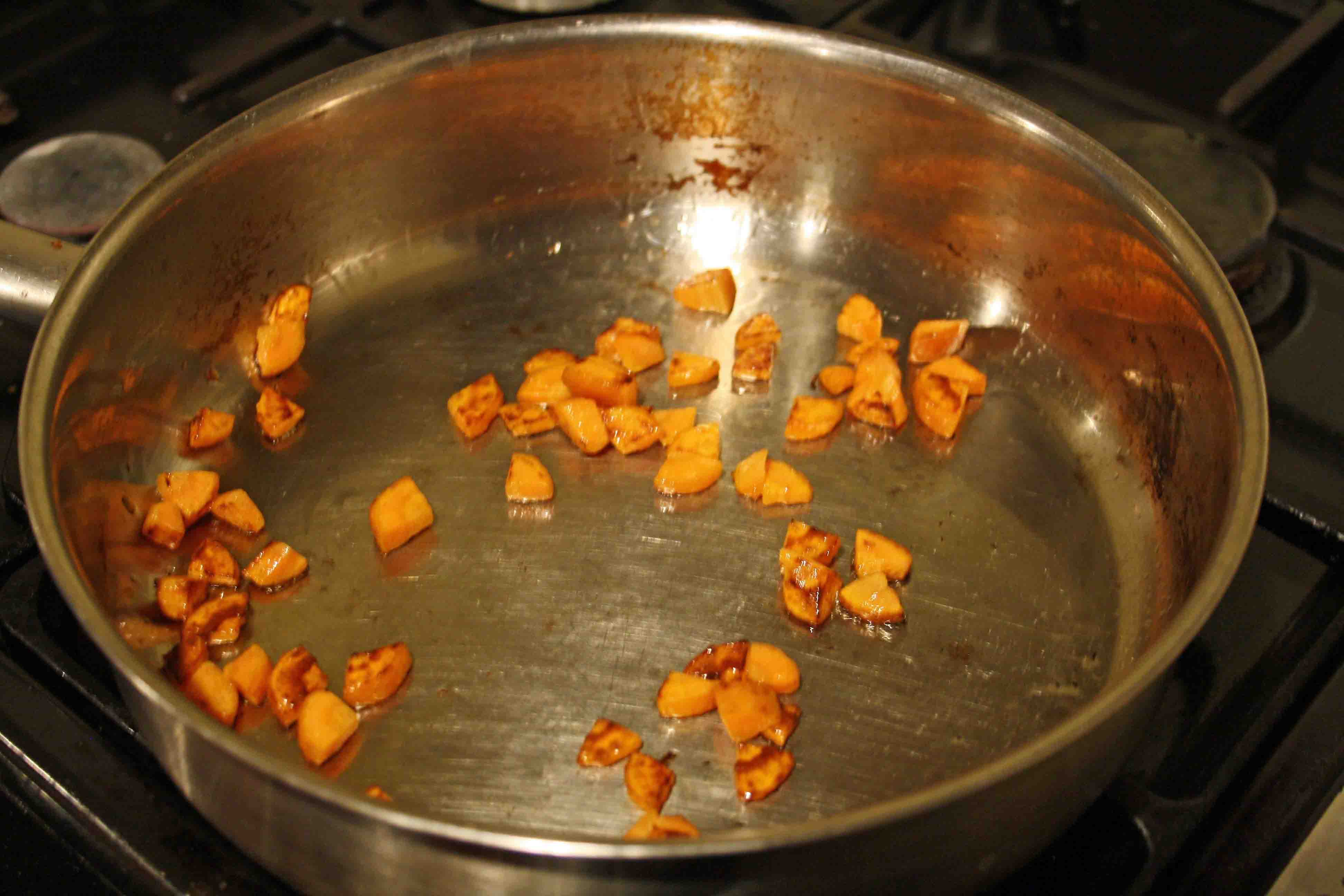
Gently fry the chopped carrot in olive oil until it starts to brown and soften — about 3-5 minutes —then take out of the pan and set aside. This will allow the carrots to retain a nice little crunch when warmed up with the rest of the sauce later on.

Bol onion

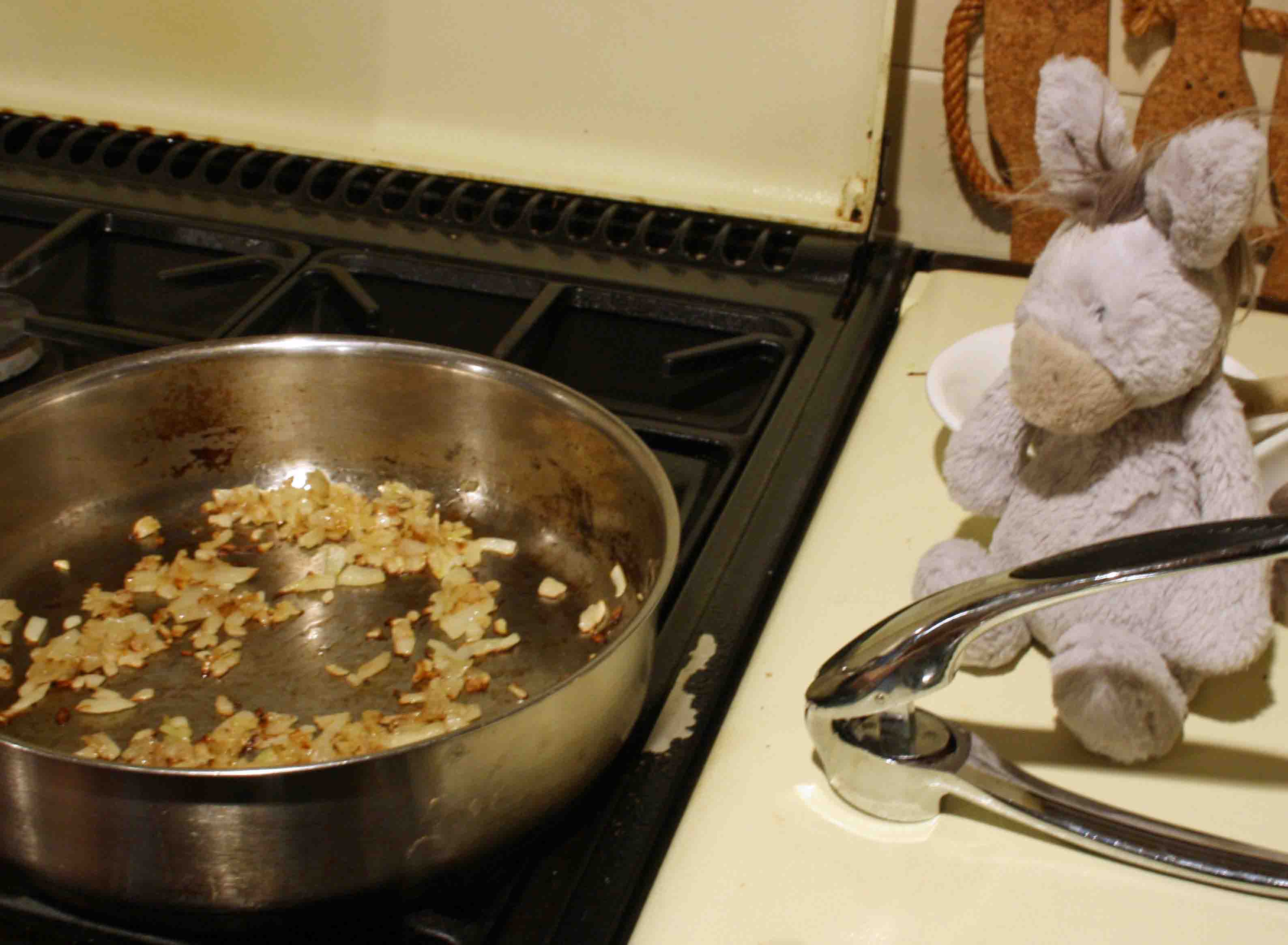
Gently fry the chopped onion and when it begins to colour add the crushed garlic, chilli powder and salt. Stir together for a minute or two then throw in the minced meat.

Bol meat

Cook the meat on a medium heat until it has all browned and any water released from the cooked meat begins to evaporate. Then add the wine, the passata, oregano and balsamic vinegar. Give it all a good stir, bring it to the boil, then put a lid on the pan and let simmer very gently for a good half hour or longer until the flavours have nicely blended and the sauce reduced a bit. Five minutes before serving stir in the carrots.

Bol fin

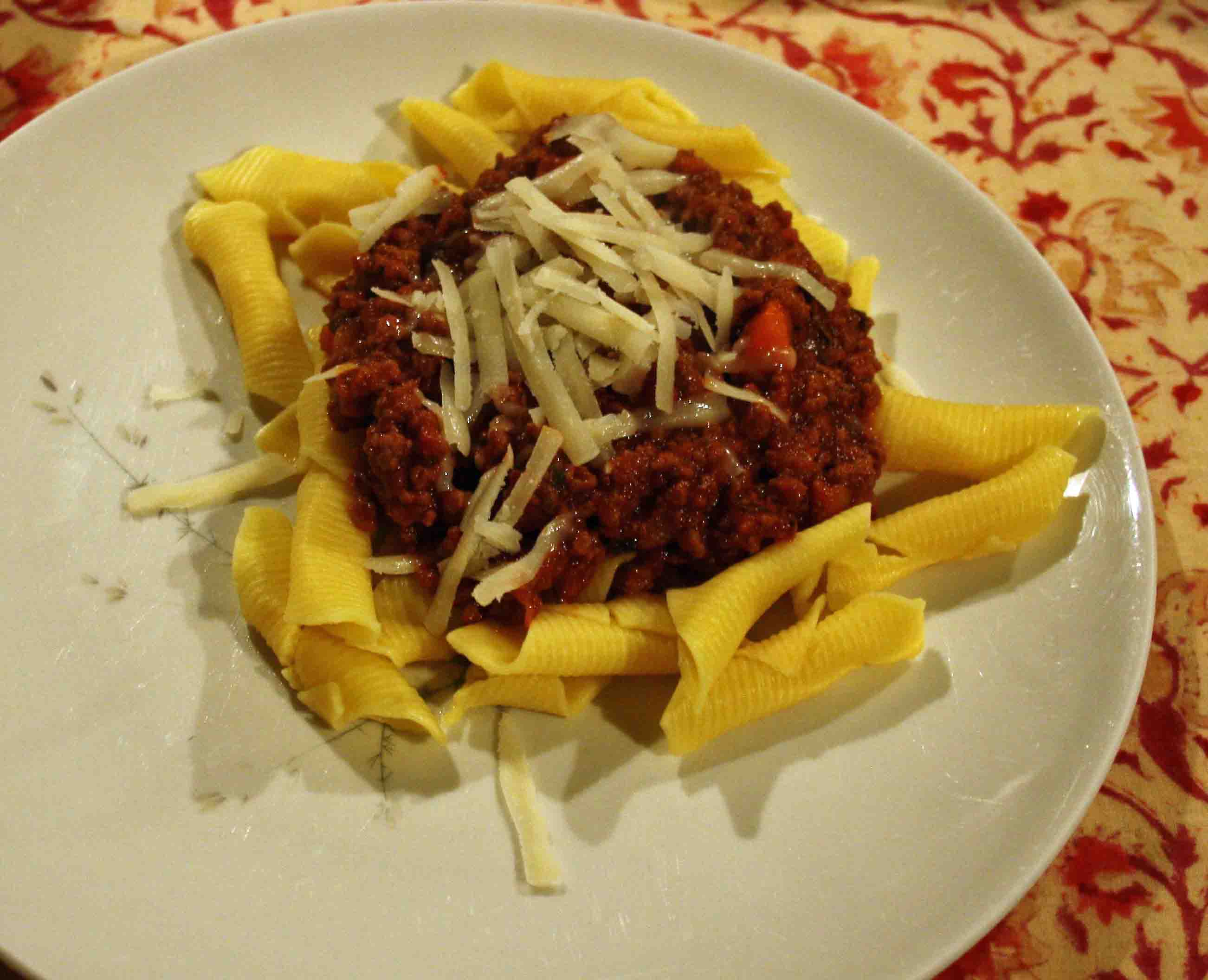
Taste for seasoning, sprinkle on a bit more oregano if you have it and serve over your favourite pasta — but not spaghetti!

Add grated parmigiano-reggiano cheese if you like — DonQui does.

DonQui tried it with garganelli — a rolled egg pasta — which went rather well. The sauce had a deep, tangy taste and DonQui probably ate more than he should have.

Bol man

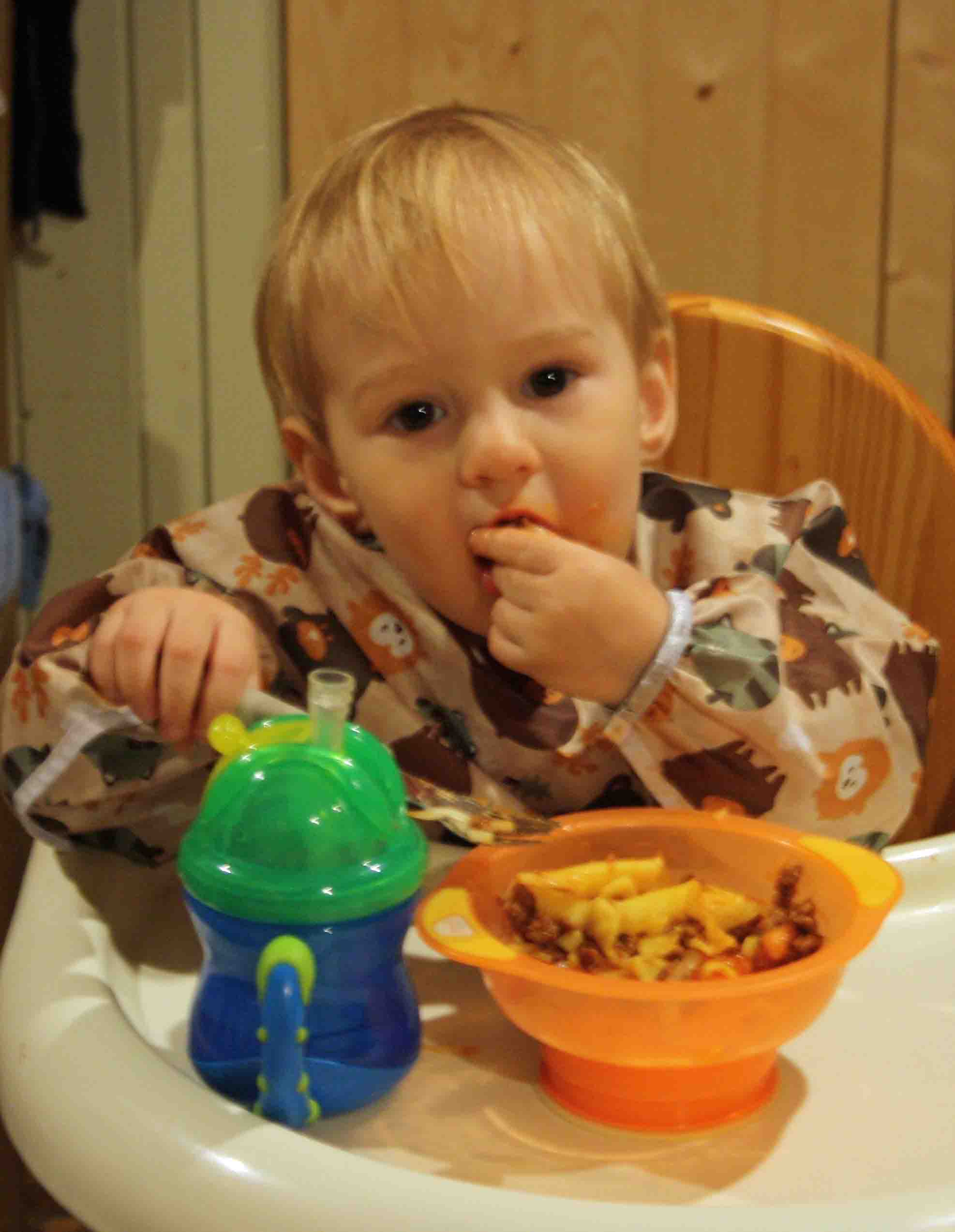
Even the visiting little man liked it.

DonQui’s Goat Curry

Readers will be pleased to learn that DonQui’s frivolous musings on political matters have been put to one side for more important things — food.

Inspired by the gorgeous goat curries he had in Tanzania he has decided to try to recreate something similar. DonQui has cooked goat curry before, using a Jamaican recipe. It was rather good but this time he wants to create something different, based on the flavours he remembers from Africa.

Goat Curry 6a

So here goes — and once again DonQui apologises for his lack of exact measurements. He is not a very exact creature and tends to do things to taste rather than measurement.

Ingredients

3-400g diced goats meat (DonQui gets his from the Wild Meat Company)
coconut oil for cooking (vegetable oil can substitute)
1 onion chopped
1 red chilli seeded and chopped
1 garlic clove chopped
a good sized piece of ginger root chopped
2 tablespoons of mild curry powder
500ml lamb or beef stock (lamb is better if you can find it. DonQui gets his from Waitrose)
1 teaspoon dried thyme (DonQui normally uses fresh but with winter coming his supply has dwindled)
three or four dried curry leaves
a good dollop of tomato purée
chopped coriander leaves
juice of 1 lime
salt to taste

Method

Goat Curry 1

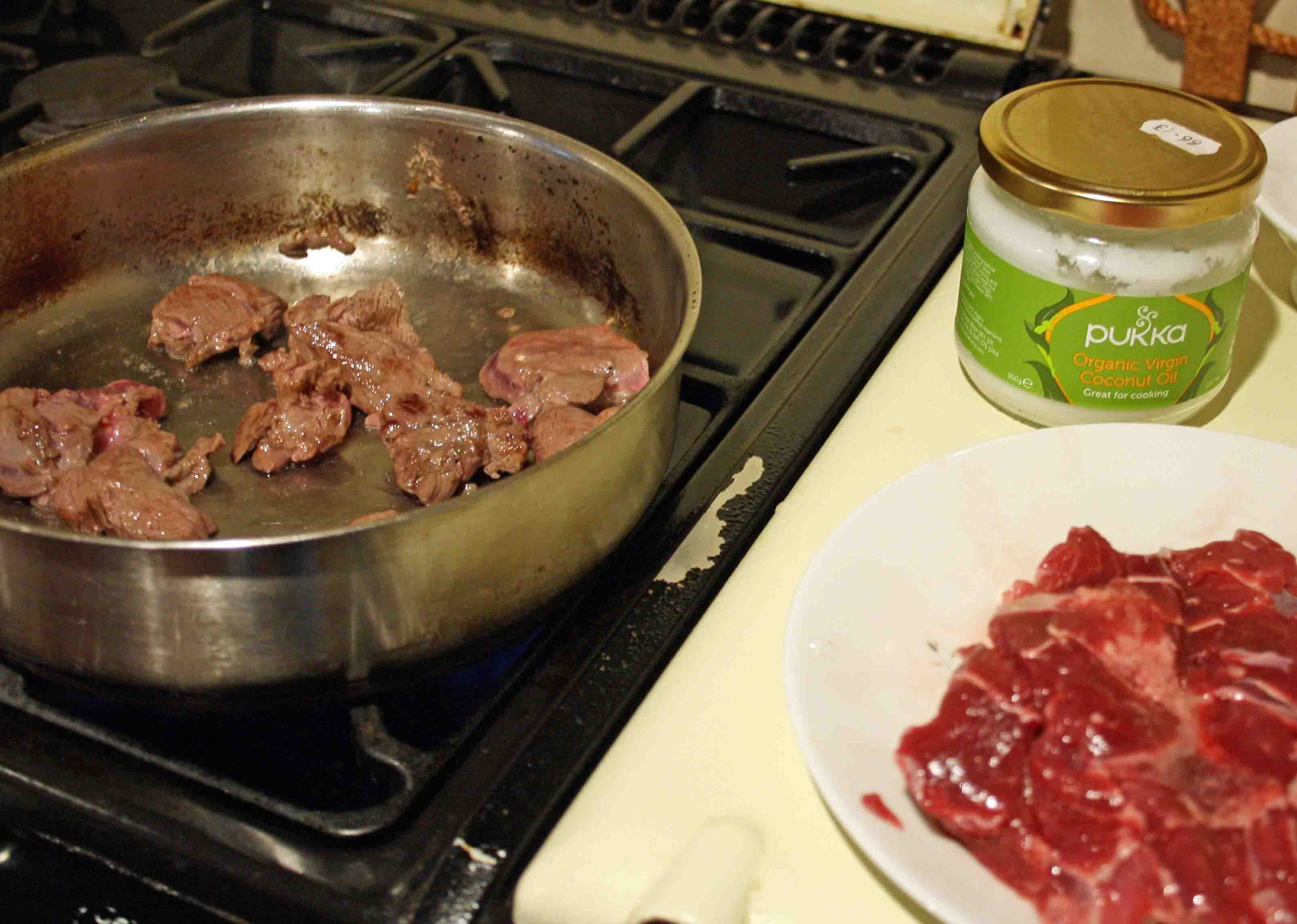
Brown the goat in the coconut oil at high temperature. It is better to do this in small batches so the pan remains hot. Once done set the browned goat to one side.

Goat Curry 2

In the same pan gently fry the onion until it starts to brown. Then add in the garlic, ginger and chilli. Stir around for a minute or two then throw in the curry powder.

Add the lamb stock to the pan, stir it around well to take up all the brown bits, bring to the boil and then let simmer to blend and reduce for a while.

Goat 4

At this point you could put the goat back into the pan, cover and simmer for a few hours.
However, DonQui thinks it a far better idea to bung it all in a slow cooker so he can go off to the pub for a couple of pints without worrying about having to watch the stove. So this is what he does.

The goat and the spiced stock from the pan go into the slow cooker along with the thyme, curry leaves, tomato purée, coconut cream and salt. DonQui puts a lid on it and goes to the pub leaving it to simmer together gently for at least 3 hours or 3 pints, whichever takes longer.

If you do not have (nor want to use) a slow cooker then simply put it all together in the pan, cover and again simmer for 3 hours or more.

Goat Curry 5

After 3 hours slow cooking the goat should be falling apart tender. If you cooked it in the pan you simply need to take the lid off, turn the heat up and let the liquid reduce to a rich deep sauce. If, like DonQui, you used a slow cooker then tip out most of the liquid into the pan and cook it down while the meat remains warm. Then put back together.

Goat Curry 6

Stir in the juice of 1/2 a lime, and serve with the chopped coriander on top, rice on the side and the other half-lime for more juice for those who want it.

Prawn Fried Rice

DonQui really loves rice. In fact if he had his way he would probably serve it with just about everything.

When he cooks rice he often makes more than he needs and saves what is left over to make a fried rice dish the next day. There is a bit of a myth that one should not re-cook rice. However, as long as the rice is kept in the fridge and not left out at room temperature for any length of time, then there is no problem. If concerned you could always cook the rice on the day rather than using left-over rice.

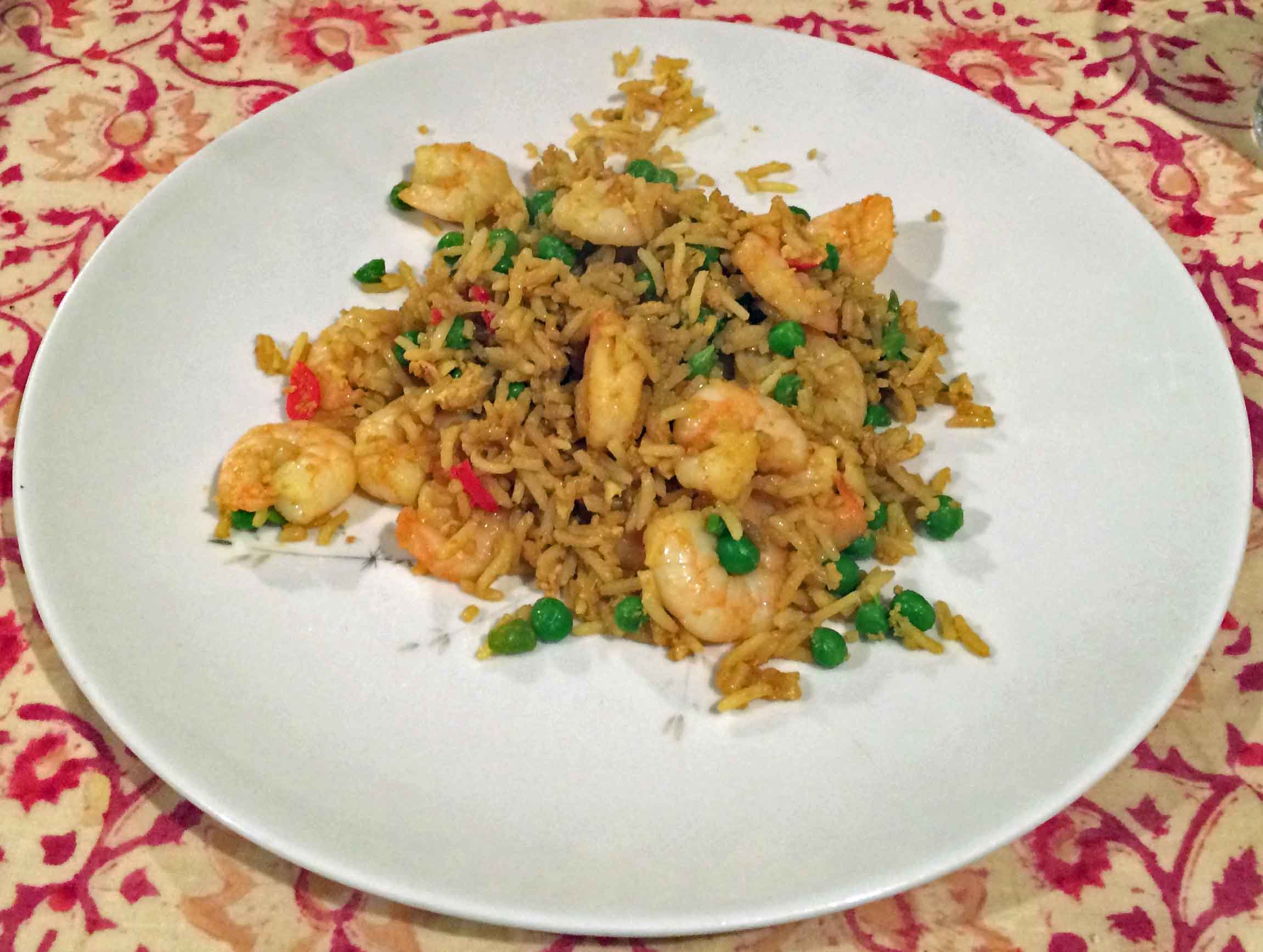
rice serve

He plays around with the ingredients depending on his mood but this is one of his favourites.
Ingredients

cold cooked rice
coconut or vegetable oil for cooking
1 garlic clove, finely chopped
4 spring onions, finely sliced
grated ginger root (about 1 cm or to taste)
1 red chilli, finely sliced
1/4 teaspoon cumin powder
1/2 teaspoon turmeric powder
1 egg, beaten
frozen peas thawed and blanched
cooked prawns
soy sauce to taste

Method

rice 1

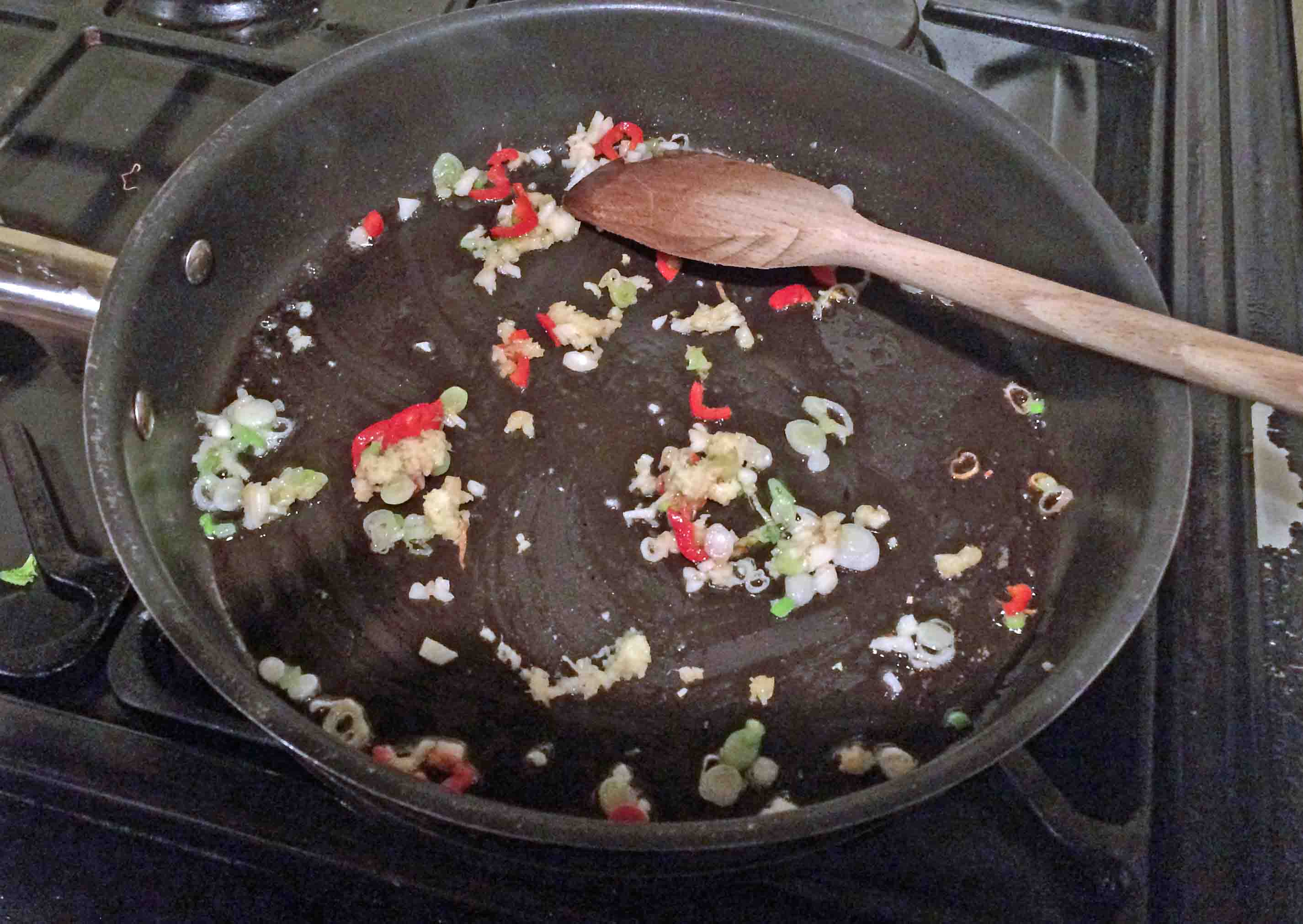
Heat the oil in wok or large frying pan. Add the spring onions, garlic, ginger and chilli, then cook for a couple of minutes

rice

Add the turmeric and cumin and stir together for a couple of seconds.

rice add rice

Throw in the cooked rice, and mix it all up for a minute or two until the rice is evenly coloured.

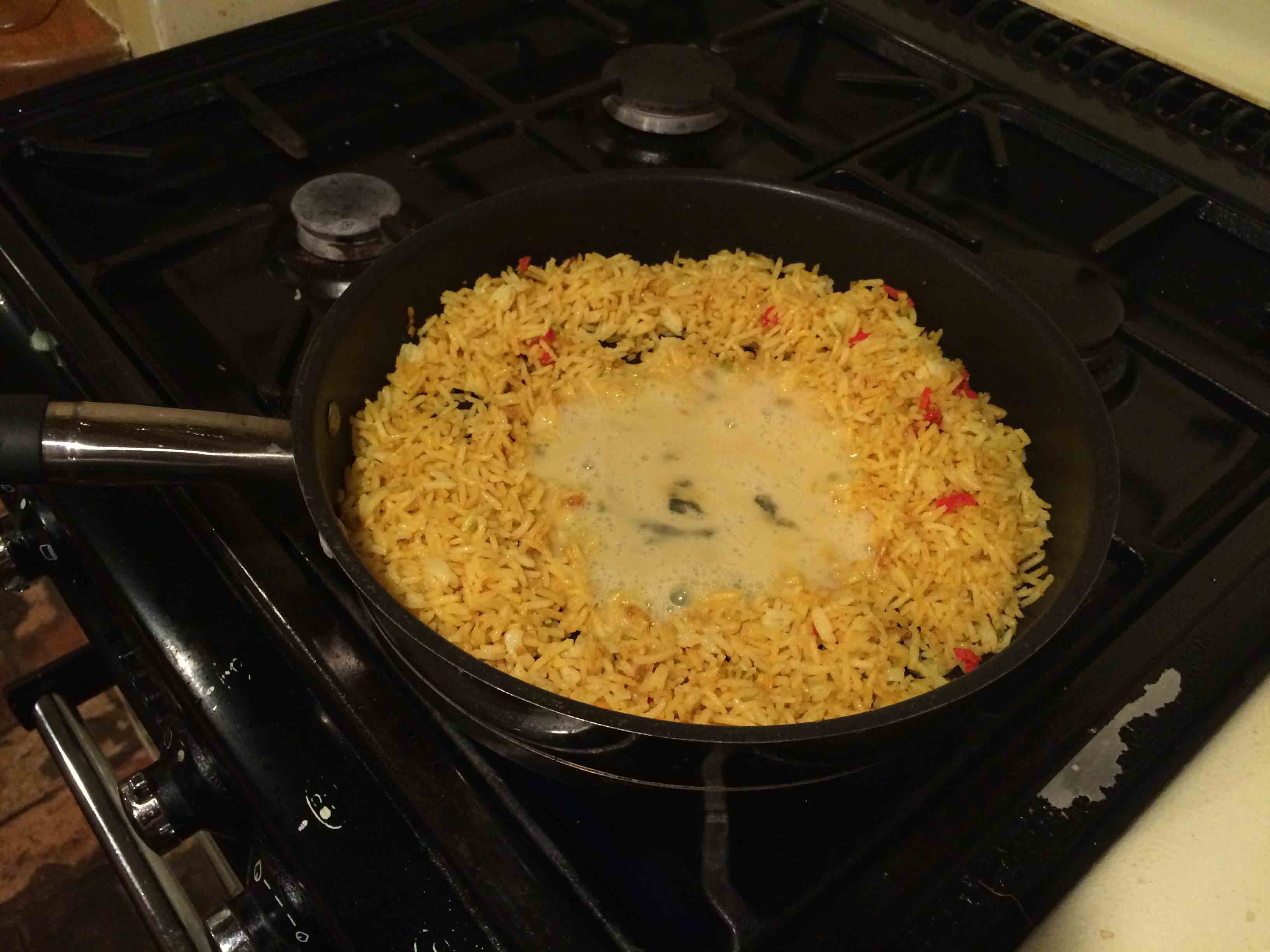
rice eggCreate a well in the middle of the rice, pour in the beaten egg and scramble it together with the rice for a couple of minutes.

rice prawns

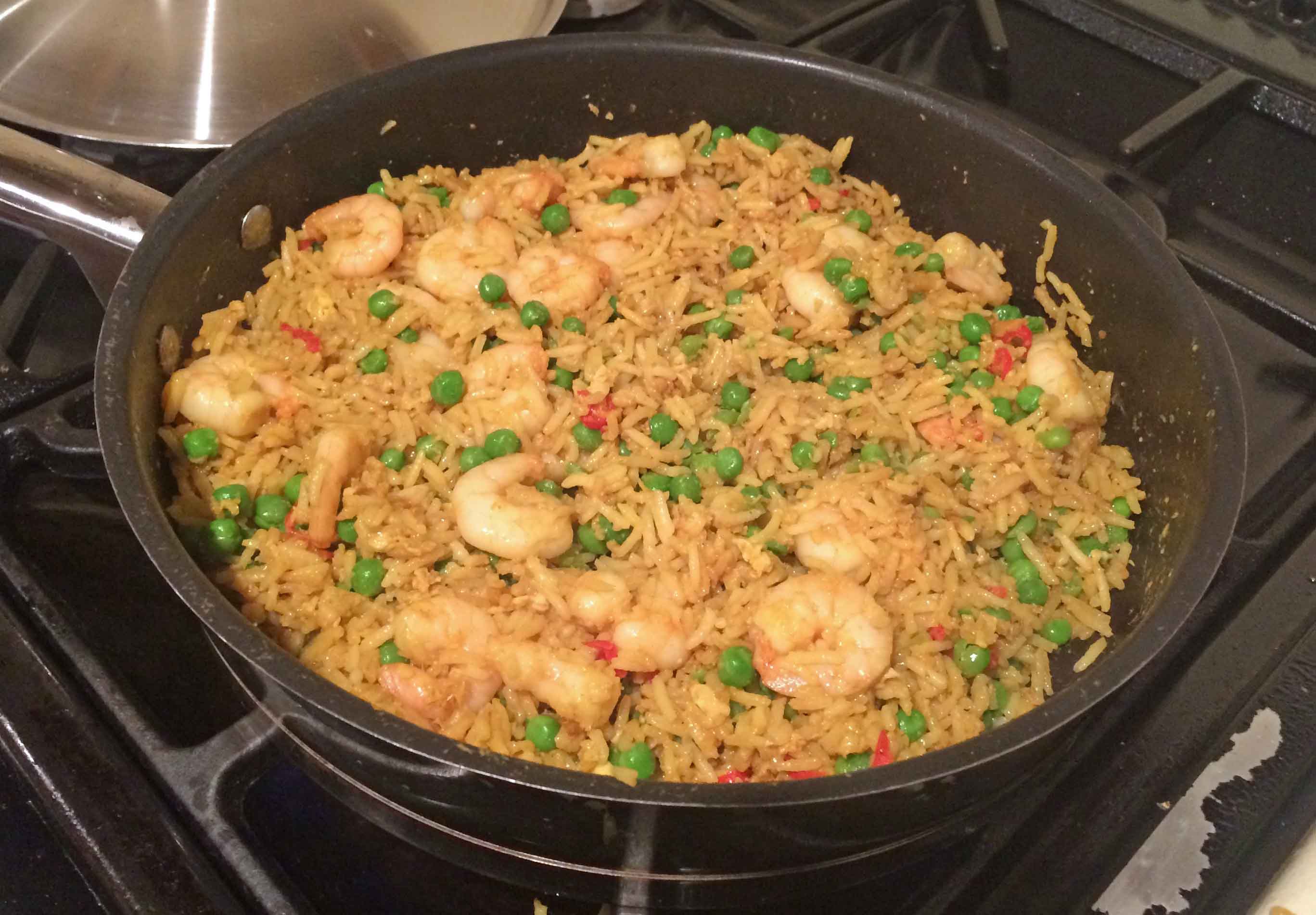
Then add the peas and prawns, stirring together with a good splash of soy sauce until everything is nicely blended and warmed up. DonQui often puts a lid on the pan for the minute to help it heat up.

rice lastServe with extra soy sauce and sliced spring onions on the side.

A Medieval Chicken

Back home now after his various wanderings, it is time for DonQui to get cooking again.

limona book

Now DonQui’s interest in history is as strong as his love of good food. When he was in France earlier in the year, he came across a beautiful little book — La Cuisine du Moyen Âge, by Brigitte Racine.

limona illustration

DonQui decides to try out the Limonia — a recipe for lemon chicken adapted from the Liber de Coquina which is believed to have been written by a Neapolitan chef in the 14th century.

The original recipe, which uses egg yolks to thicken the sauce, has been adapted by Brigitte Racine in her book and DonQui in turn also makes a few adaptions of his own.

Ingredients (for 2 people)
3 or 4 Chicken thighs
1 onion finely chopped
a handful of lardons (or thick smoked bacon pieces)
500ml/1 pint of unsalted chicken stock
oil and butter
juice of 1/2 lemon
lemon zest
a handful of blanched almonds
1 teaspoon ginger powder
salt and pepper.

Note: it is best to use unsalted liquid stock and not bouillon or stock cubes. The reason is that stock cubes are mostly salt and with the smoked lardons the dish will be too salty. In the UK DonQui gets his stock from Waitrose which he tends to stock up on (pardon the lame pun) and freeze until needed.

Method

limona lardons

Fry the onions and lardons in a little oil until the onions begin to brown. Take out and reserve.

limona brown chicken

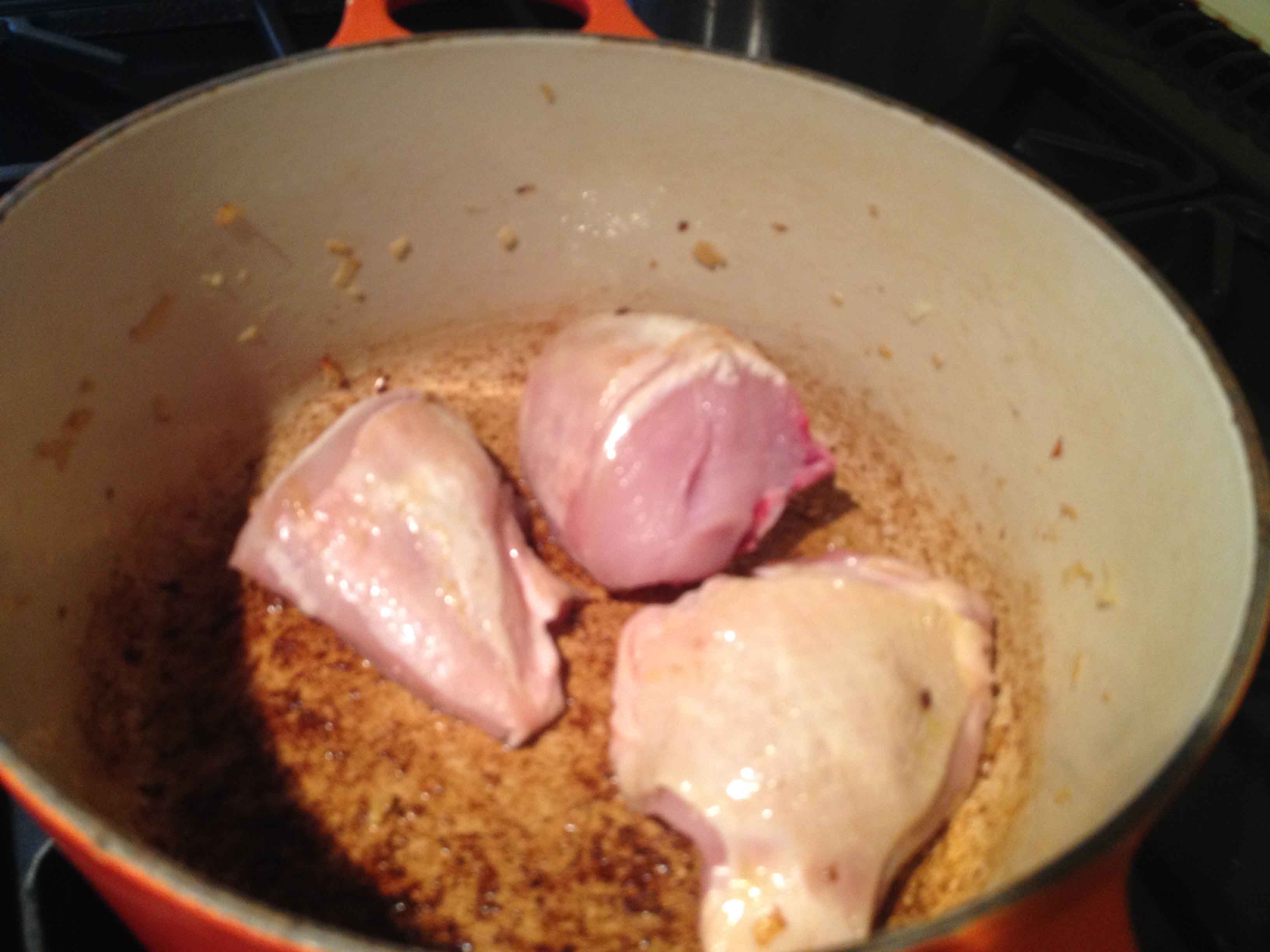
In the same pot, brown the chicken thighs in a mixture of butter and oil

limona simmer

Add the ginger and pepper and put the onion/lardon mixture back int the pot. Stir together for a minute or so then add the chicken stock, bring to the boil, cover and simmer gently for approximately 30 minutes.

limona almonds

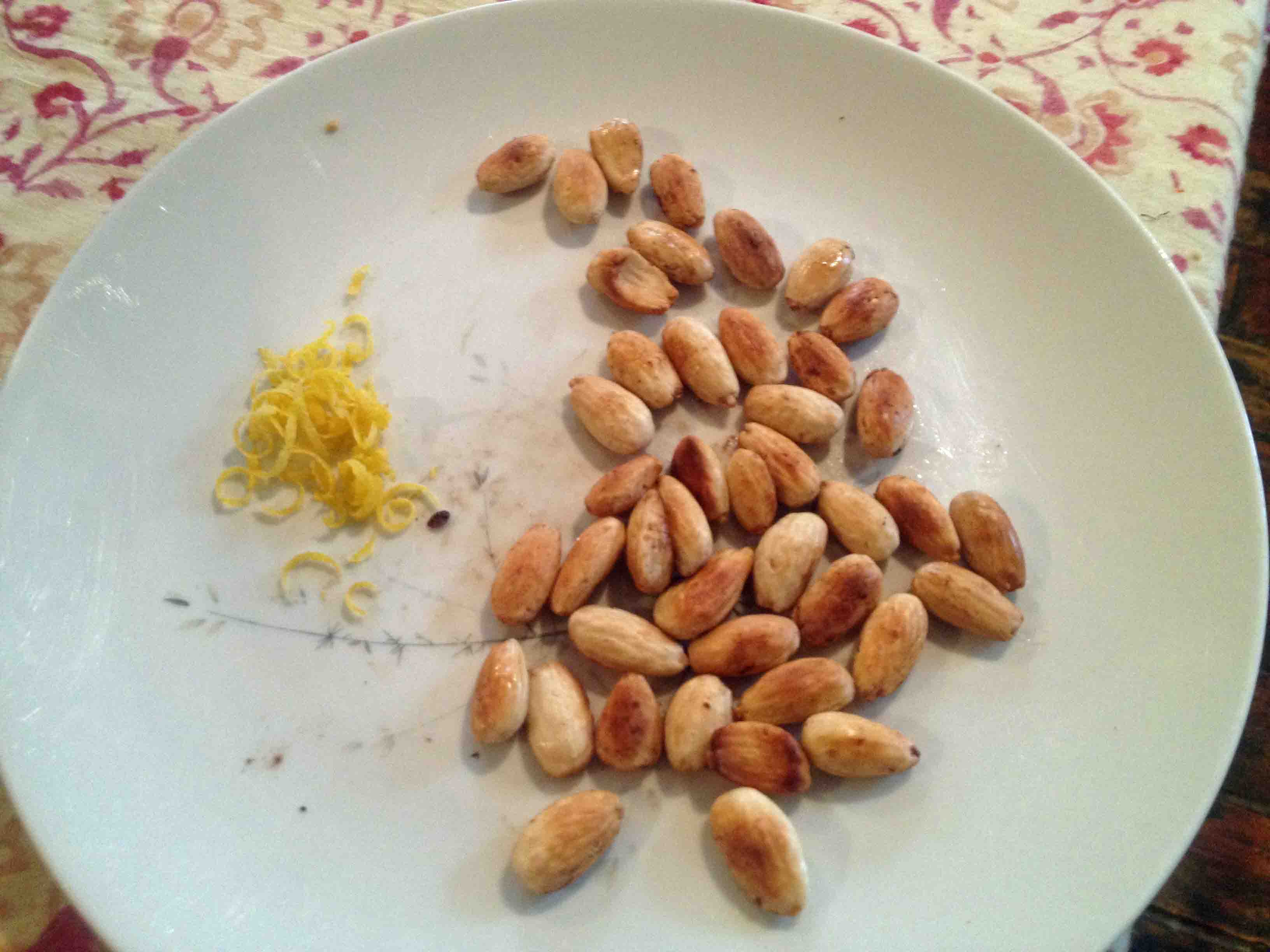
Meanwhile toast the almonds under the grill or stir fry in a little butter until they begin to brown. DonQui prefers the latter method as it adds a bit more taste.

limona lemon

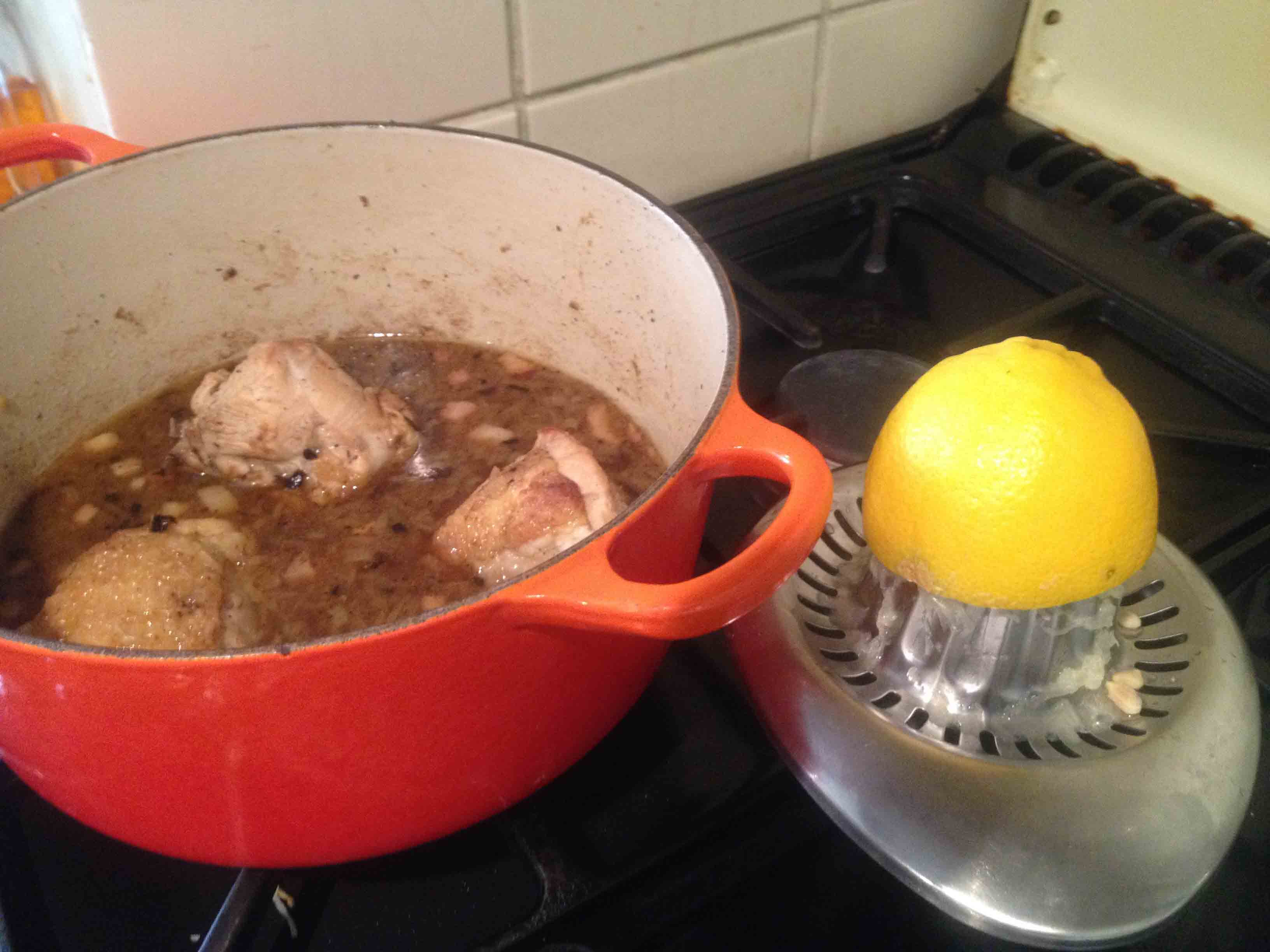
After 20 minutes take the lid off the pot, add the lemon zest and let the sauce reduce for the last 10 minutes of cooking. If you want a thinker sauce then take the chicken out to keep warm while you reduce the sauce further. Add the lemon juice just before serving.

When using lemon juice DonQui always adds it at the end as the vitamin C is destroyed by long cooking.

limona serve

Season to taste and serve covered with the sauce and almonds.

limona final

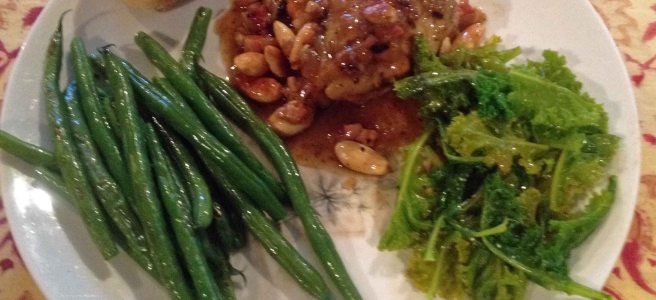
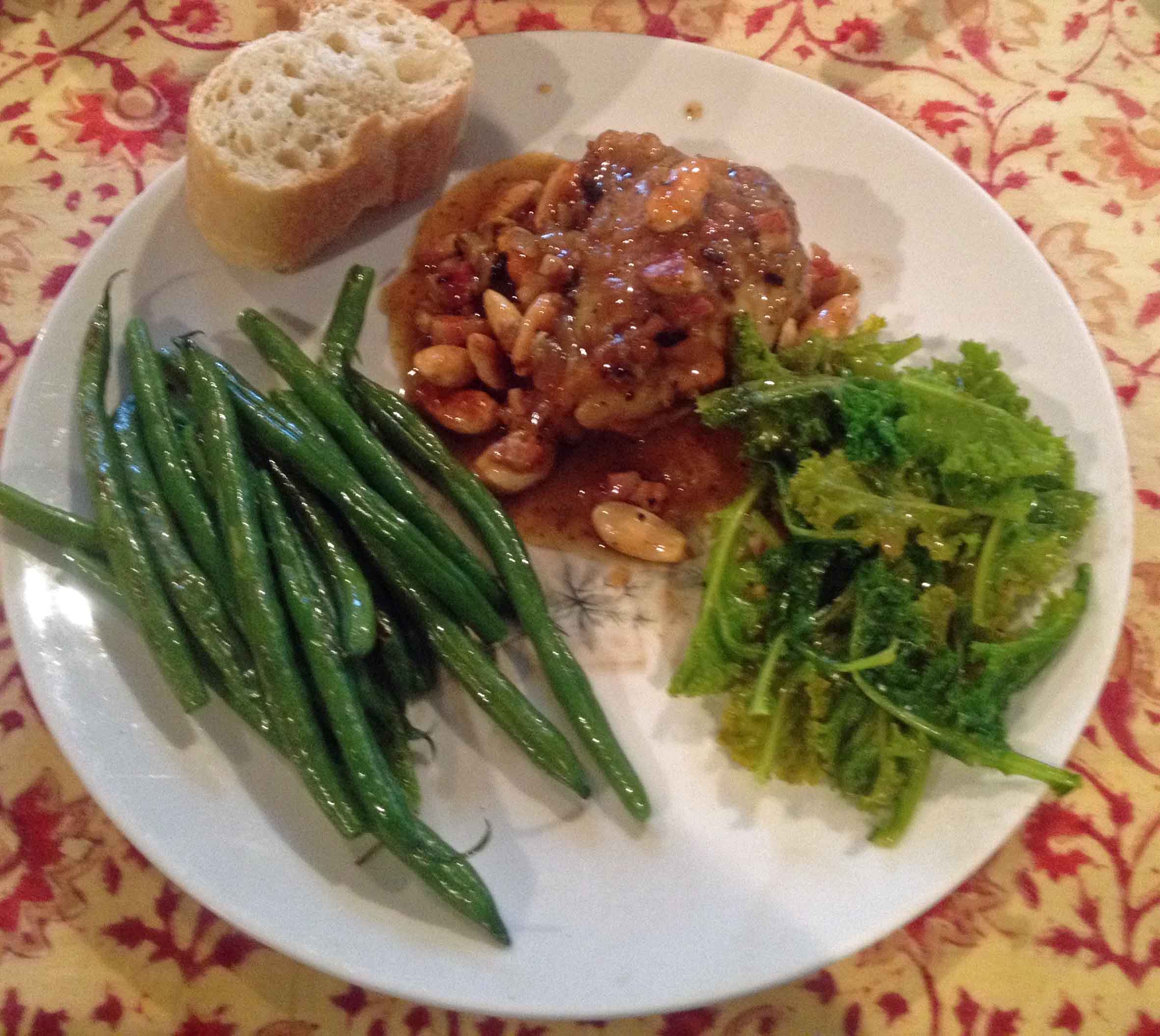
To be true to the medieval origin of the recipe DonQui served the chicken with beans, kale and bread. The latter would have been the most usual carbohydrate accompaniment to a 14th century meal. The potato was unheard of and rice was an expensive import, not cultivated in Europe until the 15th century. Pasta would have been a historically correct possibility as variations on it had been around in Italy since Roman times. Contrary to popular myth, pasta was not brought to Italy from China by Marco Polo.

Very simple to cook, DonQui thought the taste was utterly delicious. With its lemony/ginger/almond sauce it had a depth of flavour that reminded him of modern Moroccan cuisine. DonQui has since seen that the original recipe was thickened with ground almonds, much like some Indian dishes. He will try doing that next time.

For Latin readers the original recipe from the Liber de Coquina is as follows:

De limonia: ad limoniam faciendam, suffrigantur pulli cum lardo et cepis. Et amigdale mundate terantur, distemperentur cum brodio carnis et colentur. Que coquantur cum dictis pullis et speciebus.
Et si non habentur amigdale, spissetur brodium cum uitellis ouorum.
Et si fuerit prope horam scutellandi, pone ibi succum limonum uel limiarum uel citrangulorum.

A Roast Chicken Dinner

DonQui has guests coming over. Immediately his thoughts turn to supper.
Should he cook something?
Yes, please.
Chicken?
That would be great
Roast Chicken?
Yum!
So while Duchess goes to Southwold to select a bird from his friends at Mills and Sons Butchers,  DonQui goes up to the allotment to pick some curly kale, pull up some carrots and go to the farm shop for some potatoes (as he did not grow any this year).

allotment

Now DonQui believes that the trick to a good roast dinner is getting everything ready well in advance. Potatoes and vegetables parboiled, gravy base prepared and then everything can be finished off at the end with no stress.
When it comes to gravy he is a bit of a stickler. He likes to make it all from scratch without any packaged stuff — most of which tends to be salt and various additives.

So with the guests arriving in a couple of hours, DonQui gets to work.

His basic plan goes something like this:

1. Parboil the potatoes and set aside.
2. Prepare the gravy base.
3. Put the chicken in the oven to roast
4. Prepare and parboil the carrots and kale
5. Put the potatoes in the oven to roast when there are 45 minutes remaining for the chicken
6. Take the chicken out and set aside to rest
7. Finish off the gravy and vegetables

chick10

And here are his recipes:

For the Roast Chicken
1 good quality chicken (approx 1.5 kg)
1 onion
2 carrots
2 sticks celery
1 lemon
olive oil
salt
freshly ground black pepper
a mix of fresh herbs such as thyme, rosemary, oregano, sage.

Method
Take the chicken out of the fridge at least 30 minutes before cooking so it comes up to room temperature.
Preheat the oven to 240°C.
Roughly chop carrots and celery, quarter the onion, then place vegetables onto a roasting tray and drizzle with olive oil.
chick1

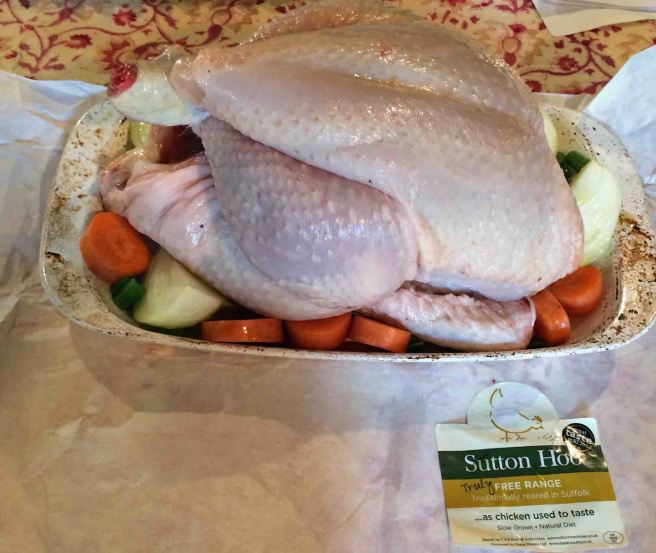
Place chicken in the middle of the roasting tray on top of the vegetables. Drizzle with olive oil and rub salt and pepper all over it.
Cut the lemon in half and put in the cavity along with the herbs.
Put the chicken into the preheated oven and turn down to 180°C.
Cook for 1 hour and 15 minutes.
Baste the chicken halfway through cooking and if the veg look dry, add a splash of water to stop them burning.

chicken resting

Take the chicken out of the oven and put it on a carving board to rest for 15-20 minutes. Some people like to cover it with tin foil while resting but DonQui does not like doing that as it makes the nice crispy skin go soft.

While the chicken is resting finish off the gravy and vegetables.

Ingredients for the Chicken Gravy
2 table spoons butter
2 table spoons flour
500 ml chicken stock (preferably unsalted)
salt and pepper to taste
a bunch of frush herbs (such as thyme, rosemary oregano, sage).
a chopped mushroom (optional)
a couple of chopped tomatoes (optional)
vegetables from the roast chicken
a good splash of white wine

Method
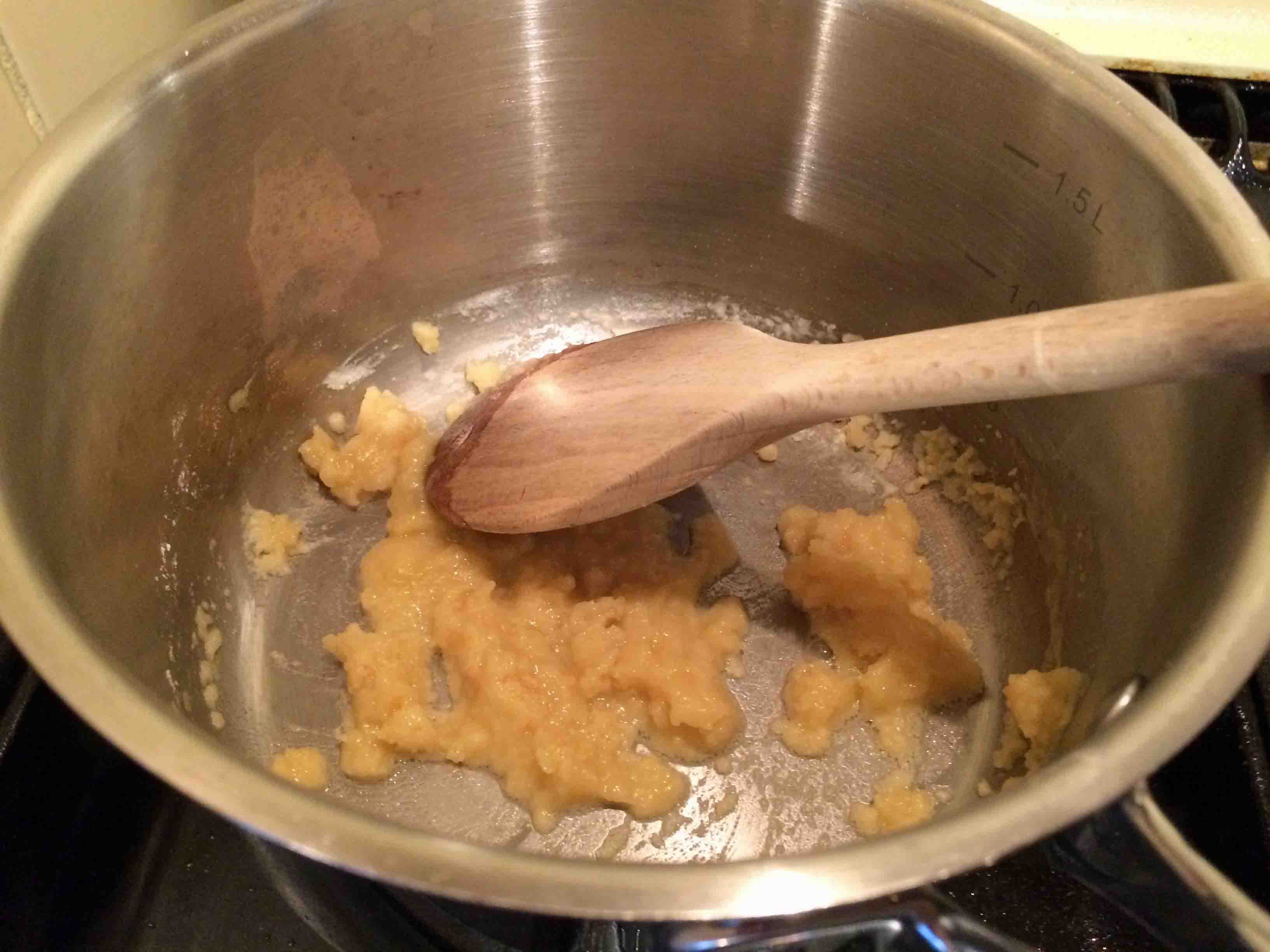
Make a roux by combining the flour and butter in a heavy bottomed saucepan.
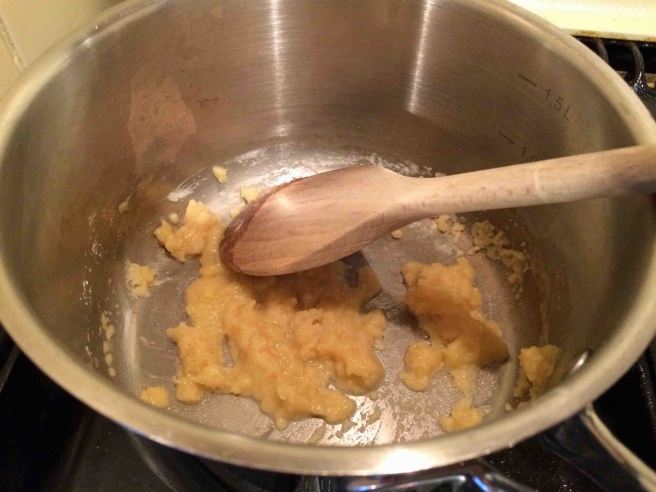
chick2Cook over a low heat, stirring frequently with a wooden spoon until the roux begins to darken slightly.
chick3

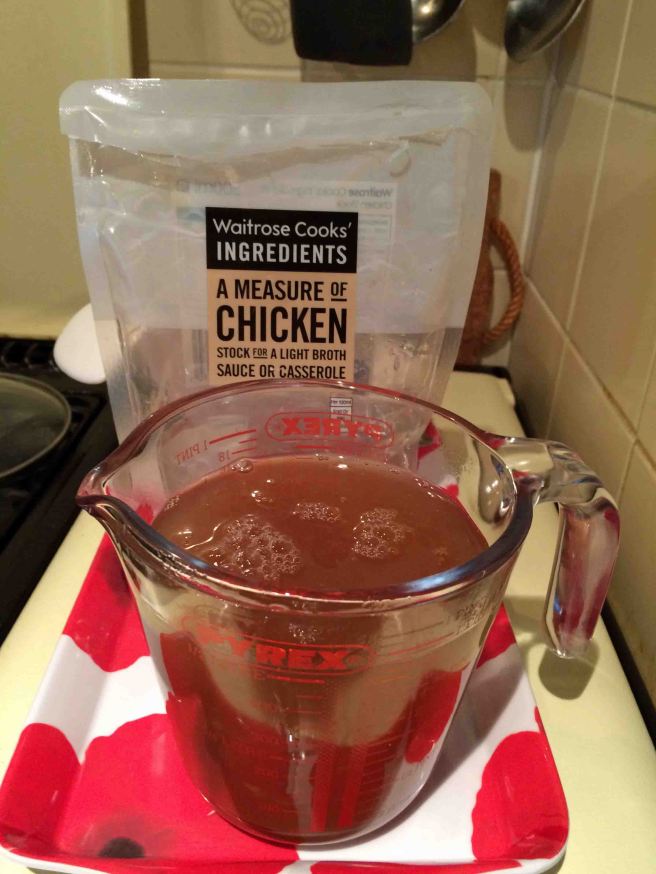
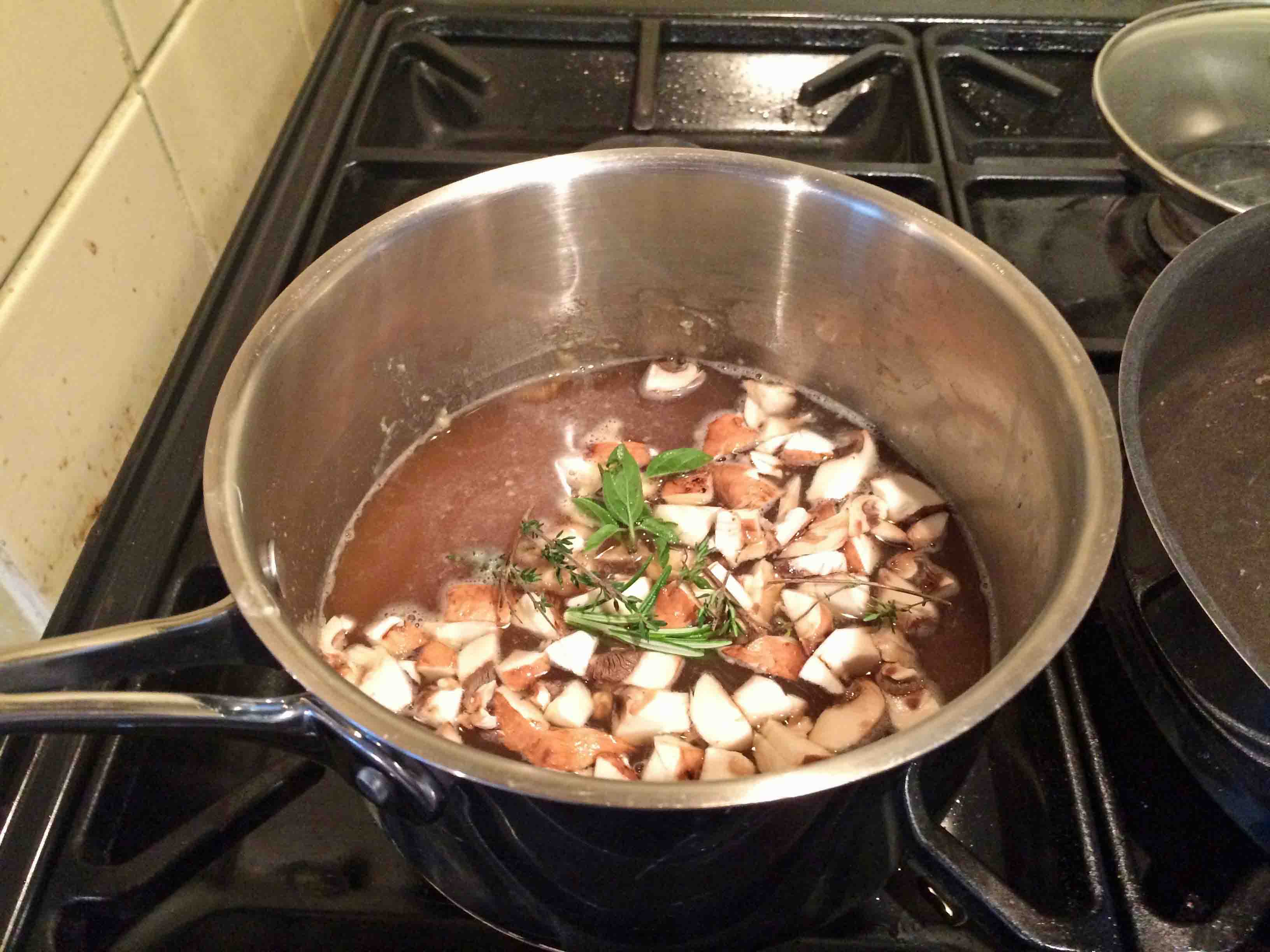
Remove from the heat and let cool for about a minute then whisk in the stock. Add vegetables, herbs, salt and pepper. Be careful with the salt. Some chicken stock is often already heavily salted so it is better to taste it and gradually add the salt. It is easy to add more, impossible to take any out.

chick4

Cook on a very low heat for 20-30 minutes then strain.
Put the strained gravy base back into the pot and wait until the chicken is cooked.
Once the chicken is resting, place the roasting pan with the vegetables on the stove top on low-medium heat.

chick5
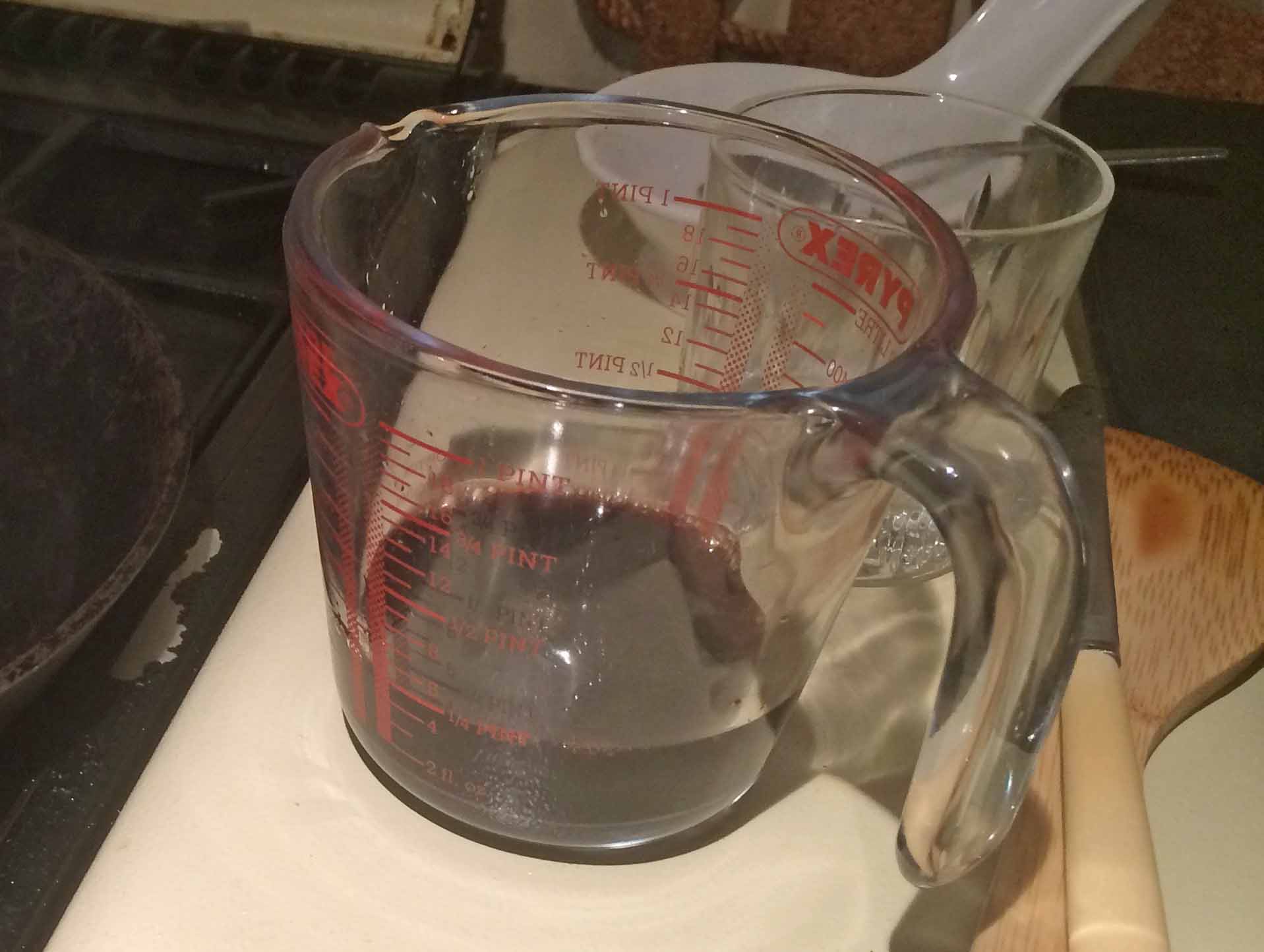
Deglaze the pan with the white wine making sure to scrape up and disolve all the brown bits.
Strain into the pot, pressing any residual juices from vegetables through the sieve. Whisk together with the rest of the gravy base and then simmer very gently until everything else is ready.

Roast potatoes
Wash and quarter a couple of medium potatoes per person. You can peel them if you like but DonQui often likes to leave the skins on as he does on this occasion.
Parboil in salted water for 10 minutes, drain and set aside until you are ready to begin roasting. All of this can be done well in advance.
Place the potatoes on a roasting pan, drizzle with a goodly amount of oil — DonQui likes using a mix of oils, and goose or duck fat if he has some. Put them in the oven with the chicken when there is about 45 minutes of cooking time left for the chicken. The potatoes should take about an hour to get nice and crispy brown. Turn every 15-20 minutes and sprinkle with salt in the just before serving.

Curly Kale

chick6

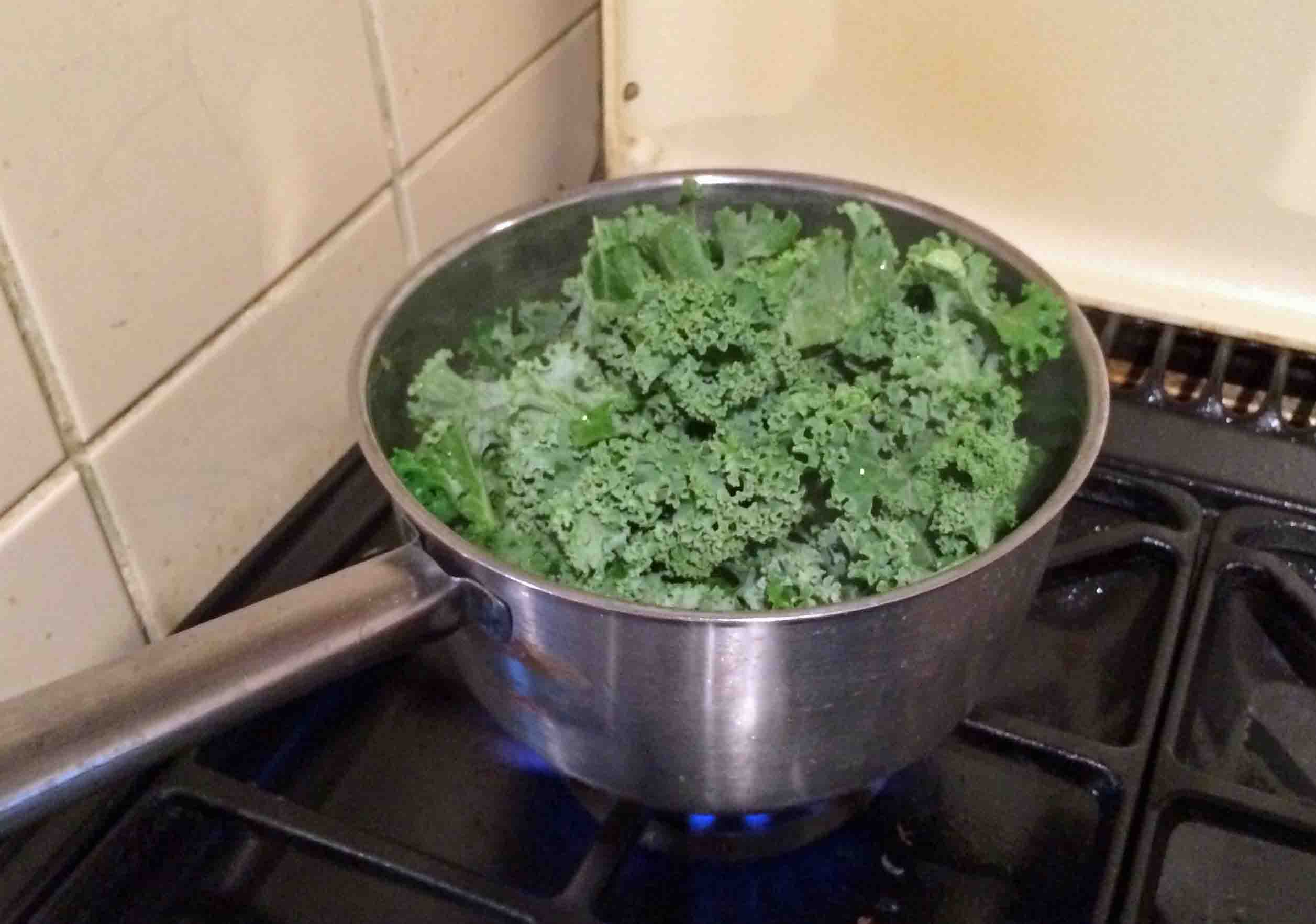
Wash the kale, strip the leaves from the stalks and roughly break apart into small pieces.
Bring a small amount of water to the boil in a pot, add the kale, put on a lid and simmer for 5 minutes.

chick7

Don’t worry if it seems like a lot of kale at first. It will reduce down.
Drain and set aside until the chicken is out of the oven and resting

Carrots
Wash and scrape the carrots. Cut into relatively even pieces. DonQui prefers carrots cut lenghwise rather than across but it is a matter of personal taste. Boil the carrots in salted water for 7 minutes. DonQui also likes to add a bit of sugar to the carrot water.
Drain and set aside until the chicken is out of the oven and resting.

The Finishing Touches.
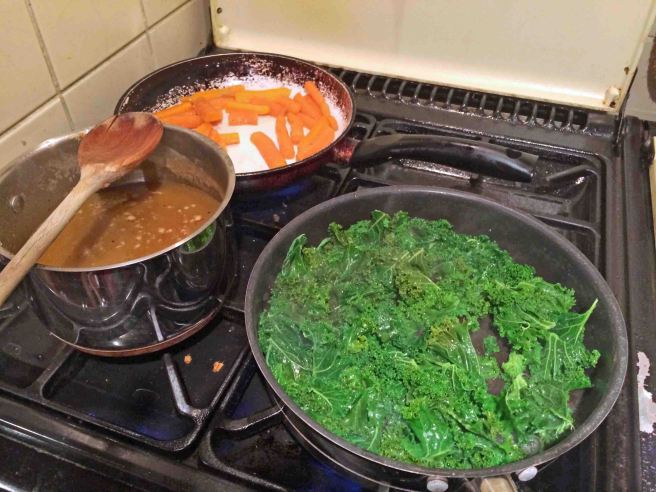
With the chicken resting, the potatoes done and the gravy simmering it is time to finish off the kale and carrots. In both cases the method is the same.
chick9

Simply melt a bit of butter in a pan, add the partially cooked vegetables and stir around in the butter until heated through. This will take around 3-5 minutes.

chick11

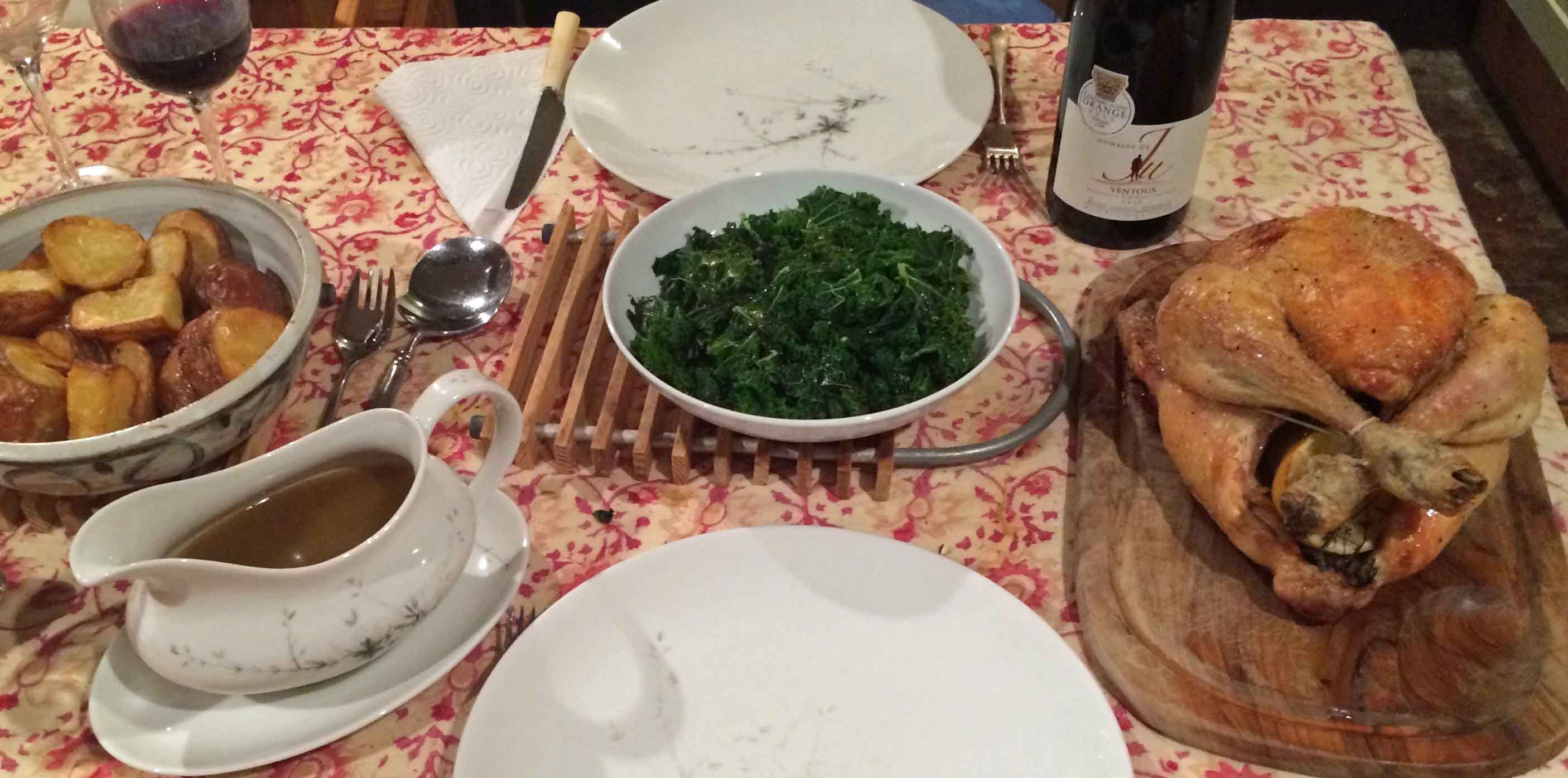
DonQui thought is all went rather well and his guests seemed to quite enjoy the meal…
chick12

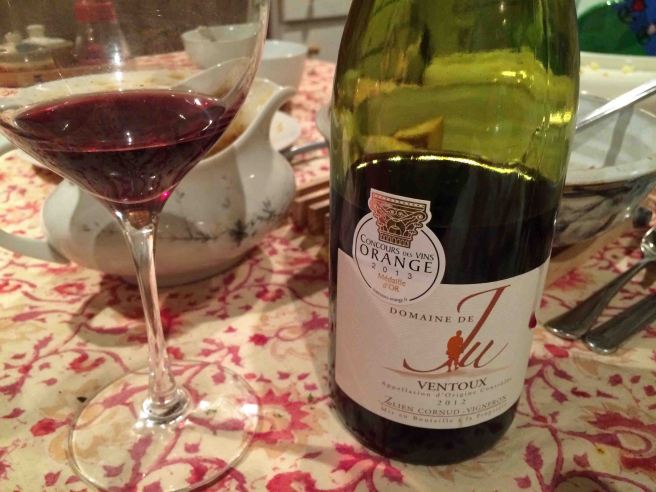
…which was rather nicely washed down with a fine bottle of Côtes du Ventoux which DonQui had picked up in the South of France a few months ago.

And to finish off…

strawberries and cream

…strawberries from DonQui’s autumn crop along with a few grapes from the garden and clotted cream.

Trout with Sea Vegetables

On his way back home from London to the Shires, DonQui decides to pick up something simple but tasty for supper.

As it so happens he has to pass by the nice Mr Waitrose’s shop on the way, so he drops in to see what is on offer. As is always the case when he stops off at Waitrose, DonQui ends up buying far more than he had intended. His shopping basket is filled with buttermilk (for pancakes) and Canadian maple syrup (amber mind you not just the ordinary medium) to go with it. Some coconut cream for stir fries; liquid unsalted stock for sauces; and thin streaky bacon (difficult to find in the UK) for breakfast. As it happens there is also a Rioja, a Chablis and a Calvados on offer at reduced prices and so these too manage to find their way into DonQui’s shopping basket.

At the fish counter there is one remaining large trout filet. This will do for supper, DonQui thinks, adding a medley of ‘sea vegetables’ (samphire, sea aster and okahijiki – or Japanese land seaweed) to his purchase.

trout

DonQui cooks the trout ‘en papillote’ baked in the oven for 15 minutes with herb butter, lemon and parsley. Waitrose seals the fish in a parchment parcel for him in store. Previously DonQui has cooked fish like this by simply placing it in an ovenproof dish and covering with tin foil. He serves the trout filet with boiled charlotte potatoes tossed in parsley and butter alongside the sea vegetables. The latter are incredibly easy to prepare as all they need is a 2-3 minute stir in butter.

Wild Boar DonQui Oaty style

Ever since tasting the delectable wild boar filet steaks on a bed of potatoes at Puerta Osario Restrobar in Seville, DonQui was determined to try to reproduce it at home. The Aldeburgh food and drink festival gave him the opportunity to purchase a couple of wild boar filet steaks and now he was ready to experiment.

wild boar

He remembered a few things from the meal at Puerta Osario Restrobar. Firstly that the steaks were coated with something that reminded him of balsamic vinegar. As they had been topped off with a balsamic glaze and a pesto dressing he thought that a wine and balsamic vinegar glaze might just work.

The second memory was of the delicious slice potatoes which seemed to be neither fried nor boiled. He decided to try a combination of both. After searching on line he thought that a slight modification of the recipe for patatas pimenton con ajillo might just be the answer.

So here is DonQui’s own invented recipe for Spanish style wild boar filets. Recognising the difficulty of obtaining wild boar filet steaks DonQui suggests beef filet mignon as a more than acceptable substitute. Farmed boar will not work as it tastes more like pork.

For the Potatoes
2 medium sized potatoes of a firm waxy variety such as Charlotte. Floury potatoes will not work as they will simply fall apart.
1/2 a chicken stock cube
1 teaspoon paprika
1 garlic clove
water
olive oil

For the Steaks
2 wild boar filet steaks (or beef filet mignon) 2-3 cms thick
salt
pepper
a small amount of cooking oil
a good splash of balsamic vinegar
an even better splash of red wine
a dollop of pesto mixed with olive oil (optional)

Potatoes first

Scrape and slice the potatoes, putting the slices in a bowl of lightly salted water (optional but recommended if you don’t start cooking right away). The soaking also helps to remove starch. Drain and dry.

wb1

Heat the olive oil in a pan and gently fry the potato slices.

wb9

After a minute or so put a lid on the pan and let them simmer gently for about another 7 minutes.

wb2

At this point they should be partially cooked and not too browned. Take out of the pan and set aside.

Crush the garlic clove and mix with the paprika. Then dissolve the bouillon cube in a small amount of hot water and set both aside.

The Steaks

Take the steaks out of the fridge at least 45 mins before cooking and let them come to room temperature.

wb6

Put the balsamic vinegar and wine into a jug or glass and have ready to hand.

Sprinkle salt and pepper on a board or plate and press the steaks into it, coating both sides.
Oil a heavy bottom pan and heat it up until it is very hot.

wb4

Sear the steaks at very high temperature. About 2 mins on each side for medium rare. Then take them out of the pan.

wb7
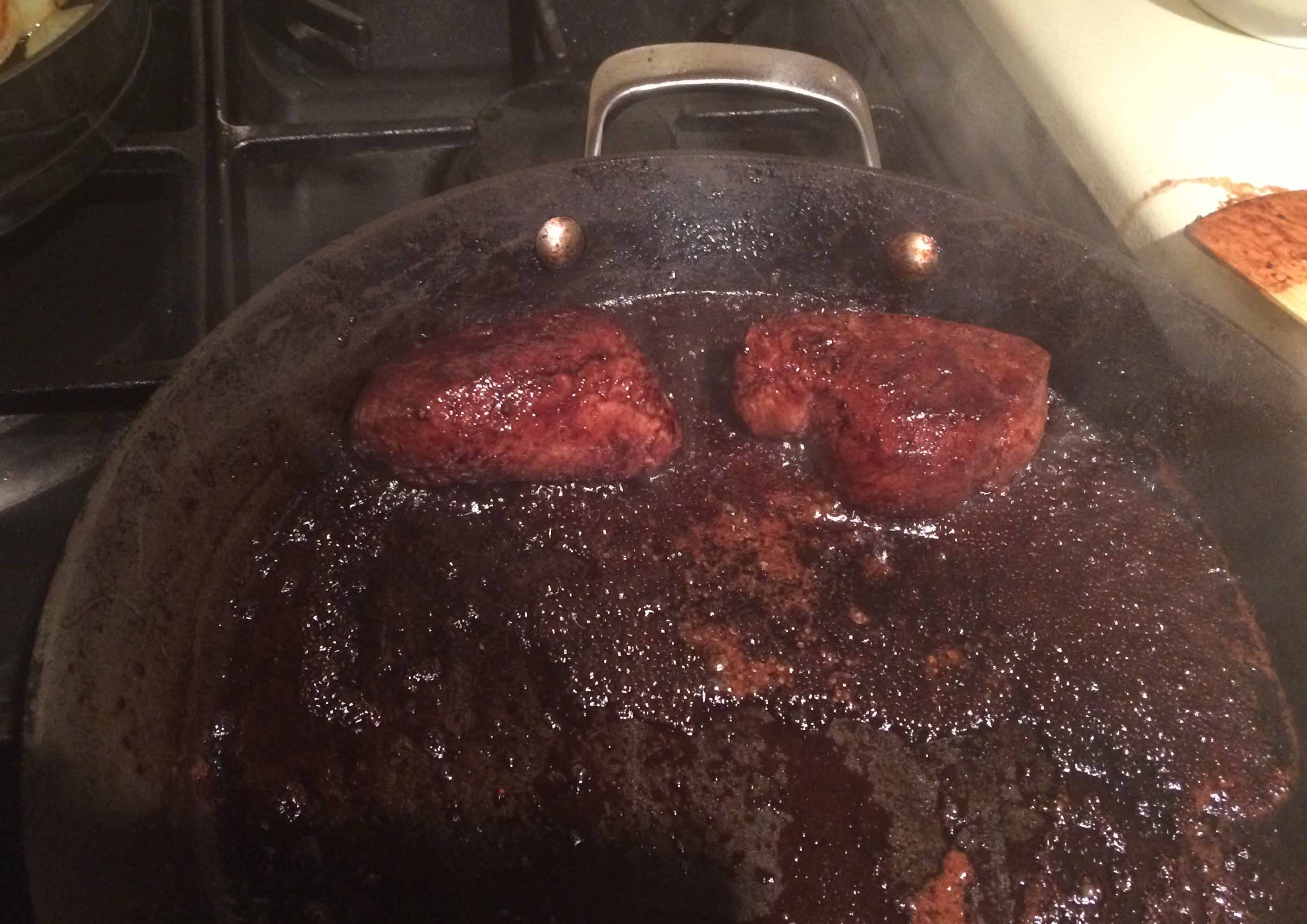
Pour the wine/balsamic vinegar mixture into the hot pan. It will bubble fiercely. As soon as it begins to reduce to a thick, sticky syrup add the steaks back to the pan.

wb8
Take out the steaks when they are nicely coated and set aside to rest for 5 minutes while you finish off the potatoes, reserving the remaining liquid for later.

Resting Meat

DonQui has learned that letting meat rest is very important, and very convenient. When cooking under high temperature the muscle fibres contract, as it rests the fibres relax and the meat continues cooking slowly resulting in an even tender pinkness rather than well done on the outside and blue in the middle. This also allows you to finish off the vegetable while the meat is resting and can be advantageous in all meat-vegetable combinations.

Finishing off the potatoes

Put some more olive oil in the potato pan then add the paprika/garlic mixture and stir it around for a couple of seconds. Add the potato slices and coat in the mixture.

wbb1
Throw in the bouillon and put the lid on the pan, letting the slices cook gently for about 3-5 minutes until the liquid is absorbed and the potatoes are done but still firm. If there is still a little liquid left in the pan then take the lid off and let it cook a minute or two more until it is absorbed or evaporated.

Presentation

wbb2

Arrange the potato slices on a serving dish.

wbb3

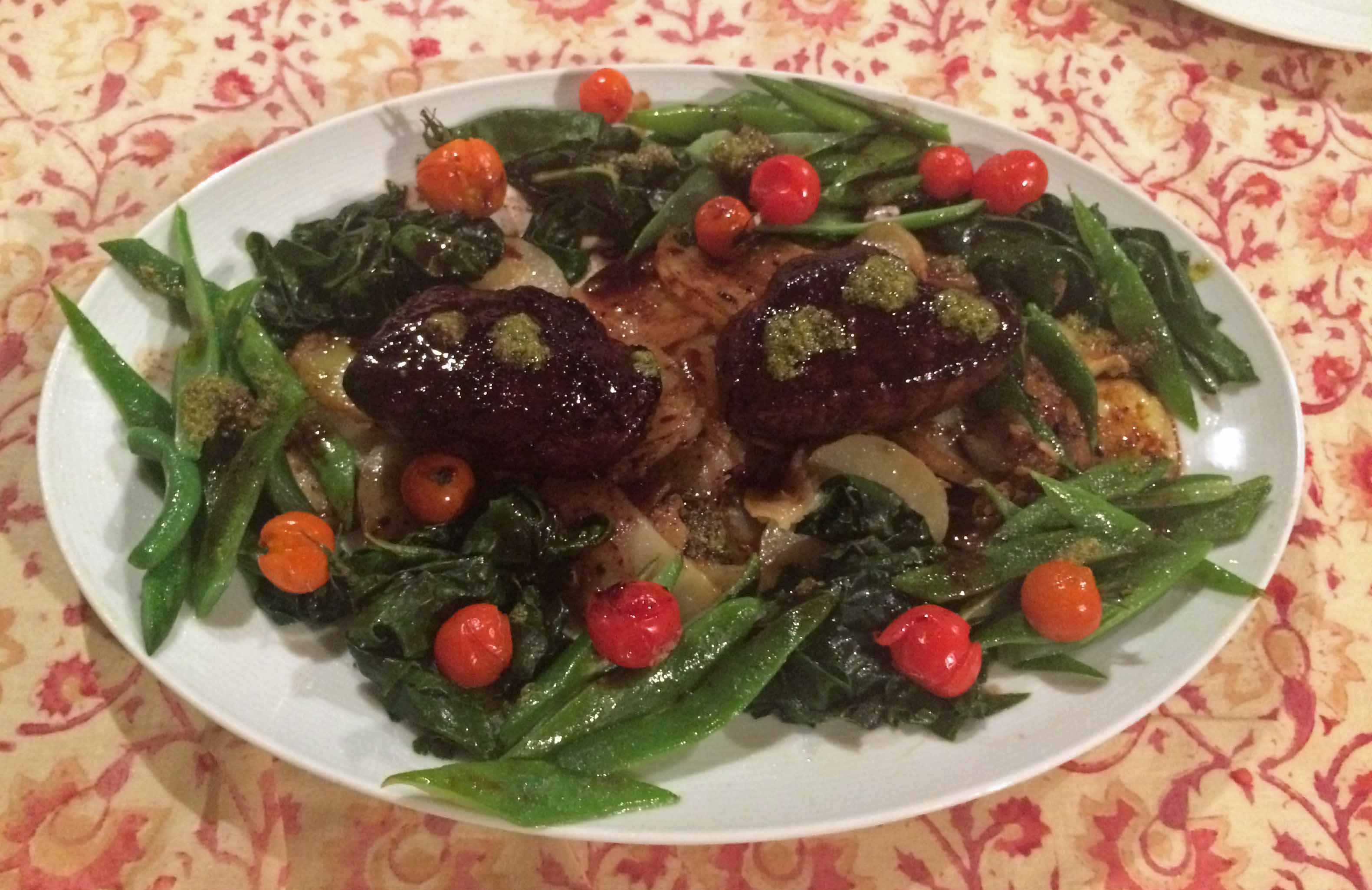
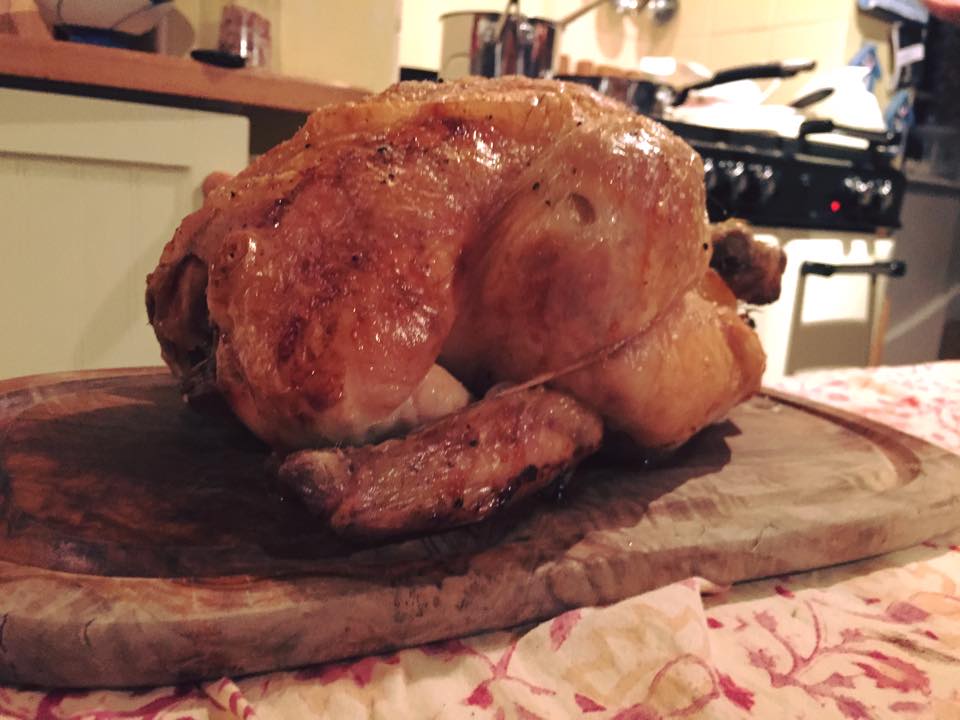
Place the steaks on top and garnish with the reserved wine/balsamic vinegar syrup and the pesto/olive oil mixture. Surround with your choice of vegetables. DonQui used beans, kale and cherry tomatoes from his allotment. He prepared the green vegetables by par boiling, setting aside and then warming up in butter at the last minute. He put the cherry tomatoes in the oven and warmed them up to the point that they opened up but not turned to mush. He thought that they added a nice splash of colour to the final dish.

The Verdict
It worked.

Indeed DonQui thought that it worked rather well.

The potatoes were delicious and this coming from a donkey who is not overly fond of potatoes. He will cook them again this way in the future to accompany other dishes. The two part process lent itself rather well to finishing off as the meat was resting.
wbb4

The wild boar filet steaks were delicious but not quite up to the standard of Puerta Osario Restrobar. By the size of them DonQui is fairly certain that the steaks he had came from the larger end of the filet and were not quite as melt in your mouth wonderful. The ones he tasted at Puerta Osario were smaller and much more tender, suggesting that they came from the finer tail end.
DonQui will try the recipe again with beef filet mignon.